1. Slow or Delayed Acceleration
If you’ve ever felt that you’re pressing the gas, but the car hesitates before moving, that’s probably the first sign.
This delay is often the first warning. Many drivers ignore it and think it is normal lag. But it is not. When starting your car, the car should feel smooth and instant response. If not, something is wrong.
Watch for these signs:
- Delay when starting from a stop
- Slow response in traffic
- Weak pickup on highways
2. High RPM Without Speed Increase
The second symptom you can notice is that your engine sounds unusually loud. The RPM goes up fast, but the speed stays low. This feels frustrating for you because the car seems to work hard without results.
This is a clear sign of slipping. This happens because the transmission fails to engage properly. The engine is doing its job, but the connection to the wheels is slipping.
How to know your RPM without speed? It is by noticing:
- Whether your car is not moving faster even after a high RPM
- Whether that’s happening on a normal highway or uphill
If you see anything unusual, then that’s your transmission slipping.
3. Rough or Unpredictable Gear Shifts
Gear changes should feel smooth. But even when they’re not smooth, you barely notice them. When slipping starts, shifts feel harsh. Sometimes these happen very suddenly, or sometimes they get delayed.
It can feel like a jerk or a small shock.
Common issues include:
- Hard shifts between gears
- Sudden jerks while driving
- Random shifting patterns
This is not just uncomfortable. It means internal stress is building.
4. Burning Smell While Driving
A
burning smell is never normal. It often means overheated fluid.
Transmission fluid is the reason to keep parts cool. But when it breaks down, heat increases, and that smell is a warning of letting you know that something inside is wearing out.
Notice if:
- You smell burning after driving
- The smell increases in traffic
- Heat feels stronger near the hood
Do not ignore this, as heat damages parts quickly.
5. Strange Noises From the Car
Cars make noise, but new sounds matter. With transmission issues, you may hear whining or grinding. These sounds usually grow louder over time.
Pay attention to:
- Whining while accelerating
- Grinding during shifts
- Humming that changes with speed
Each sound tells you something is failing.
6. Check Engine Light Turns On
The
check engine light often signals deeper problems. It does not always mean transmission issues, but it often relates to performance faults.
Modern cars detect slipping early as the modern sensors send alerts before failure. Many drivers ignore this light if the car is still running fine. But that is a mistake.
When the light appears:
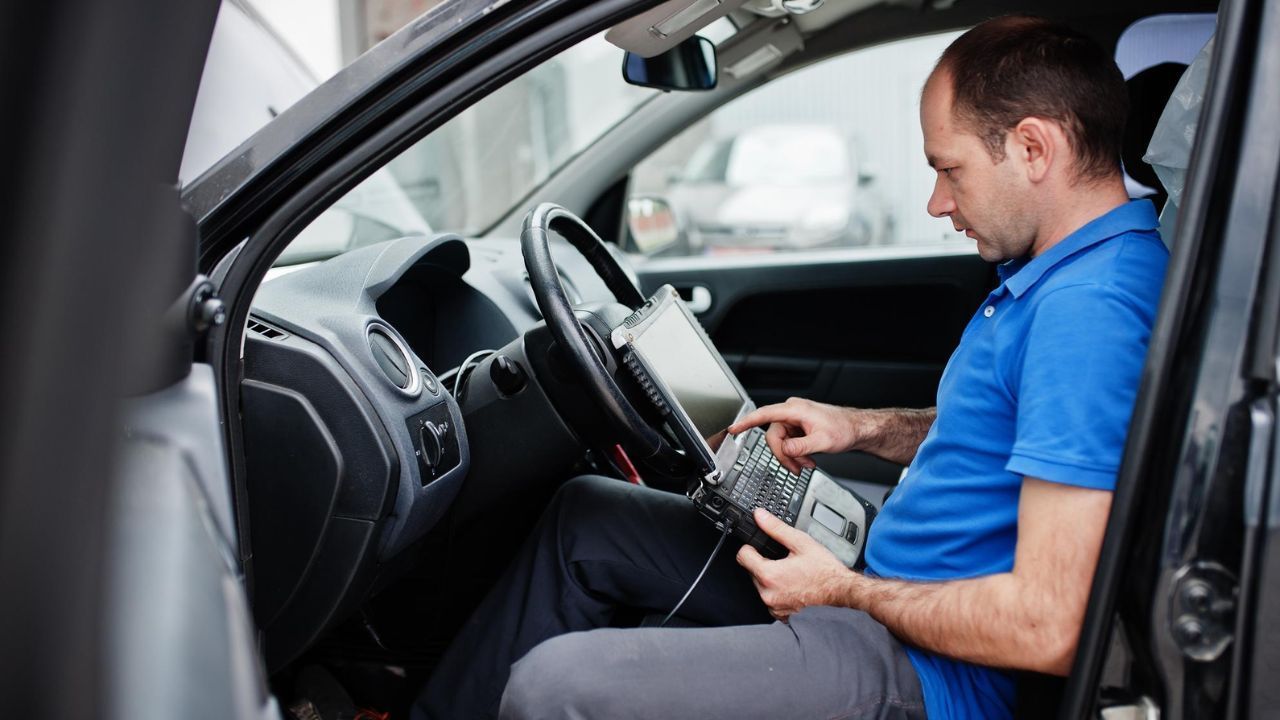
- Get a diagnostic scan done
- Don’t rely on guesswork
- Fix the root issue, not just the symptom
At
Hamilton Tire Car Care Center, technicians use proper diagnostics and find the exact issue quickly.
7. Trouble Staying in Gear
This is a serious stage. Your car may slip out of gear while driving. You may feel a sudden loss of power and feel the car struggle to stay engaged. This is unsafe, especially in traffic.
Critical warning signs:
- The car shifts to neutral on its own
- Power drops suddenly
- Speed becomes hard to maintain
Do not delay service at this point.
Why You Should Never Ignore These Signs
Transmission issues do not stay small. They grow with every drive. What starts as a minor fix can become a full replacement.
Ignoring symptoms leads to:
- Higher repair costs
- Unsafe driving conditions
- Reduced fuel efficiency
- Complete transmission failure
Fixing early always saves money.
When Should You Get It Checked?
If you notice even one of these symptoms consistently, it’s time to act. You don’t need to wait for all seven signs. In fact, waiting makes things worse.
Whenever you notice:
- Your car feels different than before
- Adjusting your driving habits according to the car
- Feeling less confident while driving
It’s probably time to get your car checked.
What Happens During a Transmission Check?