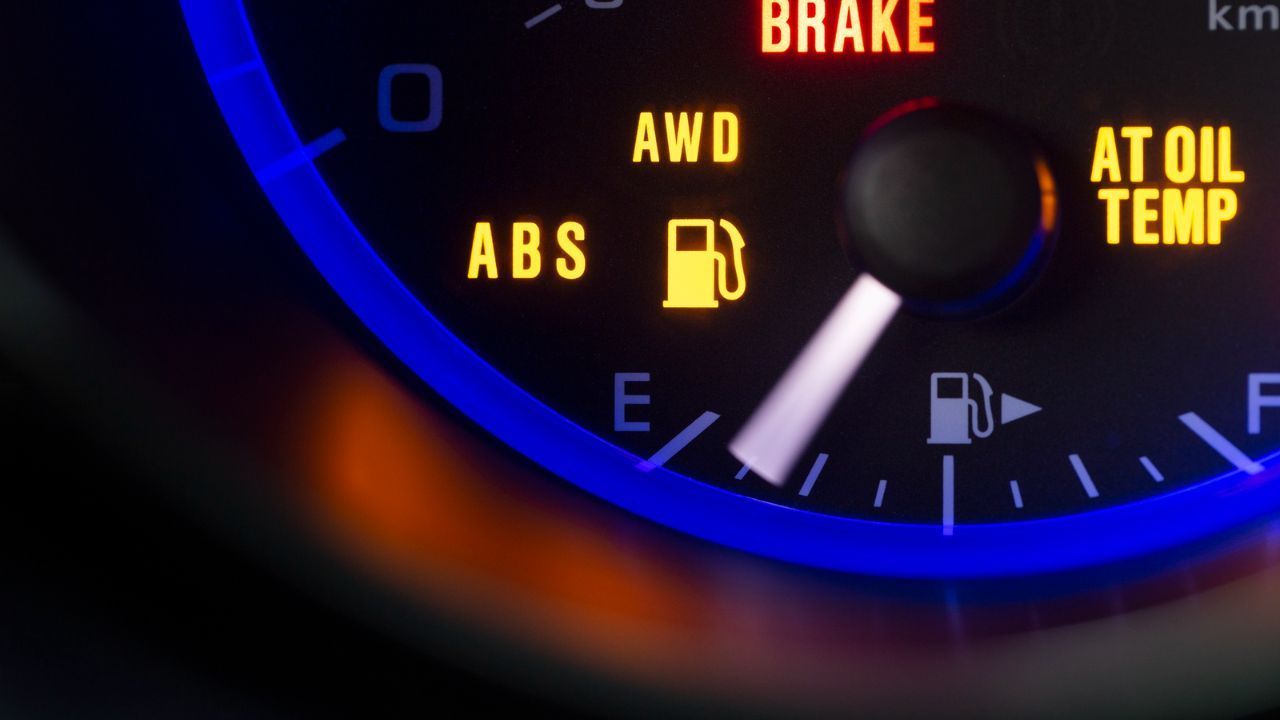
The ABS warning light usually points to a problem in the anti-lock brake system. It does not always mean your entire braking system has failed.
That difference is important. Your regular brakes can still stop the car in many cases. Yet you may not have anti-lock support during an emergency stop. Your car may also lose traction or stability control functions on some models.
Think of ABS as an extra safety net. You may not notice when it works. You notice its value when a sudden stop happens. If the ABS light appears after you start the car, watch what happens next. A brief light during startup is normal on many vehicles. It should go out after the system check. If it stays on while driving, the system needs service.
5 Serious Causes Behind an ABS Light On
The same warning can come from several different faults. Some are fairly simple. Others can affect important brake functions. Here are five common causes worth checking.
1. A Bad Wheel Speed Sensor
A faulty wheel speed sensor is one of the most common causes. Each wheel has a sensor that tracks its speed. The ABS computer uses that data to control the system. Sensors sit near the wheels. They face water, dirt, road salt, brake dust, and small road hits. That is a rough place for any electrical part.
A failed sensor can send a weak or wrong signal. The ABS computer may then shut down the anti-lock function. You may also see the traction control light at the same time. These systems often share wheel speed data.
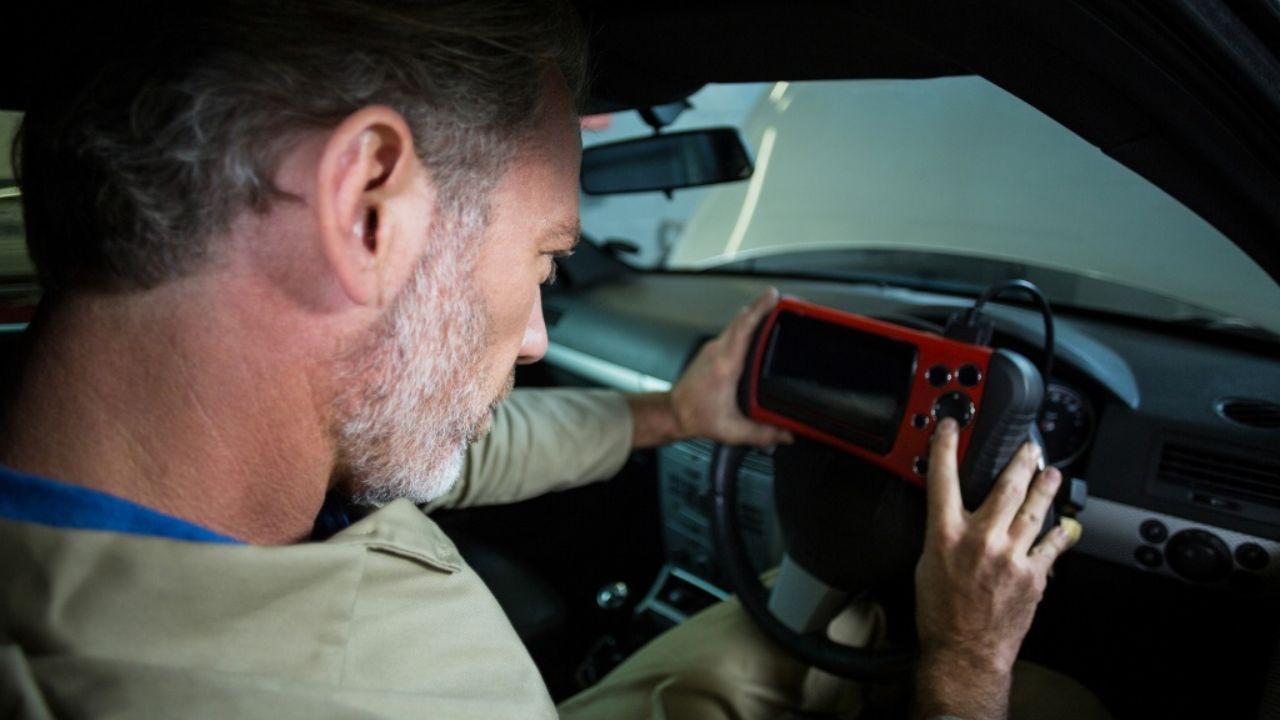
A scan can often show which wheel has a bad signal. Still, the sensor itself may not be the only issue. The wiring and connector need a look too.
2. Damaged ABS Wiring or Connectors
The sensor can work fine while its wiring does not. Wires near the wheels move with steering and suspension parts. They also face water, dirt, heat, and road debris. A broken wire can cut the sensor signal. A loose plug can do the same. Corrosion can also create a weak or broken connection.
This problem can be easy to miss during a quick visual check. The warning may even come and go as the wire moves. Think back to when the light first appeared. Did it happen after a pothole? Did it start after brake or suspension work? Did it appear after a long wet drive? Those details can help a technician find the fault faster.
3. Low Brake Fluid or a Brake System Problem
Low brake fluid can also trigger an ABS warning. The reason matters more than the fluid level itself. Brake fluid does not normally disappear without a reason. A low level can point to worn brake parts or a fluid leak. A leak can become a serious braking problem.
This is where drivers should slow down and pay close attention. Check whether the red brake warning light is also on. Notice whether the pedal feels soft, low, or different from normal. If you have both warning lights, don't treat the issue as a simple sensor fault. The brake system needs a proper inspection.
4. A Damaged Tone Ring or Wheel Hub
The wheel speed sensor needs a good signal to work. It reads a toothed ring called a tone ring or reluctor ring. If that ring cracks, rusts, or loses teeth, the sensor may get a bad signal. The sensor can be perfectly good and still report the wrong wheel speed.
A worn wheel bearing or hub can also affect the sensor signal. Some vehicles have the sensor built into the hub assembly. This is why replacing a sensor without testing the full system can waste money. The real fault may sit somewhere nearby.
A useful clue is a warning that returns at certain speeds. Noise or play from a wheel can also point toward a hub or bearing problem.
5. A Faulty ABS Module or Electrical Supply
The ABS module is the system's control unit. It receives data from the wheel sensors. It then manages the ABS response. A module fault can turn the warning light on. So can a power problem, bad fuse, poor ground, or low system voltage.
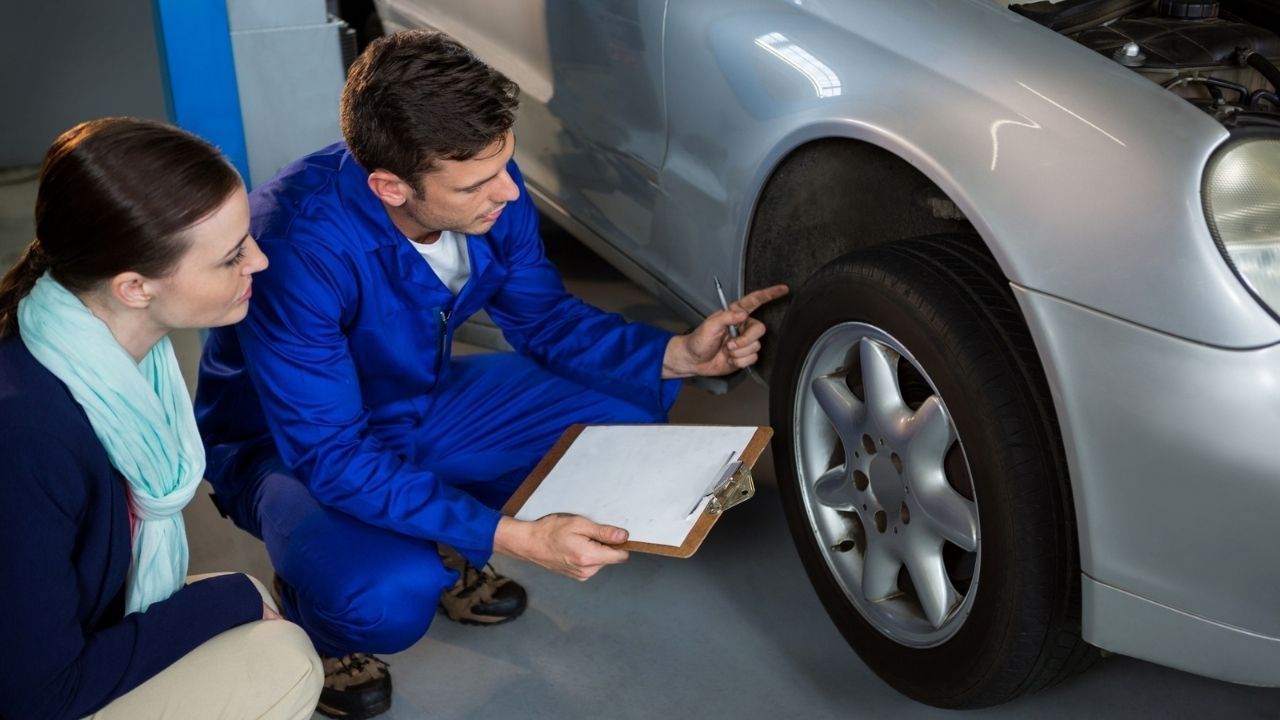
This cause is less simple than a dirty sensor. It also shows why guessing can get expensive. A technician should first check power, wiring, connectors, and stored fault codes. Only then should a module replacement be considered. That approach can prevent a driver from paying for a major part that was never the real problem.
ABS Light On Car Meaning: Can You Still Drive?
This is usually the first question drivers ask after seeing the warning. If only the ABS light is on and the brakes feel normal, the basic brake system may still work. But the anti-lock feature may not work when you need it. That means you should drive with extra care and arrange an inspection soon.
Don't test the ABS yourself by slamming on the brakes. There is no need to create a dangerous situation just to see if it works. If braking feels different, stop driving when it is safe. A tow may be the safer choice. Vehicle manuals can give model-specific instructions, so check yours as well.
What Should You Do When the ABS Light Comes On?