Maryland State Inspection Checklist: What Drivers Should Know

jkram200 • September 11, 2026

A Maryland state inspection checklist covers the main parts that keep a vehicle safe, including its brakes, tires, lights, steering, suspension, glass, wipers, seat belts, and exhaust system. Most used vehicles must pass this safety check before they can be titled and registered in Maryland. The inspection must take place at a station licensed by the Maryland State Police. 


This inspection is not just another piece of red tape. It can reveal worn parts that may put you or other road users at risk. A loose tie rod may feel like a small shake today, yet become a serious steering problem later.


Who Needs a Maryland State Vehicle Inspection?

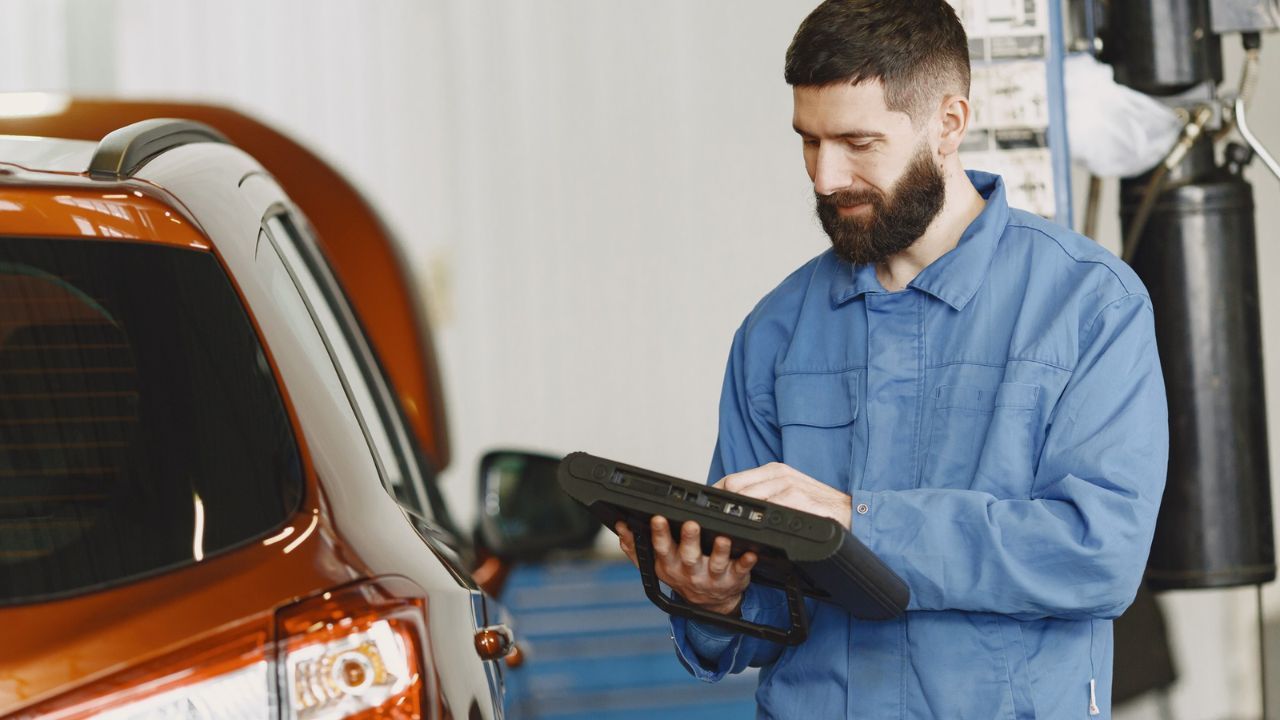
 Professional auto technician using a diagnostic tablet while inspecting a vehicle during routine maintenance and safety checks.

Most used cars, trucks, motorcycles, trailers, and other covered vehicles need an inspection before Maryland registration. This often applies when you buy a used car from a private seller. It may also apply when you move into Maryland with a vehicle titled elsewhere. 

However, certain exceptions may apply. For example, a vehicle returning to Maryland may not need another inspection if it was previously titled in Maryland under the same owner’s name. Because title situations can differ, confirm your case with the MVA before paying for an inspection.


You may need an inspection when:

  • You buy a used vehicle from a private party.
  • You bring a used vehicle into Maryland from another state.
  • Ownership of a Maryland vehicle changes.
  • You receive a vehicle through certain family or estate transfers.
  • You need to title and register an applicable used vehicle.
  • A police repair order requires a certified safety check.


Do not assume that an out-of-state inspection will meet Maryland’s rule. Maryland requires the vehicle to pass at an authorized state inspection station. The station must also hold approval for your type of vehicle.


Complete Maryland State Inspection Checklist


The inspection covers far more than a quick walk around the car. The mechanic checks parts inside, outside, and under the vehicle. Some tests may also require tools, a lift, or approved measuring equipment.


Here is a practical Maryland state inspection checklist for drivers:

  • Brakes: Pads, rotors, drums, lines, hoses, and parking brake
  • Steering: Steering wheel play, linkage, joints, and related parts
  • Suspension: Shocks, struts, springs, ball joints, and mounting points
  • Tires and wheels: Tread, damage, size, inflation, and wheel condition
  • Lights: Headlights, brake lights, signals, and license plate lights
  • Windshield and glass: Cracks, damage, visibility, and approved glass
  • Wipers: Blade condition, operation, and washer system
  • Mirrors: Secure mounting, clear view, and proper condition
  • Seat belts: Latches, straps, anchors, and proper operation
  • Doors and hood: Hinges, latches, handles, and secure closing
  • Fuel system: Tank, lines, cap, leaks, and secure mounting
  • Exhaust system: Pipes, muffler, mounts, leaks, and damage
  • Speedometer and odometer: Proper function and readable display
  • Horn: Clear sound and correct operation
  • Vehicle identification number: A clear VIN that matches the records


The exact checks can vary by vehicle class. A motorcycle does not have the same parts as a passenger car. Likewise, a heavy truck may require checks that do not apply to a small sedan.


What Problems Commonly Cause a Failed Inspection?


Many failures come from normal wear, not major damage. A driver may not notice a dim plate light or a torn wiper blade during a daily trip. The inspector, though, must compare each part with state standards.


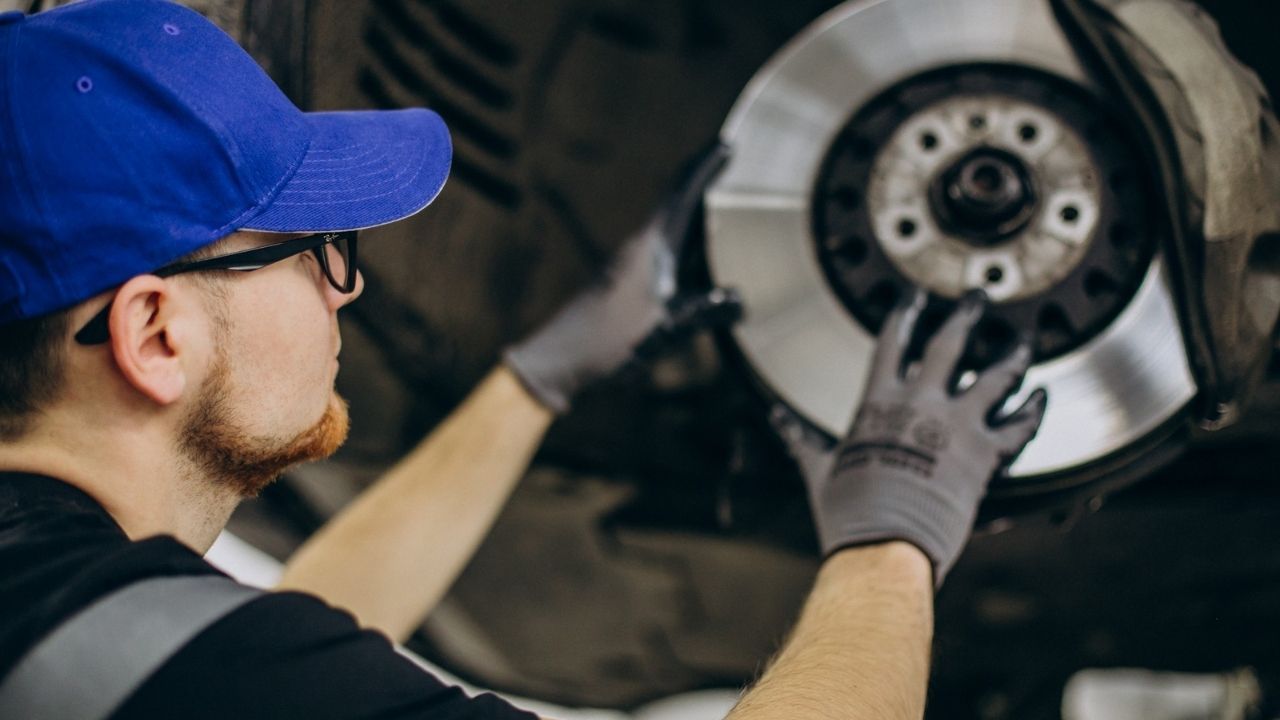
Brake wear is one common concern. Pads may be thin, rotors may be damaged, or a parking brake may not hold. If you hear grinding or feel the car pull while braking, arrange Brake Service before the inspection.


Tires also catch many drivers off guard. A tire may still hold air but have low tread, sidewall damage, or uneven wear. Baltimore potholes can be rough on tires and suspension parts, especially after a harsh winter.


Watch for these warning signs before your appointment:

  • A brake warning light stays on.
  • The car pulls while stopping.
  • Tires have bald spots or deep cracks.
  • A headlight or signal does not work.
  • Wipers leave wide streaks.
  • The windshield has a large crack.
  • The exhaust sounds much louder than usual.
  • The steering feels loose or shaky.
  • A seat belt does not latch.
  • Fluid leaks appear under the vehicle.


How Should You Prepare Your Car?


Why check the car first if the inspector will do it anyway? A quick review may catch cheap and simple faults. Replacing a dead bulb before the appointment can save time and reduce the chance of a return visit.


Therefore, start with the parts you can safely see and test. Turn on each light, press the horn, and run the wipers. Then walk around the car and look for tire damage, loose parts, or cracked glass.


Use this simple pre-visit plan:

  1. Test every exterior light: Ask someone to watch the brake lights.
  2. Inspect the tires: Check tread, sidewalls, and air pressure.
  3. Try each seat belt: Confirm that every latch locks and releases.
  4. Test the parking brake: It should engage and hold the vehicle.
  5. Check the wipers: Replace split or hardened blades.
  6. Look under the car: Note fresh fuel, oil, coolant, or brake fluid leaks.
  7. Listen during a short drive: Pay attention to clunks, grinding, or rattles.
  8. Clear out the cabin: Give the inspector easy access to belts and controls.
  9. Bring valid registration: The vehicle must be legally registered or transported.


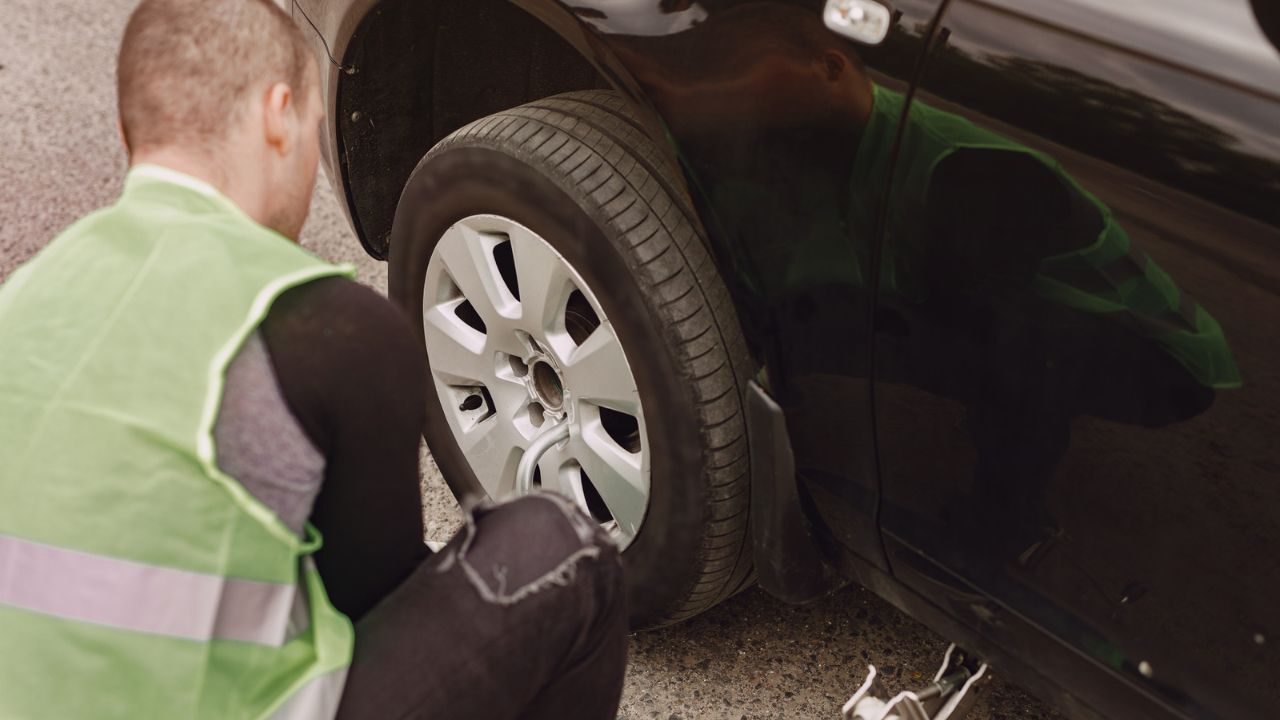
Do not attempt repairs that exceed your skill or equipment. Supporting a car with its emergency jack while checking the brakes is not worth the risk. A trained mechanic can inspect those areas on a proper lift.


What Should You Bring to the Appointment?


Your vehicle must be properly registered in Maryland or another state before the inspection. If it cannot be fully registered yet, you may qualify for a 30-day temporary registration. That permit can allow legal travel to and from an inspection station.


Bring your registration and any papers the station requests. It is also wise to bring the title or purchase papers if the VIN needs confirmation. Make sure the VIN on the vehicle matches all ownership records.


Inspection fees are not the same at every shop. Maryland limits the billable inspection time, but each station sets its own labor rate. Ask about the fee when you book so there is no surprise at the counter. 


What Happens During the Inspection?
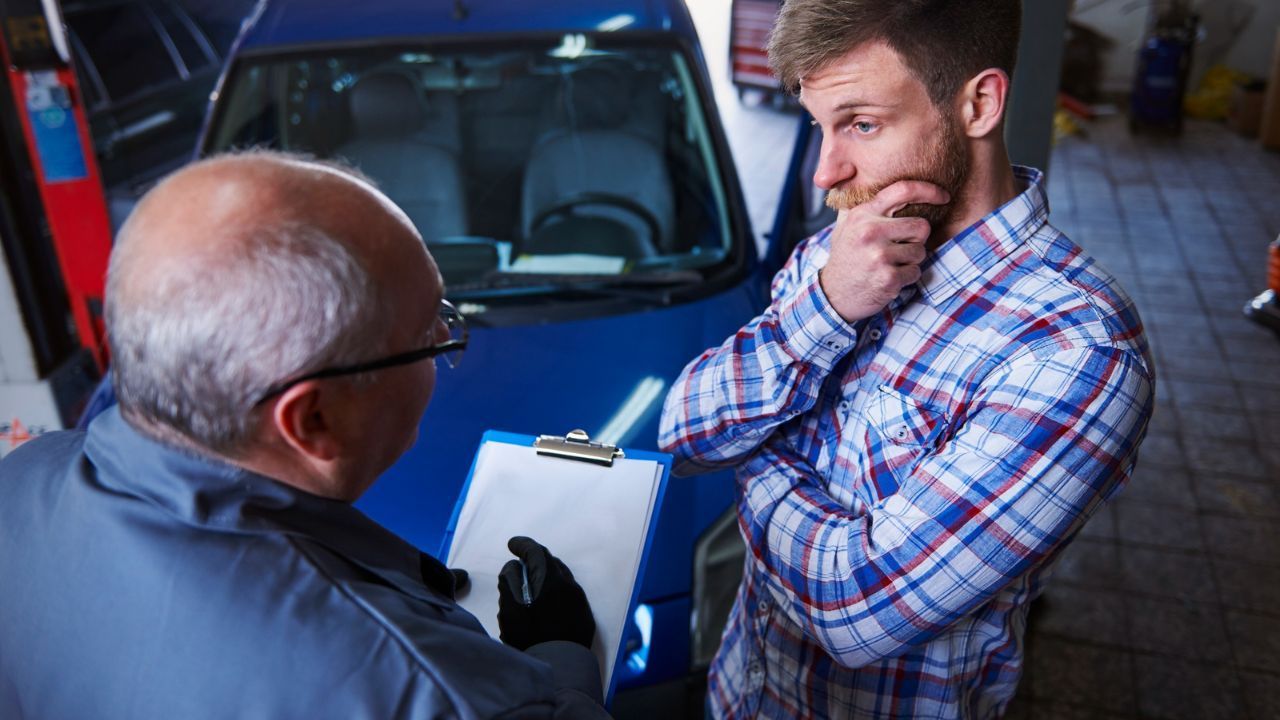
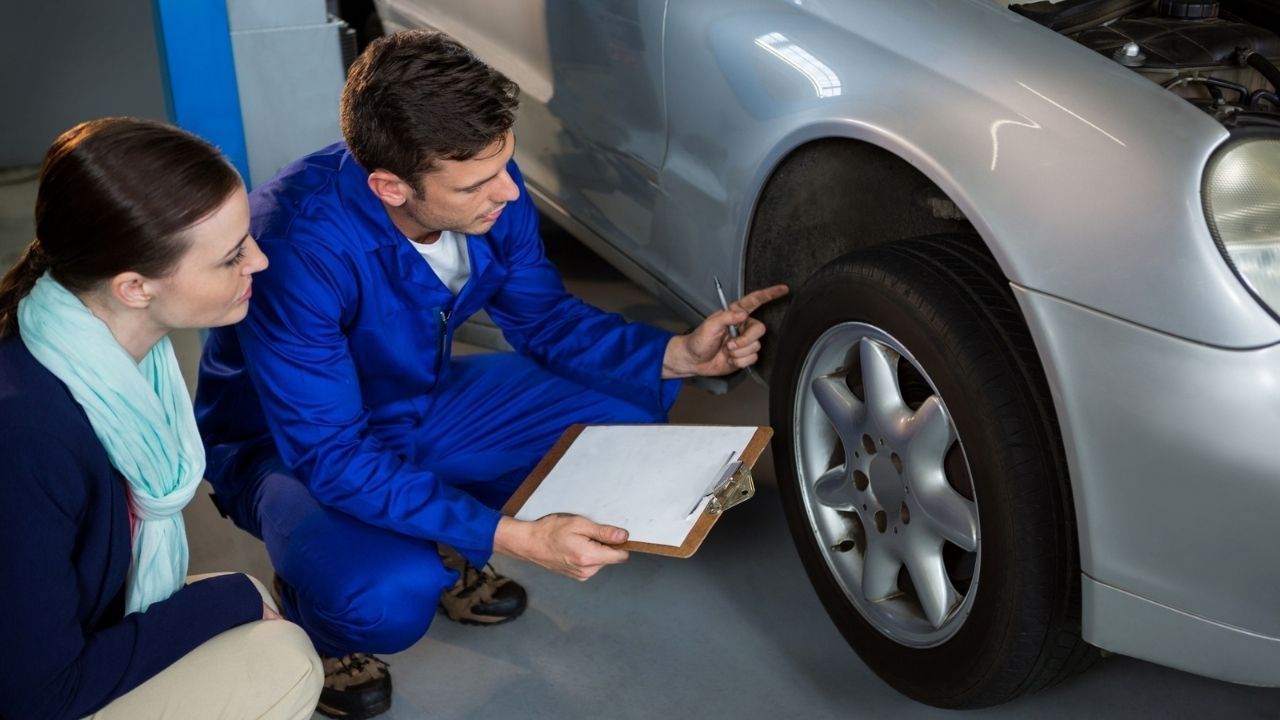
Car owner discussing vehicle inspection results with an auto technician holding a checklist inside an automotive repair shop.

The inspector follows state standards and records the results. A proper inspection takes time because many parts must be seen, tested, or measured. It is more involved than a basic visual check.


If the vehicle passes, the station sends the certificate to the MVA by electronic means. You may also receive a paper or digital receipt. The standard certificate is valid for 90 days, so complete the title and registration process before it expires. 


If the vehicle fails, the report will list the defective items. You can have the repairs done at the inspection station, another repair shop, or on your own when safe and legal. The inspecting station cannot force you to buy its repair work.


What Happens If Your Vehicle Fails?


A failed result may feel frustrating, but it gives you a clear repair plan. Read each listed item and ask what standard the vehicle did not meet. A good shop should explain the problem in plain terms.


You must return for reinspection within 30 days and before driving another 1,000 miles. When both limits are met, only the failed items normally need another check. A new defect seen during that visit may also need repair. 


If you wait more than 30 days or drive 1,000 miles, the vehicle needs a new full inspection. That means another full fee may apply. Put the deadline in your phone as soon as you receive the report.


A reinspection may still carry a fee. The cost depends on the work needed to check the failed parts. A defect that can be confirmed by sight may be treated differently, so ask the original station for its policy.


Get Ready With Hamilton Tire Car Care Center


Hamilton Tire Car Care Center provides Maryland State Inspection service for Baltimore drivers at its Harford Road shop. Its technicians inspect major safety systems and explain any defects found. The shop also offers appointments for drivers who want to plan the visit around work or family needs. 


The smartest approach to a perfect inspection is simple. Check the basics, book a licensed station, and leave time for repairs. A well-prepared car makes the process less stressful and helps keep Maryland roads safer.


FAQs

Q1: How long is a Maryland safety inspection valid?

A standard Maryland safety inspection certificate is valid for 90 days. The vehicle should be titled and registered before that period ends. Different validity rules may apply to certain dealer inspections.


Q2: How much does a Maryland state inspection cost?

Maryland does not set one flat price for every inspection station. The station bases its fee on its labor rate and the inspection time allowed by state rules. Ask for the current fee before booking.


Q3: Is a Maryland safety inspection required every year?

No. Most personal vehicles do not receive a full Maryland safety inspection each year. It is mainly required when an applicable used vehicle is sold, titled, transferred, or brought into the state.


Q4: Can I drive a vehicle that has not passed inspection?

The vehicle must be legally registered or transported. If you cannot obtain full registration before the inspection, you may qualify for a 30-day temporary registration. Check your eligibility with the MVA first.


Q5: How long do I have after a failed inspection?

You have 30 days and must drive fewer than 1,000 miles before reinspection. Missing either limit means the vehicle needs another full inspection. 

By jkram200 September 11, 2026
Compare air filter vs cabin air filter differences, functions, warning signs, and replacement needs to keep your engine and cabin air clean.
By jkram200 September 11, 2026
Learn common catalytic converter symptoms, what causes failure, and when a clogged or damaged converter may need professional repair or replacement.
By jkram200 September 1, 2026
Discover 8 symptoms of a bad brake caliper and proven solutions. Learn how sticking pistons, damaged seals, and seized pins affect braking.
By jkram200 September 1, 2026
Discover 9 signs your car needs an alignment, from uneven tire wear to pulling and crooked steering, before the damage becomes expensive.
car-wont-start-clicking-noise
By jkram200 September 1, 2026
Car won’t start clicking noise causing concern? Discover 7 causes, quick checks, and proven fixes for battery, starter, and electrical problems.
car-makes-noise-when-turning
By jkram200 August 12, 2026
Discover 8 serious reasons your car makes noise when turning, from worn CV joints to steering problems, plus warning signs and practical fixes.
By jkram200 August 12, 2026
Learn when to replace a car battery, spot 6 urgent warning signs, understand its average lifespan, and avoid an unexpected roadside breakdown.
what-does-service-engine-soon-mean
By jkram200 August 12, 2026
Explore seven serious causes of the Service Engine Soon light, easy checks you can make, and clear signs that it is time to visit a trusted mechanic.
signs-of-bad-wheel-bearing
By jkram200 August 6, 2026
Explore six telltale signs of a bad wheel bearing, from humming and grinding noises to loose steering, uneven tire wear, and wheel vibration.
signs-of-bad-spark-plugs
By jkram200 August 6, 2026
Learn seven critical signs of bad spark plugs, what causes them, and how to fix the problem before it affects engine performance or fuel efficiency.
Show More