How Long Does a Car Inspection Take? 8 Quick Tips to Avoid Delays

jkram200 • September 16, 2026

A car inspection often takes 20 minutes to one hour, depending on the test and vehicle. A basic emissions test can be quicker than a full safety check. Your wait time can also add minutes before or after the test. The biggest time saver is showing up with a ready, road-safe car. State rules also matter, so the exact process can vary. 


For example, Maryland separates safety inspections from emissions testing. Its safety inspection is required for many title and registration cases.


How Long Does a Car Inspection Take, by Type?

The inspection type sets the basic time range for your visit. A quick emissions test may take less time than a full safety inspection. A combined check can take longer because more systems need review.


Inspection type: Emissions test
Typical time: 15 to 30 minutes
What it covers: Emissions and related diagnostic checks

Inspection type: Safety inspection
Typical time: 30 to 60 minutes
What it covers: Key safety and roadworthiness items

Inspection type: Combined or full inspection
Typical time: 45 to 90 minutes
What it covers: Safety and emissions checks


These are planning ranges, not fixed promises. State rules can change what gets tested and how the process works. The EPA confirms that emissions programs vary by state and local area.


For example, Maryland treats safety and emissions tests as separate inspections. A Maryland safety inspection checks whether key vehicle parts are safe to use. Emissions testing follows a different process through the state's VEIP program.


Actual Time at the Shop, Not Just the Inspection Itself


The inspection itself may be short, but your total visit can take longer. Check-in, paperwork, a service queue, and final results all add time. That difference matters when a lunch break or work shift is waiting.


Nowadays, a routine inspection booked by appointment may stay under an hour. That estimate still depends on the shop, test, and vehicle. A walk-in visit can take longer during busy periods. The inspection may not be the slow part.


An appointment can help reduce that risk. Maryland's MVA recommends scheduling ahead when possible. It also says drivers should confirm that the station can inspect their vehicle class. For a routine visit, allowing about an hour is a smart starting point. Leave more time if repairs may be needed.


What Affects How Long Your Inspection Takes

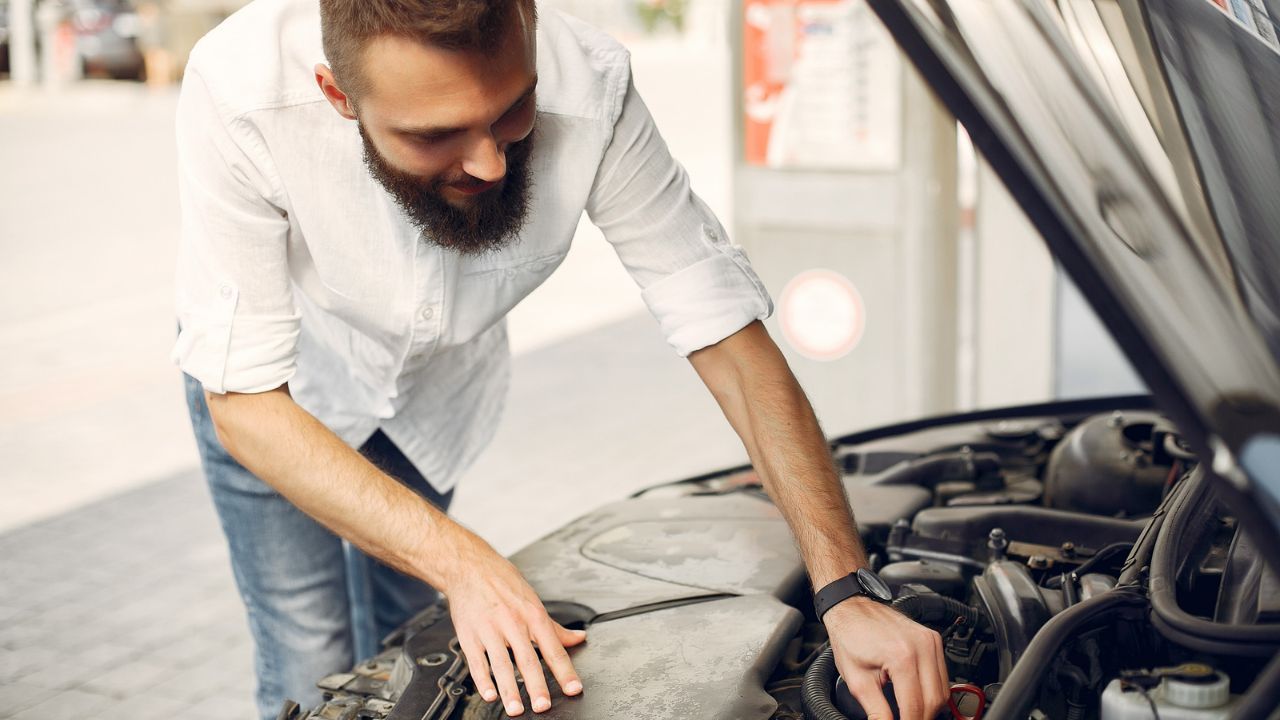
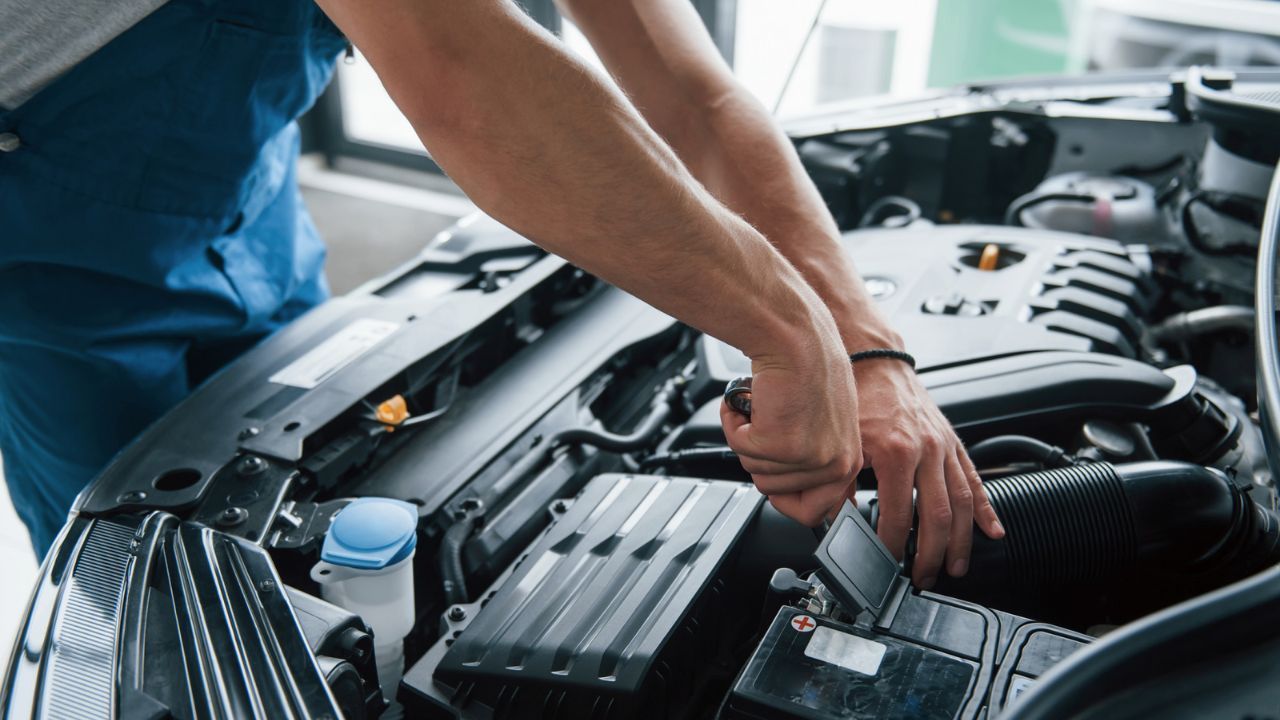
Male mechanic holding a digital tablet while performing an engine inspection on a vehicle in a repair shop.

The inspection itself is rarely the only time factor. Your vehicle's condition, test type, shop traffic, and state rules can change the visit. A warning light can turn a simple check into a longer repair discussion. An older car may need closer attention than a newer car. A check-engine light can also trigger extra diagnostic work. 


State rules can shift from year to year, too. As of now, double-check your state's current requirements before you go. Recent changes show why old inspection guides can mislead drivers. New Hampshire, for example, has been moving through changes to its emissions program.


Shop operations matter as well where a busy Monday morning may bring more waiting than a planned weekday appointment. A clear appointment slot gives the technician a better chance to start on time.


What Happens During the Inspection


A technician checks the systems required by the inspection rules. The goal is to confirm that the vehicle meets the required safety or emissions standards. The exact checks depend on your state and inspection type.


A Maryland safety inspection, for example, covers brakes, tires, lights, steering, suspension, and other key parts. The Maryland State Police also advises owners to check items such as wipers and exhaust condition. If a problem appears, the visit can change quickly and a failed inspection may require repairs and another inspection. In Maryland, qualifying vehicles can need a reinspection within 30 days and under 1,000 miles.


8 Quick Tips to Avoid Delays


Most inspection delays can be reduced before the car leaves the driveway. A little prep can save a second trip, extra waiting, and needless stress.


  1. Book an appointment ahead: A scheduled slot can reduce the chance of a long walk-in wait.
  2. Bring required documents: Keep registration, inspection notices, and other required papers ready.
  3. Check warning lights first: A check-engine light may signal a problem that needs attention.
  4. Check your tires: Look for low pressure, damage, or very worn tread before leaving.
  5. Test the lights: Check headlights, brake lights, turn signals, and other exterior lamps.
  6. Check your wipers: Replace torn blades before the inspection if they leave poor visibility.
  7. Confirm the station handles your vehicle: Some stations have limits on vehicle classes or inspection types.
  8. Ask about wait times: A quick call can help you choose a less busy appointment slot.


These steps are simple, but they can prevent common problems. Maryland specifically recommends confirming station authorization and scheduling when possible.


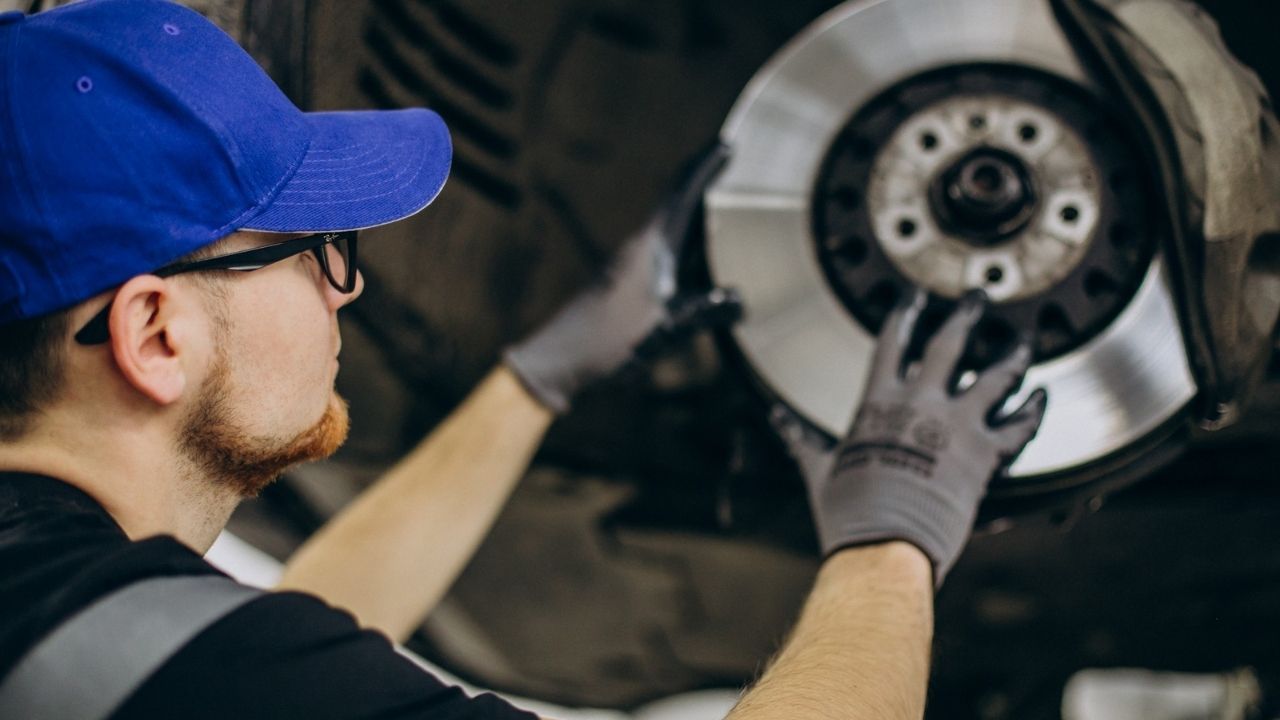
If the car already shows brake trouble, do not wait for inspection day. Hamilton Tire and Car Care Center provides Brake Service in Baltimore. The service includes brake inspections, repairs, and replacements. A pre-inspection brake check can also help avoid a failed safety test. It gives the technician a chance to spot worn or unsafe parts before inspection day.


When Should You Schedule a Car Inspection?

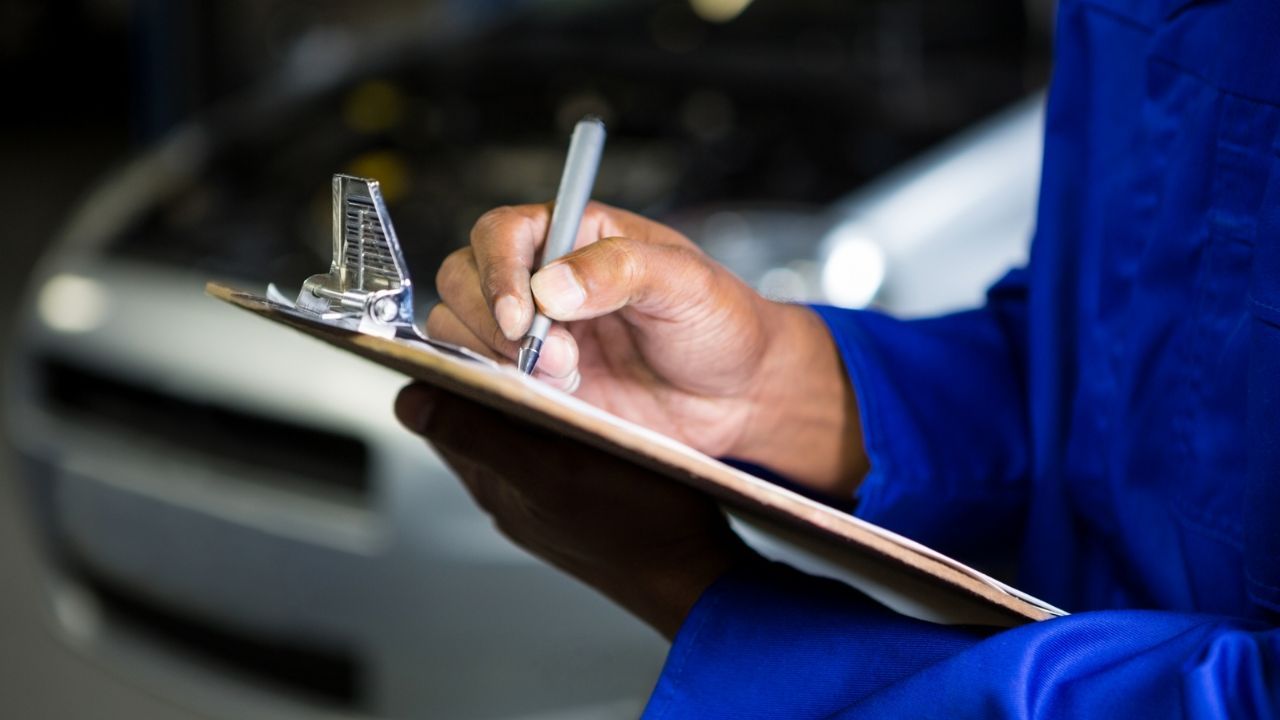
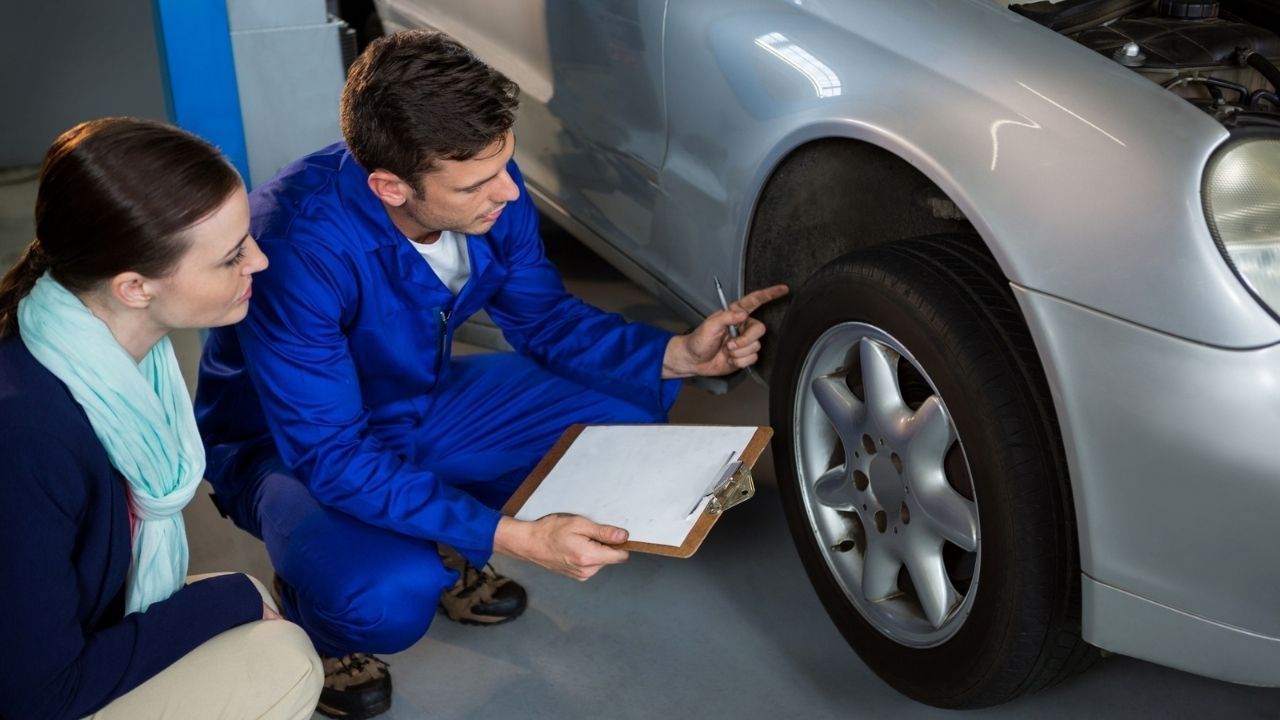
 Close-up of a technician in blue workwear writing diagnostic notes on a wooden clipboard in front of an open car hood.

The best time depends on your deadline and local shop traffic. An early appointment can often give you more breathing room if an issue appears. Avoid waiting until the final possible day as a failed inspection may need repairs and another visit. That can turn a simple task into a full afternoon.


For Baltimore drivers, Hamilton Tire and Car Care Center offers Maryland State Inspection service. The shop operates Monday through Friday from 7:30 a.m. to 5 p.m. It also operates Saturday from 7:30 a.m. to 3 p.m. The shop also offers online appointment scheduling. Customers can receive vehicle status updates by text or email.


What Should You Do If Your Car Fails?


A failed inspection does not always mean the car needs major work. The inspection report should identify the items that need repair. The next step is fixing those issues before returning for another check.


Do not ignore a failed safety item. Brakes, tires, lights, steering, and suspension can affect daily road safety. Maryland requires failed items to be repaired before certification can be issued. In Maryland, the same inspection station must handle the reinspection. The state allows a limited reinspection window when mileage and timing rules are met.


How to Spend Less Time at the Inspection Shop


The simplest plan is also the best one. Book ahead, bring your documents, and check obvious problems first. Give the shop enough time to complete the required work without rushing. Keep the vehicle's basic maintenance up to date. Regular brake care, tire checks, fluid checks, and other routine service can reduce surprise problems. Hamilton Tire and Car Care Center also provides preventative maintenance with multi-point inspections.


The goal is not to make the inspection faster by cutting corners. The goal is to arrive with a car that is ready to pass. That small difference can save hours.


Final Takeaway


So, how long does a car inspection take? Most routine checks can fit within about an hour, but the total visit can run longer. Your inspection type, vehicle condition, state rules, and shop wait all matter. The best time saver is preparation. Check warning lights, tires, lights, brakes, and required paperwork before leaving home. If your car needs work, fix it before the inspection whenever possible. A few minutes of prep can keep a short inspection from becoming a second trip.


FAQs 

Q1: How long does a car inspection take for a normal vehicle?

A routine inspection often takes about 20 to 60 minutes. The exact time depends on the inspection type and state rules.

Q2: Can a car inspection take more than an hour?

Yes. Waiting, paperwork, repairs, or extra checks can extend the visit. A busy shop can also increase total time.

Q3: Is an emissions test faster than a safety inspection?

Often, yes. A basic emissions test may take about 15 to 30 minutes. A safety inspection can take longer because more vehicle systems are checked.

Q4: What should you bring to a car inspection?

Bring the vehicle and any required registration or inspection documents. Some states also require a test notice or other paperwork.

Q5: How often do car inspections happen?

Inspection frequency varies by state and vehicle. Some states require periodic inspections, while others require inspections only for certain events or vehicles. Check your state's current rules before scheduling.


By jkram200 September 16, 2026
Discover 9 warning fuel pump symptoms, including hard starting, whining, stalling, and power loss. Learn when your car needs immediate attention.
By jkram200 September 16, 2026
Discover 7 common causes of car overheating, warning signs, and smart fixes before a serious engine problem becomes costly.
By jkram200 September 11, 2026
Review the Maryland state inspection checklist, learn which vehicles need inspection, what mechanics check, and how to prepare your car to pass.
By jkram200 September 11, 2026
Compare air filter vs cabin air filter differences, functions, warning signs, and replacement needs to keep your engine and cabin air clean.
By jkram200 September 11, 2026
Learn common catalytic converter symptoms, what causes failure, and when a clogged or damaged converter may need professional repair or replacement.
By jkram200 September 1, 2026
Discover 8 symptoms of a bad brake caliper and proven solutions. Learn how sticking pistons, damaged seals, and seized pins affect braking.
By jkram200 September 1, 2026
Discover 9 signs your car needs an alignment, from uneven tire wear to pulling and crooked steering, before the damage becomes expensive.
car-wont-start-clicking-noise
By jkram200 September 1, 2026
Car won’t start clicking noise causing concern? Discover 7 causes, quick checks, and proven fixes for battery, starter, and electrical problems.
car-makes-noise-when-turning
By jkram200 August 12, 2026
Discover 8 serious reasons your car makes noise when turning, from worn CV joints to steering problems, plus warning signs and practical fixes.
By jkram200 August 12, 2026
Learn when to replace a car battery, spot 6 urgent warning signs, understand its average lifespan, and avoid an unexpected roadside breakdown.
Show More