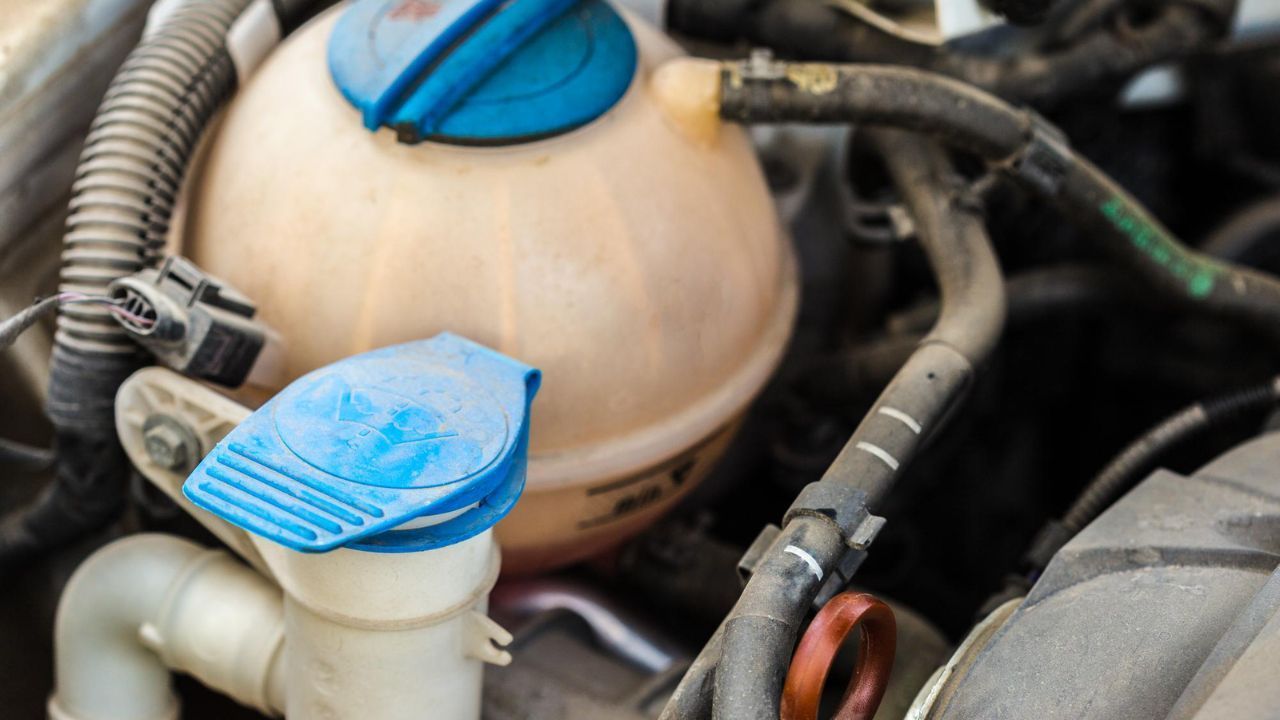
Coolant helps carry heat away from your engine. It flows through passages around hot engine parts. The hot coolant then travels toward the radiator. The radiator helps release that heat into the air.
A low coolant level can break this process. There may not be enough fluid to move heat. The engine can then become hotter than normal. But why did the coolant level drop? A leak may be causing the loss. The leak could come from several different parts.
You may spot a puddle beneath your car. The fluid may have a sweet smell. You may also see wet spots around hoses. Some leaks are small and hard to see.
Keep an eye out for these signs:
- A low coolant warning appears
- Steam comes from under the hood
- The temperature gauge moves toward red
- You smell coolant after parking
- Coolant levels keep dropping
Never remove the radiator cap while the engine stays hot. The cooling system may still hold strong pressure. Hot fluid can cause serious burns. Let the engine cool fully before checking the coolant.
Follow your owner's manual for the right coolant type. Mixing the wrong fluids can also create problems. If coolant keeps disappearing, get the system checked. Topping it off will not fix the leak.
2. A Faulty Thermostat Can Stop Coolant Flow
The thermostat controls coolant flow through your engine. It opens when the engine reaches operating temperature letting hot coolant move toward the radiator. A thermostat can become stuck over time. If it stays closed, coolant flow becomes restricted. Heat can then build inside the engine.
This can be confusing for drivers. The coolant tank may still look full and you may think the cooling system works fine. Yet the engine temperature keeps rising. That is why checking one fluid is not enough. The whole cooling system needs proper testing.
A faulty thermostat can cause other warning signs too. The engine may take too long to warm up. The temperature may also change during normal driving.
Do you really need a thermostat check? Consider the pattern first. Does the car overheat after several minutes? Does the gauge rise much faster than before? Has the problem returned after adding fresh coolant?
These clues can help a technician find the fault and avoid replacing parts based only on guesses. Several cooling problems can cause similar symptoms. Proper testing can save both time and money.
3. A Damaged Radiator May Trap Too Much Heat
The radiator plays a key role in engine cooling. It receives hot coolant from the engine. Air then passes through the radiator fins. This helps release heat from the coolant. A damaged radiator may not cool properly and a clogged radiator can create the same problem. Dirt and debris can also block airflow through its fins.
Leaks are another common radiator concern. A leaking radiator can lower coolant levels. That creates another path toward engine overheating. Think about your driving conditions too. Does the car stay cool on the highway? Does the gauge rise during slow traffic? That pattern may point toward an airflow issue.
It does not prove the radiator is at fault. Still, it gives the technician useful information. The radiator should be checked when overheating repeats. The same applies after a visible coolant leak.
4. A Weak Water Pump Can Reduce Coolant Flow
Coolant must keep moving through the engine. The water pump helps make that movement happen. Without proper flow, engine heat can rise fast. Also, a worn water pump may lose pumping strength. Some pumps can also develop leaks and bearing wear may create unusual sounds as well.
A failed pump can become a serious problem. Coolant may stop moving through the cooling system and the engine can then overheat within a short time.
There is another reason water pumps need attention. Some vehicles use belts to drive the pump. A damaged belt can affect pump operation. This shows why one overheating symptom has many causes. The gauge alone cannot tell you which part failed.
A technician can inspect the system and find the source. That is safer than replacing random parts. If the temperature rises again after a coolant refill, stop. don't assume more coolant will solve the issue. Repeated overheating needs a proper inspection.
5. A Faulty Cooling Fan Can Raise Engine Temperature
Your radiator needs airflow to release heat. The cooling fan helps provide that airflow. This matters most when the car moves slowly.
Picture a hot summer drive through busy city traffic. You have stopped several times within ten minutes. Then the temperature gauge starts climbing. That pattern deserves attention.
A cooling fan fault may be one possible cause. Fan wiring or controls can also create trouble. Other cooling problems can produce similar symptoms. Don't keep driving to test the pattern. An overheating engine is already under stress.
Pull over when it is safe to do so. Turn the engine off and let it cool. A technician can test the fan and related parts. This helps identify the actual source of the problem.
6. Damaged Hoses or Belts Can Cause Cooling Problems
Cooling systems rely on several hoses. These hoses carry coolant between key engine parts. Belts may also drive important cooling components.
Rubber hoses can wear as they age because heat can make rubber hard and brittle. Cracks can then develop along the hose surface. A damaged hose may leak coolant slowly. The leak may become much worse under pressure. A large leak can cause overheating very quickly.
Belts can also be worn with age and use. A cracked belt may need replacement. A loose belt can also cause problems with driven parts.
Never touch these parts when the engine stays hot. Wait until the vehicle has cooled completely. If you spot damage, arrange an inspection soon. A worn hose can fail without much warning.
7. Low Engine Oil Can Add More Heat