Car Maintenance Schedule by Mileage or Time: What Should You Do First?

jkram200 • October 15, 2026

If mileage and time differ, follow the interval that comes first. Your owner's manual should guide the exact service date. It lists the needs for your specific car, making it the best place to start.


Still, car care can feel confusing. Maybe you drive very few miles each year, or your car sits outside most days. You may also drive through heavy Baltimore traffic each week. So, should you follow mileage or time?


The answer is simple. Use both when planning car care. Mileage tracks how much you drive, while time tracks how long parts and fluids have aged. Both can affect your car's health.


Car Maintenance Schedule by Mileage or Time: Which Comes First?

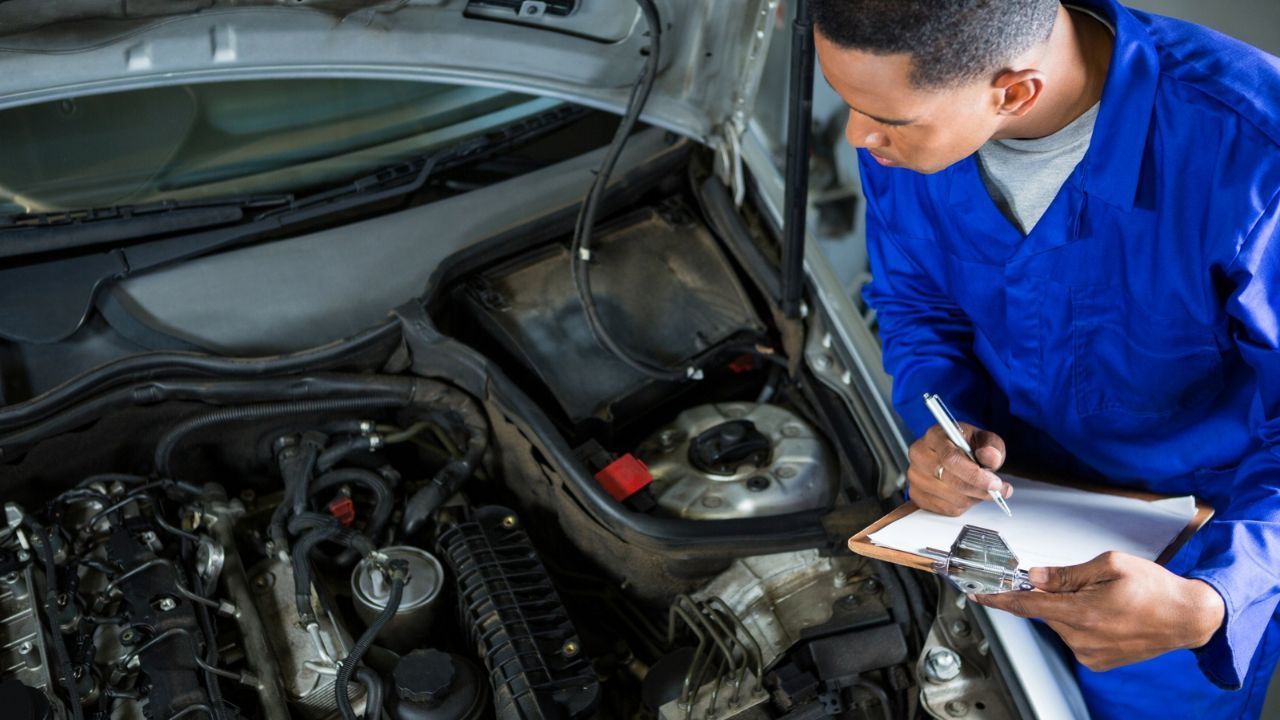
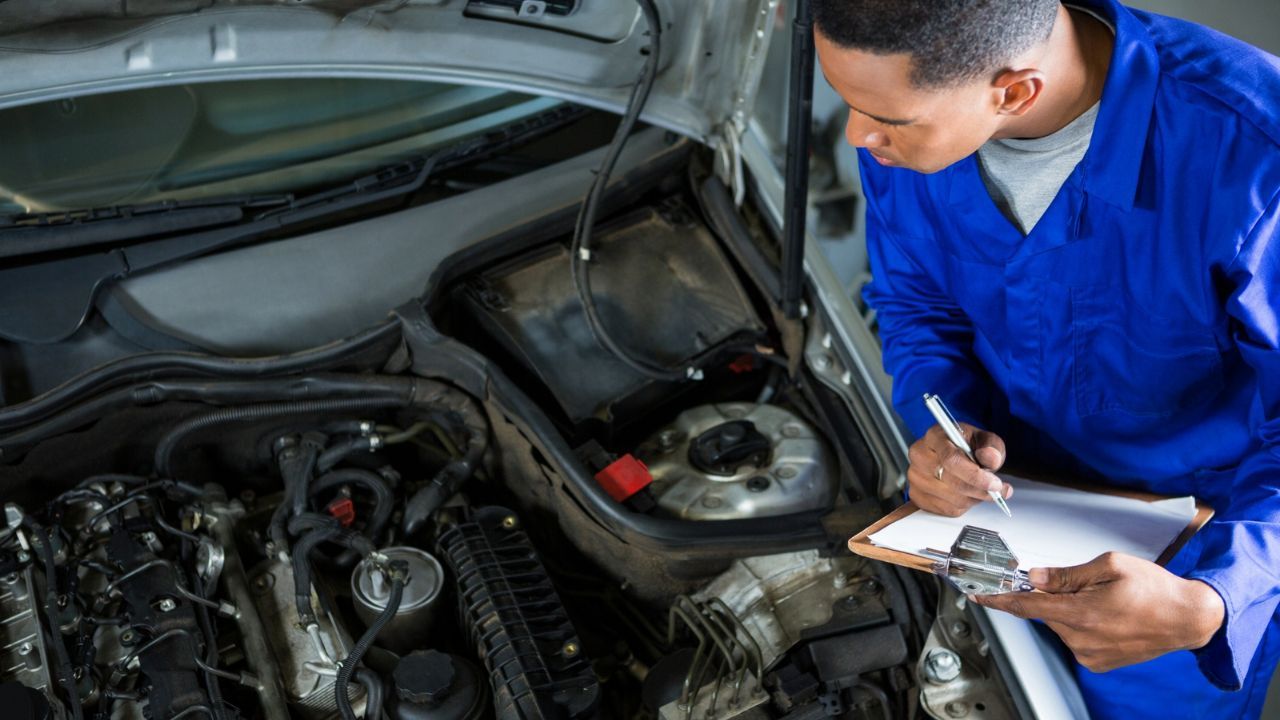
Vehicle technician filling out an inspection checklist next to an open car hood.

Read your car manual, check the two given limits and use the first one reached. For example, your car may need service every 7,500 miles or 12 months. Suppose you drive only 5,000 miles this year. Twelve months have now passed, so your service is due based on time.


Now imagine a different driver. They drive 8,000 miles in eight months. Their mileage limit came first. They should service the car now. This rule makes planning much easier.


Do not rely on mileage alone. Time still matters when your car sits often. This is common with cars used for short trips. Your owner's manual may also list severe driving conditions. These conditions can change service needs. Heavy traffic can be one example.


Why Time Matters as Much as Mileage


Mileage shows how far your car has traveled but it does not show how long parts have been aging. A car can sit for weeks and still need care. Fluids can age even when the odometer barely moves. Tires can also lose pressure while the car sits and batteries may weaken during long periods of inactivity. Rubber parts can also age with time.


Your car also faces weather changes throughout the year. Baltimore gets hot summers and cold winters. Those shifts can affect fluids, batteries, tires, and other parts. That is why time belongs in your maintenance plan.


Start With Your Owner's Manual


Since every car is different and every driver is different, you shouldn’t book another driver’s schedule. Before booking service, check your owner's manual. It contains the schedule made for your vehicle.


Your manual can list several service points. These may include oil changes, inspections, filters, fluids, and other work. Some vehicles use longer service intervals today while others still need more frequent checks.


So, what should you do first? Start with these simple steps:

  • Check your current odometer reading.
  • Find your last service date.
  • Check your last oil change.
  • Read the maintenance schedule in your manual.
  • Look for any warning lights.
  • Note any new sounds or driving changes.

This takes only a few minutes. It can also prevent missed service later.


Check Your Oil Change Date First


Oil changes are one of the first things to check. Engine oil helps protect moving engine parts, control heat and reduce friction. The right oil also depends on your vehicle. Therefore, always use the grade listed by the manufacturer.


Hamilton Tire & Car Care Center offers oil change services in Baltimore. Their technicians replace the oil filter during service and also check fluid levels and inspect for leaks or wear.  That makes an oil visit more than an oil drain and can become a useful maintenance checkpoint.


Hamilton offers several oil options for different vehicles. These include synthetic, high-mileage, and conventional oils. The correct choice depends on your vehicle and its needs. Do not pick oil based only on price. Check your owner's manual first.


You should also keep your last service date handy. Write it on your phone after each visit. This small habit makes future planning much easier.


What Should You Check Around 5,000 Miles?


There is no single 5,000-mile rule for every vehicle. Your manufacturer's schedule should always come first. Still, this mileage can make a useful checkpoint. Many drivers use it to review basic service needs.


Check your oil interval first and then check the tire service schedule. Look at the brake inspection guidance too. Your tires deserve attention at every service visit. Tire pressure affects handling and tire wear.


Hamilton provides tire pressure checks and tire service. The shop also offers tire rotation and inspections. Do not assume every tire needs rotation at one fixed mileage. Check your vehicle's manual for the correct interval. A quick check can reveal uneven tread wear and can also catch damage before a longer trip.


What About 10,000 Miles and 30,000 Miles?


At 10,000 miles, check your maintenance schedule again and don’t simply repeat the same service automatically. Your manual may list several checks at this point. The list depends on your vehicle and engine.


Some cars may need oil service while others may need filters or inspections. Some may have no major service due yet. This is why mileage ranges are only general guides. Your car may also need earlier attention under severe conditions. Frequent short trips are one example. Heavy traffic can be another.


On the other hand, the 30,000-mile mark often gets a lot of attention. Yet there is no universal 30,000-mile service package. Your vehicle may have different requirements. Some cars need several inspections at this point while others may need only a few scheduled items.


Your manual may list filters, fluids, spark plugs, or inspections and may give different intervals for each item. That can seem like a lot at first. Therefore, break the list into smaller tasks instead of memorizing every interval. You only need to track the next one.


What If You Drive Very Little?

Automotive technician performing routine maintenance on a car in a garage.

There is no single tune-up mileage for every car. Older vehicles may need service around 10,000 to 12,000 miles. Some newer cars can go 25,000 to 100,000 miles between tune-up-style services. Other sources put modern intervals closer to 60,000 to 100,000 miles. The wide range comes from different engines and plug types.


Sound like a wide range? It is. Your owner's manual matters more than a generic chart. Modern manuals usually list each service separately. They may never use the word "tune-up" at all.


Driving conditions also matter. Baltimore traffic can mean frequent stops and short trips. Harsh weather can add more strain too. These conditions may affect service needs. Do not use a yearly tune-up rule without checking the car's schedule.


In 2026, Maryland also requires eligible vehicles to complete VEIP testing every two years. Baltimore City and Baltimore County are among the areas covered. New qualifying vehicles get their first test later. The emissions test is not a tune-up, though.


Signs Your Car Needs a Tune-Up


Your car usually gives clues first. Pay attention to changes in how it starts or runs. A flashing check engine light needs prompt attention. Do not treat it like a routine reminder.


If you see any light flashing, do not drive it. Other signs can wait for a shop visit. Some still deserve quick action.

  • Stalling or repeated misfires: Get the car checked soon.
  • Rough idle or hard starts: Book a diagnostic visit.
  • Sharp drop in fuel mileage: Check ignition and fuel systems.
  • Slow acceleration: Look for engine or airflow issues.
  • New warning lights: Scan the system before replacing parts.


Do not blame every symptom on spark plugs. Brakes, tires, sensors, and suspension parts can create similar complaints.


How Much Does a Car Tune-Up Cost?


The price depends on the work included. Published sources show very different ranges. Direct Auto lists basic tune-ups at $50 to $150. It lists broader work at $200 to $800. 


For 2026, a practical way to read those figures is simple:

  • Basic: Lower cost when only a few parts need service.
  • Standard: More parts, checks, fluids, or labor.
  • Comprehensive: Several services can push costs into hundreds.

Labor rates and plug access can change the final number. A tight engine bay may take longer. Luxury and performance cars can cost more too.


How to Read a Tune-Up Quote


Ask for the estimate in writing before work starts. Look for parts, labor, and separate services. Then compare scheduled work with inspection findings. This helps you see what the car actually needs.

Ask the shop these questions:

  • Which items are due by the factory schedule?
  • Which items were found during the inspection?
  • What parts will be replaced?
  • Can the old parts be shown after removal?


A clear quote should not feel like a guessing game. If a line is unclear, ask about it.


Final Thoughts


A modern tune-up is not one fixed service. The work should match your car's age, mileage, symptoms, and factory schedule. A good estimate makes those choices clear. It also separates needed service from extra repairs.


For Baltimore drivers, local traffic and weather add another reason to stay alert. VEIP testing can provide another useful checkpoint. Still, it does not replace normal maintenance.


FAQs

Q1: How long does a tune-up take?

Most tune-ups take two to four hours. The job can take longer with tight plug access. Extra parts and added tire work can also add time.


Q2: Do electric cars need a tune-up?

Electric cars skip most of this list. They have no spark plugs or engine oil. They still need tires, brakes, filters, and other scheduled checks. Their service plan should follow the vehicle maker's manual. Hamilton also offers electric vehicle service for Baltimore drivers.


Q3: What are signs I need a tune-up?

Common signs include rough idling, hesitation on acceleration, reduced fuel economy, difficulty starting, illuminated check-engine light, or unusual engine noises.


Q4: Will a tune-up improve gas mileage?

Yes, if worn components (like spark plugs or a clogged air filter) are replaced and fluids are corrected, you can see noticeable improvements in fuel efficiency and throttle response.

By jkram200 • October 15, 2026
What does a car tune-up include? Learn about seven essential services, tune-up intervals, warning signs, costs, and what to ask your mechanic.
By jkram200 • October 14, 2026
What is ADAS calibration and why does it matter? Discover when calibration may be needed after windshield, collision, alignment, or sensor repairs.
By jkram200 • October 7, 2026
Learn the ABS light on meaning, 5 common causes, safety risks, and what to do when this critical warning appears on your dashboard.
By jkram200 • October 7, 2026
Learn how often to change a cabin air filter, plus 5 warning signs, mileage tips, and driving conditions that may mean your filter needs replacing sooner.
By jkram200 • October 7, 2026
Discover 7 serious causes of car overheating, from low coolant to radiator problems. Learn the warning signs, quick checks, and safe solutions.
By jkram200 • September 16, 2026
Discover 9 warning fuel pump symptoms, including hard starting, whining, stalling, and power loss. Learn when your car needs immediate attention.
By jkram200 • September 16, 2026
Find out how long a car inspection takes and discover 8 quick tips to avoid delays, prepare your vehicle, and make your inspection visit easier.
By jkram200 • September 16, 2026
Discover 7 common causes of car overheating, warning signs, and smart fixes before a serious engine problem becomes costly.
By jkram200 • September 11, 2026
Review the Maryland state inspection checklist, learn which vehicles need inspection, what mechanics check, and how to prepare your car to pass.
By jkram200 • September 11, 2026
Compare air filter vs cabin air filter differences, functions, warning signs, and replacement needs to keep your engine and cabin air clean.
Show More