


Common Check Engine Light Codes and What They Mean
Checking engine light codes tell you why your car’s brain is unhappy, and most of the time, they are warnings, not emergencies.
The light turns on because there is something wrong and the vehicle is just trying to give you a signal to check it. You’ll only be able to diagnose the problem if you know what the light code means.
So, let us walk through the most common check engine light codes, what they really mean, and when it makes sense to book professional help instead of guessing.
What Are Check Engine Light Codes And Why They Exist
Checking engine light codes are standardized messages stored in your car’s computer when it senses a problem. Think of them as a doctor’s notes rather than the diagnosis itself. The code points to a system, not always the exact broken part.
Most modern cars use OBD II codes. Each code starts with a letter and four numbers. The letter tells you the system. The numbers narrow the issue. You do not need to memorize them. You only need to understand the pattern.
Is it Safe to Drive With the Check Engine Light On
This is the real decision moment. The answer depends on how the light behaves and what the car feels like.
If the light is steady and the car drives normally, you usually have time. If the light flashes, pull over and shut it down. Flashing often means a severe misfire that can damage the catalytic converter fast.
Common Check Engine Light Codes List and What They Mean
Below are the codes mechanics see every week. This check engine light codes list is not meant to scare you. It is meant to give you clarity.
Misfires P0300 to P0308
Misfire codes from P0300 to P0308 indicate that one or more cylinders are firing the way they should.
P0300 means there is a random misfire and jumps between cylinders. On the other hand, P0301 to P0308 point to a specific cylinder, like P0301 for cylinder one.
The most common causes for this check engine light codes are worn spark plugs, failing ignition coils, or damaged plug wires, especially on higher-mileage vehicles.
It could be risky to drive with these indications for too long because unburned fuel can overheat the catalytic converter, turning a simple tune-up into a costly repair, which is why these codes deserve attention sooner rather than later.
P0171 and P0174 System Too Lean
These codes mean the engine is getting too much air or not enough fuel. It is common and often affordable to fix.
Possible causes include vacuum leaks, dirty mass airflow sensors, or weak fuel delivery. I once drove for weeks with this code thinking it was nothing. Fuel mileage dropped and the engine felt weak. A simple intake hose crack was the culprit.
P0300 Random or Multiple Cylinder Misfire
This code means combustion is uneven. The engine is missing beats. Sometimes it is one spark plug. Sometimes it is deeper.
Misfires stress the engine and exhaust system. Driving too long with this code can turn a small tune up into a big repair.
Common reasons include worn spark plugs, failing ignition coils, or fuel issues.
P0401 for Insufficient EGR

P0401 light code means the engine is not getting enough EGR (Exhaust Gas Recirculation), which is the system designed to lower combustion temperatures and reduce emissions.
When EGR flow is too low, the engine can run hotter than intended, sometimes causing pinging, rough idle, or hesitation during acceleration.
This usually happens because carbon buildup blocks the EGR passages, the EGR valve is stuck closed, or the control solenoid is not responding.
Cleaning the EGR system often fixes the issue, and catching it early is far cheaper than replacing major components later.
P0420 Catalytic Converter Efficiency Below Threshold
This is one of the most misunderstood check engine light codes. Many people assume the converter is dead. Often it is not.
The code means the exhaust readings before and after the converter look too similar. That can happen due to exhaust leaks, sensor problems, or engine misfires upstream.
Before replacing anything expensive, a proper diagnostic scan is essential.
P0442, P0455, and P0440 EVAP System Leak
These codes point to fuel vapor leaks. The most common fix is also the cheapest. A loose or cracked gas cap.
We have personally cleared this code by simply tightening the cap after a fill up. If it comes back, then hoses or purge valves may need attention.
Clues include fuel smell or difficulty filling the tank.
P0128 Coolant Temperature Below Thermostat Regulating Temperature
This code tells you the engine is not warming up as expected. It often means a stuck open thermostat.
The car still runs, but fuel economy drops and engine wear increases over time. Cold engines are inefficient engines.
Why Diagnostics Matter More Than Guessing
Here is where many drivers go wrong. They google the code, replace the most common part, and hope for the best. Sometimes it works. Often it does not.
Professional diagnostics look beyond the code. They test sensors, verify readings, and confirm the real cause. This saves money in the long run.
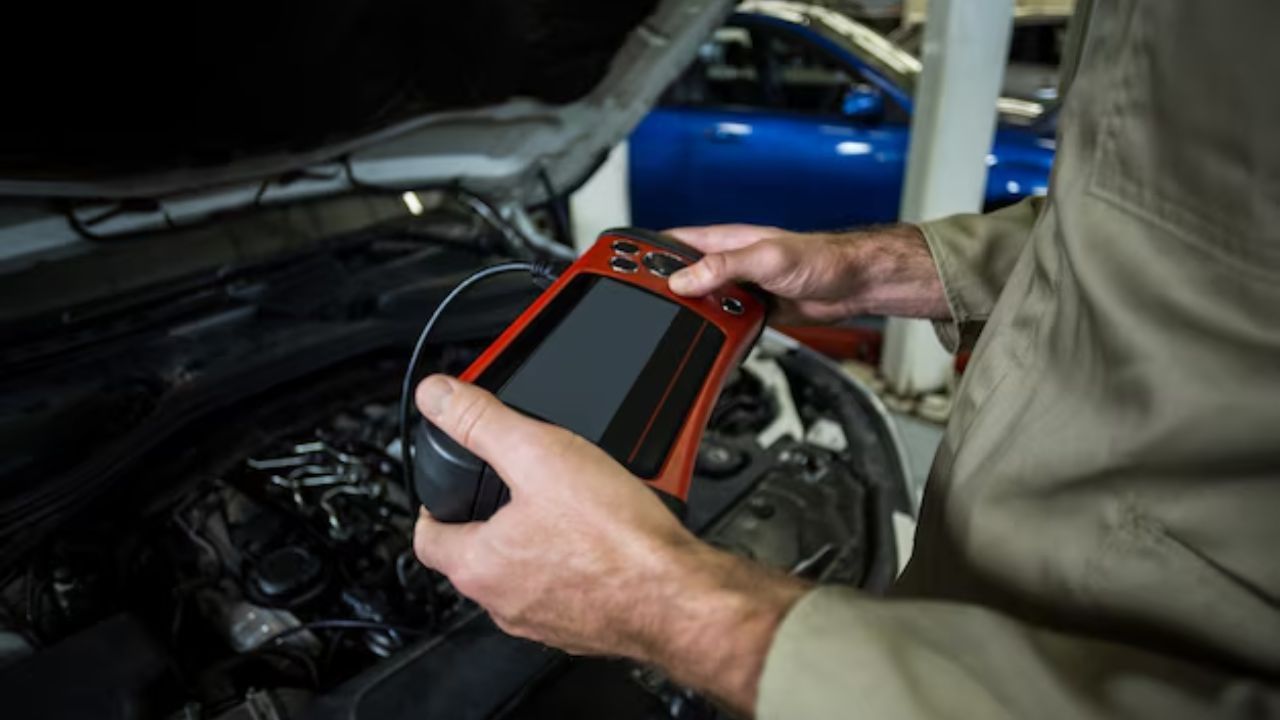
At places like Hamilton Tire, technicians use advanced scan tools that read live data, not just stored codes. That difference matters when codes overlap or hide deeper problems.
Services That Directly Help With Check Engine Light Issues

Not every warning light fix is about replacing parts. Some of the most effective services focus on prevention and system health. Here are three services that directly tie into resolving check engine light codes.
Check Engine Diagnostics
This is the first and most important step. Diagnostics identify the real cause behind the code, not just the symptom. A proper diagnostic session checks sensors, wiring, fuel trims, and engine data.
Oil Change and Engine Maintenance
Low oil quality or overdue oil changes can trigger timing, camshaft, and performance related codes. Clean oil keeps sensors accurate and parts moving freely.
Regular oil service prevents many codes before they ever appear.
Brake and Safety Inspections
This surprises people, but modern cars link multiple systems. Faulty wheel speed sensors or electrical issues in brake systems can trigger engine related warnings.
A full safety inspection often catches shared electrical faults early.
Beginner Mistakes to Avoid With Check Engine Light Codes
Learning from others saves pain. Here are some common mistakes people tend to make especially if they are a beginner with check engine light codes:
- Clearing the code without fixing the cause.
- Replacing parts based only on internet guesses.
- Ignoring flashing lights.
- Driving months with poor mileage and blaming fuel prices.
Thinking Points Before Your Next Drive
Cars talk to us through lights and codes. The trick is listening without panic.
Once you understand how check engine light codes work and what they point to, the dashboard feels less like a threat and more like a helpful nudge.
So, the next time that light clicks on, will you ignore it again or finally ask what it is trying to tell you?