Common Signs of a Bad Driveshaft and When to Repair It
A bad driveshaft shows up as vibration, noise, or poor handling, and you should not ignore it for long. Most drivers don’t think about the driveshaft. It works quietly under the car, but once it starts failing, you will feel it quickly.
Many people wonder whether it is a serious problem and whether you need the repair now. If you’re one of them, we’ll break that down in a clear, practical way.
What the Driveshaft Does and Why It Matters
The driveshaft transfers power from the engine to the wheels. Without it, your car cannot move.
It spins fast and handles a lot of force. That means even small damage can cause problems. Think of it as a link in a chain. If one link weakens, the whole system suffers.
That’s why early signs matter more than most people expect.
Common Signs You Need Driveshaft Repair
Most issues start small. You feel something different before anything breaks. Pay attention to these signs.
1. Vibration While Driving
If your car shakes or vibrates, especially at higher speeds, your driveshaft could be out of balance.
You may feel it in:
- The seat
- The floor
- The steering wheel
If the vibration increases with speed, take it seriously. It often means the driveshaft is unbalanced.
2. Clunking Noise When Shifting
If you ever hear a clunk sound when changing gears or accelerating is not normal. That’s a classic sign of a bad driveshaft.
It often points to worn U-joints (universal joints), which connect parts of the driveshaft. When they wear out, they create looseness, and when they loosen, they create play in the system. That looseness causes the clunk.
3. Difficulty Turning or Handling
Does your car feel unstable while turning? That’s a warning sign. A damaged driveshaft affects power flow. This happens because the driveshaft helps manage torque distribution. When it’s off, your car doesn’t respond smoothly.
This can make steering feel off or delayed. It’s subtle at first. But it can become dangerous very quickly.
4. Squeaking at Low Speeds
A squeaking noise often appears early. A high-pitched squeak at low speeds often signals worn U-joints. You may hear it while driving slowly or starting the car.
It sounds minor, so it’s easy to ignore but it’s not, and often leads to bigger issues. But this is one of the earliest signs that driveshaft repair may be needed. Think of it as your car whispering before it starts shouting.
5. Visible Damage Under the Car
Sometimes you can see the problem. This is only seen if you look under your car and notice:
Check for:
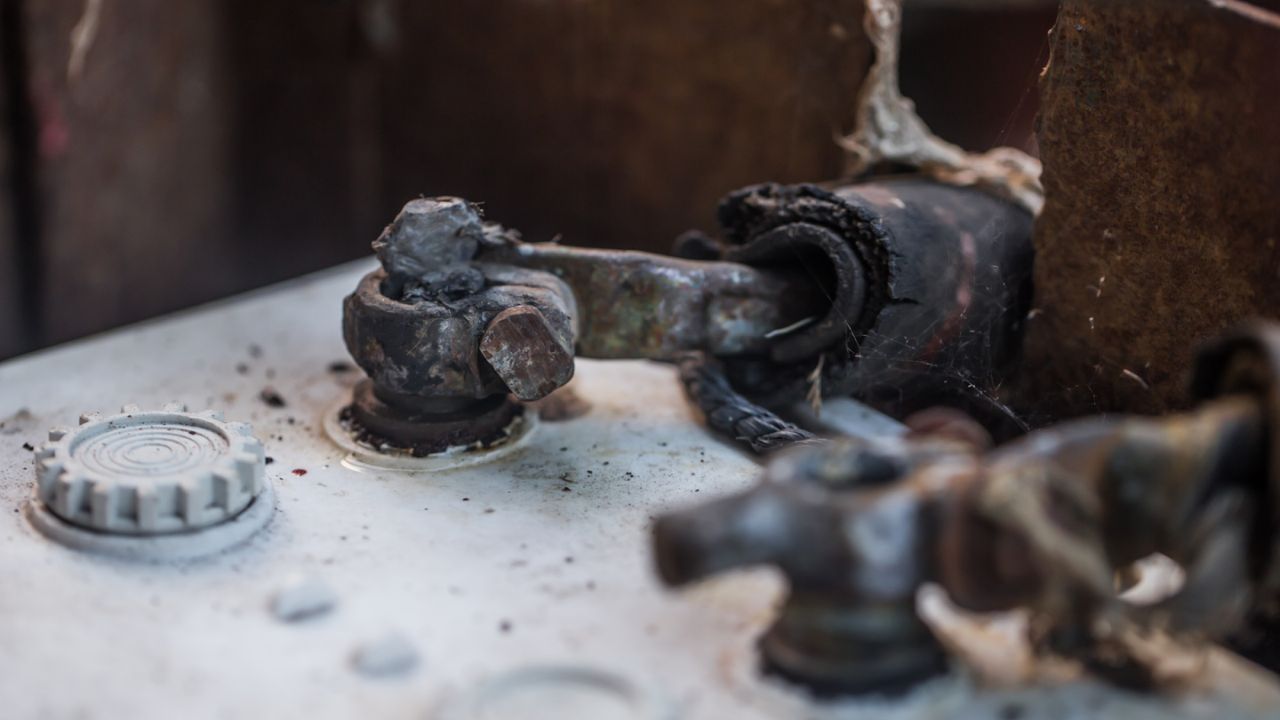
- Rust on the shaft
- Dents or bends
- Loose components
Physical damage weakens the driveshaft. It should be inspected right away.
Why You Should Not Ignore These Signs
Many drivers delay repairs. The car still moves, so it feels safe. But the driveshaft connects key systems. If it fails, it can damage:
- The transmission
- The differential
- Other drivetrain parts
In rare cases, it can even break while driving. That’s a serious safety risk.
Fixing early always costs less than fixing later.
When Should You Get Driveshaft Repair?
This is where most people hesitate. You don’t need to panic at the first noise. But you should not ignore consistent symptoms.
Here’s a simple way to decide:
- Vibration getting worse → get it checked soon
- Clunking noise → do not delay
- Handling feels off → schedule inspection
- Visible damage → repair immediately
If your car feels different, it needs attention. That’s a good rule to follow.
What Happens During Driveshaft Repair
Most repairs are not complicated if caught early. People often worry about cost or complexity. But most driveshaft repair jobs are straightforward when caught early.
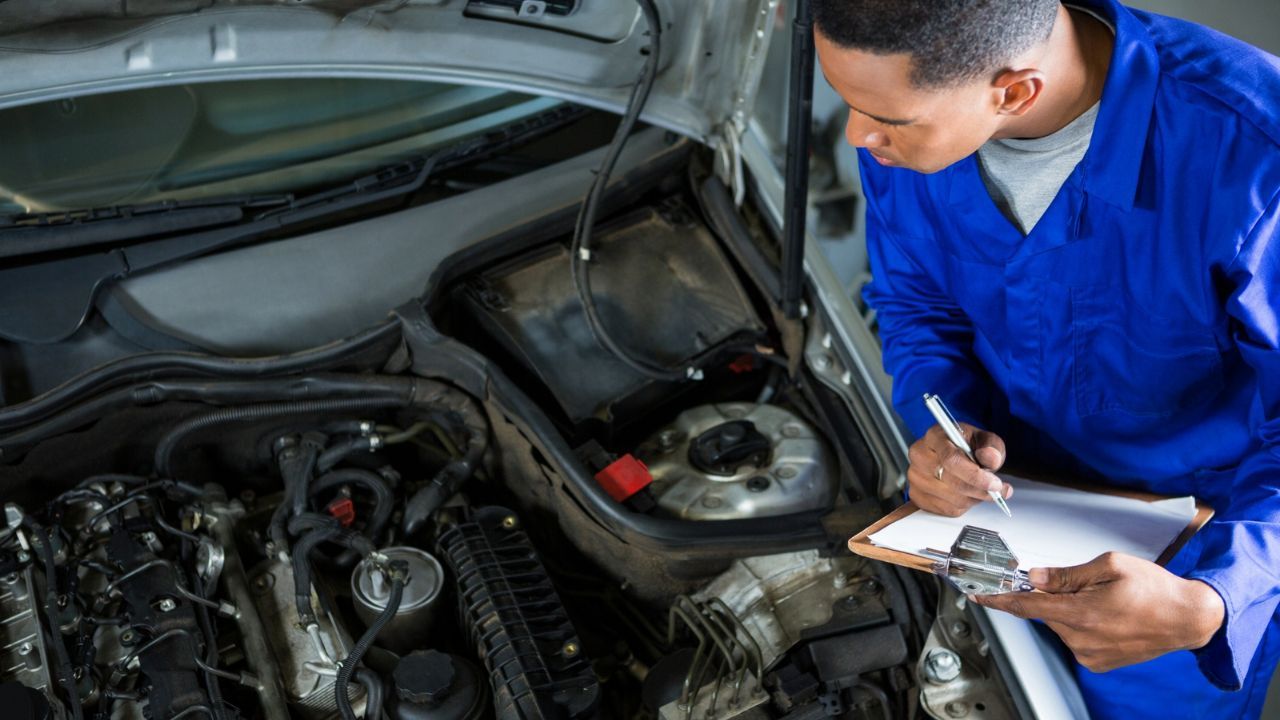
A technician will:
- Inspect the driveshaft
- Check U-joints and alignment
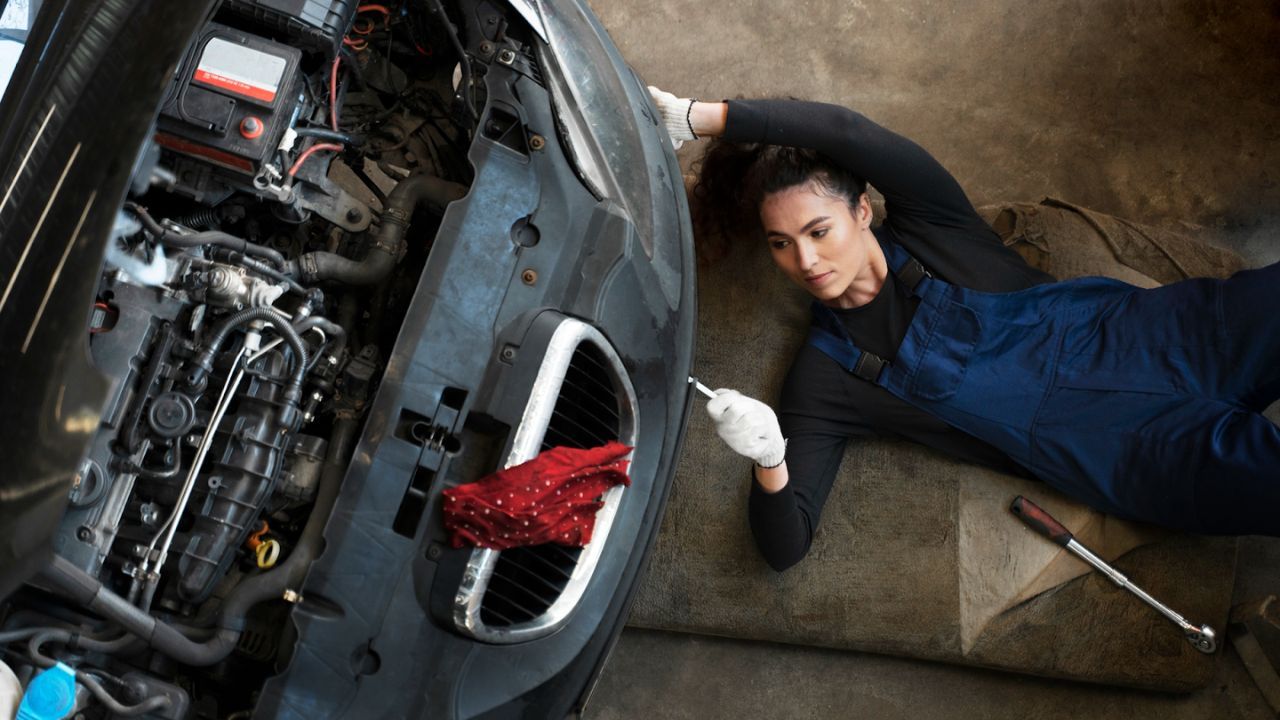
- Replace worn parts
- Test the vehicle
In many cases, only small components need replacement.
At Hamilton Tire Car Care Center, this service is part of a full drivetrain check. That helps catch related issues early.
Can You Keep Driving With a Bad Driveshaft?
This is one of the most common questions but honestly this depends on the symptom.
- Mild vibration → short drives may be okay
- Loud clunking → avoid driving
- Poor handling → unsafe to continue
- Visible damage → do not drive
The problem can worsen quickly. Waiting too long often leads to bigger repairs.
What Causes Driveshaft Problems?
Understanding the “why” helps you avoid future issues. Most issues come from normal wear. But other factors also play a role.
Common causes include:
- Lack of lubrication
- Rough roads
- Heavy loads
- Accidents
- Poor maintenance
If you drive in tough conditions, your driveshaft works harder.
How to Prevent Driveshaft Issues
You don’t need to be a car expert to protect your vehicle. A few simple habits go a long way and prevention is simple if you stay consistent.
- Get regular vehicle inspections
- Listen for new sounds
- Avoid aggressive driving
- Fix small issues early
These habits reduce long-term costs and stress.
Is Driveshaft Repair Worth It?
This is where many people hesitate and to be honest this is a common concern. They think whether they need the repair now or if it can wait a few months.
In most cases, early repair is the better choice because it:
- Protects expensive parts
- Improves driving comfort
- Keeps you safe
Delaying often increases the final cost.
Never Ignore Bad Driveshaft
Even after taking good care of your car, you might face problems in the driveshaft. You don’t need to be an expert to spot a problem. You just need to notice when your car feels different. The sooner you act, the easier the fix becomes.
Just look at the vibrations and noises of your car, as these are the early signs of danger. Driveshaft can affect safety performance and if the common signs are ignored, you might have to pay a hefty amount for the repair. Remember, your car gives signals before failure.
The real question is simple. Are you paying attention?
FAQs
Q1: How long does driveshaft repair take?
Most repairs take a few hours. Complex cases may take longer.
Q2: What causes driveshaft vibration?
Usually imbalance, worn U-joints, or alignment issues.
Q3: Can I drive with a bad driveshaft?
Short drives may be possible, but it is risky.
Q4: How often should I check the driveshaft?
During routine service or when symptoms appear.
Q5: Is driveshaft repair expensive?
Minor repairs are affordable. Major damage costs more