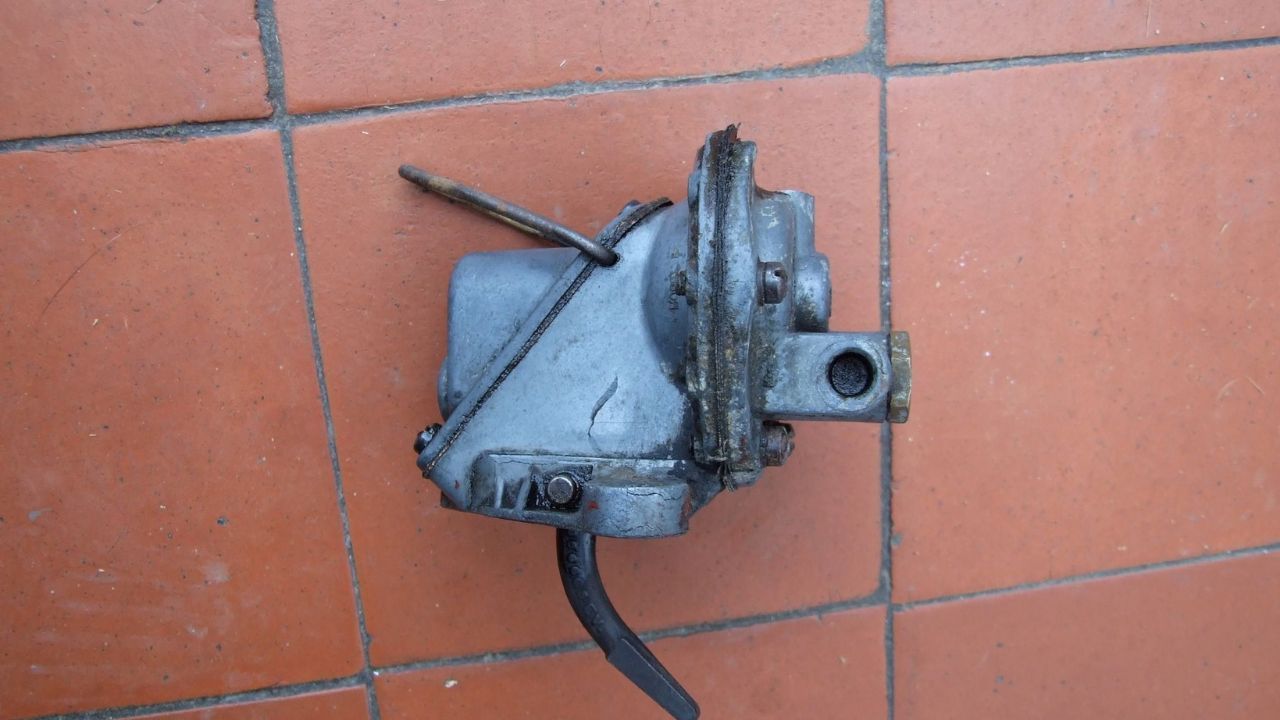
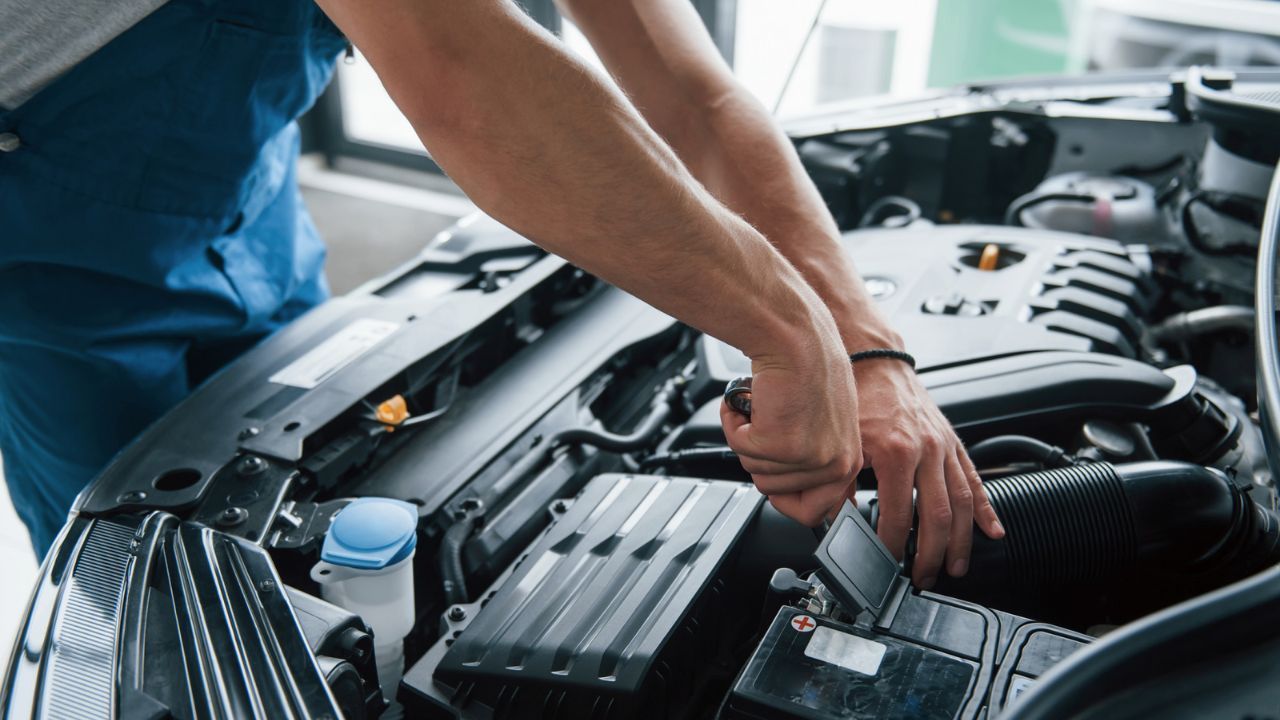
Fuel pump issues symptoms often become worse when the pump works under poor conditions. Low fuel is a major concern because many in-tank pumps rely on surrounding fuel for cooling. Contaminated fuel can also damage fuel system parts. Electrical faults can stop a healthy pump from working. Normal wear also matters as mileage climbs.
Common causes include:
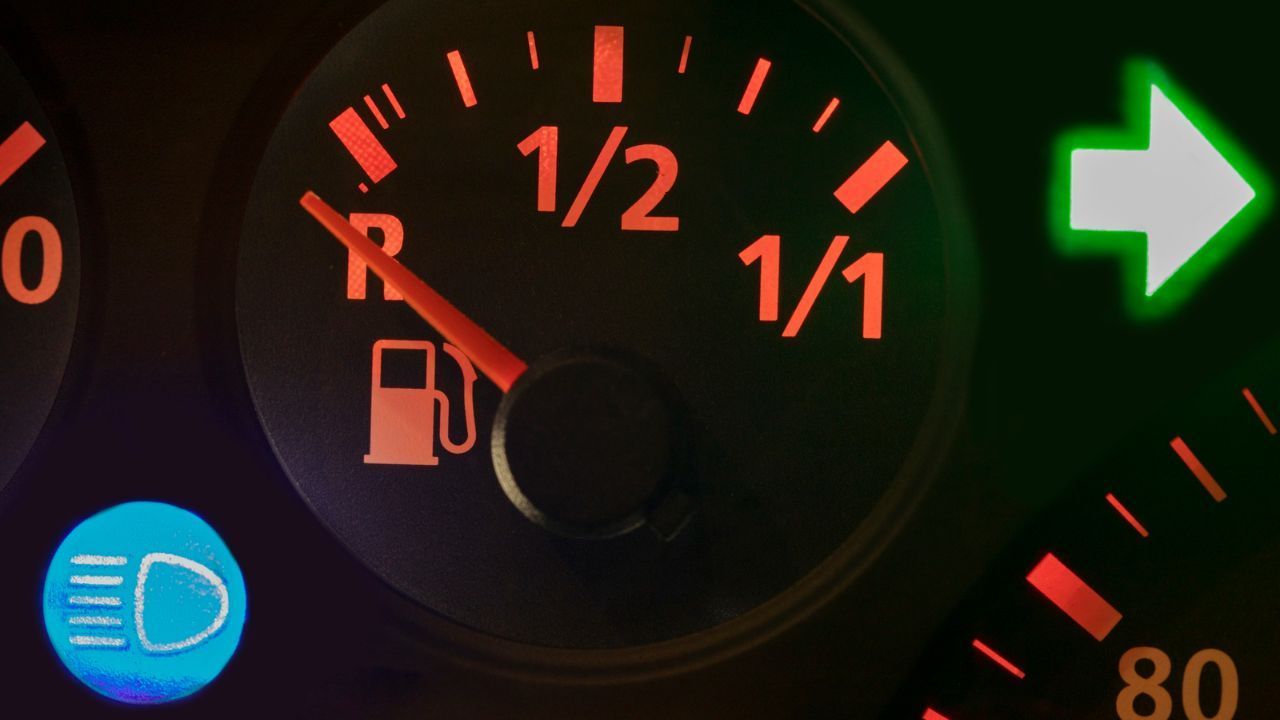
- Very low fuel levels: Frequent near-empty driving can add heat and stress.
- Contaminated fuel: Dirt or water can harm fuel system parts.
- Electrical faults: A bad relay, fuse, connector, or wiring can stop pump operation.
- Normal wear: Pumps can weaken after years of use and many miles.
The fix starts with finding the cause, not just changing the part.
How Urgent Is Each Symptom?
Failing fuel pump symptoms do not all carry the same risk. A faint new pump whine in your driveway is different from an engine that stalls in traffic. You can usually arrange a prompt shop visit for mild symptoms such as a new whine, longer starts, or slight power loss. Keep trips short if the problem is getting worse.
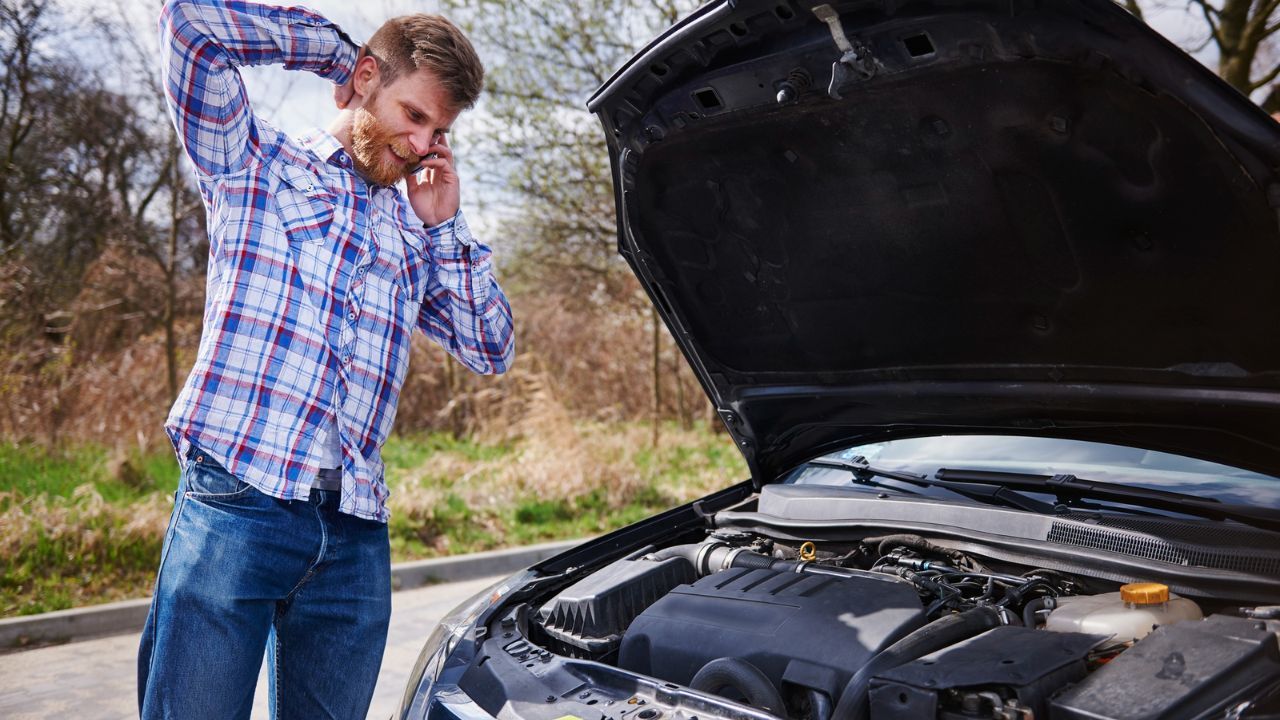
Stalling changes the picture. So does a car that loses power during a highway merge. Would it be worth risking a breakdown just to delay a repair? Usually not.
Stop driving and seek help if you have:
- Repeated stalling: The engine can shut off without warning.
- Crank-no-start: The car may leave you stranded without notice.
If the car stalls on a busy road, focus on getting to a safe place first. A tow is often safer than trying to nurse the vehicle to a shop.
How to Tell If Fuel Pump Is Bad: Quick Tests
Knowing how to tell if a fuel pump is bad starts with simple checks, not guesswork. Even now a basic listen-and-check test still offers a useful first clue before a shop visit.
Turn the key to the "on" position without starting the engine. Many vehicles produce a brief two-to-three-second pump sound near the tank. No sound can point to a pump, fuse, relay, wiring, or control issue.
A professional test can go much further.
- Listen for the prime: A brief hum is common on many vehicles.
- Check the fuse and relay: A failed electrical part can mimic pump failure.
- Test fuel pressure: A pressure gauge can compare actual pressure with the vehicle's required specification.
Do not treat 30 to 60 PSI as a rule for every car. Port-injected engines often use pressures in that general range, while direct-injection systems can use much higher pressure. The correct specification comes from the vehicle maker.
Hamilton Tire and Car Care Center offers
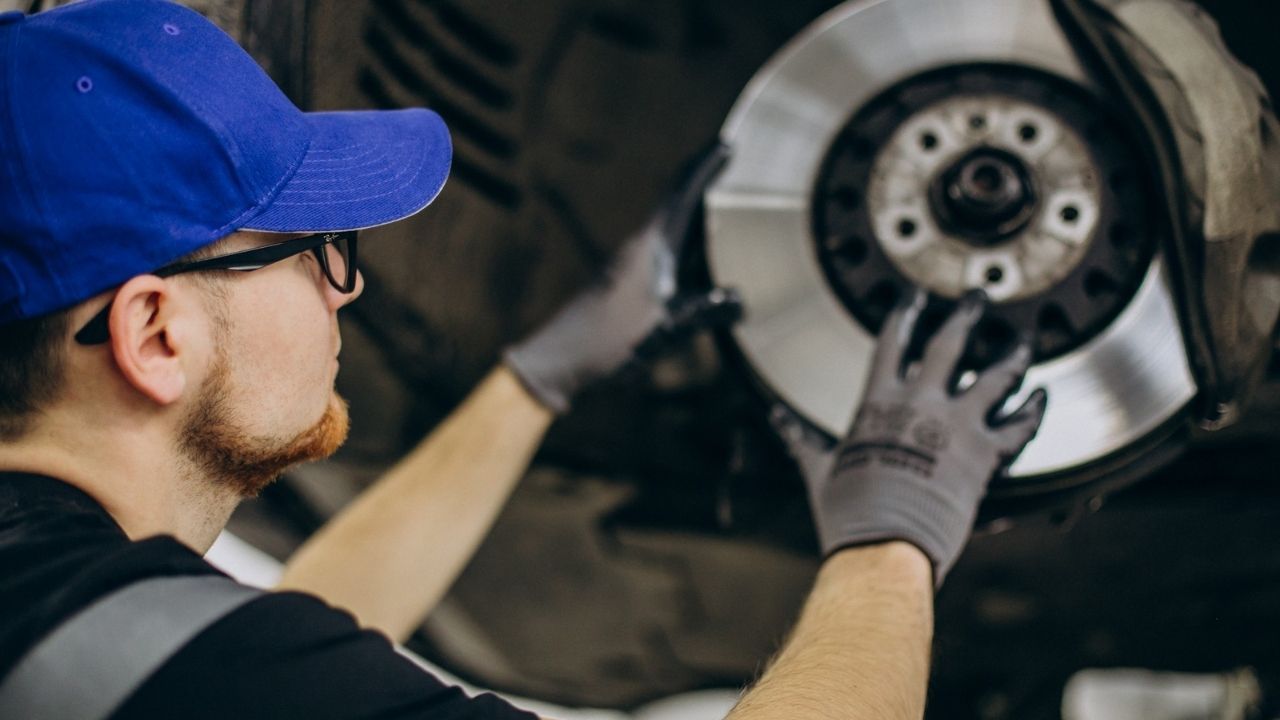
Fuel System Service, where ASE-certified technicians inspect pumps, filters, injectors, and fuel lines. The shop also offers
Vehicle Diagnostics to help pinpoint electronic and engine faults.
Symptoms That Aren't Actually the Fuel Pump
A bad pump is only one possible cause of these symptoms. Several other parts can create almost the same driving complaints. A clogged fuel filter can restrict fuel flow while a bad relay can stop a good pump from running. Dirty or faulty injectors can also cause rough running, hesitation, and poor power.
That is why testing matters before buying parts.
- Fuel filter: It can cause sputtering, hard starts, and weak power.
- Fuse or relay: It can cause a sudden no-start with a healthy pump.
- Fuel injectors: It can cause rough running, hesitation, and poor acceleration.
The right diagnosis can save the cost of the wrong repair.
Know the Signs Before You Get Stranded
Fuel pumps rarely fail without giving some warning, even when the early signs seem easy to ignore. Longer starts, highway sputtering, weak acceleration, unusual pump noise, and stalling can all deserve attention.
The smart move is not to replace parts based on one symptom. Look for patterns, test the fuel system, and rule out cheaper causes first. If the signs are getting worse, professional testing can prevent a roadside surprise.
FAQs
Q1: Can you drive with a bad fuel pump?
You may be able to drive briefly with mild warning signs, but continued driving carries breakdown risk. Stalling, major power loss, or a no-start condition calls for prompt repair.
Q2: How much does fuel pump replacement cost?
Total fuel pump replacement can often run about $200 to $1,250, including parts and labor. The actual price varies by vehicle, pump location, parts choice, and local shop rates.
Q3: How long does a fuel pump usually last?
Many electric fuel pumps can last around 100,000 to 200,000 miles, but there is no fixed lifespan. Fuel quality, driving habits, vehicle design, and maintenance all affect service life.
Q4: Will a bad fuel pump always trigger the check engine light?
No. A weak or failing pump does not always turn on the check engine light. A scan can still help when the light appears, but fuel pressure testing may also be needed.