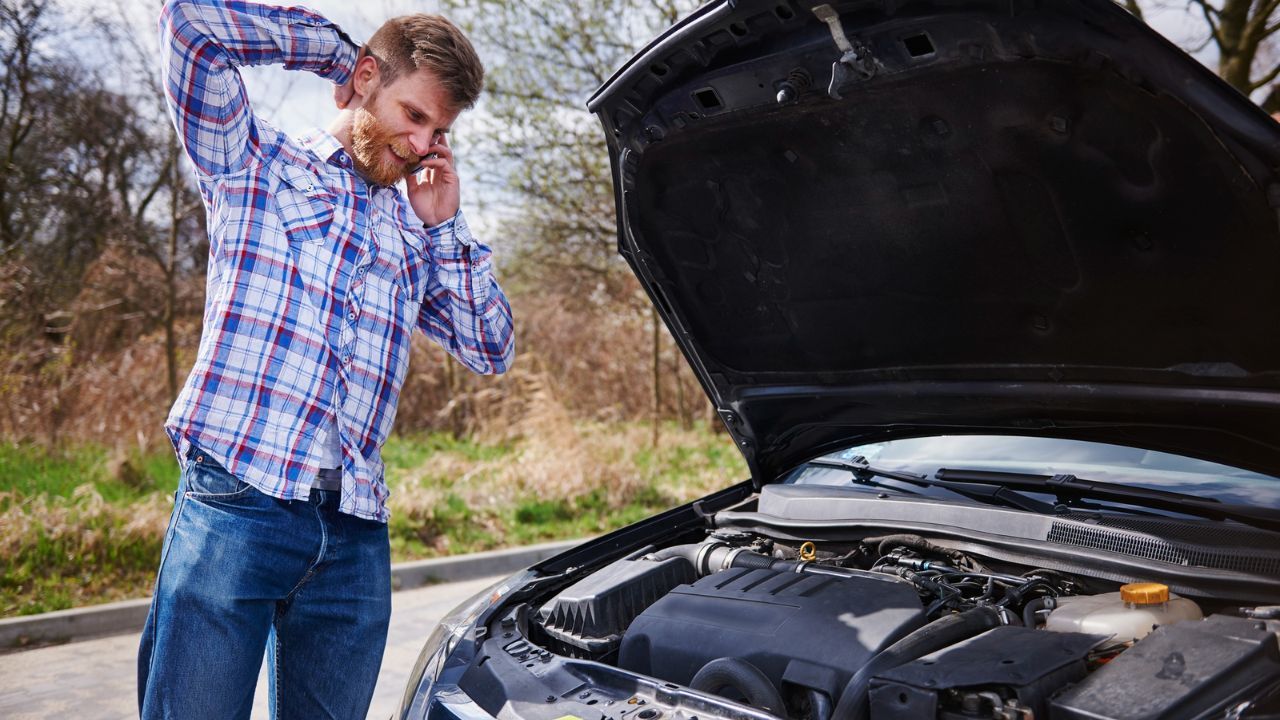
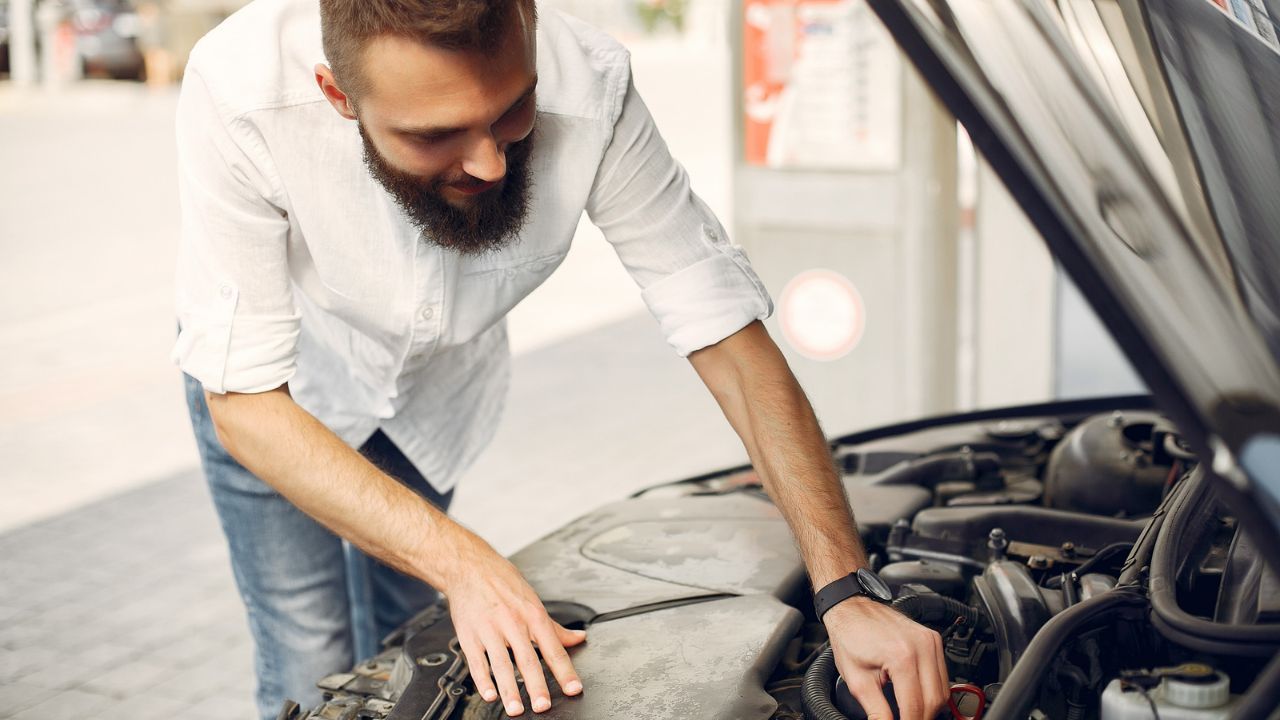
ADAS calibration is a process that aligns vehicle sensors correctly. The technician follows the car maker’s required calibration steps. Your vehicle may use cameras, radar, lidar, or other sensors. These parts help different driver assistance systems work together.
A forward camera may watch lane markings ahead. Radar may measure the distance from another vehicle. Other sensors may watch areas beside or behind your car. Each sensor needs the correct position and angle. Calibration helps restore those settings after certain repairs.
Why Does ADAS Calibration Matter?
ADAS features can help drivers react to road risks. They are useful, but they cannot replace careful driving. These systems depend on precise information from their sensors. If that information is wrong, the system may react differently.
For example, a camera may no longer read lane lines correctly. A radar sensor may also sit outside its required position. That can create false warnings in some cases and also affect how an assistance system operates.
This is why proper calibration matters after certain repairs. You want the system to read the road as intended.
Hamilton Tire and Car Care Center follows manufacturer protocols, and its technicians calibrate radar, lidar, and camera systems.
1. Windshield Replacement Can Require Calibration
A windshield does more than protect you from wind. Some cars mount an ADAS camera near its top edge. That camera may support several safety features. These can include lane warnings and automatic emergency braking.
Replacing the windshield can change the camera’s setup. The new glass can also affect its view. Some vehicles then require a calibration procedure, while others may have different steps or requirements.
This is why you should mention ADAS before replacing your windshield. The glass shop or repair shop can check your vehicle requirements.
2. Collision Repairs Can Affect ADAS Sensors
A small crash can cause more trouble than you can see. Some sensors sit behind bumpers or other body parts. A bumper may look fine after a light impact, yet a sensor behind it could shift slightly. That small change may affect the sensor’s readings. This is especially important with radar-based systems.
The same concern applies after some body repairs. Sensor mounts may need removal or adjustment during the work. Your technician should check the manufacturer’s repair instructions. The need for calibration depends on the affected system.
Some manufacturer procedures list bumper work as a calibration trigger. Suspension repairs and sensor replacement can also matter.
3. Wheel Alignment Can Affect ADAS Work
Wheel alignment and ADAS calibration are not the same service. Still, the two can sometimes be connected. Alignment sets your wheels to the correct angles. These angles affect how your vehicle moves down the road.
ADAS systems also depend on the vehicle’s position. Certain repairs can change that position or steering geometry. That is why some vehicles may need calibration after related work. But wheel alignment does not always mean calibration is needed.
Avoid anyone who says every alignment needs calibration. Instead, ask why your specific vehicle needs it. A proper answer should refer to manufacturer requirements.
4. Calibration Can Use Different Methods
There is no single calibration method for every vehicle. Different cars use different sensors and procedures. Some vehicles require static calibration, which takes place inside the repair shop.
The technician places the vehicle in a controlled position. Special targets or tools may then be used; other vehicles may need dynamic calibration. This process can involve driving the vehicle.
Some vehicles may require both types of calibration. The correct method comes from the manufacturer’s service information. The setup can also require careful preparation. The floor, lighting, vehicle position, and sensor area may matter.
Manufacturer procedures can include very specific setup rules. One example requires correct alignment with calibration equipment. That is why calibration should not be treated like a quick reset. It requires the right tools and process.
5. Warning Lights Can Give You a Clue
Your dashboard can sometimes tell you when something changed. Some ADAS faults can trigger warning messages or lights. You may see a message about a camera or safety system. Your car may also disable a feature temporarily.
Do not ignore these warnings just because the car still drives. The system may have detected a sensor or software problem. There is another important point here. Not every warning means calibration is needed.
The cause could involve a dirty sensor or another fault. Diagnostics may be needed before calibration can begin. Hamilton offers
vehicle diagnostics
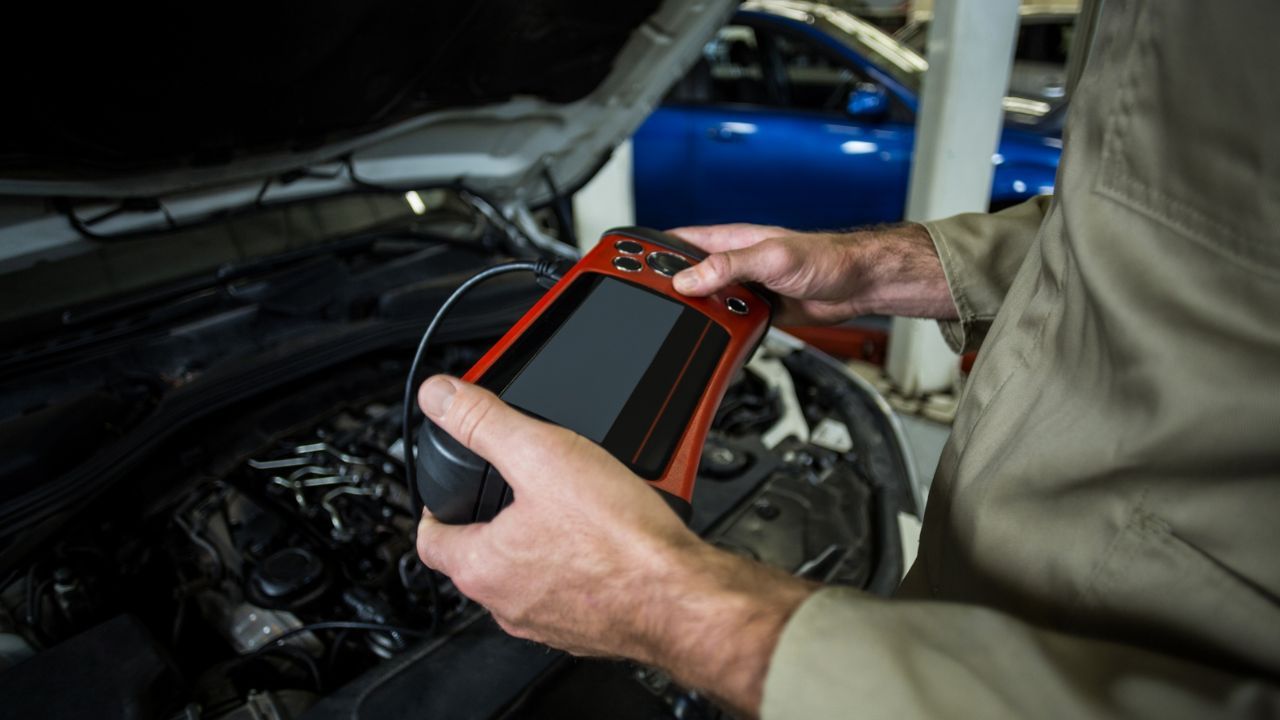
for electronic system problems. Its technicians use scan tools to read codes and assess sensor data. That makes diagnostics a useful first step when the cause is unclear.
6. Calibration Does Not Replace Safe Driving
ADAS systems can make driving easier in certain situations. Still, they are not self-driving systems. You should keep your eyes on the road. You should also stay ready to control the vehicle.
Features can have limits based on weather and road conditions. Snow, rain, dirt, glare, and poor markings can affect sensors. A dirty camera area can also reduce visibility. Keep sensor areas clean when your vehicle allows it.
Always read your owner’s manual for system limits. Your vehicle maker explains how each feature should be used. Calibration helps the system work within its designed setup. It does not remove the need for driver attention.
7. Ask Questions Before Paying for Calibration
Many drivers feel unsure when a shop recommends ADAS work. That is understandable, especially when the car drives normally. You do not need to know every technical detail. You just need a few clear answers.
Start by asking what caused the calibration requirement. Then ask which sensor or system needs attention. You can also ask how the technician will perform the work. A good explanation should match your vehicle’s requirements.
What Happens During ADAS Calibration?