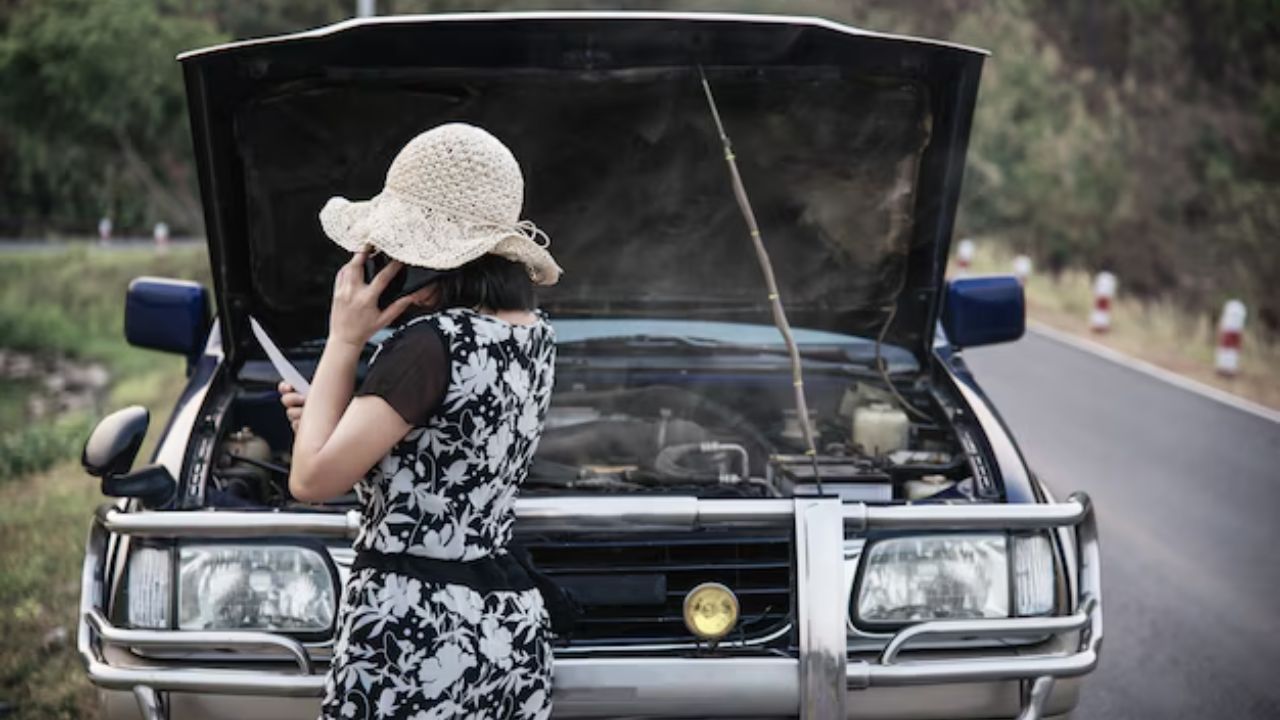
When a car is smoking but not overheating, the engine is still controlling heat. That rules out blown head gaskets and major cooling failures in many cases. What remains are surface-level problems. Fluids dripping, belts slipping, or parts touching places they should not.
Think of it like cooking oil in a hot pan. The pan temperature is fine. The smoke comes from what hits it.
The main clue is where the smoke comes from and what it smells like.
Spotting the Smoke Signals First
Smoke color gives big clues. But since your engine stays cool, it's likely external burning, not internal combustion gone wild.
These are also considered to be one of the first signals of your car telling you that something needs to be checked in your car.
- White usually points to coolant or water hitting hot parts.
- Blue hints at burning oil.
- Anything gray or black could be an electrical melt or deeper troubles.
If you see any kind of smoke coming out, pull over safely and pop the hood once the car is cooled down. Then, sniff the air.
- If you smell anything sweet, it means the smoke is due to coolant issues.
- If you smell anything similar to burnt toast, it could be because of oil issues.
- If anything smells similar to acrid plastic, there must be something wrong with the wires.
Note the color and smell. These details can help mechanics fix the problem fast. If you see smoke coming out of your car, never ignore it. It can spark fires or hide bigger complications.
Cause 1: Oil Leaks Dripping on the Exhaust
Oil loves to sneak out from gaskets or seals and sizzle on the hot manifold. Why is it so? Valve covers crack over time and seals harden from heat cycles.
When oil hits that hot surface, it burns and creates blue-white smoke. The engine can still stay cool because the coolant system is working properly, so there’s smoke without overheating. Think of it like bacon grease on a skillet. There’s no overheating, just smoke till it cleans off.
This is most commonly seen in older rides or post-oil changes if overfilled. If this happens, check under your car for dark spots. Then, wipe the engine top, and then start your car.
If you don’t see any smoke after starting your car, the smoke was likely because of an oil spill/leak.
Cause 2: Coolant Hoses Spraying Mist
Hoses age like a garden that is left in the sun for too long. As time passes, the coolant hoses start wearing off and end up cracking. Over time, the coolant slowly leaks onto hot engine parts; like the exhaust.
When the coolant hits the hot engine, that’s when the steam forms, which looks like white smoke. You may just see the smoke, but notice that the engine is not overheated. The reason for this is that there is still enough coolant in the system to keep the engine.
How to confirm it:
- Start the engine.
- Watch the hoses as it warms up.
- Look for
bulging, dripping, or damp spots.
Cause 3: Slipping Serpentine Belt Friction
Serpentine belts run many systems. When they wear, crack, or slip, friction builds. That friction creates heat and smoke. The smell here is classic burning rubber. You may hear squealing when starting or turning the wheel.
Belts can fail fast once they begin slipping. Losing one can shut down the alternator or power steering without warning.
Cause 4: Burning Transmission Fluid
Modern engines pack parts tightly. A tiny hose leak can spray fluid onto a nearby exhaust pipe. Power steering fluid smells sharp and oily. Transmission fluid smells burnt and bitter. Both smoke heavily when hot.
You may also notice steering feels different or weird, or even delayed shifting. Those are not coincidences. A quick
Engine Diagnostics check can trace these leaks before damage spreads to other parts of your car, like the pumps or gearboxes.
Cause 5: Electrical Shorts Melting Wires
Modern cars use a lot of plastic and insulation. A loose wire or failing connector can overheat and smoke without affecting engine temperature. This smoke smells acrid and chemical-like. It often comes from one side of the engine bay.
Electrical issues escalate quickly. Melted insulation leads to shorts. Shorts lead to dead systems. If smoke smells electrical, stop driving and get help. This is not a wait-and-see situation.
Cause 6: Debris Caught in the Engine Bay
This sounds silly until it happens. Plastic bags, road tar, leaves, or even insulation can get lodged near hot components.
Once heated, they smoke. Sometimes they melt. The engine temperature stays normal because the airflow still works. This often happens after highway driving or winter storms when debris gets kicked up. Smoke usually appears suddenly, then fades.
A visual inspection often solves this. Still, many drivers miss debris tucked behind heat shields.
Cause 7: Exhaust System Issues Before the Muffler
Cracks or leaks near the manifold can let exhaust gases escape into the engine bay. These gases heat nearby parts that were never meant to get hot.
Smoke may look gray or white and the smell may vary. Noise may increase slightly, especially on cold starts. Because exhaust heat sensors sit downstream, the system may not detect a problem right away.
How Professional Service Helps Catch the Real Cause