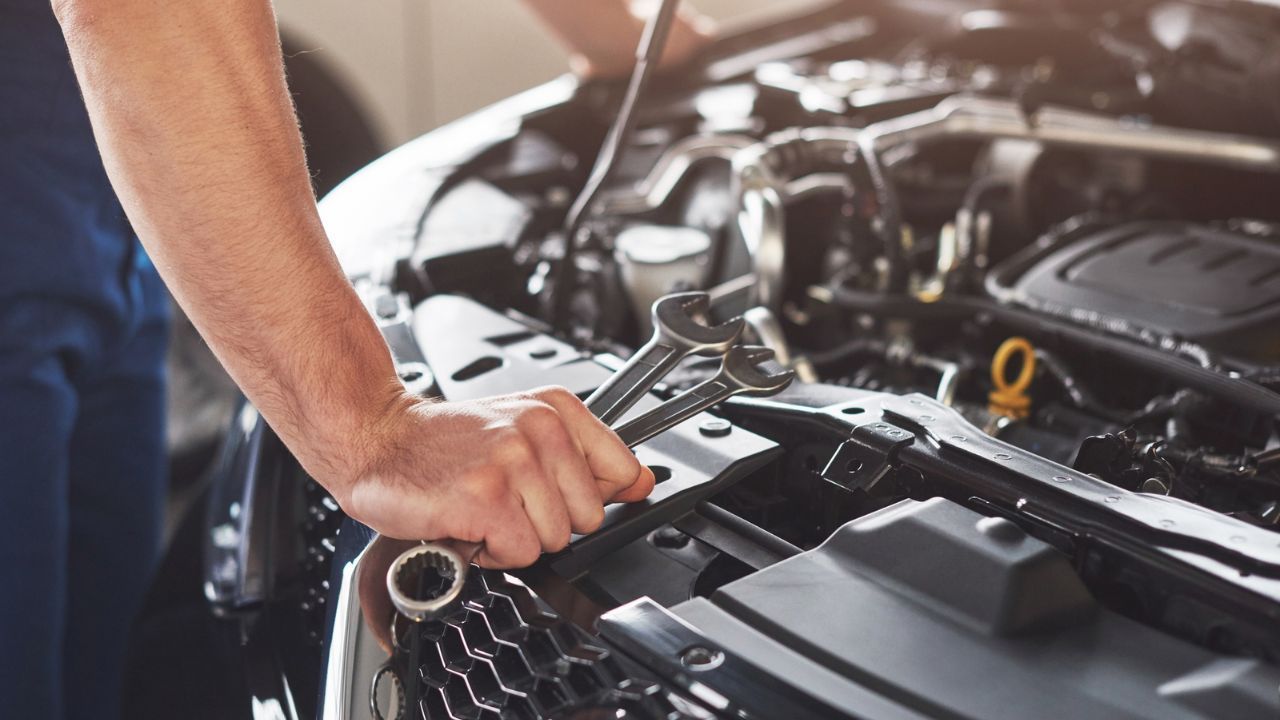
What Does a Car Tune-Up Include? 7 Essential Services Explained

jkram200 • October 15, 2026

A car tune up is a way to make your vehicle better. Think of it like giving a new life to your vehicle by making the necessary changes. A car tune-up can include spark plugs, filters, fluid checks, belts, and more. It may also include a battery test and computer scan. The exact work depends on your car's age, mileage, and service plan. This guide breaks down the seven core services and what they mean.


What a Tune-Up Means on Today's Cars


Today’s tune up isn’t like what used to happen before where older cars needed more hands-on engine adjustments. Carburetors and distributors needed regular tuning. However, modern engines use computers for many of those tasks. But spark plugs and other wear parts still need service.


At the counter, three common service levels can appear:

  1. Basic tune-up: Spark plugs, filters, and key checks.
  2. Standard service: Plugs, filters, fluid checks, and system tests.
  3. Full inspection package: More checks based on age, mileage, and symptoms.


An oil change can be part of some packages. It can also appear as a separate line. An oil change is one job, but a tune-up is a group of jobs. 


What Does a Car Tune-Up Include? 7 Core Services

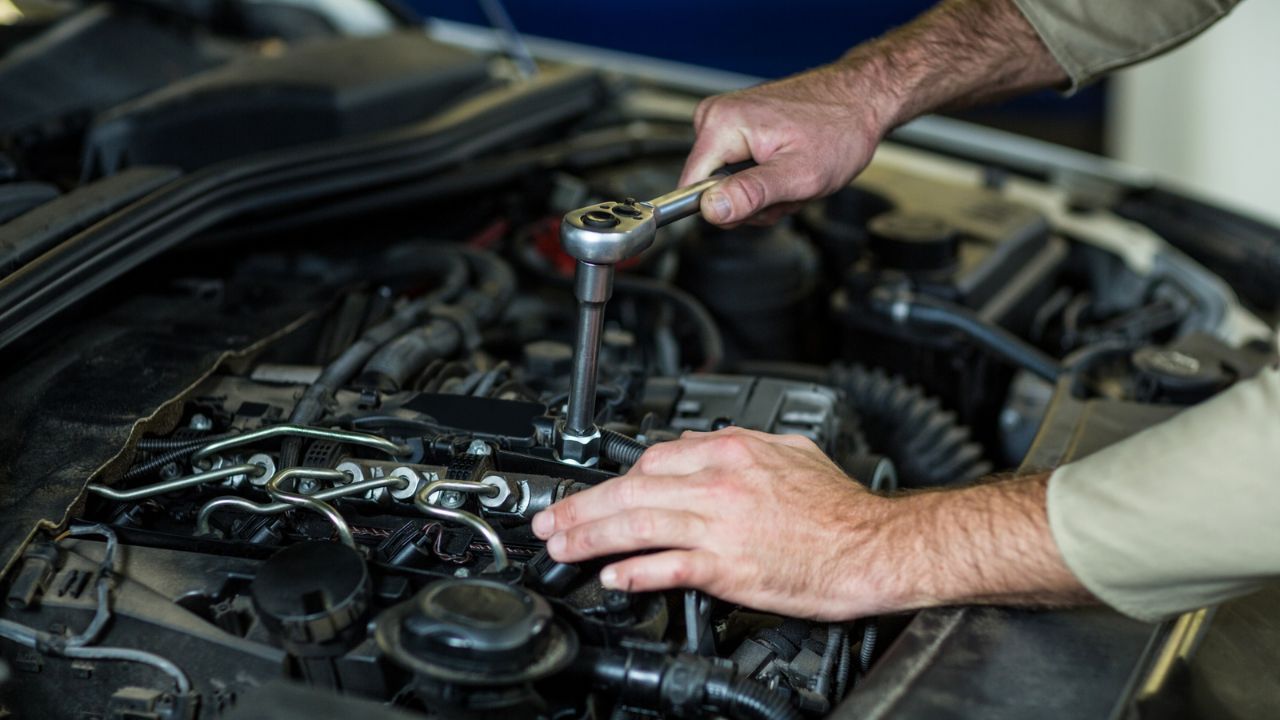
Auto technician using a ratchet tool to repair a car engine.

1. Spark Plugs and Ignition Parts


Spark plugs are the one item almost every tune-up includes. Their service life depends on the plug and engine. Copper plugs tend to need service sooner. Platinum and iridium plugs often last much longer. Your owner's manual gives the best interval for your car.


A mechanic may also check coils or plug wires. Some engines make plug access quite difficult. That extra labor can raise the final bill. Hamilton Tire & Car Care Center's Tune-Up Service includes spark plug replacement and ignition coil checks when needed.


2. Air Filters and the PCV Valve


One filter protects the engine while another helps clean cabin air. A dirty engine air filter can limit airflow while a dirty cabin filter can reduce air flow. It may also create a stale smell. The PCV valve may also get checked during engine service.


Ask to see the old filter before approving a swap. That simple step makes the quote easier to understand. It also shows whether the part truly looks worn.


3. Fuel System Service


Fuel service is the most variable item here. A shop may check the fuel filter, injectors, or throttle body. Some cars need cleaning only when symptoms appear. However, others have service listed in their factory schedule. Do not pay for fuel cleaning just because it sounds helpful.


4. Fluid Checks and the Oil Change 


Doing fluid checks is not the same as changing it. A mechanic can check levels and look for leaks. On the other hand, a fluid change is a separate service in many cases. Oil, coolant, brake fluid, and transmission fluid follow different schedules. Your owner's manual should guide those intervals.


Some tune-up packages include oil change while others charge for it separately. However, you always need to check from the technician about the change and estimates before work starts to prevent a surprise on the final bill.


5. Belts and Hoses


A cracked belt can leave you stuck. Mechanics check belts for cracks, glazing, and wear. Hoses get checked for leaks, bulges, and soft spots. A timing belt is different from a serpentine belt. Its replacement schedule comes from the owner's manual.


6. Battery and Charging System Test


Test the battery before extreme weather hits. A weak battery can mimic other starting problems. A charging test can also uncover electrical trouble. That matters during Baltimore's hot summers and cold winter snaps.


7. Diagnostic Scan


Ask for the scan results in writing. A computer scan reads stored trouble codes and system data. Those codes can point toward a problem area but do not automatically identify the failed part.


Hamilton Tire & Car Care Center offers Computer Diagnostics for engine and other vehicle systems. The shop says its tools can read codes, assess sensor data, and test system functions. That makes diagnosis useful before parts get replaced.


How Often Do You Need a Tune-Up?

Automotive technician performing routine maintenance on a car in a garage.

There is no single tune-up mileage for every car. Older vehicles may need service around 10,000 to 12,000 miles. Some newer cars can go 25,000 to 100,000 miles between tune-up-style services. Other sources put modern intervals closer to 60,000 to 100,000 miles. The wide range comes from different engines and plug types.


Sound like a wide range? It is. Your owner's manual matters more than a generic chart. Modern manuals usually list each service separately. They may never use the word "tune-up" at all.


Driving conditions also matter. Baltimore traffic can mean frequent stops and short trips. Harsh weather can add more strain too. These conditions may affect service needs. Do not use a yearly tune-up rule without checking the car's schedule.


In 2026, Maryland also requires eligible vehicles to complete VEIP testing every two years. Baltimore City and Baltimore County are among the areas covered. New qualifying vehicles get their first test later. The emissions test is not a tune-up, though.


Signs Your Car Needs a Tune-Up


Your car usually gives clues first. Pay attention to changes in how it starts or runs. A flashing check engine light needs prompt attention. Do not treat it like a routine reminder.


If you see any light flashing, do not drive it. Other signs can wait for a shop visit. Some still deserve quick action.

  • Stalling or repeated misfires: Get the car checked soon.
  • Rough idle or hard starts: Book a diagnostic visit.
  • Sharp drop in fuel mileage: Check ignition and fuel systems.
  • Slow acceleration: Look for engine or airflow issues.
  • New warning lights: Scan the system before replacing parts.


Do not blame every symptom on spark plugs. Brakes, tires, sensors, and suspension parts can create similar complaints.


How Much Does a Car Tune-Up Cost?


The price depends on the work included. Published sources show very different ranges. Direct Auto lists basic tune-ups at $50 to $150. It lists broader work at $200 to $800. 


For 2026, a practical way to read those figures is simple:

  • Basic: Lower cost when only a few parts need service.
  • Standard: More parts, checks, fluids, or labor.
  • Comprehensive: Several services can push costs into hundreds.

Labor rates and plug access can change the final number. A tight engine bay may take longer. Luxury and performance cars can cost more too.


How to Read a Tune-Up Quote


Ask for the estimate in writing before work starts. Look for parts, labor, and separate services. Then compare scheduled work with inspection findings. This helps you see what the car actually needs.

Ask the shop these questions:

  • Which items are due by the factory schedule?
  • Which items were found during the inspection?
  • What parts will be replaced?
  • Can the old parts be shown after removal?


A clear quote should not feel like a guessing game. If a line is unclear, ask about it.


Final Thoughts


A modern tune-up is not one fixed service. The work should match your car's age, mileage, symptoms, and factory schedule. A good estimate makes those choices clear. It also separates needed service from extra repairs.


For Baltimore drivers, local traffic and weather add another reason to stay alert. VEIP testing can provide another useful checkpoint. Still, it does not replace normal maintenance.


FAQs

Q1: How long does a tune-up take?

Most tune-ups take two to four hours. The job can take longer with tight plug access. Extra parts and added tire work can also add time.


Q2: Do electric cars need a tune-up?

Electric cars skip most of this list. They have no spark plugs or engine oil. They still need tires, brakes, filters, and other scheduled checks. Their service plan should follow the vehicle maker's manual. Hamilton also offers electric vehicle service for Baltimore drivers.


Q3: What are signs I need a tune-up?

Common signs include rough idling, hesitation on acceleration, reduced fuel economy, difficulty starting, illuminated check-engine light, or unusual engine noises.


Q4: Will a tune-up improve gas mileage?

Yes, if worn components (like spark plugs or a clogged air filter) are replaced and fluids are corrected, you can see noticeable improvements in fuel efficiency and throttle response.

By jkram200 • October 15, 2026
Learn how to follow a car maintenance schedule by mileage or time, know which interval comes first, and understand when early service may be needed.
By jkram200 • October 14, 2026
What is ADAS calibration and why does it matter? Discover when calibration may be needed after windshield, collision, alignment, or sensor repairs.
By jkram200 • October 7, 2026
Learn the ABS light on meaning, 5 common causes, safety risks, and what to do when this critical warning appears on your dashboard.
By jkram200 • October 7, 2026
Learn how often to change a cabin air filter, plus 5 warning signs, mileage tips, and driving conditions that may mean your filter needs replacing sooner.
By jkram200 • October 7, 2026
Discover 7 serious causes of car overheating, from low coolant to radiator problems. Learn the warning signs, quick checks, and safe solutions.
By jkram200 • September 16, 2026
Discover 9 warning fuel pump symptoms, including hard starting, whining, stalling, and power loss. Learn when your car needs immediate attention.
By jkram200 • September 16, 2026
Find out how long a car inspection takes and discover 8 quick tips to avoid delays, prepare your vehicle, and make your inspection visit easier.
By jkram200 • September 16, 2026
Discover 7 common causes of car overheating, warning signs, and smart fixes before a serious engine problem becomes costly.
By jkram200 • September 11, 2026
Review the Maryland state inspection checklist, learn which vehicles need inspection, what mechanics check, and how to prepare your car to pass.
By jkram200 • September 11, 2026
Compare air filter vs cabin air filter differences, functions, warning signs, and replacement needs to keep your engine and cabin air clean.
Show More