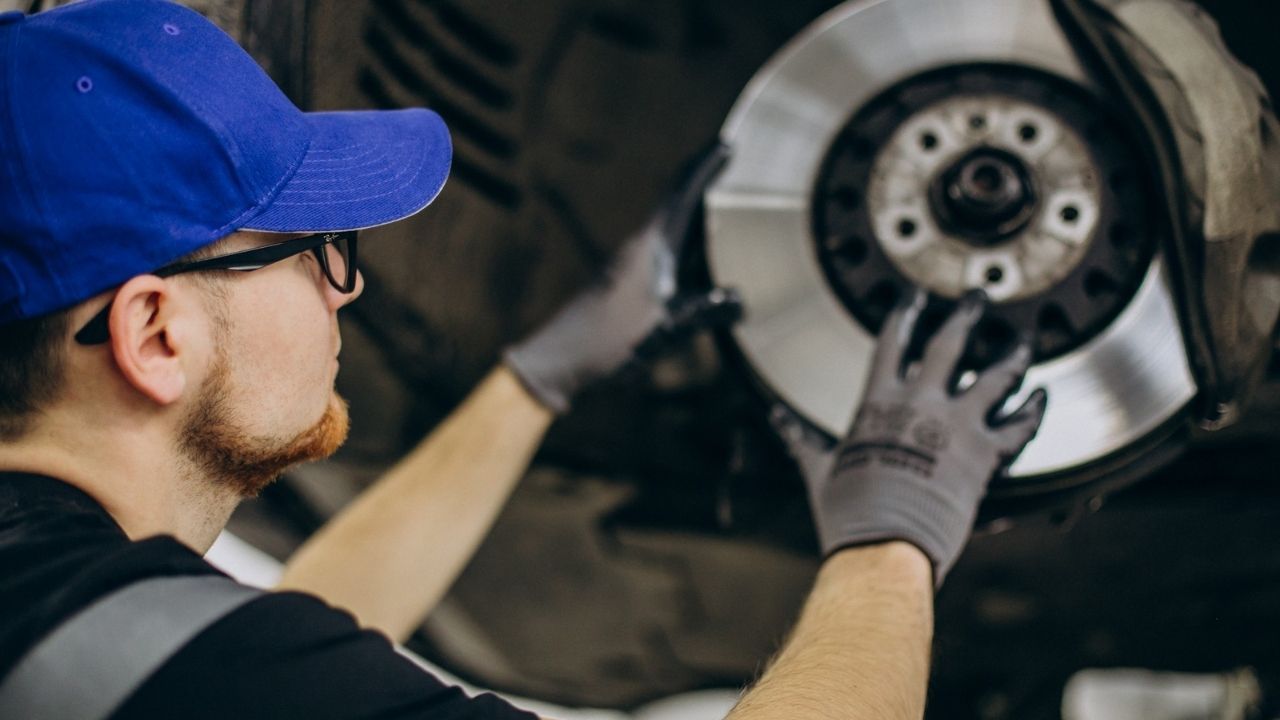
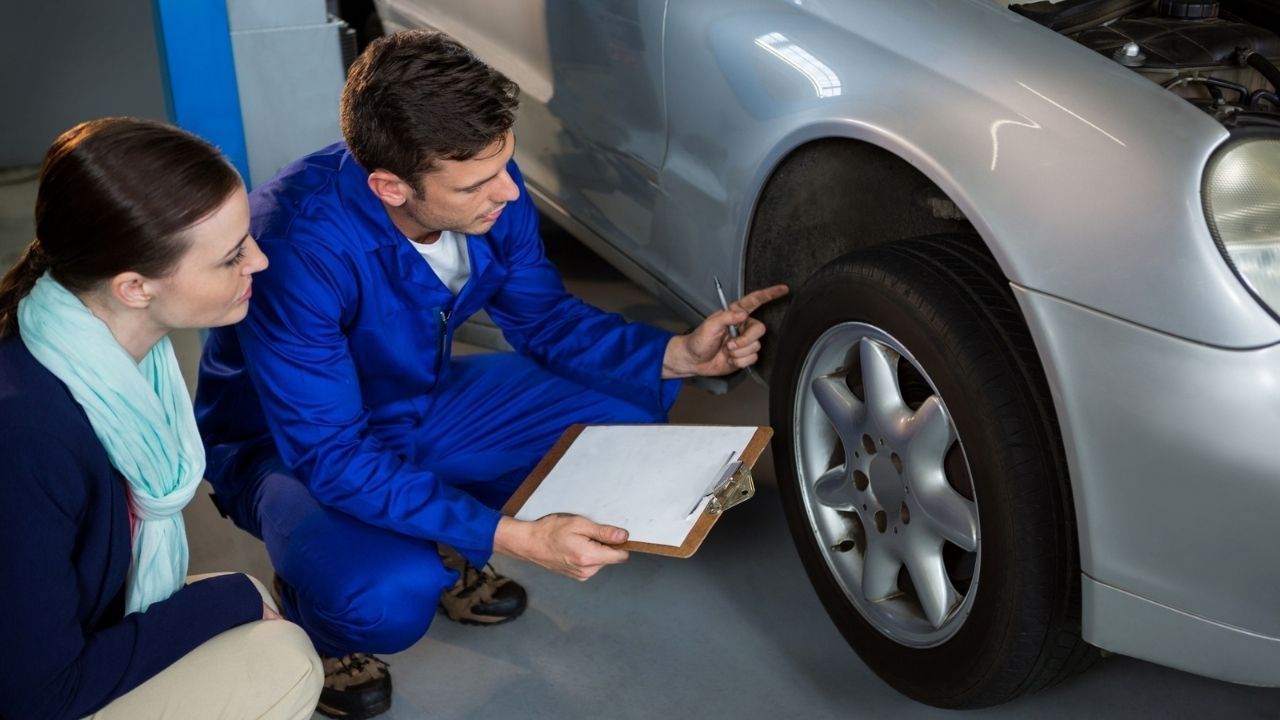
Most tires last about 3 to 6 years for the average driver. If you drive around 12,000 to 15,000 miles a year, you will likely replace them closer to year 3 or 4 due to worn tread.
If you drive less, say 5,000 to 7,000 miles a year, your tires may still have good tread at year 5 or 6. From the outside, everything will seem fine, but the rubber inside starts to break down; that’s when age becomes the real issue.
So which one are you? A daily commuter or a weekend driver? That answer decides your timeline. Not the tire brand, and not even the price.
The 5 Factors That Shorten (or Extend) Tire Life
Many drivers think that the tires wear out only because they have been driven several miles. This may sound somewhat true, but the bigger picture is something else. Two drivers can cover the same distance and get completely different tire life. One replaces tires every 3 years, while the other stretches them to 5. What changed? Not the road, but the behavior and the way of driving.
Think about your own driving for a second. Do you brake late? Take tight turns fast? Or cruise smoothly on highways? These small habits quietly shape how long your tires survive, and that’s where the real story begins.
Let’s break down the five factors that truly control tire life, and more importantly, which ones you can actually influence.
1. Driving Habits (The Biggest Hidden Factor)
How you drive decides how fast your tires will wear down. Quick acceleration, sudden braking, and sharp cornering all grind the tread faster than you might expect.
A driver who constantly brakes hard in city traffic will wear tires much quicker than someone who drives steadily on open roads, even if both drive the same miles. That’s the twist most people miss.
This factor is fully in your control. Smooth driving alone can extend tire life by a noticeable margin with no extra cost, and just awareness.
2. Climate and Temperature (The Silent Tire Killer)
Heat speeds up tire aging, while cold stiffens rubber. Both matter, but heat does more long-term damage.
In hot regions like Arizona or Texas, road surfaces can get extremely hot. This heat causes the rubber to lose flexibility over time. It becomes harder, more brittle, and more prone to cracks. Leaving your car under direct sunlight every day also accelerates this process. Shade helps more than most people realize.
You cannot control the weather, but you can control exposure. Small choices add up here.
3. Tire Type (Not All Tires Age the Same Way)
Different tires are built for different purposes, and they age differently, too.
Performance tires offer great grip, but they wear faster because the rubber is softer. On the other hand, winter tires are designed for cold weather. If you use them in summer, they degrade quickly. This is when all-season tires help.
All-season tires strike a balance, which is why they last longer for everyday driving.
Many drivers choose tires based only on price. That often leads to faster wear or poor performance. Choosing the right type for your climate and driving style makes a big difference, affecting years of use.
4. Maintenance and Care (Where Most People Slip Up)
This is where most tire life is lost. Not because it is hard, but because it is ignored.
Skipping tire rotation leads to uneven wear. Poor alignment causes one side of the tire to wear faster. Low tire pressure increases heat and stress inside the tire.
These problems build slowly, and you won’t even notice them day to day. But over months, they cut tire life significantly.
Regular service checks, like
tire rotation and
wheel alignment,
keep everything balanced. Shops like
Hamilton Tire Car Care Center often catch these issues early, before they turn expensive.
5. Vehicle Type and Load (Weight Changes Everything)
Heavier vehicles put more pressure on tires. That includes SUVs, trucks, and electric vehicles.
Electric cars, in particular, wear tires faster. Why? Because of instant torque. The moment you press the pedal, full power hits the tires. Add extra battery weight, and wear increases.
Even though how much you carry matters. A fully loaded car strains tires more than a lightly loaded one. You may not change your vehicle, but you can adjust how you drive it, especially with heavier cars.
Tread Wear vs. Tire Age - Two Different Problems
Now, many people get confused with these two terms. A worn-out tire is easy to spot. You can see that the tread is thin, the grip is poor, and you replace it.
An aged tire is different. The tread may still look good, but the rubber has hardened. Tiny cracks may form inside, which can lead to sudden failure.
This is not rare. A well-known crash involving actor Paul Walker was linked to 9-year-old tires. They looked usable, but they were not.
Surprisingly, even unused tires age. Oxygen, heat, and sunlight slowly break them down, and that happens whether you drive or not.
How to Read Your Tire’s DOT Date Code
Find the DOT code on your tire’s sidewall, which will be your starting point.
- Look for the letters “DOT” followed by numbers
- Focus on the last four digits
- First two digits = week, last two = year
Example:
If the code ends in 1526, the tire was made in the 15th week of 2026.
If you just bought a used car, check this right away. Dealers rarely highlight tire age, and service records do not include it. Sometimes the code is on the inner sidewall. That means you may need to turn the wheel or crouch low.
This one check can save you from driving on old rubber without knowing it.
Signs Your Tires Need to Be Replaced Now