When to Replace a Car Battery: 6 Urgent Warning Signs
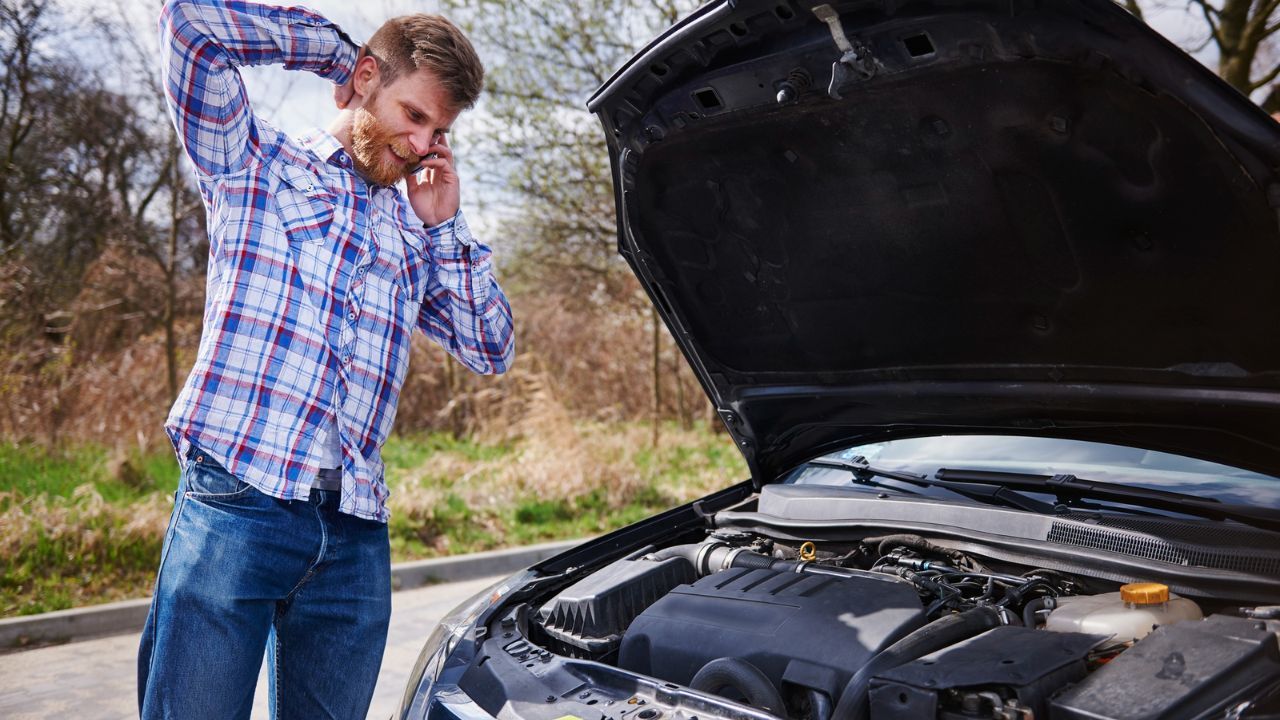
Picture a cold Baltimore morning. You turn the key, but the engine drags and groans. It starts on the second try, so you head to work and forget it. Two days later, you hear one dull click and nothing else.
This is the exact time when you should pay attention to your car’s battery. A weak battery may work one day and fail the next. Therefore, you should replace a car battery when it fails a battery test, shows clear damage, or can no longer start your car with ease.
Most car batteries last three to five years. However, heat, short trips, and power drains can still cut that time short. Knowing the signs helps you act before your car leaves you stuck.
Why a Weak Car Battery Needs Quick Care
Your battery supplies the power needed to start the engine. It also supports lights, locks, screens, and other parts. Once the engine runs, the alternator charges the battery. A weak battery puts more strain on the starting system. It may also cause odd faults in modern cars. Screens may reset, lights may dim, and warning lamps may appear.
There is also the risk of getting stranded. A dead battery can ruin a workday or school run and can turn a short trip into a long roadside wait. So, when to replace car battery parts should not be a guess. Look at age, symptoms, and test results together.
When to Replace Car Battery: 6 Signs to Watch
1. Your Engine Cranks Slowly
A slow crank is one of the clearest warning signs. The engine may sound tired when you turn the key and might make a low, drawn-out chug before it starts. This happens when the battery cannot send enough power to the starter.
In addition to that, cold weather may make the issue worse. Still, a healthy battery should start the car without a long fight. Make sure to pay close attention when the sound gets worse each day. Do not wait until the engine stops turning at all and book a battery test as soon as you hear a change.
2. You Need More Than One Jump-Start
A jump-start may solve a one-time power drain. Perhaps you left the cabin light on all night. In that case, a drive or full charge may bring the battery back.
Repeated jump-starts tell a different story. The battery may no longer hold a charge. An alternator fault or hidden power drain could also be at work. This is a key decision point. Should you recharge the battery or replace it? A full battery and charging-system test gives the right answer.
3. The Battery Case Looks Swollen or Cracked
A car battery should have straight, firm sides. A case that looks round, warped, or split is unsafe. Heat, excess charge, or a fault inside may cause this damage.
Do not touch a leaking or split battery as battery acid can harm your skin and car parts. Turn off the vehicle and keep sparks away from the area. A bad sulfur smell may also point to a leak. Many people say it smells like rotten eggs. That smell is not a “wait and see” sign.
4. Your Lights and Electronics Act Weak
Dim headlights can mean the battery lacks enough power. Cabin lights may pulse while you start the car. Windows, locks, or the radio may also work at a slow pace. Yet these signs do not prove the battery is bad. A loose cable or weak alternator may cause the same issues. That is why testing matters more than guesswork.
Hamilton Tire and Car Care Center offers Battery Service in Baltimore. The service includes battery health, voltage, and cold cranking amp tests. These checks show how well the battery can store and send power.
5. The Battery or Charging Light Stays On
The battery-shaped light does not always mean the battery has failed. It often warns of a charging-system fault. The alternator, belt, cable, or wire may be the real cause. If this light stays on while you drive, act fast. Your car may be running on stored battery power alone. Once that power runs out, the engine can stop.
Switch off items you do not need, such as seat heat. Then drive to a safe shop if the car feels normal. Pull over if the steering, lights, or engine begin to change.
6. Your Battery Is Old and Tests Weak
Age alone does not mean a battery is dead. Still, most car batteries last about three to five years. Testing becomes more vital once the battery reaches year three. You can often find a date code on the case. Your repair bill may also show the install date. If neither helps, a shop can check the battery’s age and type. Ask for a load or conductance test. While voltage alone shows the battery’s charge at that moment, it does not give a full view of its health.
How to Check a Car Battery Before Replacing It

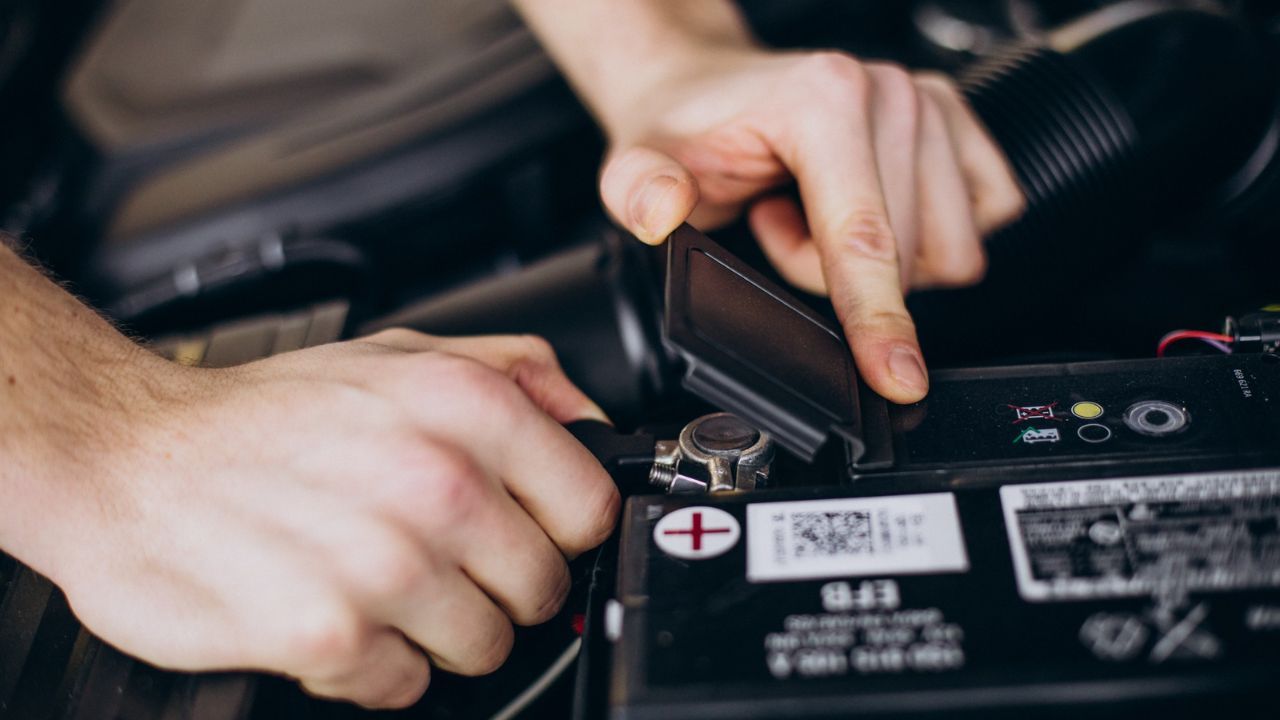
A quick home check can spot clear problems. First, make sure the engine is off and cool and never lean over a case that looks split or swollen.
Look for these issues:
- White or blue buildup on the battery posts
- Loose or worn battery cables
- Cracks, leaks, or a bent case
- A strong sulfur smell
- A missing or weak hold-down clamp
A charged 12-volt battery often reads 12.6 volts or more with the engine off. With the engine running, readings often rise to about 13.7 to 14.7 volts. These figures come from Interstate Batteries. Still, a basic meter cannot test the whole battery. A weak battery may show a fair voltage after charging. A shop test also checks its power under load.
Is It the Battery, Starter, or Alternator?
These three parts can cause similar start problems. Replacing the wrong one wastes time and cash. A full test helps split them apart.
Use these clues as a rough guide:
- Battery issue: Slow crank, dim lights, or repeated jump-starts
- Starter issue: One hard click, but the lights remain bright
- Alternator issue: The car starts after a jump, then dies again
- Cable issue: Power cuts in and out when cables move
- Power drain: A good battery goes flat while the car sits
These clues are not a final diagnosis. For instance, a bad starter may click like a weak battery. A poor cable may also block power from a good battery.
Hamilton Tire and Car Care Center also provides Starter and Alternator Service. Its team tests voltage output, wiring, and key charging parts. This can confirm the cause before any part gets replaced.
Recharge or Replace: Which Choice Makes Sense?
Recharge the battery when one known event drained it. Leaving the lights on is a good example. A newer battery that passes its health test may still have years left.
Replacement makes more sense when the battery fails its test. It is also wise when the case leaks, swells, or cracks. Frequent jump-starts are another strong reason.
Ask yourself four simple questions:
- Is the battery more than three years old?
- Has the car needed two or more jump-starts?
- Does the battery lose its charge again?
- Did a shop test say “replace”?
One “yes” supports a prompt test. Two or more suggest replacements may be near. Physical damage calls for immediate action, no matter the battery’s age.
Simple Ways to Help a New Battery Last
A few habits can reduce battery strain. They cost little and take almost no time.
- Take a longer drive after many short trips.
- Turn off lights before leaving the car.
- Unplug add-ons that draw power while parked.
- Keep the battery firm in its tray.
- Check the terminals for dirt or rust.
- Test the battery before summer and winter.
Routine care cannot save a worn battery forever. It can help a good battery give steady service. More importantly, testing can catch a weak one early.
Final Thoughts
The answer to when to replace car battery units depends on condition, age, and test results. Slow starts, repeat jumps, dim lights, and warning lamps need quick checks. A swollen, cracked, or leaking case needs action right away. Do not replace parts based on sound alone. Test the battery, starter, and alternator as one system. That step can prevent a wrong repair and another no-start morning.
For Baltimore drivers, Hamilton Tire and Car Care Center offers battery testing and replacement. Its starter and alternator checks can also trace deeper charging faults. A short visit now may save a long roadside wait later.
FAQs
Q1: How often should a car battery be replaced?
Most car batteries last three to five years. Test yours each year after it reaches age three.
Q2: Can a car battery fail without warning?
Yes. Some batteries fail with few clear signs. Regular tests help find hidden loss of starting power.
Q3: Should I replace a battery that still starts the car?
Replace it if professional testing says it is weak. A failing battery may still start the car today.
Q4: Can short trips drain a car battery?
Yes. Short trips may not restore the power used to start the engine. Many short drives add strain.
Q5: When should I replace a car battery before winter?
Test it before winter if it is over three years old. Replace it when the test shows weak performance.