Service Engine Soon Light: 7 Serious Causes and Easy Fixes

jkram200 • August 12, 2026

The service engine soon light means your car needs care or has found a fault. The cause may be as small as a loose gas cap. But it may also point to a bad sensor or engine fault. A steady light often lets you drive for a short time, however, a flashing light needs fast action.


In this blog we’ll look at the most common and serious causes that lead to service engine light and how you can fix them.


What Does the Service Engine Soon Light Mean?


So, what does service engine soon mean on your dashboard? It means your car has found a service need or system fault and the light may react to miles, time, or sensor data.


However, the exact meaning depends on your car. Some brands use this light for routine service reminders, while others use it much like a check engine light. Your owner’s manual will show how your model uses it.


Service Engine Soon vs. Check Engine Light


These lights are not always the same, yet some car brands use them for similar faults. That difference can make any driver scratch their head. A service engine soon light often points to routine care. It may appear when an oil change or tune-up is due. However, a check engine light often means the car found an emissions or engine fault.


Warning sign: Service engine soon light
Likely meaning: Service is due or a mild fault exists
Best response: Check simple causes and book service

Warning sign: Solid check engine light
Likely meaning: An engine or emissions fault exists
Best response: Arrange a diagnostic test soon

Warning sign: Flashing check engine light
Likely meaning: A harmful engine misfire may exist
Best response: Stop safely and call for help


7 Causes of the Service Engine Soon Light


Not every cause deserves the same level of fear. The list below moves from simple issues to serious faults. But only a proper test can confirm the real cause.


1. Loose or Damaged Gas Cap

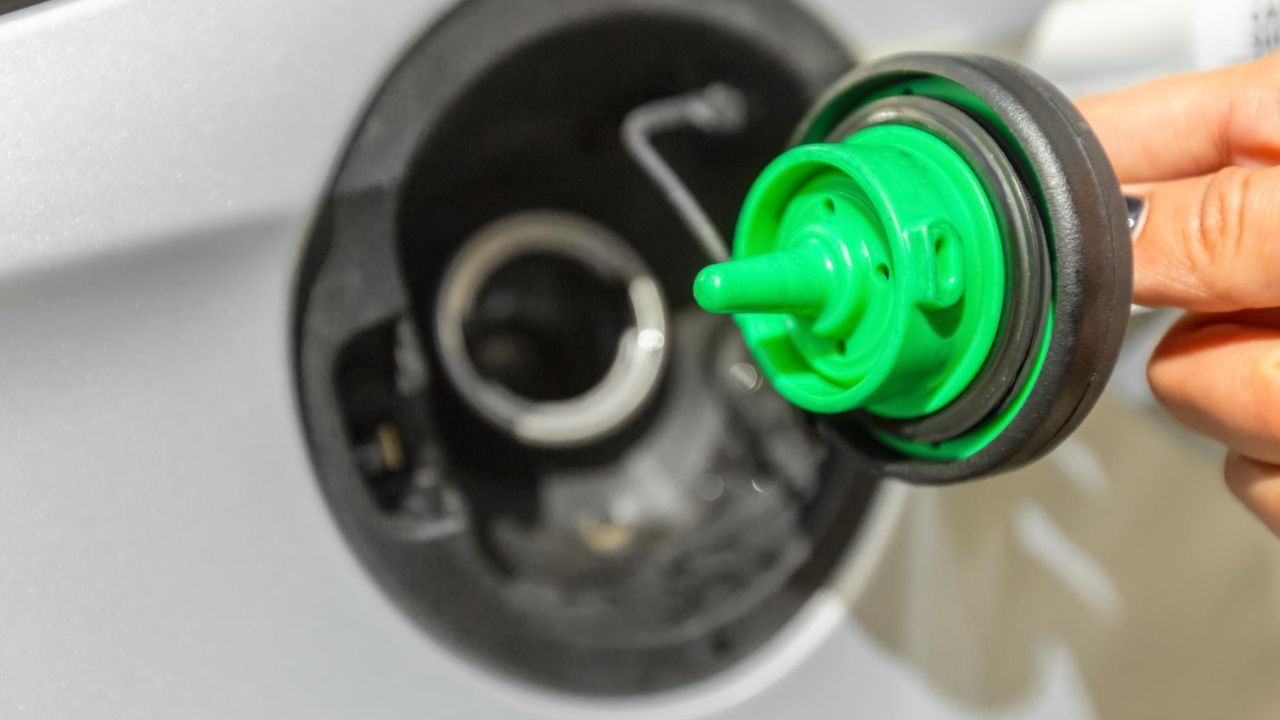
Close-up of a vehicle fuel cap removed during a fuel system inspection to check the gas cap seal and prevent EVAP system issues.

Yes, a loose gas cap can trigger the light. The cap seals fuel vapor inside the system and a poor seal lets vapor escape and sets a fault code. This often happens soon after filling the tank. 


If you see this, remove the cap and check its rubber seal. Look for cracks, splits, or worn threads and then tighten it until it clicks. The light may need several trips to switch off. Do not clear the code at once. The car needs time to test the seal again.


2. Overdue Routine Service


Sometimes nothing has broken at all. The car may just have reached a set service date or it may also have passed a mileage limit. You can check the service record and dashboard menu to see if you’re due for an oil change, filter change, or tune-up. Never reset the reminder before doing the needed work.


Hamilton Tire and Car Care Center offers scheduled maintenance for Baltimore drivers. Its team can match care to the maker’s schedule. This helps prevent missed service from turning into repair work.


3. Dirty Engine Air Filter


Your engine needs clean air to burn fuel well. A clogged filter can cut that airflow and the engine may then feel slow during hard acceleration.


A dirty filter can also lower fuel use and strain other parts. To clean the filter, hold the filter toward a bright light. If light cannot pass through, replacement may be due. Baltimore dust, road grit, and heavy traffic can load filters fast. Still, never replace one based on color alone and make sure to check the maker’s service guide first.


4. Worn Spark Plugs


Spark plugs ignite fuel inside each engine cylinder. Worn plugs may cause weak sparks or missed burns. You may feel shaking while stopped at a light. Notice, does the car stumble when joining I-695? Does it use more gas than normal? Those signs may point to worn plugs or faulty ignition coils.


Do not keep driving through a strong misfire. Unburned fuel can reach the catalytic converter. Heat may then damage that costly part.


5. Bad Oxygen Sensor


An oxygen sensor checks the exhaust gas which helps the car adjust its fuel mix. A failing sensor may send false data to the engine computer. The car may still seem normal at first, yet gas mileage can drop over time. The engine may also run too rich or too lean.

A code scan can show an oxygen sensor fault. But the code does not always prove the sensor failed. An exhaust leak or wiring fault can cause similar data.


6. Faulty Mass Airflow Sensor


The mass airflow sensor tracks air entering the engine. The computer uses that data to add the right fuel amount. If the reading is bad, it can upset the whole mix. You might also notice slow starts or weak power. The engine may hesitate when you press the gas and may also stall soon after starting.


Cleaning helps only when dirt causes the problem. Using the wrong spray may ruin the sensor. A proper test is safer than swapping parts on a guess.


7. Catalytic Converter Trouble

Automotive technician inspecting the exhaust system and muffler underneath a vehicle during a preventive maintenance service.

This is the most serious cause on the list. The converter helps clean harmful gases from the exhaust. It can fail after long use or repeated engine misfires. Common signs include weak power and poor fuel use. You may also smell an odor like rotten eggs and the exhaust area may also become very hot.


If you come across any such signs, do not replace the converter without finding the first fault. A bad plug or sensor may have damaged it. Repairing only the converter may let the same problem return.


Easy Fixes to Try First


If you wonder what does service engine soon mean for your next drive, start small. A few safe checks may reveal a simple cause. They can also give your technician useful facts.


Before touching anything, park on flat ground. Turn off the engine and let it cool. Remember to keep hands away from hot or moving parts.


  1. Tighten the gas cap: Remove it and inspect the seal. Refit it until you hear a click.
  2. Check the service record: Look for a missed oil change, filter change, or tune-up.
  3. Check the oil level: Use the dipstick as your manual directs. Never overfill the engine.
  4. Watch how the car runs: Note any shaking, smells, noise, or power loss.
  5. Get the fault codes read: Some parts stores read basic codes at no cost. Remember that a code identifies a system, not always the failed part.


If the light stays on, book a full test. Guessing can waste money on parts you did not need. Good diagnosis comes first.


When Should You Stop Driving?


A steady light with normal engine performance is often less urgent. You can usually finish a short drive and book service soon. Just avoid hard acceleration and long trips until the cause is known.


But make sure to stop driving if the light flashes. Do the same if the car shakes, smokes, overheats, or loses power. Pull over somewhere safe and shut off the engine. A strong fuel smell also calls for quick action. So does a loud knock or red oil warning. 


Professional Help in Baltimore


Knowing what does service engine soon mean requires more than reading one code. A technician must test the system behind that code. This keeps a small fault from becoming a parts-swapping contest.


Hamilton Tire and Car Care Center offers vehicle diagnostics for all makes. The team can inspect live data and related parts. It can then explain which repair is needed and why. The shop is located at 5619 Harford Road in Baltimore. Local drivers can also book check engine light service. Clear test results make the next choice far less stressful.


Final Thoughts


A service engine soon light is a request for attention. It is not proof that the engine is about to fail. Start with the gas cap and service history. Then watch how the car feels. A steady light gives you time to plan. A flashing light means stop and seek help. The key is finding the cause before buying parts. One correct test can prevent several wrong repairs.


FAQs

Q1: Can I drive with the service engine soon light on?

You can often drive briefly if the light stays solid. The car should also run normally. Arrange a diagnostic check within a few days.

Q2: Why did the light appear after getting gas?

The gas cap may be loose or poorly sealed. Remove it, inspect the seal, and tighten it. The light may take several trips to clear.

Q3: Can an oil change turn off the service engine soon light?

It may if the light is a service reminder. A fault-based light needs diagnosis and repair. Resetting it alone does not fix the cause.

Q4: Will the light turn off by itself?

It may switch off after a loose cap is fixed. The computer must retest the system first. Stored codes may remain after the light goes out.

Q5: What does service engine soon mean if the car runs normally?

It may point to routine care or a mild emissions fault. Normal driving does not prove that everything is fine. Book a check before the issue grows.

car-makes-noise-when-turning
By jkram200 August 12, 2026
Discover 8 serious reasons your car makes noise when turning, from worn CV joints to steering problems, plus warning signs and practical fixes.
By jkram200 August 12, 2026
Learn when to replace a car battery, spot 6 urgent warning signs, understand its average lifespan, and avoid an unexpected roadside breakdown.
signs-of-bad-wheel-bearing
By jkram200 August 6, 2026
Explore six telltale signs of a bad wheel bearing, from humming and grinding noises to loose steering, uneven tire wear, and wheel vibration.
signs-of-bad-spark-plugs
By jkram200 August 6, 2026
Learn seven critical signs of bad spark plugs, what causes them, and how to fix the problem before it affects engine performance or fuel efficiency.
Bad Alternator: Signs, Causes, and How to Fix It
By jkram200 August 6, 2026
Learn the common signs and causes of a bad alternator, how to test it, and what you can do to fix the problem before your car breaks down.
how often to get oil change
By jkram200 July 27, 2026
Learn how often to get an oil change based on mileage, oil type, driving habits, vehicle age, and your manufacturer’s recommended service schedule.
v
By jkram200 July 27, 2026
Brakes may last 25,000 to 70,000 miles, depending on several factors. Discover seven warning signs and learn when to schedule an inspection..
power-steering-fluid-leak
By jkram200 July 27, 2026
Notice stiff steering, strange noises, or fluid under your car? Learn seven critical signs of a power steering fluid leak, common causes, costs, and fixes.
how-long-do-brake-pads-last-guide
By jkram200 July 13, 2026
Most brake pads last 30,000-70,000 miles. Discover what shortens their lifespan, when to replace them, and simple maintenance tips.
By jkram200 July 13, 2026
Learn how long an oil change takes, what affects service time, 7 common delays, and expert tips to get back on the road faster.
Show More