There is no fixed replacement date for every car. A rotor may wear out, rust badly, or suffer heat damage. Those problems can develop at quite different rates. That is why a mileage estimate should guide planning, not delay repairs.
Think of two drivers with the same car and mileage. One spends most days cruising on open roads. The other makes short trips through Baltimore’s stoplights and traffic. Their brakes face very different workloads, even when their odometers match.
When asking how long do rotors last, consider these factors:
- Frequent stops: City trips make the brakes work more often than steady highway travel.
- Hard braking: Repeated sharp stops create heat and place more stress on brake parts.
- Heavy loads: Added weight increases the work needed to slow the vehicle.
- Brake faults: A sticking caliper can keep a pad pressed against the rotor.
- Road exposure: Moisture, winter salt, and long periods parked can promote rust.
These factors explain why another driver’s experience may not match yours.
What Do Brake Rotors Do?
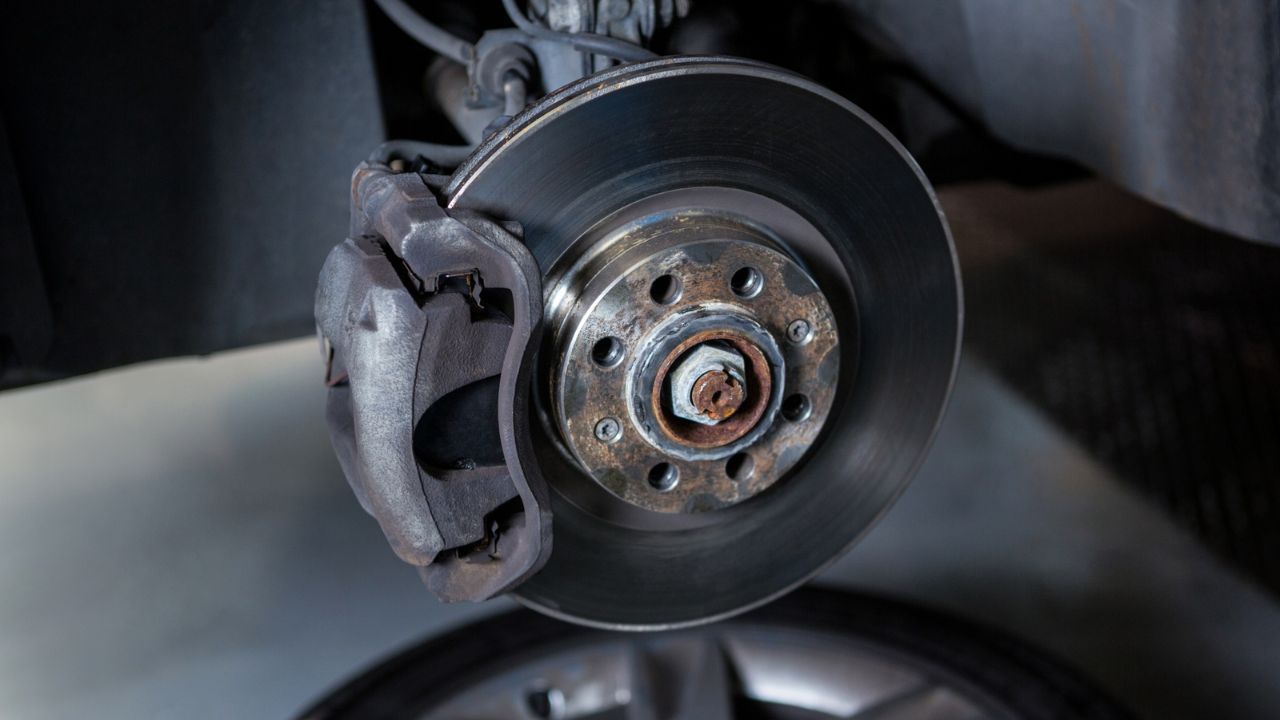
Rotors are metal discs that turn with your wheels. When you press the pedal, brake pads clamp against them. That friction slows the wheels and creates heat. The discs must handle both repeated contact and rising temperatures.
Pads and rotors wear as they do their jobs. A rotor that becomes too thin has reached its service limit. There is a minimum thickness, deep scoring, cracks, and certain heat marks among replacement criteria. A qualified technician should assess those findings against the correct specifications.
5 Critical Signs Your Rotors Need Attention
1. You Feel Shaking When You Brake
Does the steering wheel shake as you slow down? Perhaps the pedal pulses during an otherwise normal stop. Rotor surface problems can cause this kind of vibration. Firestone identifies shaking and pulsing under braking as reasons for inspection.
Still, a shake does not confirm one specific fault. The shop needs to check the whole system. Describe when it starts and where you feel it. Avoid repeated hard stops to test the problem yourself.
Share these details when you book:
- When it happens: During light braking, firm braking, or both.
- Where you feel it: Through the pedal, steering wheel, or seat.
- How it changes: Whether it gets worse after a longer drive.
2. You Hear Grinding or Harsh Scraping
Grinding can mean worn pads are allowing metal contact. That contact can score and damage the rotor’s surface. Waiting may turn a pad problem into a larger repair. Persistent grinding calls for prompt attention.
Not every brief noise means a rotor has failed. Thin surface rust can form after a car sits. It may clear when the brakes are used normally. Noise that persists, returns often, or comes with poor braking needs a check.
3. The Rotor Has Deep Grooves or Cracks
You may spot marks through the wheel’s open spokes. Deep channels and cracks deserve more attention than light wear lines. But the visible face tells only part of the story. The inner face may have damage you cannot see.
If you see deep circular scoring and radial cracks, they’re probably replacement signs. Have a technician inspect both sides of each disc. Do not touch brake parts while they are hot. A quick glance cannot replace proper tools and measurements.
4. The Brakes No Longer Feel Consistent
Does the car need more room to stop? Does it pull, grab, or feel less sure under braking? These changes need attention, whatever their cause. Longer stopping distances and inconsistent braking among possible rotor trouble signs.
A rotor may be involved, but other faults can feel similar. Do not assume new discs will solve everything. If stopping power drops sharply, pull over somewhere safe. Arrange a tow rather than driving to test your luck.
Treat these symptoms as urgent:
- A pedal that sinks: Especially when paired with weak braking.
- Strong pulling: The car veers sharply when you press the brake.
- Smoke or a strong burning smell: Stop safely and seek help.
- A sudden loss of stopping power: Do not continue the trip.
5. A Thickness Check Shows Excessive Wear
Some worn rotors give few clear clues from the driver’s seat. The car may still feel normal during gentle stops. That does not prove the discs have enough metal left. Thickness must be measured and compared with the specified limit.
Rotors usually require replacement at or below minimum thickness. There is no single safe measurement for every vehicle. Ask the technician to show the reading and applicable specification. That gives you firmer evidence than a mileage guess.
Can Rotors Be Resurfaced Instead of Replaced?