Battery Light On While Driving? 7 Critical Causes

jkram200 • November 10, 2026

You see the light on Harford Road, yet your car still runs. Home feels close but should you keep going? That choice can leave you stuck when the charge runs out. A battery light on while driving usually means your car’s charging system needs attention. It does not always mean you need a new battery. A bad alternator, loose belt, or poor wire connection may cause it. Reach a safe place to stop and arrange help.


This guide covers gas-powered cars with a standard charging system. 


What Does the Battery Light Mean?


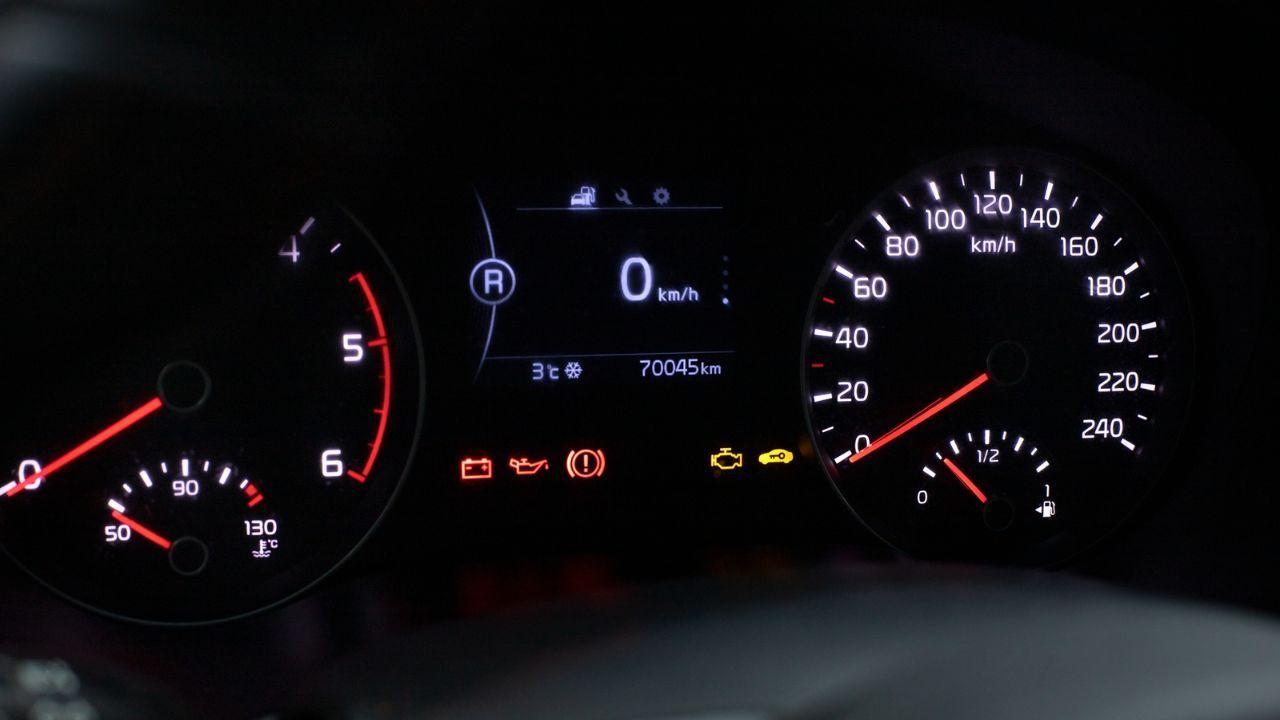
The battery helps start the engine and stores power. Once the engine runs, the alternator supplies power and recharges the battery. The dash light warns that this process may have a fault. Think of it as a charging alert, rather than a battery shopping list.


It is normal for the light to glow before startup. It should go out once the engine starts. A light that stays on, returns, or flickers needs a check. The car may still run, but that does not prove it is safe to keep driving.


Battery Light On While Driving: 7 Causes to Check

1. A Failing Alternator


The alternator may stop making enough power to meet demand. Worn parts or faults inside it can reduce its output. Then the battery must supply more of the car’s power. Once its charge drops too far, the engine can stall. The warning light alone cannot prove the alternator is bad. A shop needs to test its output and related circuits. Useful clues include:


  • Headlights that dim or change brightness as you drive.
  • Power windows that move more slowly than usual.
  • A new whine or growl from under the hood.


2. A Loose or Broken Drive Belt


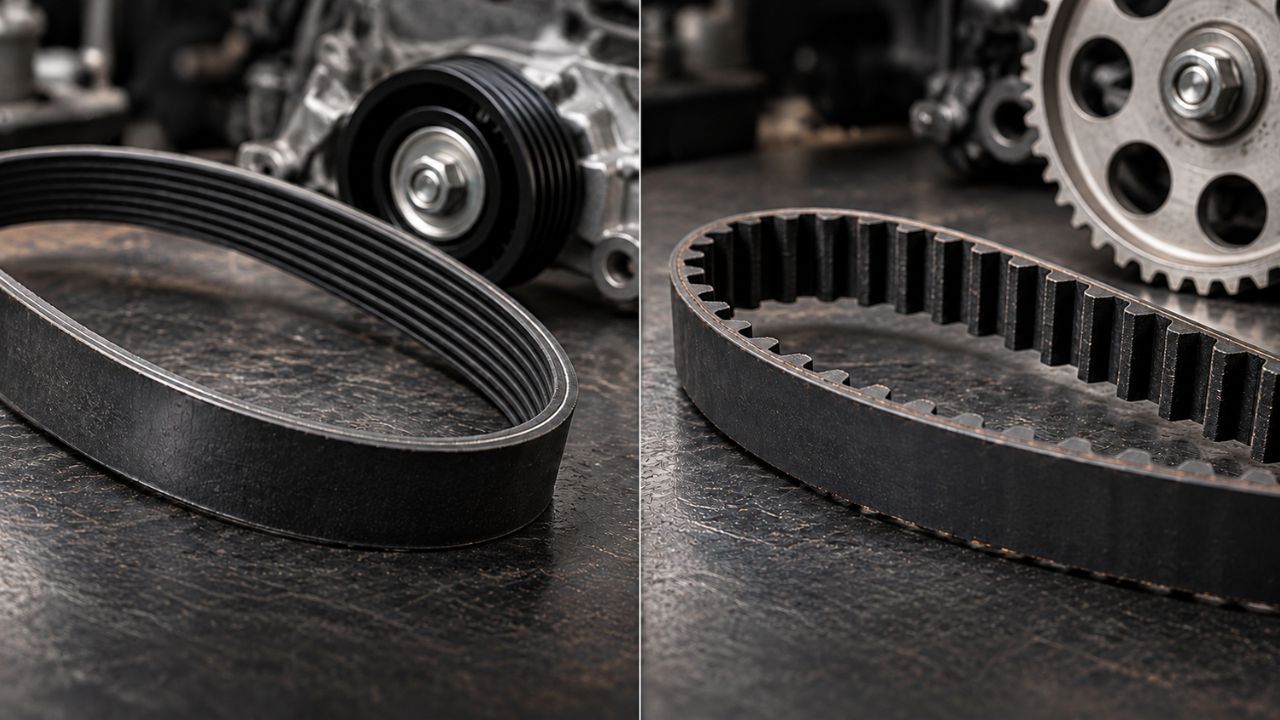
On many cars, a belt turns the alternator as the engine runs. A loose belt may slip and reduce charging. A broken belt can stop the alternator from turning. A worn tensioner or pulley may cause belt trouble, too. This fault can affect more than the battery charge. On some engines, the same belt drives the water pump. Losing it may cause the engine to overheat. Treat these signs as reasons to stop safely and shut off the engine:


  • The temperature gauge climbs or an overheat warning appears.
  • Steering suddenly gets much harder on a belt-driven system.
  • You hear belt noise, then see several warning lights.


3. Loose or Corroded Battery Terminals


Power needs clean, firm connections to flow as it should. Loose clamps or corrosion can disrupt that path. You might spot white or blue-green buildup near a terminal. A connection may look fine yet still fail a test. A bump in the road may make a poor connection worse. That could help explain a light that comes and goes. Still, flickering has other causes, so avoid guessing. Have the terminals checked for both fit and current flow.


4. Damaged Cables or Poor Ground Connections


A battery light on while driving can stem from hidden wire faults. A frayed cable or loose ground can block current flow. Heat, wear, and vibration can harm these parts over time. The battery may receive too little charge despite a working alternator. A cable can have damage beneath its outer cover. A technician can test for power lost across each connection. That helps find the fault before good parts get replaced.


5. A Faulty Voltage Regulator


The voltage regulator helps keep charging within the right range. A fault may allow too little or too much output. Either can cause trouble for the battery and electrical parts. In many cars, this control is built into the alternator. Modern cars may also use computer controls to manage charging. One voltage reading does not settle every case. Testing must follow the specs for your make and model.


6. An Internally Damaged Battery


A battery can develop a failed cell or other internal damage. That may affect charging and trigger a warning on some cars. Yet an old battery alone does not explain every dash light. Both the battery and charging system need tests. Buying a new battery first can become an expensive guess. If another fault stops charging, the new one may drain too. Watch for signs that need professional help:


  • A swollen case, visible leak, or strong sulfur smell.
  • Slow starts along with signs of charging trouble.
  • Repeat loss of charge after a recent battery replacement.


7. A Blown Fuse or Charging Control Fault


Some charging circuits use a fuse or a heavy-duty fuse link. If one opens, charging may stop or its controls may fail. Certain cars also use battery sensors and data connections. Faults there can trigger a charging warning. A blown fuse is a clue, not always the root cause. A short or excess current may have caused it. Never fit a fuse with a higher rating to stop repeat failures. The circuit needs a check so the cause gets fixed.


What to Do With a Battery Light On While Driving


Your first task is to reach a safe stopping place. Avoid sudden moves or stopping in a live traffic lane. On a busy Baltimore road, focus on traffic before the dashboard. Once safe, use these steps to plan your next move:


  1. Reduce extra power use: Switch off heated seats, audio, and other nonessential items. Keep lights, wipers, and defogging on when needed for safety.
  2. Watch for other trouble: Heat, smoke, a burning smell, or hard steering means stop safely and shut down.
  3. Check the owner’s manual: Follow the instructions for your exact warning and vehicle.
  4. Call for help: A tow is the safer choice when the cause is unknown, especially with other symptoms.
  5. Avoid restart tests: Once parked safely, do not keep starting the engine to see whether the light clears.

There is no safe mileage promise for this warning. Remaining charge, power demand, and the fault all affect runtime. Do not treat a nearby destination as proof you can reach it.


How Hamilton Tire & Car Care Can Help

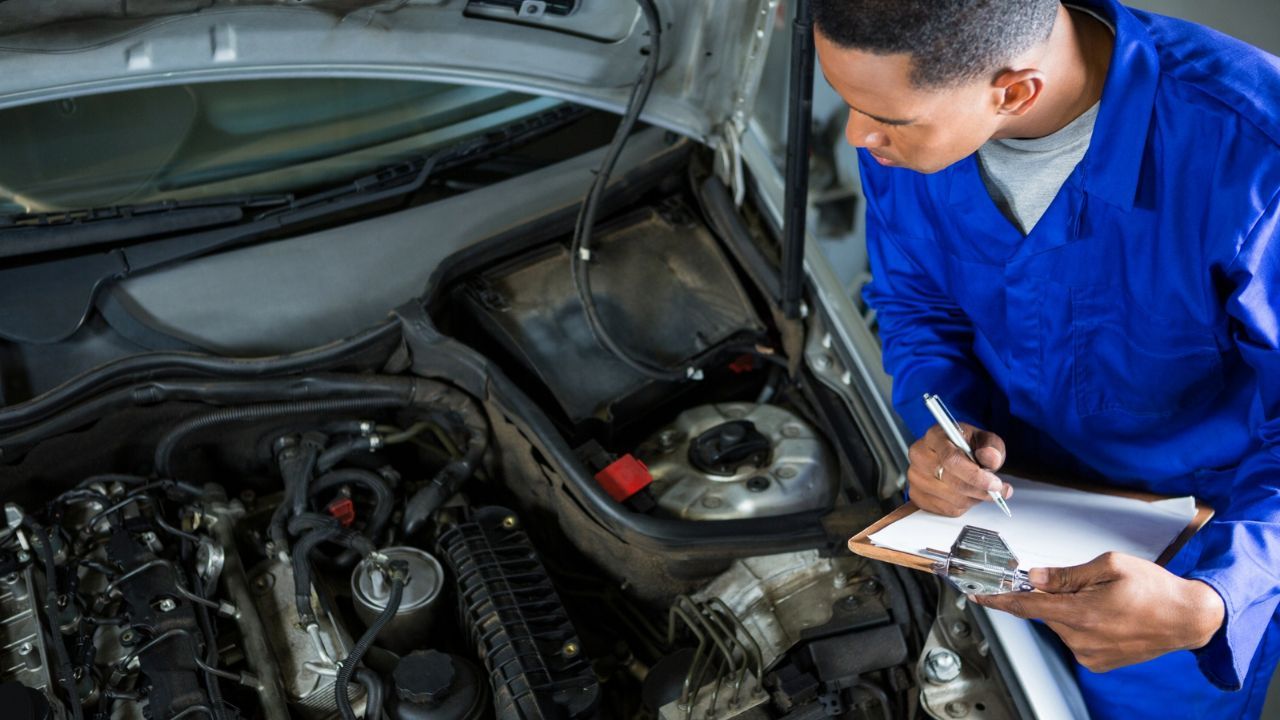
Mechanic in blue overalls holding a wrench beside a car with its hood open in a repair shop.

Finding the cause matters more than clearing the light. Hamilton Tire & Car Care Center offers battery testing and replacement. Its battery service also includes checks of terminals, cables, and charging systems. Those checks help guide the next repair. It also offers electrical repairs and belt inspection services. These fit several causes discussed here. At 5619 Harford Road in Baltimore, the team can assess your symptoms. Ask about these relevant services when booking:


  • Battery service: Test battery health and inspect key connections.
  • Electrical service: Trace wiring faults and check circuit performance.
  • Belts and hoses: Inspect worn belts and replace them when needed.


Tell the shop when the light first appeared. Note whether it flickers, follows a noise, or comes with dim lights. Call 410-426-2220 to discuss the warning and arrange service. If the car has serious symptoms, arrange a tow instead of driving there.


Get the Cause Checked Before Your Next Trip


A battery light on while driving needs care even if the engine sounds fine. The cause may involve a belt, connection, battery, or charging component. Testing helps turn that warning into a clear repair plan. Why risk your next trip on a fault you can check now?


FAQs

Q1: Can I drive with the battery light on?

Stop somewhere safe and seek advice rather than continuing your trip. The engine may stall if the battery loses enough charge. Other faults, such as a broken belt, can add risk. Follow your owner’s manual and arrange a tow when needed.

Q2: Why is the light on with a new battery?

A new battery cannot fix a faulty charging system. The cause may be the alternator, belt, wiring, or a connection disturbed during installation. Have the full system checked before buying more parts.

Q3: Will a jump-start fix the problem?

A jump-start may help start an engine with a low battery. It does not repair the cause of lost charging. The car may stall again once stored power runs low.

Q4: What if the battery light goes off again?

A light that clears can still point to an intermittent fault. Note what happened just before it came on. Arrange testing rather than waiting for it to stay lit.

By jkram200 • November 10, 2026
Learn 8 signs of bad shocks and struts, from bouncing to tire wear. Use this essential guide to spot warning signs and know when to book an inspection.
By jkram200 • November 10, 2026
Learn how to check coolant level in car with 5 easy, essential steps. Read reservoir marks, check a cold engine, and know when low coolant needs expert help.
By jkram200 • October 29, 2026
Learn 5 symptoms of CV joints going bad, including clicking, shaking, and grease leaks. Know when to schedule an inspection and what repair options to discuss.
By jkram200 • October 29, 2026
Compare serpentine belt vs timing belt with 6 key differences. Learn their roles, warning signs, failure risks, and when each belt needs replacement.
By jkram200 • October 29, 2026
How long do rotors last? Learn what affects their lifespan, spot 5 critical warning signs, and know when to schedule a brake inspection or replace worn rotors.
By jkram200 • October 15, 2026
Learn how to follow a car maintenance schedule by mileage or time, know which interval comes first, and understand when early service may be needed.
By jkram200 • October 15, 2026
What does a car tune-up include? Learn about seven essential services, tune-up intervals, warning signs, costs, and what to ask your mechanic.
By jkram200 • October 14, 2026
What is ADAS calibration and why does it matter? Discover when calibration may be needed after windshield, collision, alignment, or sensor repairs.
By jkram200 • October 7, 2026
Learn the ABS light on meaning, 5 common causes, safety risks, and what to do when this critical warning appears on your dashboard.
By jkram200 • October 7, 2026
Learn how often to change a cabin air filter, plus 5 warning signs, mileage tips, and driving conditions that may mean your filter needs replacing sooner.
Show More