Springs carry weight and let the wheels move over bumps. Shocks slow that motion so the car can settle. Struts do that job while also forming part of the wheel’s support. Your car may use struts up front and shocks in back. Good ride control helps keep the tires against the road. That contact matters when you brake, turn, or dodge a hazard. Worn parts can make those moves less steady.
8 Signs of Bad Shocks and Struts to Watch For
1. Your Car Keeps Bouncing After a Bump
One bump should not leave your car bobbing down the block. Worn shocks or struts may let the springs keep moving too long. You might feel your seat rise and fall several times. Take note if the same road feels much bouncier than before.
A parked bounce test cannot clear the whole system. Some worn parts still seem firm when pushed by hand. A shop can check ride control during a safe road test. Do not hit potholes on purpose to test the car.
2. The Front Dips Too Much When You Brake
Some forward weight shift is normal when you slow down. A deep dip, followed by more bobbing, deserves a check. Worn ride control parts can allow too much body motion.
Do not assume the fault lies only with the struts. Brake problems can also change how a car stops. Tell the shop about pulling, pedal changes, or a new noise. These details help guide the checks.
3. The Body Leans Too Much Through Turns
A tall SUV will lean more than a low car. What matters is a clear change from its usual feel. Does a gentle turn now make the body roll sharply? That can point to worn shocks, struts, or other parts. Think of the same turn into your street each day. If it now leaves passengers swaying, pay attention. Avoid fast turns while you arrange a check. Do not try a sharp swerve to confirm the fault.
4. Your Tires Show Cupped Wear
Cupping looks like dips or scoops across the tire tread. Poor control of wheel motion can help cause this wear. Tire noise may grow as the tread wears in patches. But the pattern alone cannot prove the shocks are bad. Low or wrong tire pressure can cause wear problems too. So can wheel balance faults and worn steering parts. Ask for a full check before paying for new parts. New tires need the cause fixed to avoid repeat wear.
5. Oil Runs Down a Shock or Strut
Shocks and struts use fluid to control their motion. Wet streaks or drips can mean a seal has failed. A light film near the seal can be normal, though. Small traces of oil do not always call for replacement.
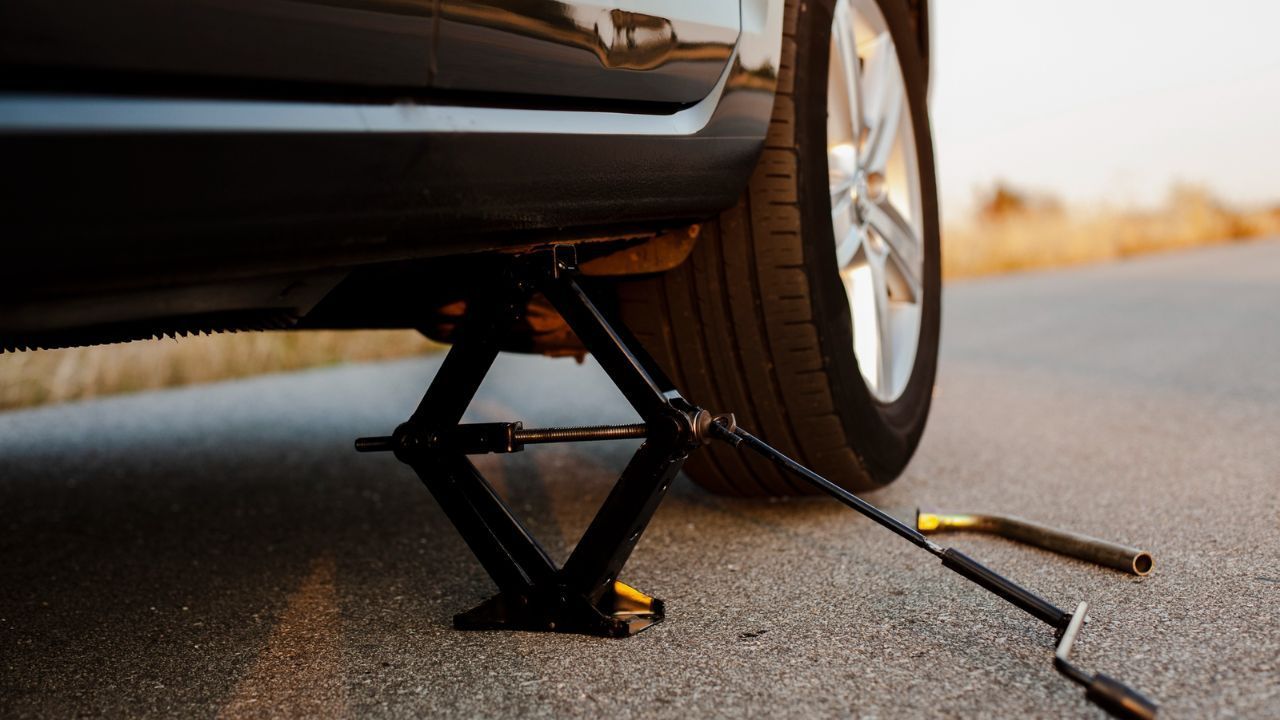
Look from a safe spot with the car parked. Do not crawl beneath a car held by a jack. Let a technician trace the source and judge the leak.
6. You Hear Clunks Over Rough Roads
A new clunk over a small bump needs attention. A worn mount or loose shock hardware may be to blame. Yet sway bar links and other parts can sound much alike. Noise gives the shop a clue, not a firm diagnosis. Is it one clunk at a driveway or several on rough streets? Does it happen while you turn as well? Share those details rather than guessing which part to replace.
7. The Car Feels Loose on Uneven Roads
Worn ride control parts may let wheels bounce too much. That can make the car feel less planted on rough ground. You may need more small steering corrections than before. Treat a sudden change in road feel as a warning.
Tire faults, wind, and alignment can cause similar feelings. These are signs of bad shocks and struts to investigate, not proof. Slow down and leave more room to stop. If the car feels hard to control, pull over safely.
8. You Can See Bent or Broken Parts
A bent rod or broken mount needs prompt expert care. Do not dismiss a fresh change after an impact. A shop should inspect any visibly damaged ride control parts.
A low corner may point to a spring or another fault. It does not prove that a standard shock has failed. Springs usually set ride height on conventional systems. Ask the shop to check the full corner of the car.
What Should You Do When You Notice These Signs?
The signs of bad shocks and struts can overlap with tire and brake faults. That is why the next step is diagnosis. Start with what you can observe without taking parts apart. Use this checklist to prepare for the visit.
- Record the change: Note when it began and whether it followed a hard impact. Describe what feels different on roads you know well.
- Check cold tire pressure: Use the driver’s door placard or owner’s manual. The number on the tire sidewall is not the target pressure.
- Look at the tread: Check for dips, worn patches, cuts, or bulges from a safe position. Photograph anything that looks unusual.
- Share the driving details: Tell the shop whether the issue appears during braking, turns, or bumps. Mention any recent tire or suspension work.
Can You Keep Driving With Worn Shocks or Struts?
There is no safe mileage allowance for a fault you have not diagnosed. A faint noise and severe loss of control need different responses. Call a shop for guidance based on the symptoms. Avoid a long trip while the cause remains unclear.
- Stop safely and seek towing help if steering or braking becomes hard to control, a tire rubs, or a wheel looks out of place.
- Arrange a prompt inspection for ongoing bounce, new clunks, leaks, or tire cupping. Do not wait for several symptoms to appear.
- Skip road tests of your own if the car already feels unstable. Hard braking and sharp turns add risk without confirming the cause.
Get a Clear Repair Plan in Baltimore