Why Does Your Car Make Noise When Turning? 8 Serious Causes

jkram200 • August 12, 2026

Your car makes noise when turning because a steering, suspension, tire, brake, or drive part may be worn, dry, loose, or low on fluid. A soft tire squeal may need a simple pressure check but a hard clunk or harsh grind can point to a safety risk.


Do not turn up the radio and hope the sound leaves. Listen to its tone and note when it starts. Those details help a technician find the fault faster. They may also stop a small repair from becoming a large bill.


Your Car Makes Noise When Turning: Match the Sound First


Before checking parts, focus on two clues. What does the sound resemble? And does it happen while parked, at low speed, or on the road? Think of the noise as your car’s way of dropping hints. A fast click has a different cause than a deep clunk. 

You can use this quick guide to narrow the search:


Sound you hear: Fast clicking during a tight turn
Possible source: Worn CV joint
How urgent is it?: Book service soon

Sound you hear: Whine while moving the steering wheel
Possible source: Low fluid or failing steering pump
How urgent is it?: Check promptly

Sound you hear: Deep clunk over bumps and turns
Possible source: Ball joint, tie rod, or sway bar link
How urgent is it?: Urgent inspection

Sound you hear: Creak at low speed
Possible source: Strut mount, bushing, or dry joint
How urgent is it?: Inspect soon

Sound you hear: Growl that rises with road speed
Possible source: Wheel bearing
How urgent is it?: Urgent inspection

Sound you hear: Harsh grinding near one wheel
Possible source: Brake, bearing, or tire contact
How urgent is it?: Stop and check

Sound you hear: Tire squeal during normal turns
Possible source: Low pressure, poor alignment, or worn tread
How urgent is it?: Check tires today


Clicking or popping on turns with worn CV joints associates steering squeaks with low fluid or trouble in the pump or rack. Stiff steering can appear at the same time. These are useful clues, but a road test and hands-on inspection should confirm the cause.


8 Serious Reasons a Car Makes Noise When Turning


Several parts move or carry more weight as you steer. Wear that stays quiet on a straight road can become clear in a curve. Here are eight common cause mechanics checks.


1. A Worn CV Joint


CV joints send engine power to the wheels while letting them turn. Their grease stays sealed inside a flexible rubber boot. If that boot splits, grease escapes and grit gets inside.


The joint then wears and clicks during tight turns. You may hear a quick “click-click-click” while leaving a parking space. The sound often grows louder when you press the gas. A failed joint can stop power from reaching that wheel, so prompt repair matters.


2. Low Power Steering Fluid

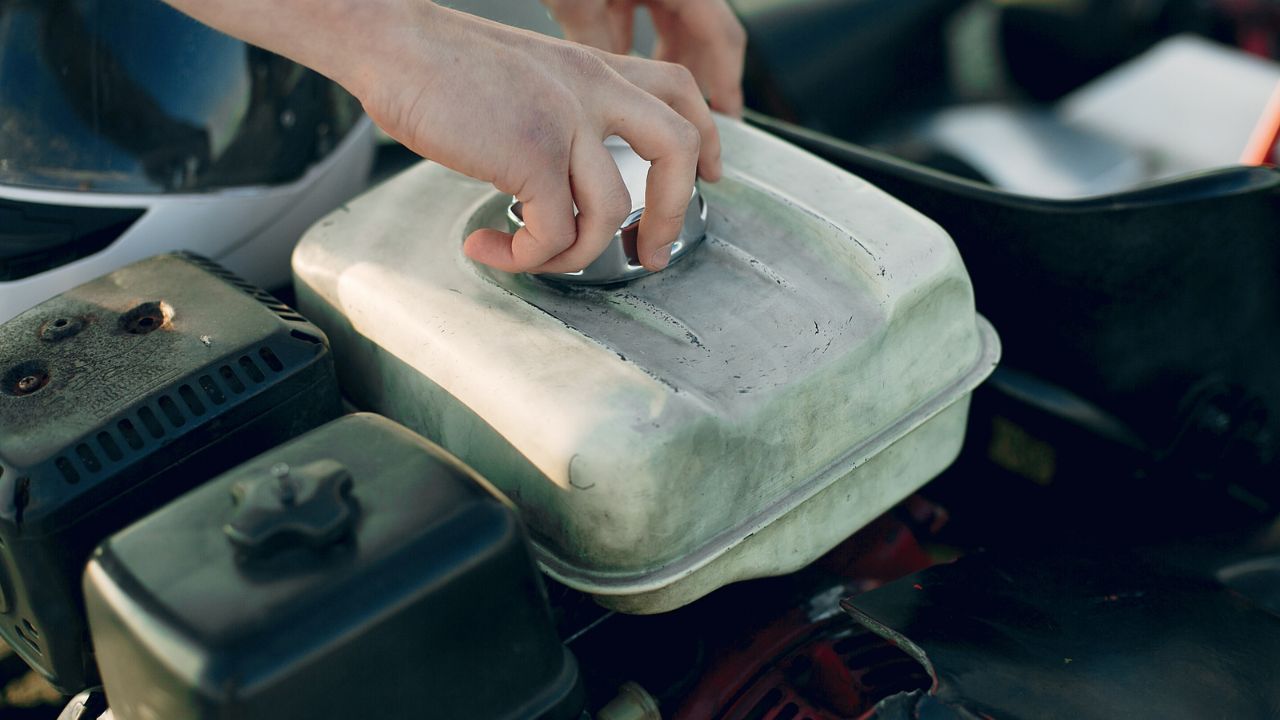
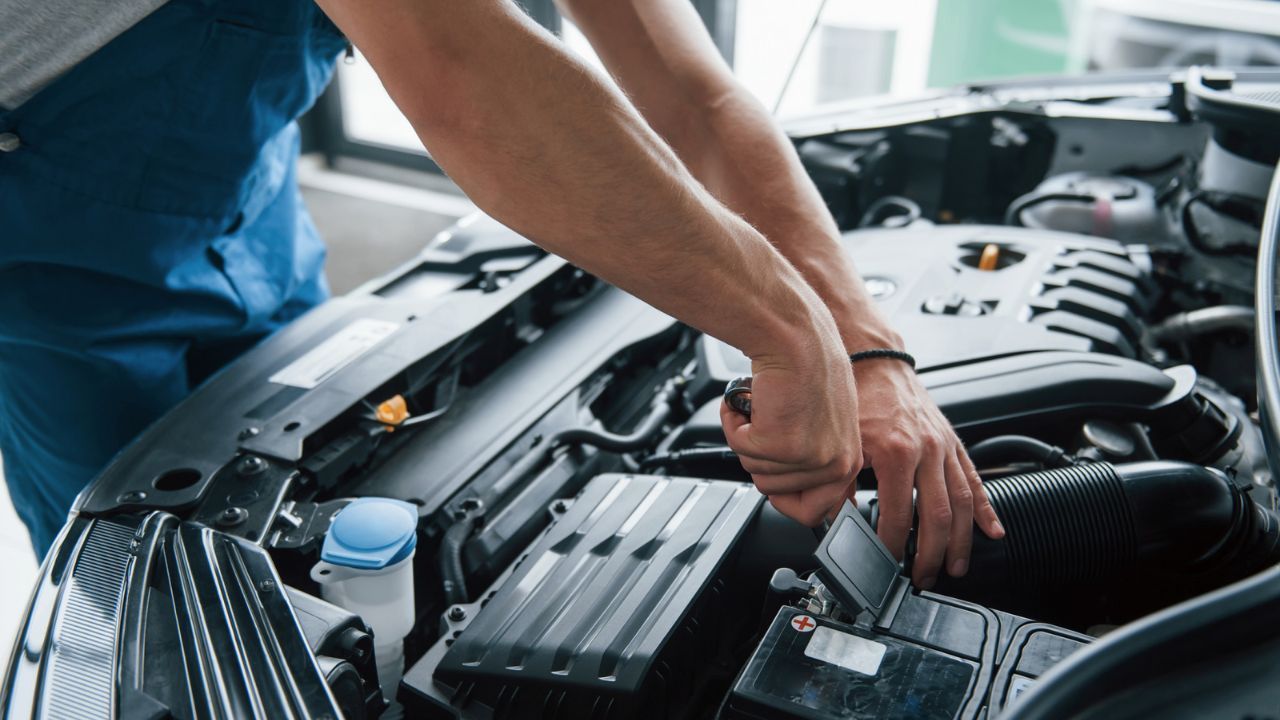
Close-up of a person checking and tightening a gas cap on a vehicle engine as part of routine maintenance.

Many cars use fluid to add steering force. A leak can leave the pump short of the fluid it needs. Air may then enter the system and create a whine or groan. You might also feel a heavy or uneven steering wheel. 


If you experience that, look under the car for oily spots, but do not assume a top-off fixes the fault. A hose, seal, pump, or steering rack may be leaking. Some newer cars use electric steering and have no fluid reservoir.


3. A Failing Power Steering Pump


The steering pump builds the pressure that helps you turn. Worn internal parts may whine, hum, or squeal under load. The sound often becomes clear during slow turns.


Holding the steering wheel hard against its stop can strain the pump. Ease it back once the wheels reach full lock. If the wheel feels stiff or jerky, arrange a check soon. Hamilton Tire and Car Care Center’s power steering service includes checks of fluid, pumps, belts, hoses, and electric parts.


4. Worn Ball Joints or Tie Rod Ends


Ball joints let the suspension move while the wheels steer. Tie rod ends pass your steering input to those wheels. Both parts use joints that can wear or lose grease.


A bad part may knock, pop, or clunk during a turn. The wheel may also feel loose or cause the car to wander. This is not a repair to put off as severe wear can cause loss of steering control or let a suspension joint separate.


5. Damaged Bushings or Sway Bar Links


Rubber bushings keep metal suspension parts from rubbing together. Age, salt, heat, and road impacts can crack or crush them. Once that happens, a turn may bring a dull knock or rubbery squeak.


Worn sway bar links can create a sharper rattle. You may notice it while turning across a rough lot or sloped driveway. The car may also lean more than it once did. These faults rarely fix themselves and often get louder with time.


6. A Worn Strut Mount or Bearing


The top of a front strut often contains a bearing. It allows the strut and spring to turn with the wheel. When that bearing binds, the spring can twist and release with a pop.


You may also hear a creak while steering at low speed. In some cars, the noise happens even while parked. Vehicle-specific causes exist too, so a technician should check service information for your model. 


7. A Failing Wheel Bearing

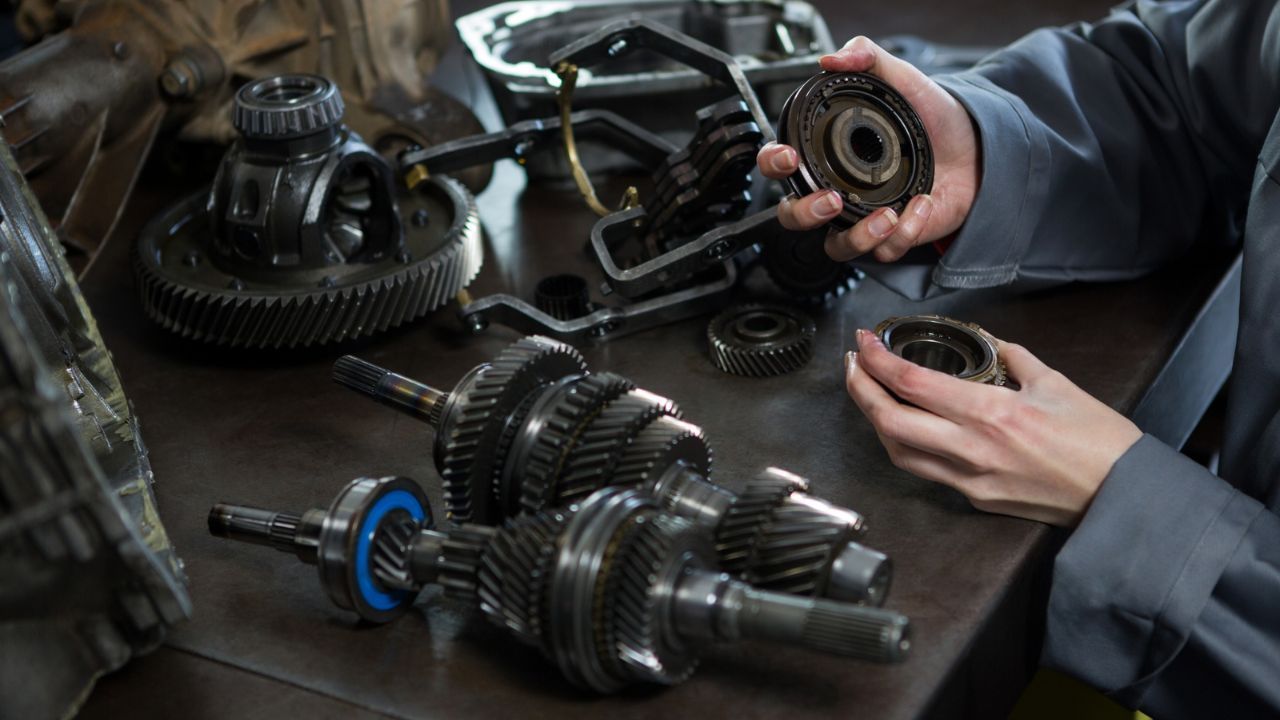
Automotive technician inspecting transmission gears and bearings during a transmission repair and diagnostic service.

A wheel bearing lets the wheel spin with little drag. As its inner surfaces wear, it may hum, growl, or grind. The pitch tends to rise with road speed.


Turning shifts the car’s weight and changes the load on each bearing. That is why the sound may fade one way and grow the other. A badly worn bearing can harm the hub and affect wheel control. Have a growing hum checked before taking a fast highway trip.


8. Tire, Alignment, or Brake Trouble


Sometimes the sound comes from the area around the wheel. Low tire pressure can make the tread scrub and squeal. Poor alignment may also cause feathered wear and weak handling.


A bent brake shield can scrape the rotor during a turn. Worn pads or a sticking brake part may cause grinding. Loose wheel-well trim can even rub the tire at full lock. Therefore, check for visible damage, but never reach near a moving wheel.


Does the Turning Direction Reveal the Cause?


Yes, but it provides a clue rather than a final answer. A noise that changes when you turn left or right often points to one side. The loaded side is not always the faulty side, so avoid ordering a part based on sound alone.


A wheel-bearing growl often gets louder when a turn places more weight on the bad bearing. An outer CV joint often clicks most during a sharp turn under light power. System-wide faults, such as low steering fluid, tend to make noise in both directions.


Tell the technician these details:

  • Whether the noise occurs on left, right, or both turns
  • Whether the car is moving or parked
  • Whether braking changes the sound
  • Whether speed makes it louder
  • Whether the steering wheel shakes or feels heavy
  • Whether the noise began after a pothole hit


In Baltimore, that last detail can be gold. One rough pothole can harm a tire, bend a wheel, or knock alignment out of place.


Is It Safe to Keep Driving?


A faint squeak without any change in control may allow a short trip to a shop. Still, delaying an inspection invites more wear. If your car makes noise when turning and also handles poorly, treat it as urgent.


Stop in a safe place and seek help if you notice:

  • A wheel that feels loose or shakes
  • Steering that suddenly becomes heavy
  • A harsh or constant grinding sound
  • Strong pulling to one side
  • A burning smell or smoke near a wheel
  • A tire rubbing against bodywork
  • A fluid leak with poor steering response


Do not drive if the steering feels hard to control. A tow costs less than a crash or damage to several linked parts.


What Should You Do Next?


Start with easy, safe checks. Read the tire pressures when the tires are cold. Compare them with the label inside the driver’s door, not the number molded on the tire. Then look for uneven tread, a loose wheel-well liner, or fresh fluid beneath the front of the car. Record the sound on your phone if you can do so safely. Do not crawl beneath an unsupported vehicle or touch hot brake parts.


When a car makes noise when turning, the sound may be your first warning. Catching it now can protect the tires, nearby parts, and the person holding the wheel. 


FAQs

Q1: Why does my car make a clicking noise when turning?

A worn outer CV joint is the most common cause. The clicking often speeds up as the car moves.

Q2: Why does my car groan when I turn the wheel?

Low steering fluid, a leak, or a worn pump may cause groaning. Electric steering needs a different diagnosis.

Q3: Why does the noise happen only at low speed?

Slow, tight turns place greater load on CV joints, strut mounts, steering parts, and tires.

Q4: Can low tire pressure cause noise during turns?

Yes. An underinflated tire can flex and scrub across the road, causing squeals and poor steering response.

Q5: Can bad alignment make a car noisy when turning?

Yes. Poor alignment can cause tire scrub and uneven tread wear. It may also make the car pull.

By jkram200 August 12, 2026
Learn when to replace a car battery, spot 6 urgent warning signs, understand its average lifespan, and avoid an unexpected roadside breakdown.
what-does-service-engine-soon-mean
By jkram200 August 12, 2026
Explore seven serious causes of the Service Engine Soon light, easy checks you can make, and clear signs that it is time to visit a trusted mechanic.
signs-of-bad-wheel-bearing
By jkram200 August 6, 2026
Explore six telltale signs of a bad wheel bearing, from humming and grinding noises to loose steering, uneven tire wear, and wheel vibration.
signs-of-bad-spark-plugs
By jkram200 August 6, 2026
Learn seven critical signs of bad spark plugs, what causes them, and how to fix the problem before it affects engine performance or fuel efficiency.
Bad Alternator: Signs, Causes, and How to Fix It
By jkram200 August 6, 2026
Learn the common signs and causes of a bad alternator, how to test it, and what you can do to fix the problem before your car breaks down.
how often to get oil change
By jkram200 July 27, 2026
Learn how often to get an oil change based on mileage, oil type, driving habits, vehicle age, and your manufacturer’s recommended service schedule.
v
By jkram200 July 27, 2026
Brakes may last 25,000 to 70,000 miles, depending on several factors. Discover seven warning signs and learn when to schedule an inspection..
power-steering-fluid-leak
By jkram200 July 27, 2026
Notice stiff steering, strange noises, or fluid under your car? Learn seven critical signs of a power steering fluid leak, common causes, costs, and fixes.
how-long-do-brake-pads-last-guide
By jkram200 July 13, 2026
Most brake pads last 30,000-70,000 miles. Discover what shortens their lifespan, when to replace them, and simple maintenance tips.
By jkram200 July 13, 2026
Learn how long an oil change takes, what affects service time, 7 common delays, and expert tips to get back on the road faster.
Show More