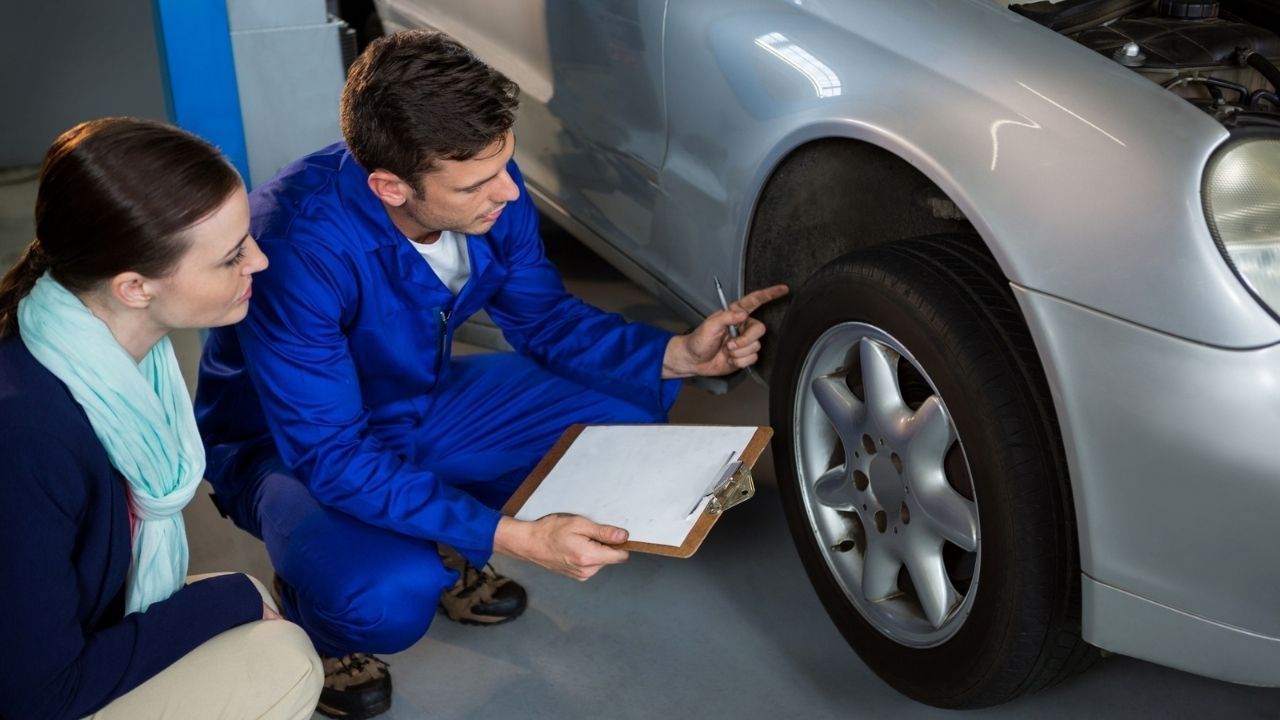
The six main signs of bad wheel bearing trouble are unusual noise, vibration, loose steering, uneven tire wear, dashboard warnings, and pulling. One symptom does not always prove bearing failure. Yet two or more signs deserve a prompt inspection.
1. Growling, Humming, or Grinding Noise
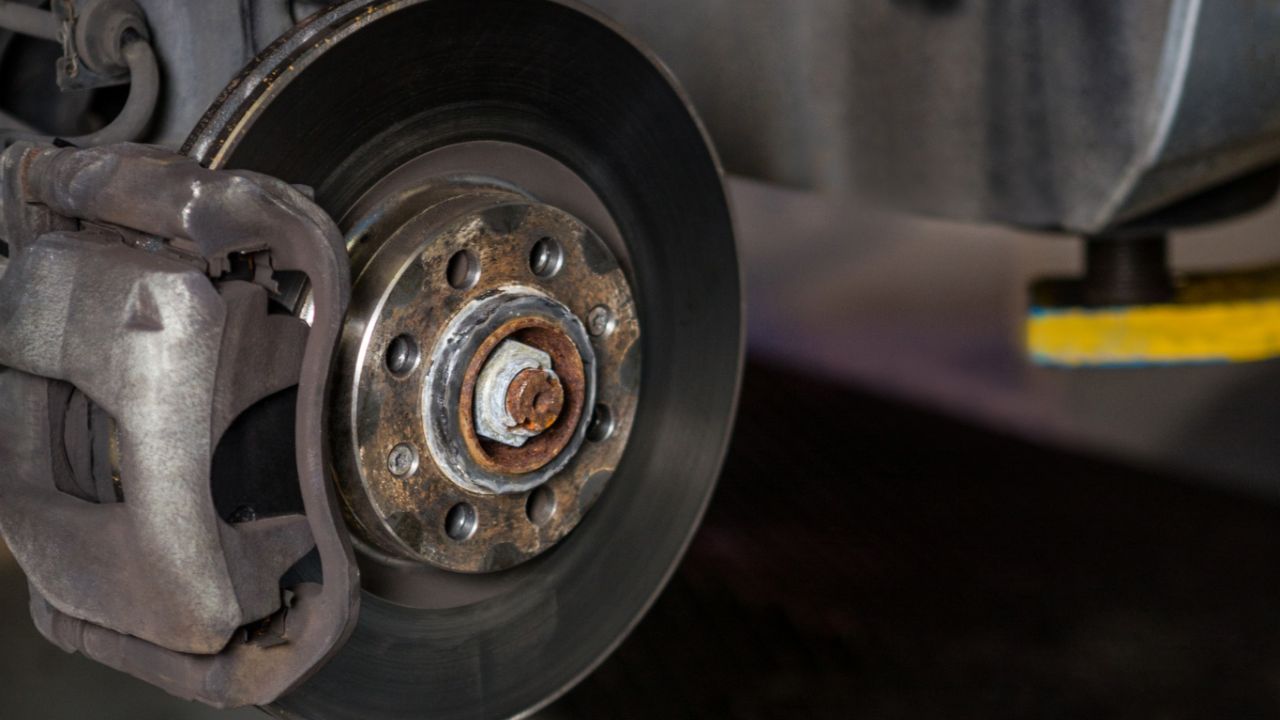
A worn bearing often creates a low hum or growl. The sound may remind you of loud road noise, yet it usually gets louder as the car speeds up.
The noise may also change during a gentle turn. When you turn left, weight shifts toward the right wheels. A louder sound may point toward a worn right bearing.
Still, this road test is only a clue. Tire wear and damaged CV joints can make similar sounds. An expert inspection can find the true source. Grinding deserves far more concern than a soft hum.
It may mean the bearing surfaces have severe damage. Park the vehicle until a technician checks it.
2. Vibration Through the Wheel or Floor
An unbalanced tire often shakes within a narrow speed range. Bearing vibration may keep growing as speed rises. You might feel it through the steering wheel or floor.
At first, the shake may seem minor. Many drivers assume a tire balance will fix it. But what if balancing changes nothing? That failed fix offers a useful clue. The technician should inspect the hub, bearing, tire, and suspension. Guessing can waste both time and money.
Hamilton Tire Car Care Center
offers
Tire Balance Service for these concerns. Its technicians can check whether tire balance causes the shake. If not, they can look deeper.
3. Loose or Vague Steering
It is not always a wild steering wobble. The car may simply feel less steady than usual. Small steering moves might bring slow or unclear responses. You may also notice wandering on a straight road. That feeling becomes clear on I-95 or I-695 as highway speed tends to expose wheel play fast.
Loose tie rods can create the same concern. Poor alignment may also make the vehicle wander. The bearing must be tested before repairs begin.
4. Uneven Tire Wear
Uneven tread alone cannot confirm a failed wheel bearing. Low pressure, worn shocks, and bad alignment are more common causes. The wear pattern still deserves attention.
A loose bearing lets the wheel shift under road load. That movement may change how the tire meets the pavement. Some tread areas then wear faster. Check each tire every few weeks by running your hand lightly across the tread when parked. Do you feel dips, waves, or rough edges?
Pair that wear with noise or steering changes. Together, those clues carry far more weight. Tread wear by itself tells only half the tale.
Hamilton Tire Car Care Center’s
Steering and Suspension Service
can help here. Technicians inspect steering parts, suspension parts, and tire condition. This helps prevent an incorrect alignment-only diagnosis.
5. ABS or Traction Control Warning Light
A bad bearing can trigger an ABS warning light. Many modern hub units work beside a wheel-speed sensor. Some include a magnetic encoder ring within the bearing.
Extra bearing play can disturb the sensor reading. Damage or debris may also affect that signal. The control unit then sees mismatched wheel speeds.
Still, an ABS light has many possible causes. Bad wiring, damaged sensors, and low battery voltage can trigger it. A diagnostic scan should guide the next step. But do not assume it is “just a sensor.” The light could warn of a larger hub problem. That risk deserves a proper check.
6. Pulling to One Side
A worn bearing can make the car pull sideways. This sign is less common than humming or vibration. Still, it may appear as bearing play grows. Most drivers blame tire pressure or alignment first. Those are fair possibilities and should be checked. Brake drag can also cause a strong pull.
Notice when the pulling happens. A constant pull may suggest tires, alignment, or bearing wear. Pulling only while braking may point toward brake trouble.
What Causes Wheel Bearings to Fail?
Road damage often cuts bearing life short. One hard pothole hit can harm a bearing seal. Repeated impacts place even more stress on the hub. Also, salt and dirty water create another threat. They can reach the bearing once its seal weakens. Rust then attacks its smooth metal surfaces.
Current guidance does not support one fixed replacement interval. Bearings may last well past 100,000 miles in good conditions. Rough roads and water exposure can shorten that life.
Common causes include:
- Deep potholes and repeated curb impacts
- Water, dirt, and salt entering damaged seals
- Poor installation or incorrect axle-nut torque
- Normal wear after years of driving
A heavy hit does not always cause instant noise. The damage may grow over several months. Keep listening after any harsh pothole strike.
Is It Safe to Drive With a Bad Wheel Bearing?
No. Driving with a confirmed bad bearing is not safe. The part will not heal or improve with use. The bearing may overheat as internal friction grows. Steering control can worsen as wheel play increases. In rare, severe cases, the wheel may lock or separate.
A soft hum may allow a careful drive to a nearby shop. Grinding, strong shaking, or obvious wheel movement changes that advice. Arrange a tow instead.
Never test wheel play beneath an unsafe vehicle. A proper lift and trained technician offer far better protection. Leave that test to the shop.
What Should You Do When These Signs Appear?