Uneven Tire Wear: 8 Serious Causes and Proven Solutions

jkram200 • June 9, 2026

While driving, at some point, you might have noticed uneven tire wear. But what does that mean? It usually points to a vehicle problem. But, here’s what’s surprising. It is rarely caused by the tire alone. 


Some factors that are responsible for this uneven tire wear are issues like poor alignment, worn suspension parts, or incorrect tire pressure. The idea is to find the cause early so you can save money and improve safety.


Many drivers notice strange tread wear and buy new tires. Unfortunately, that often treats the symptom, not the cause. If the real issue remains, the new tires may wear out quickly too.


So what should you do first?

Start by understanding what your tires are trying to tell you.


What Your Tire Wear Pattern Is Telling You


Your tire tread leaves clues behind. Different wear patterns point to different problems.


That is why two tires with similar damage may need completely different repairs. Looking closely at the tread can help you avoid unnecessary costs.


Think of your tire like a messenger. The wear pattern often reveals what is happening underneath.

Here are the most common patterns:


Wear Pattern: Center Wear
What It Looks Like: Middle tread wears faster
Likely Cause: Overinflation

Wear Pattern: Edge Wear
What It Looks Like: Both outer edges wear faster
Likely Cause: Underinflation or overloading

Wear Pattern: One-Sided Wear
What It Looks Like: Inner or outer edge wears more
Likely Cause: Wheel alignment issue

Wear Pattern: Feathering
What It Looks Like: Tread feels rough in one direction
Likely Cause: Toe misalignment

Wear Pattern: Cupping
What It Looks Like: Scalloped or wavy tread surface
Likely Cause: Worn shocks or suspension


Many drivers miss these signs completely. But a quick inspection can reveal a lot.


8 Causes of Uneven Tire Wear and Their Solutions


Most uneven tire wear comes from mechanical issues. Some are simple fixes, while the others need professional attention.

The key is finding the cause before replacing tires.


1. Incorrect Tire Pressure


Wrong tire pressure is a common cause of tread wear. Too much air causes center tread wear. On the other hand, too little air wears both outer edges faster.


Many people rely on the TPMS warning light. But that can be misleading. The light often activates only when pressure becomes very low. A tire can be several PSI off without warning.


Check pressure at least once each month. Use the number listed inside the driver's door. Do not use the pressure printed on the tire sidewall.


Small pressure mistakes create big wear problems.


2. Wheel Misalignment

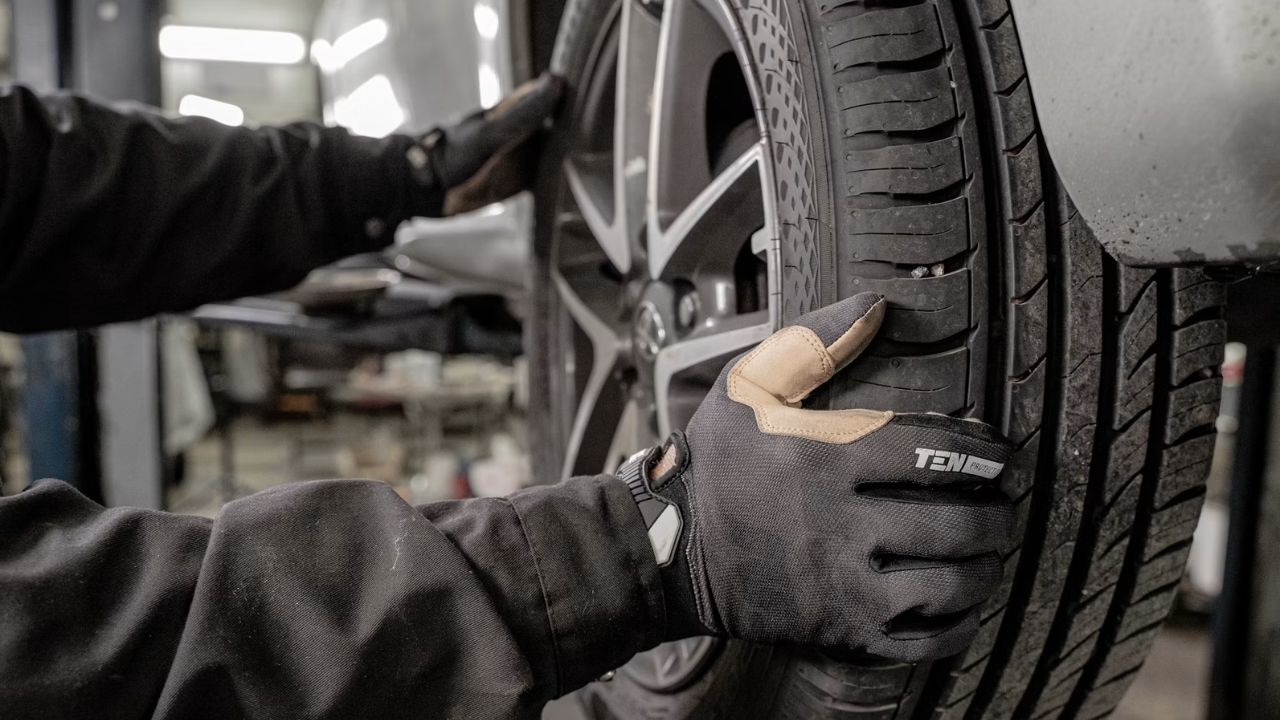
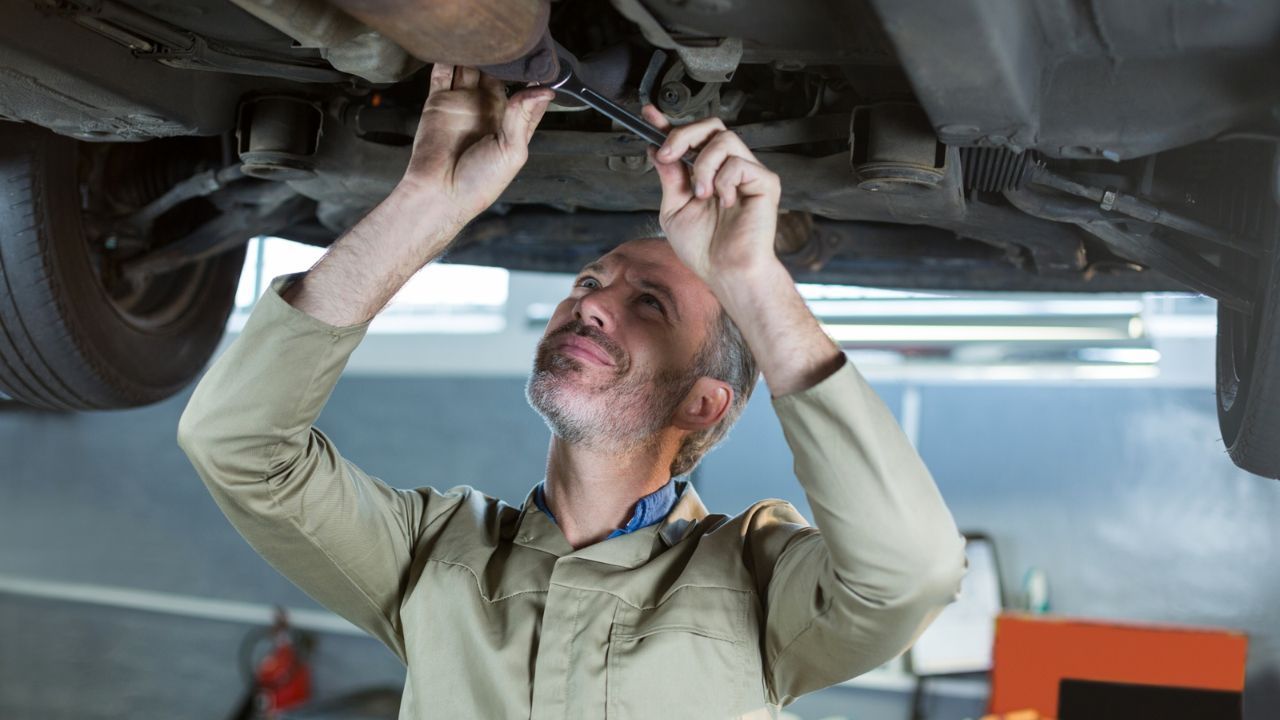
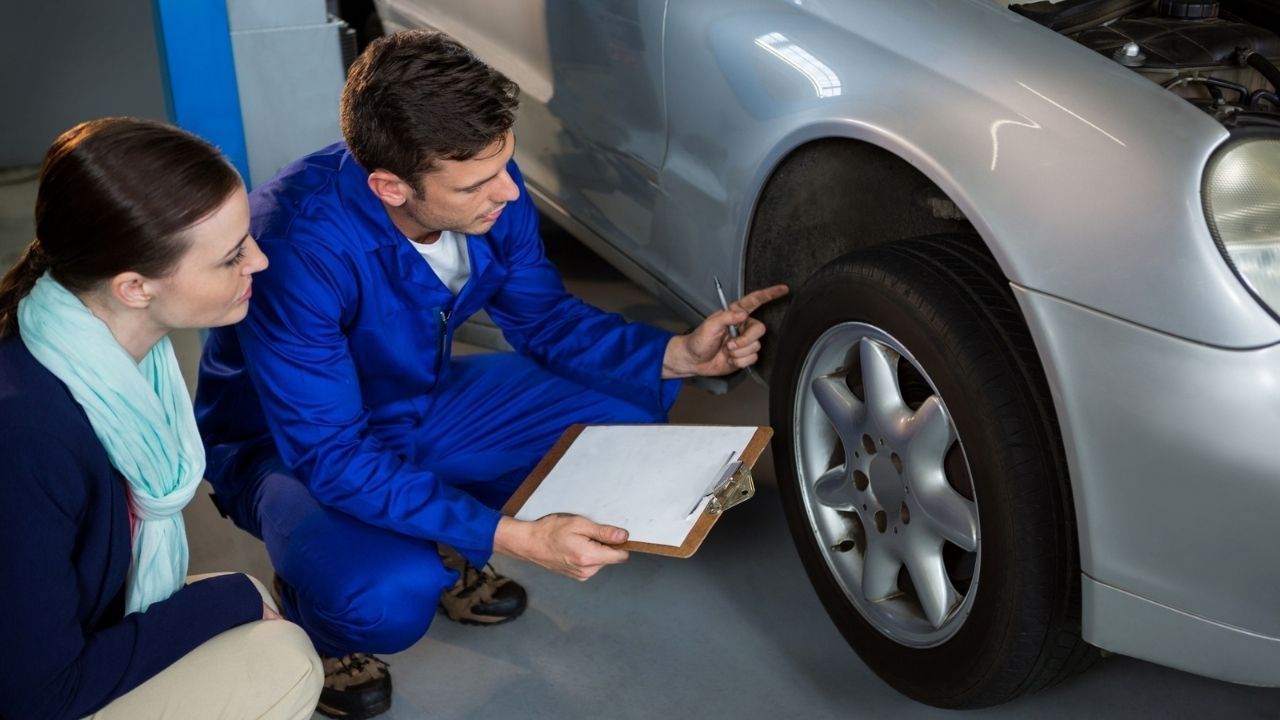
Automotive technician inspecting tire tread depth and wear patterns

Alignment issues slowly grind away your tread. When wheels point in slightly different directions, tires scrub across the road surface. That extra friction removes rubber faster. 


Camber problems often wear one edge, and toe problems usually create feathering. Have you ever felt a tire that feels rough one way? That is often a toe issue.


Also, potholes frequently cause alignment changes. So do curb impacts and rough roads. A professional alignment usually solves the problem. The sooner you fix it, the better.


3. Worn Suspension Components


Suspension parts keep tires firmly planted on the road. When shocks or struts wear out, the tire starts bouncing. That repeated movement creates uneven contact with the pavement. Over time, cupping begins to appear.


Drivers often notice vibration first. Road noise may increase as well.


A simple bounce test can help here. To test, push down on one corner, and then release it. If the vehicle keeps bouncing, worn shocks may be involved.


Do not ignore those symptoms.


4. Unbalanced Tires

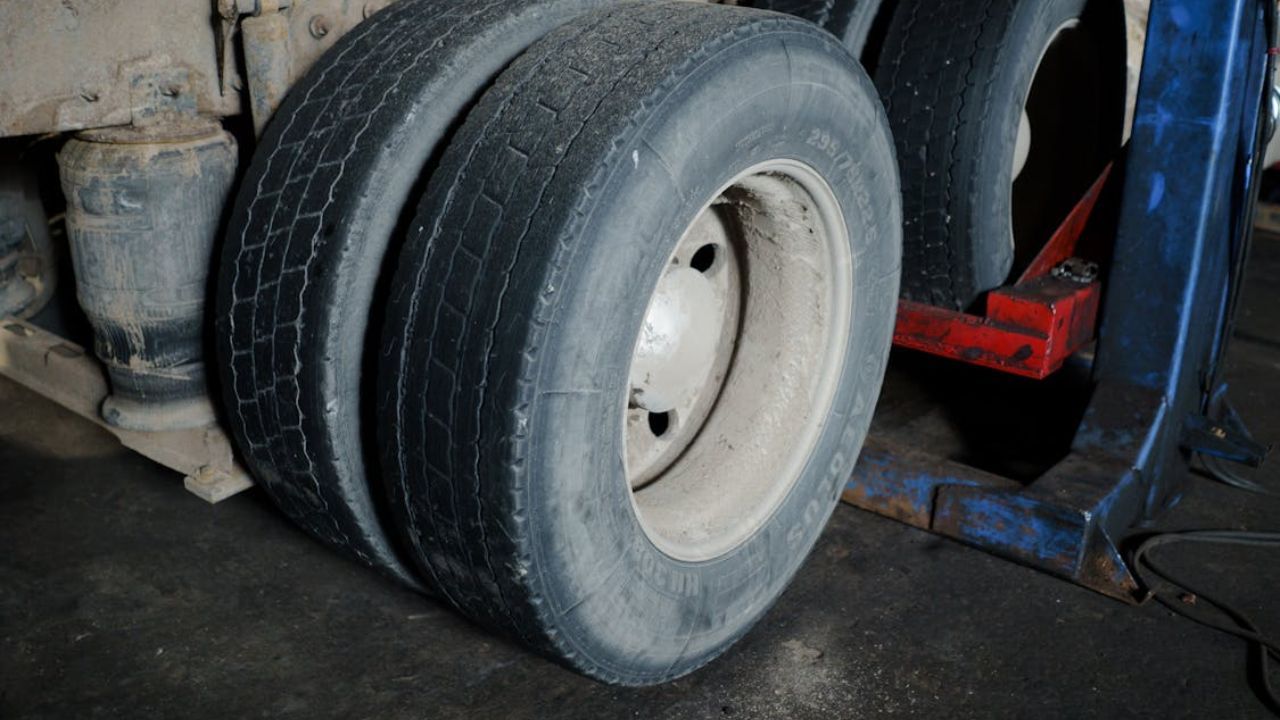
Commercial truck tires displaying severe uneven wear and tread deterioration

Many people confuse balancing with alignment. They are completely different services.


Alignment adjusts wheel angles. Balancing distributes weight evenly around the tire and wheel assembly. When weight is uneven, vibration develops. That vibration creates irregular wear over time.


Most drivers notice shaking around highway speeds. If your steering wheel vibrates, check balance first. The fix is usually quick and affordable.


5. Bent or Damaged Wheels


A damaged wheel can create surprising tire wear. A hard pothole impact may bend the rim. Small cracks can also develop.


The damage is not always obvious. Sometimes it cannot be seen without inspection. Even a slight bend affects tire contact.


If only one tire shows unusual wear, check the wheel. That often provides the answer. One bad impact can start months of wear.


6. Skipping Tire Rotation


Tires do not wear evenly on their own.


Front tires usually work harder than rear tires. This is especially true on front-wheel-drive vehicles. They handle steering, braking, and power delivery.


Without regular rotation, front tires wear much faster. Eventually, the difference becomes obvious.


Most manufacturers recommend rotations every 5,000 to 7,500 miles. Following that schedule helps tires wear more evenly. It is one of the simplest maintenance tasks available.


7. Aggressive Driving Habits


Driving style also affects tire life more than many realize.


Fast cornering pushes extra weight onto tire shoulders. Also, hard braking creates heat and friction. Over time, those forces remove tread unevenly.


Everything else may be perfect. Alignment could be correct. Tire pressure could be ideal. Yet wear still appears.

Sound familiar?


The cause may be behind the steering wheel. Checking tread more often helps identify problems early.


8. Overloading Your Vehicle


Too much weight creates extra tire stress. Every tire has a load rating. Exceeding that rating increases sidewall flex. The shoulders begin carrying more of the load, developing edge wear quickly.


The wear pattern often resembles underinflation. That can make diagnosis difficult. The difference is timing.


Underinflation usually creates gradual wear. Overloading can cause damage during one long trip.


In recent times, a full set of mid-range replacement tires for a standard sedan typically runs $400–$700 installed, not counting the alignment or suspension repairs that caused the wear.


That makes prevention much cheaper.


How to Check for Uneven Tire Wear at Home

Checking your tires takes only a few minutes.


Start with a visual inspection. Compare the inner edge, center tread, and outer edge. Look for obvious differences.

Next, use your hand. Slide your palm across the tread blocks. Feathering feels rough one way and smooth the other. Cupping feels uneven and wavy.


Many technicians use this same method.

You can also:

  • Compare all four tires
  • Look for tread wear bars
  • Measure tread depth in several spots


Small details often reveal big problems.


How to Prevent Uneven Tire Wear

Preventing uneven tire wear is easier than fixing it.


Most problems develop slowly. However, routine maintenance stops them before damage becomes expensive.

Focus on four habits:


  1. Check tire pressure every month.
  2. Rotate tires every 5,000-7,500 miles.
  3. Inspect tread during oil changes.
  4. Check alignment yearly or after major impacts.


As of 2026, most manufacturer recommendations call for a tire rotation every 5,000-7,500 miles, though EVs and performance vehicles often need more frequent checks due to higher torque loads on tires.


These habits take little effort and save plenty of money.


Should You Replace Tires or Fix the Cause First?

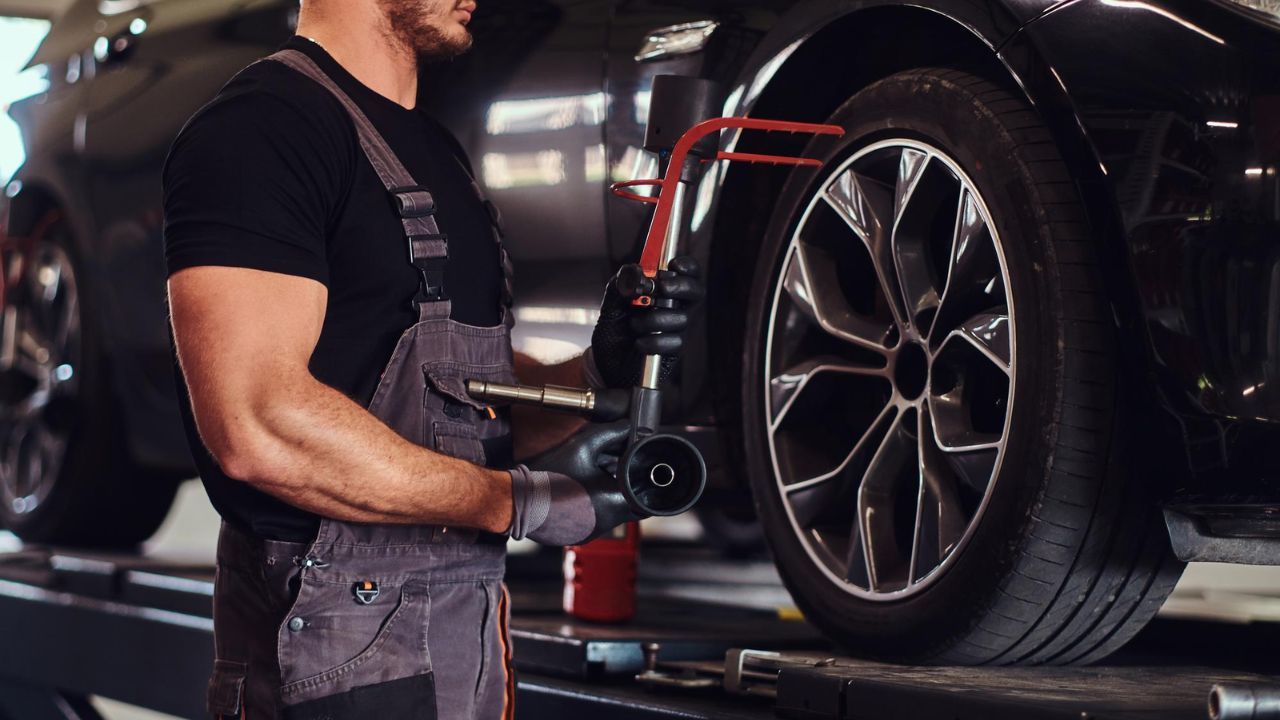
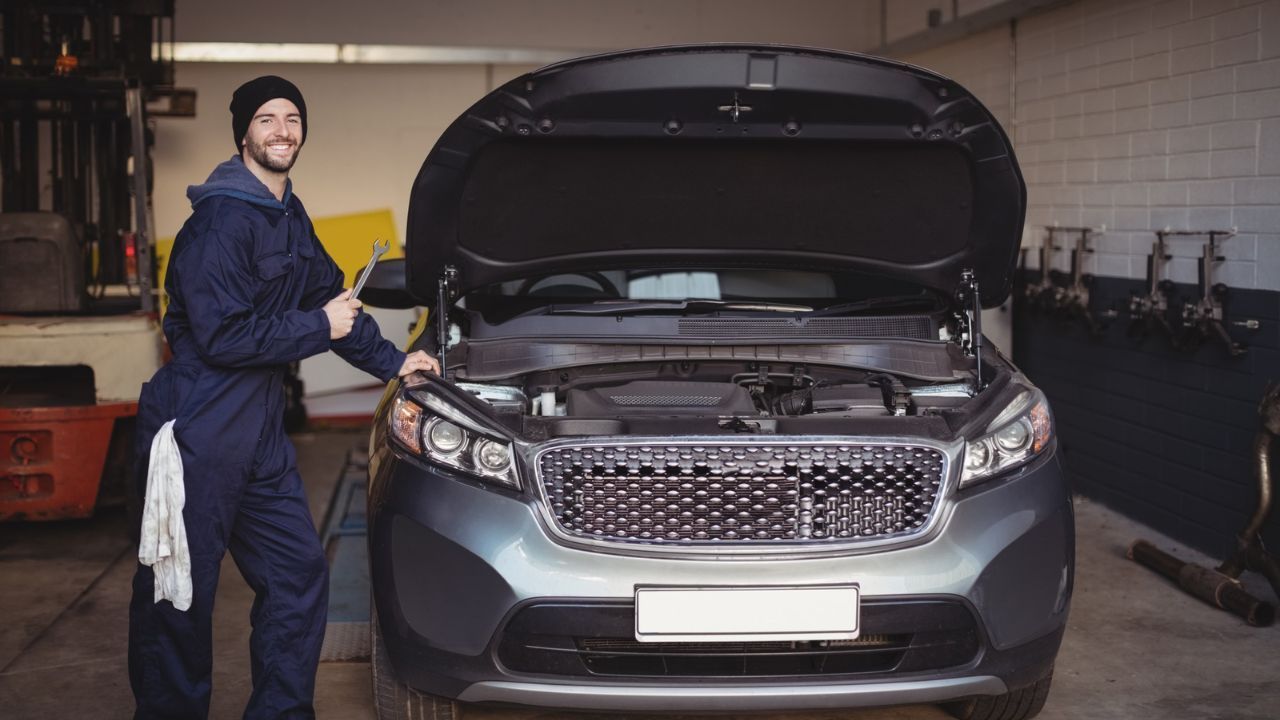
Professional mechanic performing wheel alignment and tire service

Fix the cause first whenever possible. New tires cannot solve alignment issues. Also, they cannot repair worn suspension parts either. If the underlying problem remains, the new tires will wear the same way.


There is one exception.


Replace tires immediately if tread depth falls below 2/32 inch. At that point, safety becomes the priority. Many tire experts suggest replacing tires around 4/32 inch for better wet-weather performance.


Hamilton Tire & Car Care Center helps drivers identify the root cause before tire damage becomes expensive. Services such as wheel alignment and tire rotation often prevent premature tire replacement.


A simple diagnosis can save hundreds of dollars.

Final Thoughts


Uneven tire wear is a warning sign. It should never be ignored. The tread pattern often reveals problems before larger failures appear. Catching those issues early can improve handling, safety, and tire life.


Instead of asking whether you need new tires, ask a different question. What caused the wear in the first place?


FAQs

Q1: What is the most common cause of uneven tire wear?

Incorrect tire pressure and wheel misalignment are the two most common causes. Both can create noticeable tread wear within a few thousand miles.

Q2: Can bad shocks cause uneven tire wear?

Yes. Worn shocks allow the tire to bounce against the road, creating cupping or scalloped wear patterns.

Q3: How often should tires be rotated?

Most vehicles benefit from tire rotation every 5,000 to 7,500 miles, though specific intervals vary by manufacturer.

Q4: Is uneven tire wear dangerous?

It can be. Uneven wear reduces traction, increases stopping distances, and may affect steering stability.

Q5: Should I get an alignment when buying new tires?

Yes. If alignment issues cause wear, correcting them during tire installation helps protect your investment and extend tire life.

By jkram200 June 9, 2026
Discover the advantages and disadvantages of both transmission types and determine which option suits your lifestyle best.
identify-dry-rot-tires-warning-signs
By jkram200 June 9, 2026
Not sure if your tires have dry rot? Learn 9 clear signs, what causes cracking, and when it's time to replace your tires.
By jkram200 June 1, 2026
Want your engine to last longer? These 6 proven engine maintenance checks help prevent overheating, oil issues, and poor performance.
By jkram200 June 1, 2026
Searching for quieter EV tires? Explore 8 proven electric vehicle tire options designed for low road noise and smooth performance.
By jkram200 June 1, 2026
Small tire problems become dangerous quickly. Discover 5 warning signs that mean you need tire repair service before a blowout happens.
By jkram200 May 15, 2026
Compare the best engine degreasers for tough grease, oil stains, and dirt. Find the right cleaner for your car today.
By jkram200 May 15, 2026
Ignoring brake vibrations can be risky. Learn the top causes and how to fix your car shaking issue before it gets worse.
emissions-system-problem-causes-signs-fixes
By jkram200 May 15, 2026
Learn the real causes, warning signs, and quick fixes for emissions system problems before costly damage happens. Simple guide for every driver.
engine-oil-dipstick-check-guide
By jkram200 May 5, 2026
New to car maintenance? Follow these 6 easy steps to check your engine oil dipstick and keep your engine running smoothly.
car-ac-refrigerant-leak-repair-fixes
By jkram200 May 4, 2026
Try 8 easy fixes for car AC refrigerant leaks. Learn what works, what doesn’t, and how to restore cooling without overspending.
Show More