How Long Does an Oil Change Take? 7 Proven Facts Every Driver Should Know
Most people ask this question for a reason. They have work, school pickups, or weekend plans waiting. Nobody wants to waste half a day inside a waiting room. Knowing what actually affects service time helps you plan better and avoid frustration.
To clear it, an oil change usually takes 15 to 45 minutes, but your total visit may last longer. But that’s just the oil change time. There are many other factors that contribute to the entire visit duration.
Every oil change is different. Your vehicle matters, the shop matters, and even the time you arrive matters. Once you understand those factors, the waiting game makes much more sense.
Let's break down the facts every driver should know.
1. How Long Does an Oil Change Take at Different Shops?
You can expect an oil change to take 15 to 45 minutes in most cases. Some visits finish faster while others naturally take longer.
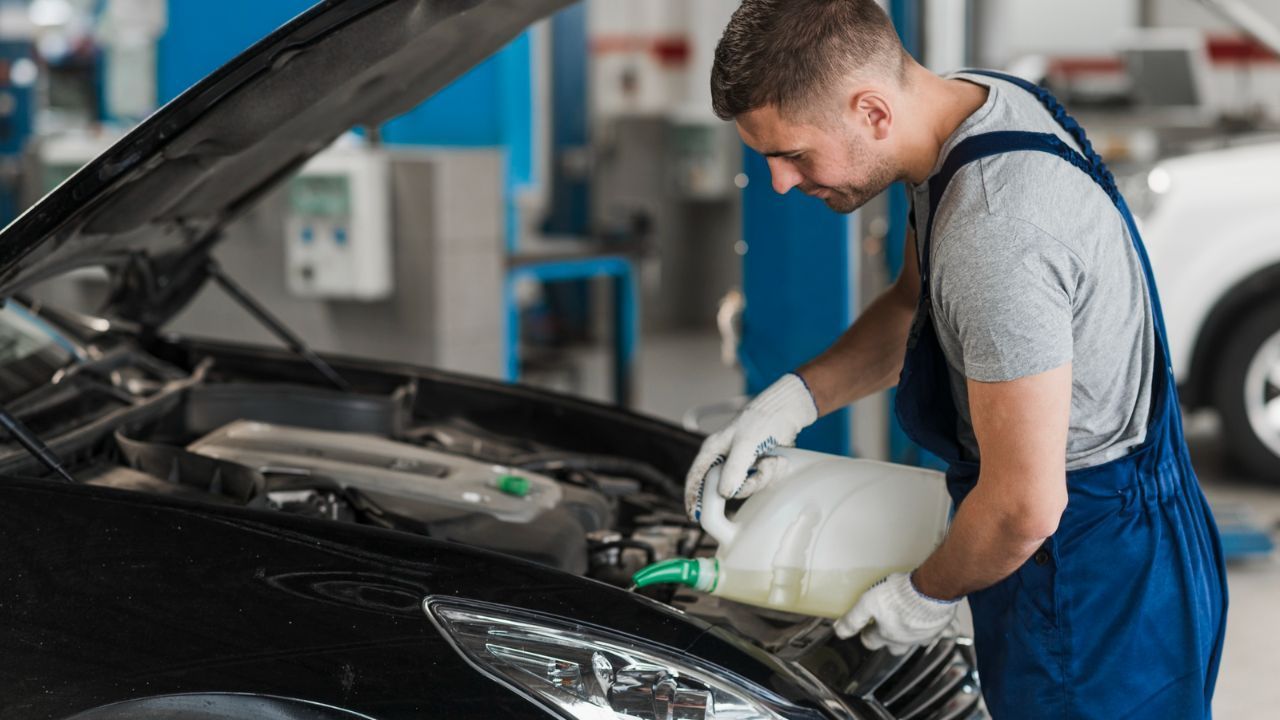
Quick-lube centers focus almost entirely on oil changes. Their workflow stays simple with cars moving through the service bays quickly. A full-service repair shop works differently. Technicians inspect several components while servicing your vehicle. That extra care adds time but often provides greater value.
Dealerships usually follow manufacturer inspection checklists. Those inspections help protect warranty coverage. They also explain why dealership visits often last longer.
Here's a simple comparison.
Service Type: Quick lube
Typical Time: 15–20 minutes
Usually Includes: Oil and filter replacement
Service Type: Full-service repair shop
Typical Time: 30–45 minutes
Usually Includes: Oil change plus inspection
Service Type: Dealership
Typical Time: 45–60 minutes
Usually Includes: Manufacturer service checklist
Service Type: DIY at home
Typical Time: 45–120 minutes
Usually Includes: Depends on skill and cleanup
These times describe the service itself and do not include waiting in line.
2. Your Wait Starts Before Your Car Enters the Bay
Many drivers only count technician time. But shops count the entire visit.
The time starts when you arrive, and someone checks your mileage. Another vehicle may already sit ahead of yours. Then the technician pulls your car inside. After the work finishes, someone reviews the inspection and processes payment. Those small steps quickly add several minutes.
Have you ever wondered why one driver leaves first despite arriving later? Appointments often explain the difference. Scheduled customers usually move through check-in faster than walk-in visitors.
Busy weekends also change everything. Baltimore repair shops often see their largest crowds on Saturday mornings. Tuesday and Wednesday mornings usually feel much quieter.
3. Your Vehicle Can Add Extra Minutes
No two vehicles receive exactly the same service. A compact sedan often gives technicians easy access underneath. Larger SUVs and pickup trucks sometimes need extra preparation. Some models have protective skid plates covering important components. Removing those safely takes additional time.
Oil filter location also changes the job. Some filters sit in plain view while others hide behind engine parts or splash shields. That means technicians spend more time reaching them than replacing them.
Oil choice matters too. Synthetic oil protects modern engines well. But many manufacturers still recommend changing it between 5,000 and 7,500 miles. This is when your owner's manual remains the best guide because every engine differs.
Several factors affect service time:
- Vehicle size
- Engine design
- Oil filter location
- Conventional or synthetic oil
- Additional inspection requests
Those small differences explain why two cars rarely leave together.
4. DIY Sounds Faster Than It Really Is
Changing your own oil sounds simple, and when you watch online videos, it often makes the job look easy. But reality feels different for many first-time drivers. You gather tools and wait for the engine to cool, and after draining the old oil, you replace the filter and refill everything carefully. Finally, you transport used oil to a recycling center.
None of those steps feel difficult alone. But together, they easily stretch beyond one hour. You might think that saving labor costs, which honestly feels great, but losing an entire afternoon usually doesn't.
5. The Fastest Option Isn't Always the Smartest
Most drivers want the quickest appointment possible. That's completely understandable, but speed should never be the only deciding factor.
Imagine you're leaving for a family vacation tomorrow. Would you rather save fifteen minutes today or prevent a costly breakdown next week? Most people would choose peace of mind every time.
That's why a professional oil change service by Hamilton Tires & Car Care Center offers more than fresh oil. The experienced technicians here often spot small problems before they become expensive repairs. A worn belt, low coolant, or leaking hose rarely fixes itself.
A full-service visit also gives your vehicle a closer look. That extra attention often saves money later.
Choose the shop that matches your situation.
- Pick a quick-lube shop if you're short on time.
- Choose a repair shop before a long road trip.
- Visit a dealership if your vehicle remains under warranty.
The right choice depends on your vehicle's needs, not the clock.
6. Small Habits Can Save Big Chunks of Time
You can't make technicians work faster, but you can remove delays before they begin. Booking an appointment remains the easiest way to shorten your visit. Many Baltimore drivers still walk in without calling ahead. That works during quiet hours, but it becomes much harder on busy weekends.
Checking estimated wait times online also helps. Many repair shops now post live or updated wait information. A quick look before leaving home may save thirty minutes.
Bring a little information with you as well.
Before arriving, know these details:
- Your current mileage.
- The recommended oil type.
- Any warning lights you've noticed?
- Recent repair history, if available.
Those answers help technicians begin work sooner.
7. Staying on Schedule Keeps Future Visits Short
Many people delay oil changes because the car still feels fine. That decision often creates longer visits later. Old oil loses its ability to protect engine parts. Dirt and sludge begin building inside the engine. Technicians may recommend additional inspections when maintenance falls behind.
Following your owner's manual keeps service simple. Most modern vehicles no longer need oil changes every 3,000 miles. Many safely reach 5,000 to 7,500 miles, while some synthetic oils last even longer.
Why Preventive Maintenance Matters

An oil change should never be viewed as an isolated service. It works best as part of a larger maintenance plan.
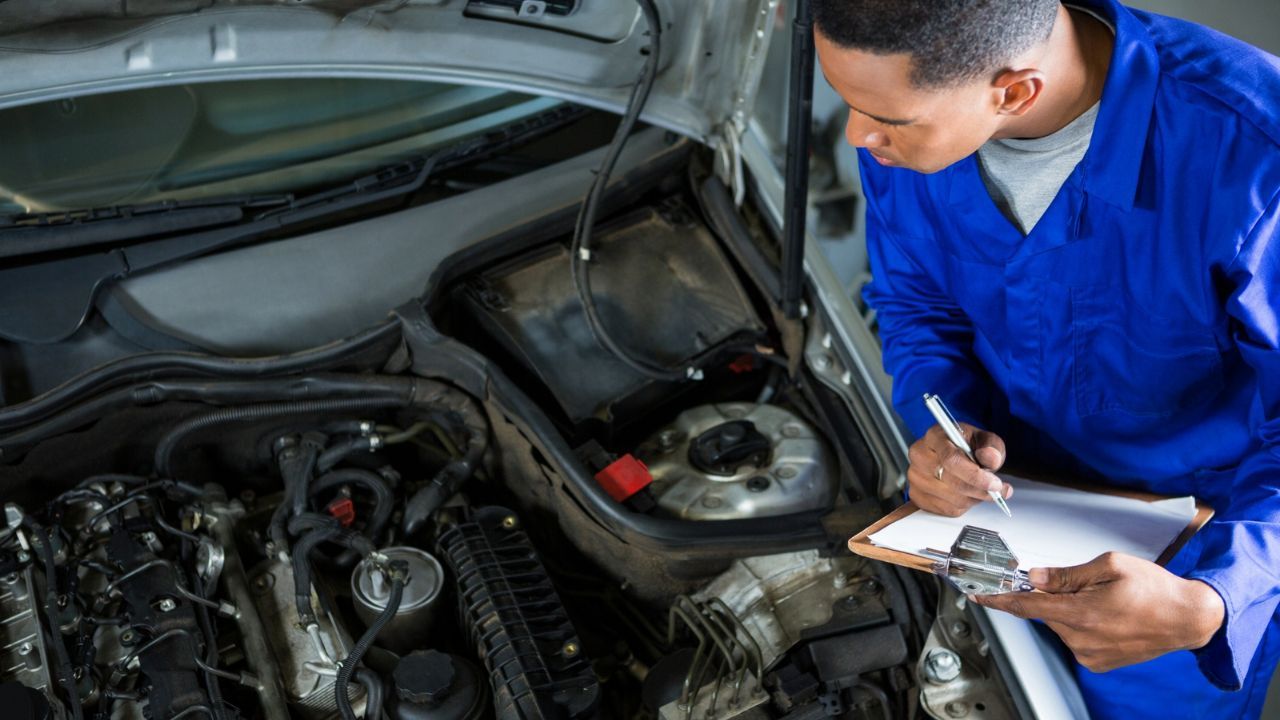
Routine preventive maintenance helps catch problems before they become expensive repairs. During scheduled visits, technicians inspect important systems while your vehicle is already in the service bay. They can check fluids, belts, hoses, battery condition, filters, and tires without adding much extra time.
Hamilton Tire and Car Care Center follows this approach because preventing problems always costs less than fixing them later. That gives drivers greater confidence every time they hit the road.
The Takeaway
So, how long does an oil change take? For most drivers, the answer stays between 15 and 45 minutes. However, your total visit depends on your vehicle, the shop, and your timing. Choosing the fastest service isn't always the smartest decision.
A few extra minutes today may prevent hours of unexpected repairs tomorrow. The next time your oil life reminder appears, will you rush through the service or give your vehicle the attention it deserves?
FAQs
Q1: How long does a synthetic oil change take?
A synthetic oil change usually takes 20 to 45 minutes, depending on your vehicle and service type. However, this is just the time taken to change the oil, making factors like when you reach, which car you have, quickly add up to the timing.
Q2: Should I schedule an oil change appointment?
Yes. If you want priority service and want the technicians to check your vehicle at the earliest, booking an appointment beforehand is recommended. Appointments usually reduce waiting time and help technicians begin service sooner.
Q3: Can I stay inside my vehicle?
Some quick-lube centers allow it. Most repair shops ask customers to wait inside. Wherever you go for an oil change, ask the crew members first if you can stay inside the vehicle or not.
Q4: What happens if I delay an oil change?
Old oil increases engine wear, lowers performance, and may cause expensive repairs. Therefore, you should always get your car checked and maintained regularly to avoid any such problems.
Q5: Does every oil change include an inspection?
No. Not every oil change includes an inspection. However, full-service repair shops usually inspect more components than quick-lube centers. This makes sure that your vehicle is in good condition, and if not, what should be checked even further.