How Often Should I Get an Oil Change? Essential Advice for Drivers
Many drivers still follow the old 3,000-mile rule. That timing made sense for older engines and basic oils. Today’s engines work more efficiently. Modern oils also protect engines for much longer.
Most modern cars need an oil change every 5,000 to 7,500 miles. Yet the correct timing depends on your car, oil, and driving habits. Still, you should not push every car toward 7,500 miles. Frequent short trips may wear oil faster.
On top of that, heavy traffic, towing, and extreme heat also affect its life. Your dashboard monitor and owner’s manual offer the safest guidance.
How Often to Get an Oil Change for Your Vehicle
While it is ideal to change the oil around every 5,000 to 7,500 miles, some manufacturers allow longer gaps with full synthetic oil. Still, the vehicle maker’s schedule should always come first. It was designed for that specific engine and oil grade.
You should also follow the time limit in your manual. Most schedules list mileage and time; however, service is due when you reach either limit first. This rule matters for cars that sit for long periods.
A simple guide looks like this:
- Older vehicles: Often every 3,000 to 5,000 miles
- Modern vehicles with conventional oil: Usually every 5,000 miles
- Modern vehicles with synthetic blends: Often every 5,000 to 7,500 miles
- Vehicles using full synthetic oil: Commonly every 7,500 to 10,000 miles
- Low-mileage vehicles: Follow the stated time limit in the manual
These ranges are helpful, but they are not universal rules. Some engines have much shorter service intervals. Others can safely travel 10,000 miles between changes. But never assume that synthetic oil automatically permits the longest gap.
Why Your Engine Needs Fresh Oil
Engine oil has several jobs happening at once. It coats fast-moving metal parts and limits friction. It also helps carry heat away from those parts. Without enough clean oil, wear can build quickly.
Fresh oil contains additives that fight deposits and corrosion. Those additives slowly break down during normal use. Heat, fuel, moisture, and dirt also affect the oil. Over time, it loses some protective strength.
Imagine cooking with the same oil again and again. It becomes darker, dirtier, and less useful each time. Engine oil faces a similar type of stress. An oil change removes the worn oil and trapped debris.
Skipping service can let sludge form inside the engine. Sludge blocks narrow oil passages and restricts flow. Poor flow may damage bearings, seals, or other key parts. Repairing that damage costs far more than routine care.
Your Driving Habits Can Shorten the Interval
Many people think highway miles are the hardest on a car. In fact, steady highway driving is often easier on oil. The engine reaches full temperature and stays there. That heat helps burn off moisture and fuel vapors.
Short city trips can be far tougher as the engine may shut down before reaching full temperature. Moisture then remains inside the oil, and repeated cold starts also create extra wear.
Baltimore traffic adds another layer to this decision. Stop-and-go trips on Harford Road keep engines working without covering many miles. Hot, humid summers can also place more strain on fluids. Winter starts to bring its own stress.
Your vehicle may face severe service if you often:
- Drive trips shorter than five miles
- Spend long periods in slow traffic
- Idle for extended periods
- Tow a trailer or carry heavy loads
- Travel through dusty work areas
- Drive in very hot or cold weather
- Make frequent deliveries around the city
Do several of these sound familiar? Check the severe-use schedule in your manual. It may call for an earlier oil and filter change.
Warning Signs Your Oil Needs Attention

Mileage should guide regular service. Yet problems can appear before the planned date. A leak, low level, or engine fault can change everything.
Watch for these warning signs:
1. The oil warning light comes on
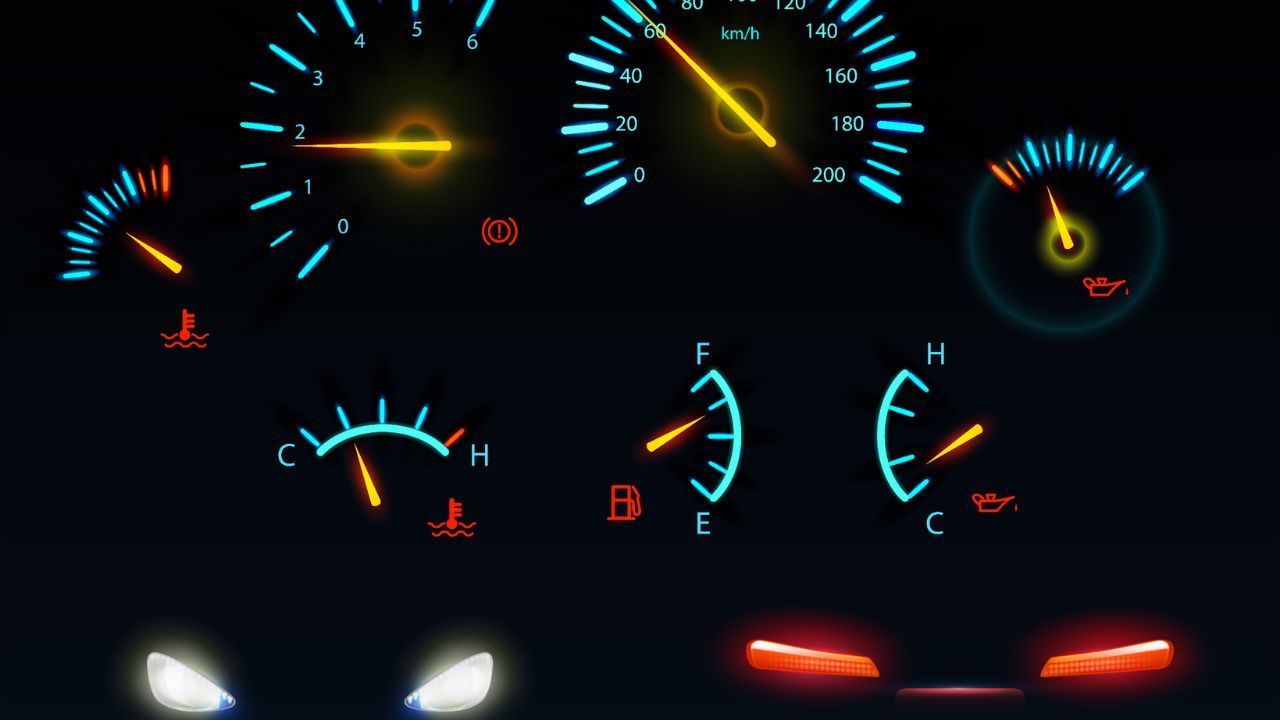
This light may signal low pressure, not routine service. Stop safely and shut off the engine. Continuing to drive could cause major damage.
2. The engine sounds louder than usual
Ticking or tapping can suggest poor lubrication. Low oil is one possible cause. Have the vehicle checked without delay.
3. You smell burning oil
Oil may be leaking onto a hot engine part. Smoke can sometimes appear under the hood. This issue needs prompt professional attention.
4. You see fresh spots beneath the car
Engine oil is often brown or black. Check the parking spot after the car sits overnight. A growing leak should never be ignored.
5. The oil level keeps dropping
Some engines consume small amounts between services. Fast or frequent loss suggests a problem. Make sure to keep records and tell your technician.
Dark oil alone does not always mean it has failed. Some oils darken soon after entering the engine. The color shows that the oil is collecting contaminants. Mileage, time, level, and condition offer better clues together.
How to Check Your Engine Oil at Home
A monthly oil check takes only a few minutes. It can reveal a low level before damage begins. Check more often if your engine leaks or burns oil.
First, park on flat ground and switch off the engine. Wait several minutes so the oil can settle. Follow the manual if it gives different steps. Some vehicles use an electronic gauge instead of a dipstick.
For a standard dipstick:
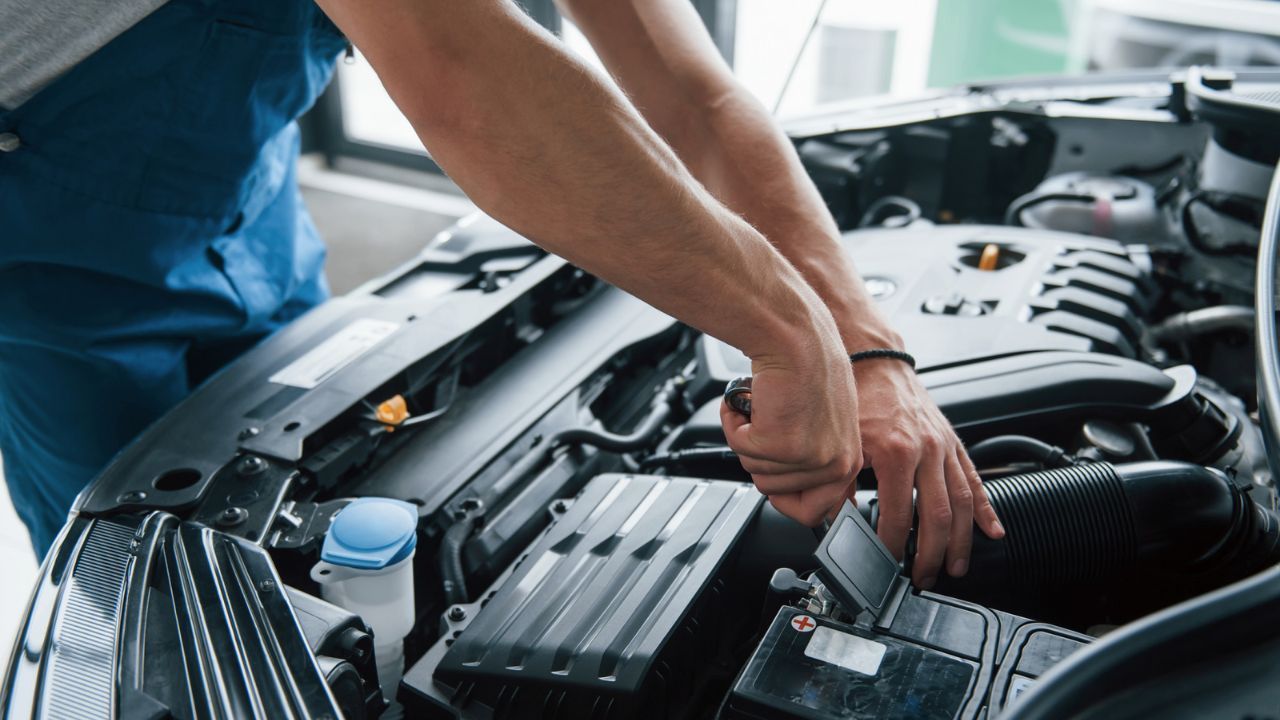
- Open the hood and locate the dipstick.
- Pull it out and wipe it clean.
- Insert it fully into its tube again.
- Remove it and check both sides.
- Confirm the level sits between both marks.
- Add only the correct oil when needed.
Do not pour in a full quart without checking carefully. Too much oil can cause foaming and pressure problems. Add a small amount, wait, and check again. If the dipstick stays dry, seek professional help.
What Happens During a Professional Oil Change?
A proper service involves more than draining old oil. The technician replaces the filter as well. A fresh filter catches grit and tiny metal particles. Reusing a clogged filter defeats much of the service.
The correct oil type and amount are then added. The technician should check for leaks after starting the engine. The oil-life monitor is reset when applicable. Your service record should show the mileage and oil used.
Hamilton Tire and Car Care Center provides oil change service for Baltimore drivers. The shop works on domestic, Asian, and European vehicles. Its technicians can match the oil to the manufacturer’s requirements.
The shop also offers preventative maintenance service. That service helps drivers follow factory schedules and catch wear early. Combining routine checks can save a second visit later. It also creates a clearer record of your car’s condition.
Build an Oil Change Schedule You Can Follow
The best schedule is accurate and easy to remember. Write down the date, mileage, oil grade, and filter used. Keep the receipt with your maintenance records. Strong records may also support warranty or resale discussions.
Use these simple habits:
- Set a phone reminder near the expected service date.
- Check the oil level once each month.
- Inspect the ground for fresh leaks.
- Read every dashboard alert promptly.
- Review the severe-use schedule honestly.
- Keep one quart of the correct oil available.
So, how often to get oil change in daily life? Most drivers should plan around 5,000 to 7,500 miles. Your manual may set a shorter or longer interval. Let your vehicle’s needs settle the final answer.
Keep Your Engine Ready for the Next Mile
Fresh oil gives your engine a cleaner and safer working environment. It reduces friction and carries away heat. Regular service also helps technicians notice small problems early.
Do not wait for smoke, noise, or a warning light. Check the manual and review your driving habits today. A few minutes of planning could protect your engine for years. What mileage will your car show when its next service comes due?
FAQs
Q1: How often should you change synthetic oil?
Many vehicles using full synthetic oil allow 7,500 to 10,000 miles. Some manufacturers specify different limits. Always follow the schedule listed for your exact vehicle.
Q2: Should oil be changed by mileage or time?
Use whichever limit comes first. Oil ages even when the vehicle sits. Low-mileage drivers must still follow the manufacturer’s time limit.
Q3: Can I drive after the oil warning light appears?
Do not treat an oil-pressure warning like a service reminder. Stop safely and switch off the engine. Check the manual and seek professional help.
Q4: Does an oil change improve gas mileage?
Fresh, correct-grade oil may reduce excess friction. However, it will not fix every mileage issue. Tire pressure, driving style, and engine health also matter.
Q5: Should the oil filter be changed every time?
Yes, the filter should normally be replaced with each oil change. An old filter may hold dirt and restrict flow. Follow any different direction from the vehicle manufacturer.