Tire Pressure Light Meaning: Essential Facts Every Driver Should Know

jkram200 • June 29, 2026

The tire pressure light usually means one or more tires need attention right now. Most drivers have seen it happen.

You start the car on a cold morning. A yellow symbol appears. It looks like a flat tire with an exclamation mark inside. Suddenly, questions start racing through your mind.


Can I still drive? Do I need new tires? Is something seriously wrong?

In most cases, the answer is simple. Your tires have lost air pressure. But that does not mean you should ignore the warning.

A tire is kind of like a running shoe. When it loses support, everything works harder. Your vehicle burns more fuel, the tires wear faster and braking distances increase. Also, handling your vehicle becomes less predictable.


That small dashboard light often catches problems before they become expensive repairs. Let's look at what it means and what you should do next.


What Does the Tire Pressure Light Actually Mean?

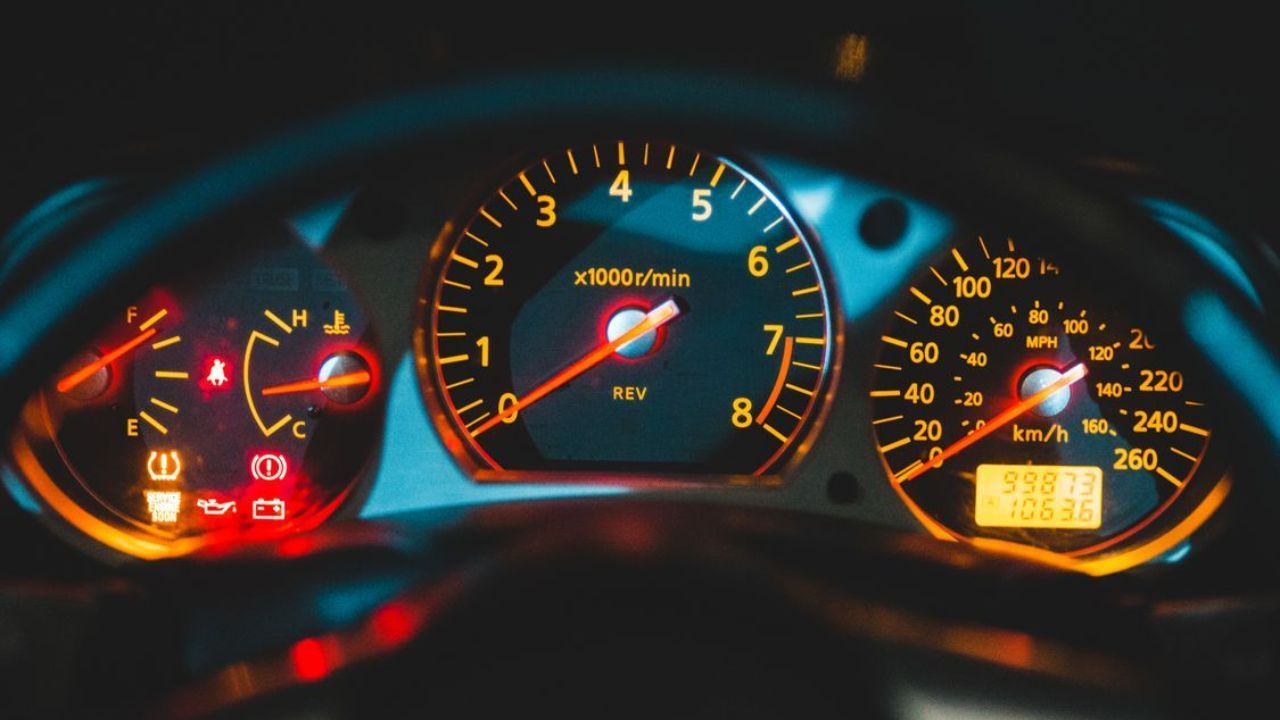
Vehicle instrument panel with illuminated warning indicators and tire pressure light

Your vehicle constantly monitors tire pressure through a system called TPMS.

TPMS stands for Tire Pressure Monitoring System. Its job is simple, which is to watch the air pressure inside your tires.

When pressure drops below a safe level, the warning appears. The system cannot always tell you why pressure dropped. It only tells you something needs attention.


Think of it as an early warning system that spots trouble before you feel it behind the wheel.


Why Drivers Should Never Ignore the Tire Pressure Light


Many people keep driving even after seeing the warning. While it doesn’t look harmful at first, that decision often costs more later.

Low tire pressure changes how your vehicle behaves. The tire flexes more with every rotation. Heat builds inside the rubber leading to a drop in fuel economy and speeding in tire wear. 


The longer you drive this way, the more damage occurs. Going forward s tire replacement costs far more than adding air.


The Most Common Reason the Tire Pressure Light Comes On


Most warnings happen for one simple reason. Your tires naturally lose air over time.

Even a healthy tire loses pressure every month. This happens because even small temperature changes make the situation worse. That is why the warning often appears during fall and winter.


A tire that seemed perfect yesterday may trigger a warning today. Don’t panic because nothing broke. The air simply contracted as temperatures dropped.


Cold Weather Tricks Thousands of Drivers Every Year


Ask any tire technician. The first cold week of the year brings a flood of TPMS concerns.

Here's why.

Air becomes denser when temperatures fall. As a result, tire pressure drops. A ten-degree temperature change can reduce pressure noticeably. Many drivers think they have a leak. Often, they simply need proper inflation.


Still, it is important to verify the cause instead of guessing.


Can You Keep Driving With the Tire Pressure Light On?

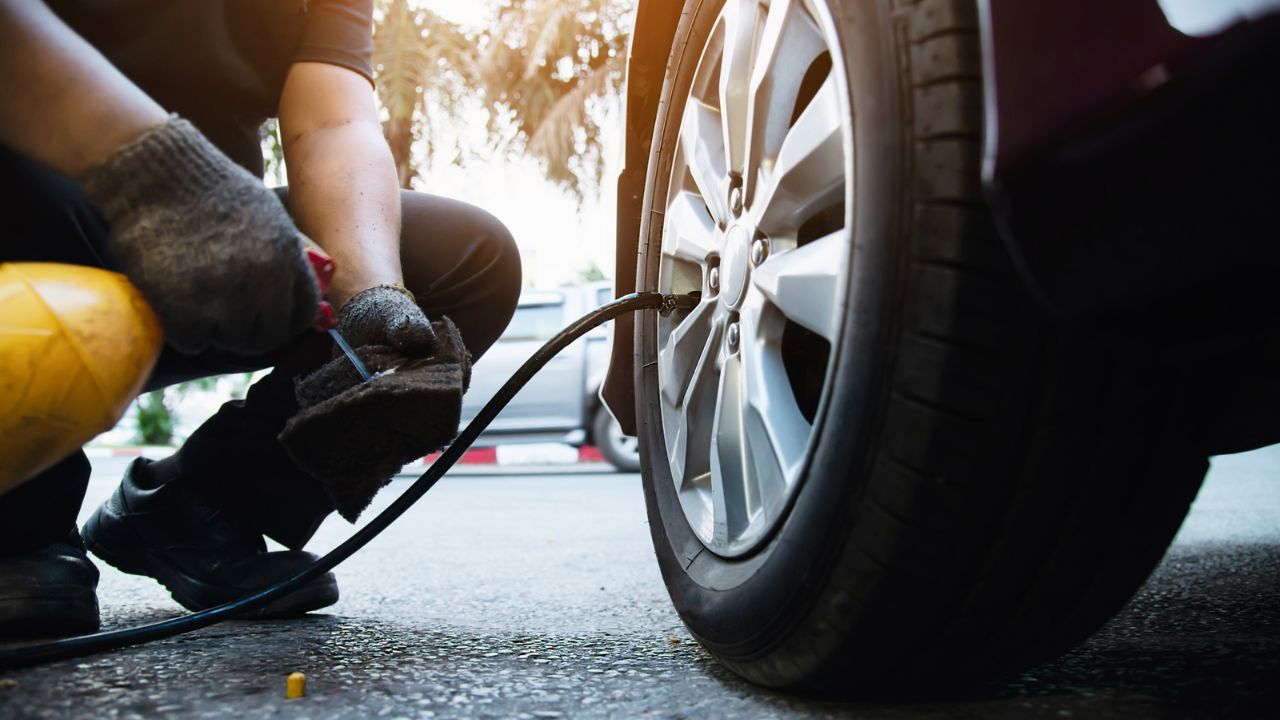
Technician checking and inflating a vehicle tire with an air hose

This depends on the situation. If the vehicle feels normal, you can usually drive a short distance to check the tires. But if the car pulls sideways, feels unstable, or has a visibly low tire, stop immediately.

A slow leak can become a flat tire quickly. In addition, highway speeds make the risk even greater. When in doubt, inspect first and drive later.


Not Every Tire Pressure Light Means a Flat Tire


Many drivers expect a completely flat tire. But that is rarely the case. Sometimes a tire is only three or four PSI low. That small difference can still trigger the warning.

Other times, the problem involves:

  • A nail in the tread
  • A leaking valve stem
  • A damaged wheel
  • A failing TPMS sensor
  • A slow bead leak

That is why checking actual pressure matters. Never rely on appearance alone.


Why Proper Tire Pressure Saves Money


Most people think about safety first. They should, but proper tire pressure also protects your wallet.

Underinflated tires create more rolling resistance. The engine works harder leading to more fuel consumption. The tires also wear unevenly. Instead of lasting years, they may need replacement much sooner.


A five-minute pressure check each month can save hundreds of dollars. That is one of the easiest maintenance habits available.


Uneven Tire Wear Often Starts With Air Pressure


Tires rarely wear out evenly by accident. Pressure problems are usually involved when this happens.

Low pressure wears the outer edges faster. High pressure wears the center tread faster. Once the wear pattern starts, it cannot be reversed.


That is why routine tire rotation services remain so important. Rotations help distribute wear more evenly and extend tire life. Combined with proper inflation, they help drivers get the most from every set of tires.


Sometimes the Warning Points to Another Problem

Adding air does not always solve everything. Sometimes the light stays on. When that happens, another issue may exist.

The TPMS sensor could be failing. The wheel may be damaged, and a small puncture could still be leaking air. 


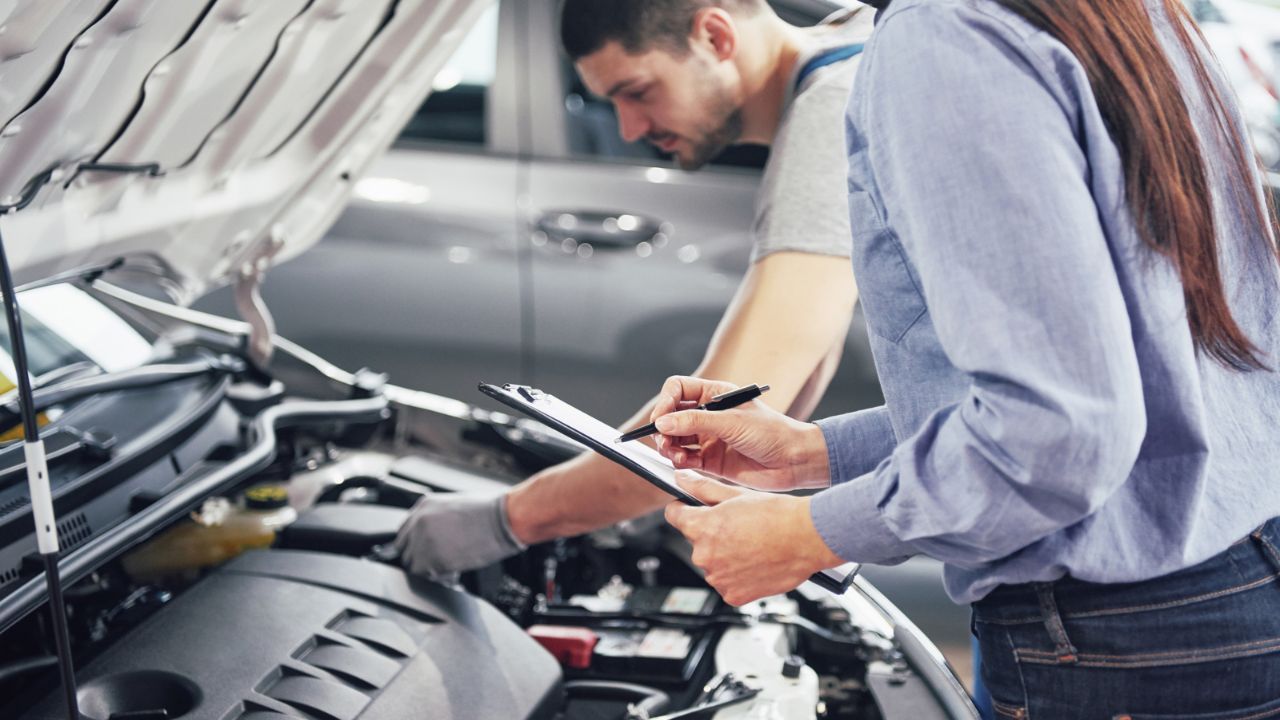
In some cases, uneven wear reveals suspension concerns. That is where professional inspections become valuable. Services such as tire service can correct underlying issues before they damage expensive tires.

Fixing the cause always works better than treating the symptom.


What To Do When the Tire Pressure Light Appears


Stay calm and follow a simple process.

  1. Inspect all four tires.
  2. Look for visible damage.
  3. Check pressure with a gauge.
  4. Add air if needed.
  5. Compare readings to factory recommendations.
  6. Drive briefly and monitor the light.
  7. Schedule an inspection if needed.


This process solves most situations quickly.


Final Thoughts Every Driver Should Remember


Blinking of tire pressure light doesn’t mean that there’s something dangerous, it just means that your tire’s pressure is low. This usually happens due to cold weather, or driving long distances. It’s not something that you should be worried about. You should be worried only if the light is on even after doing everything correctly. Remember, early action prevents expensive repairs.


The next time that warning appears, do not think of it as bad news. Think of it as your vehicle giving you a head start. The real question is simple. Will you address the issue now, or pay for it later?


FAQs

Q1: Is it safe to drive with the tire pressure light on?

While it is not recommended to drive when the tire pressure light is on, you can still take it for a short drive. Make sure when you do, check pressure immediately.

Q2: How much air should I put in my tires?

Putting air in tires is not something you should guess. All tires have different pressure levels. You can see the pressure listed on your driver's door sticker.

Q3: Why did my tire pressure light come on overnight?

The most common reason for turning on the pressure light is because the temperature could have dropped. A drop in the temperatures causes pressure to decrease overnight.

Q4: Can low tire pressure damage my tires?

Yes. While many people still drive their vehicle with low pressure tires, it shouldn’t be done. Low tire pressure causes heat buildup and uneven tread wear which can impact your vehicle’s tire’s life.

Q5: Will the tire pressure light turn off automatically?

Usually, yes. Once your tire has proper pressure levels and proper inflation, it often resets the system. Therefore, whenever you see tire pressure light turn off, make sure to fill the correct tire pressure. 

Q6: How often should tire pressure be checked?

While there is no fixed number on how often you should get your tire pressure checked, we recommend you to get all four tires checked at least once each month.
how-to-read-tire-size-guide
By jkram200 June 29, 2026
Discover what tire size numbers mean and how to choose the correct replacement tires for safety, performance, and comfort.
how-often-to-rotate-tires
By jkram200 June 29, 2026
Find out when to rotate tires based on mileage, vehicle type, driving habits, and road conditions with expert-backed recommendations.
By jkram200 June 9, 2026
Discover the advantages and disadvantages of both transmission types and determine which option suits your lifestyle best.
By jkram200 June 9, 2026
Understand the most common causes of uneven tyre wear and learn the solutions that help improve handling, safety, and tyre lifespan.
identify-dry-rot-tires-warning-signs
By jkram200 June 9, 2026
Not sure if your tires have dry rot? Learn 9 clear signs, what causes cracking, and when it's time to replace your tires.
By jkram200 June 1, 2026
Want your engine to last longer? These 6 proven engine maintenance checks help prevent overheating, oil issues, and poor performance.
By jkram200 June 1, 2026
Searching for quieter EV tires? Explore 8 proven electric vehicle tire options designed for low road noise and smooth performance.
By jkram200 June 1, 2026
Small tire problems become dangerous quickly. Discover 5 warning signs that mean you need tire repair service before a blowout happens.
By jkram200 May 15, 2026
Compare the best engine degreasers for tough grease, oil stains, and dirt. Find the right cleaner for your car today.
By jkram200 May 15, 2026
Ignoring brake vibrations can be risky. Learn the top causes and how to fix your car shaking issue before it gets worse.
Show More