Power Steering Fluid Leak: 7 Critical Signs and Fixes

jkram200 • July 27, 2026

Power steering fluid helps the wheel turn with less effort. It also cools and protects key steering parts. When fluid escapes, heat and friction rise inside the system.


This is why a power steering fluid leak needs prompt attention, because low fluid can damage the steering pump and make your car harder to control. The leak may begin with a small spot under your car. Yet it can quickly become a costly steering problem. You may hear a whine or feel the wheel resist your hands. Those warnings should never be brushed aside.


The good news is that most leaks can be fixed. The right fix depends on where the fluid escapes. Let’s look at the signs, causes, and smart next steps.

Why Does a Power Steering Fluid Leak Matter?

A hydraulic steering system needs steady fluid pressure. The pump moves fluid through hoses and into the steering gear. This pressure helps you turn the wheels with ease.


A leak lowers that pressure. At first, steering may only feel stiff while parking. Later, it may become hard to turn during normal driving. This change can catch drivers off guard. 


Imagine turning across Harford Road during heavy traffic. The wheel suddenly feels far heavier than it did yesterday. That is not the time to test your arm strength because it means that your vehicle is running low on steering fluid.

Low fluid can also make the pump run dry. A damaged pump costs more than a seal or hose repair. Early service often saves both money and stress.


Some newer cars use electric power steering. Those systems have no steering fluid. Make sure to check your owner’s manual if you are unsure which system your car uses.


7 Critical Signs of a Power Steering Fluid Leak

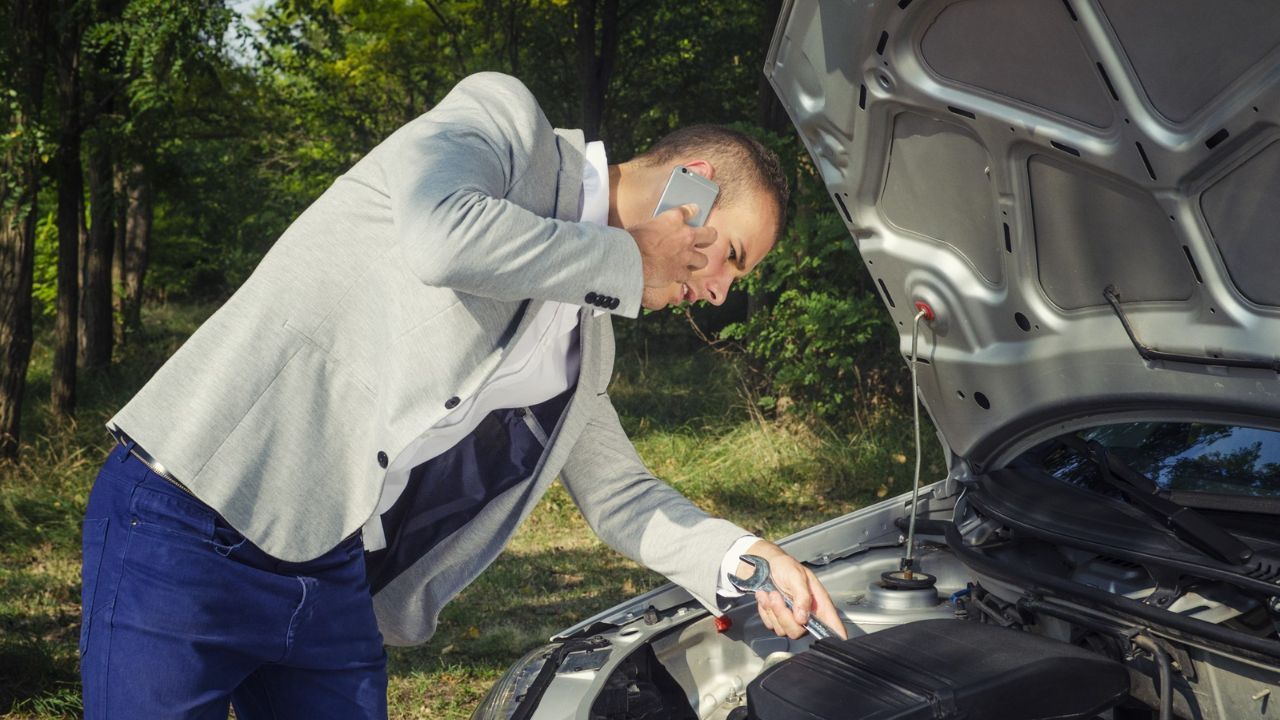
Driver checking the engine under an open hood while talking on a smartphone roadside.

1. Red or Brown Fluid Beneath Your Car


A fresh power steering leak may look red or pink. Older fluid often turns brown as it collects dirt. You may find drops near the front of the car.


Color alone does not confirm the source. Transmission fluid can look quite similar. Therefore, only a trained technician can trace the wet area and identify it.


Place clean cardboard under the car overnight. This helps show the fluid’s color and rough location. It is a useful check, but not a full diagnosis.

Likely fix: The technician cleans the area and finds the source. They may replace a hose, seal, clamp, pump, or steering gear.


2. A Whining Sound While Turning


Do you hear a whine when turning the wheel? The sound may grow louder during tight turns. It often means the pump lacks enough fluid.


Air can enter through a leaking hose or loose connection. The fluid may then foam inside the reservoir. That air stops the pump from building smooth pressure.


The pump may survive

 if you act early. But if you keep driving, its inner parts may wear out fast. Soon, a small leak can lead to pump replacement.

Likely fix: Repair the leak before adding the correct fluid. The system must then be bled to remove trapped air.


3. The Steering Wheel Feels Stiff


A stiff wheel is one of the clearest warnings. You may notice it most while parking or turning slowly. Steering can feel normal at speed but heavy near a stop.


This happens because the system has lost hydraulic pressure, and the pump cannot provide enough help during the turn. Cold weather may make the issue feel even worse.


Stiff steering may have other causes, too. A worn belt, bad pump, or damaged steering gear could be responsible. That is why a full inspection matters.

Likely fix: Restore the fluid level only after finding the leak. A worn belt, pump, or steering part may also need replacement.


4. The Fluid Level Keeps Dropping


The power steering reservoir should not need frequent top-offs. Fluid does not get consumed like fuel, and a falling level usually points to a leak.


Check the reservoir when the vehicle is cool. Follow the steps in your owner’s manual. This is important because some reservoirs are clear, while others use a dipstick.


Never guess which fluid belongs in the system. The wrong type may harm seals or affect steering response. Make sure to use the exact fluid listed by the car maker.


Likely fix: Inspect every hose, fitting, seal, and steering component. Once repaired, refill the system with the approved fluid.


5. The Steering Feels Jerky or Uneven


A healthy wheel should turn in one smooth motion. With low fluid, the assistance may come and go. The wheel can feel light, then suddenly heavy.


This uneven action often appears when air enters the lines. The pump moves bubbles instead of a solid flow of fluid. Pressure then rises and falls during each turn.


The symptom may seem minor on a short drive. Yet it can become risky during a fast lane change. Steering response should always feel steady and predictable.


Likely fix: Seal the leak and bleed the hydraulic system. The pump should also be checked for damage or weak pressure.


6. A Burning Smell Near the Engine


Leaking fluid may land on the hot engine or exhaust parts. When that happens, you may notice a sharp burning smell. You may also see light smoke rise from under the hood.


Do not assume the smell is harmless, as many car fluids can create smoke when they touch hot metal. Some leaks may also raise the risk of fire.


Pull over somewhere safe if you see smoke. Then, turn off the engine and let the car cool. Avoid touching wet parts beneath the hood.

Likely fix: A technician must locate and repair the leak. The spilled fluid should also be cleaned from nearby parts.


7. Squealing When the Engine Starts


Many hydraulic steering pumps run through a drive belt. Fluid can leak onto that belt and make it slip. This often causes a sharp squeal.


A worn or loose belt can also reduce pump speed. That may make the steering feel heavy at low speeds. If you see any visible cracks or frayed edges, that means the belt needs care.


The belt may drive other parts on some vehicles. If it fails, the car could also lose charging or cooling support. That turns a steering concern into a wider breakdown.

Likely fix: Stop the leak first. Then clean or replace the belt and inspect its tensioner.


Can You Drive With a Power Steering Fluid Leak?


You should avoid driving farther than needed. A tiny seep may not stop the car today. Still, steering assistance can fade without much warning.

Stop driving and arrange help if:

  • The wheel becomes hard to turn
  • The reservoir is empty
  • You hear loud grinding or whining
  • Fluid pours out after refilling
  • Smoke appears under the hood
  • The steering feels jerky or unstable


A short trip to a nearby shop may be possible with a mild leak. Yet only do so when steering still feels normal. Towing is safer when control has changed.


If you’re planning to stop at just adding fluid, it is not a lasting fix. It only replaces what has escaped. The leak remains, and more air may enter the system.


How Is a Power Steering Fluid Leak Fixed?

Driver checking the engine under an open hood while talking on a smartphone roadside.

A proper repair starts with an inspection. The technician checks the reservoir, pump, hoses, belt, and steering gear. They also look for wet areas and damaged seals.


Next, the failed part is repaired or replaced. A loose clamp may need a simple adjustment. A split pressure hose usually needs full replacement.


A leaking rack or pump requires more work. The shop should explain the fault and repair choices first. Ask whether nearby parts show wear before approving the job.


After the repair, the technician adds the correct fluid. They bleed air from the lines and test steering pressure. Finally, a road test then confirms smooth, quiet steering.


Hamilton Tire Car Care Center offers fluid level checks for Baltimore drivers. This service can reveal low or dirty steering fluid before control changes. Its technicians follow vehicle guidelines when checking fluid condition and levels.


The shop also provides steering and suspension service. This includes inspections and repairs for steering parts, linkage, shocks, and struts. These two services can help separate a fluid leak from another handling issue.


How Can You Help Prevent Another Leak?


No steering hose lasts forever. Still, basic care can help you catch wear early. A quick look under the hood may save a much larger repair.

Use these habits:

  • Check the fluid at each oil service.
  • Use only the fluid your car maker lists.
  • Never hold the wheel at full lock for long.
  • Have wet hoses or fittings inspected early.
  • Check belts for cracks, shine, and loose tension.
  • Schedule service when steering noise first appears.


Baltimore’s potholes can also strain steering and suspension parts. A hard hit may damage a seal, line, or steering rack. Have the car checked if handling changes after one.


Protect Your Steering Before a Small Leak Grows


A small stain can be your car’s first clear warning. Check the fluid level, note any steering changes, and book an inspection. Waiting may turn a simple hose repair into pump or rack damage.


Pay close attention to whining, stiffness, smoke, and falling fluid. Those clues reveal when the system needs help. Your steering should feel smooth, quiet, and easy every time.

A leak rarely fixes itself. So, is saving a trip today worth risking steering control tomorrow?


FAQs

Q1: What color is power steering fluid?

Fresh fluid is often red, pink, amber, or clear. Old fluid may look dark brown. The correct color depends on the fluid your vehicle requires.

Q2: Can I use a stop-leak product?

Stop-leak products may swell seals for a short time. They do not repair split hoses or damaged parts. Some may also harm the system, so ask a technician first.

Q3: How often should the power steering fluid be changed?

Service intervals vary by vehicle. Some car makers list a set interval, while others do not. Follow your owner’s manual and inspect the fluid during routine service.

Q4: Does electric power steering use fluid?

No. Fully electric steering uses a motor instead of hydraulic fluid. If an electric system feels stiff, it needs an electronic and mechanical diagnosis.

how often to get oil change
By jkram200 July 27, 2026
Learn how often to get an oil change based on mileage, oil type, driving habits, vehicle age, and your manufacturer’s recommended service schedule.
v
By jkram200 July 27, 2026
Brakes may last 25,000 to 70,000 miles, depending on several factors. Discover seven warning signs and learn when to schedule an inspection..
how-long-do-brake-pads-last-guide
By jkram200 July 13, 2026
Most brake pads last 30,000-70,000 miles. Discover what shortens their lifespan, when to replace them, and simple maintenance tips.
By jkram200 July 13, 2026
Learn how long an oil change takes, what affects service time, 7 common delays, and expert tips to get back on the road faster.
By jkram200 July 13, 2026
Wondering how long your car battery should last? Discover average lifespan, replacement signs, maintenance tips, and ways to extend battery life.
tire-pressure-light-meaning
By jkram200 June 29, 2026
Understand what the TPMS warning light means, when it's dangerous, how to reset it, and how to prevent future tire pressure problems.
how-to-read-tire-size-guide
By jkram200 June 29, 2026
Discover what tire size numbers mean and how to choose the correct replacement tires for safety, performance, and comfort.
how-often-to-rotate-tires
By jkram200 June 29, 2026
Find out when to rotate tires based on mileage, vehicle type, driving habits, and road conditions with expert-backed recommendations.
By jkram200 June 9, 2026
Discover the advantages and disadvantages of both transmission types and determine which option suits your lifestyle best.
By jkram200 June 9, 2026
Understand the most common causes of uneven tyre wear and learn the solutions that help improve handling, safety, and tyre lifespan.
Show More