How Long Do Brake Pads Last? 7 Proven Ways to Make Them Last Longer

jkram200 • July 13, 2026

Most people never think about their brakes until something is wrong. It could be a squealing sound, a slight vibration in the pedal or the brake just responding too late. Those small changes often appear long before brake pads completely wear out. Worn brake pads can damage the rotors, increase repair costs, and reduce braking performance when you need it most.


Brake pads usually last 30,000 to 65,000 miles, or about three to five years for most drivers. Still, that number can change quickly. How quickly your vehicle’s brake pads last also depends on your driving style just as much as the brake pads themselves.


So, how long do brake pads last, and what makes one set survive twice as long as another? The answer starts with understanding why brake pads wear in the first place.


How Long Do Brake Pads Last in Real Life?


Brake pads wear because they create friction. Every time you press the brake pedal, the pads squeeze against the rotors. That friction slows your vehicle and slowly removes material from the brake pads.


Modern vehicles usually need new brake pads between 30,000 and 65,000 miles. For someone driving about 12,000 miles each year, that works out to roughly three to five years. Some drivers replace them sooner, while others go much longer.

So, why such a huge difference?


Picture two commuters. One spends every morning creeping along I-95 traffic. The other drives mostly open highways outside the city. Both own the same SUV and similar brake pads. Yet the first driver will almost always replace brake pads earlier.

The reason is simple. City driving means constant braking. Highway driving gives the brakes time to rest.


Vehicle type also matters. A heavy pickup needs more braking force than a compact sedan. The same applies when you tow trailers or carry heavy loads.


Brake pad technology has improved over the years. Modern ceramic compounds last much longer than older materials. Still, even premium pads cannot overcome poor driving habits.


Why Do Some Brake Pads Wear Out Faster?

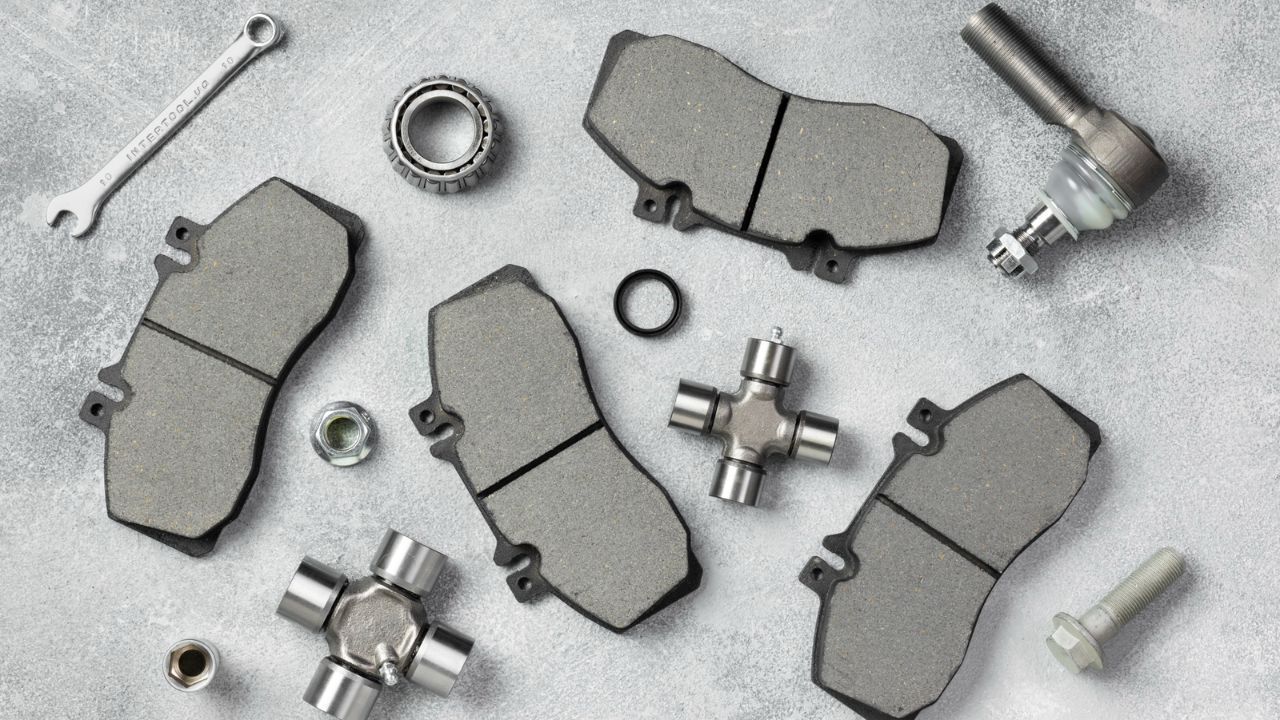
New brake pads and brake system components arranged for a complete brake repair.

One of the most common reasons for brake pads to wear out faster is driving habits. Hard braking creates intense heat. Heat breaks down brake pad material much faster. Drivers who brake late and often usually replace pads sooner than those who slow down gradually.


Road conditions matter too. Frequent stoplights, heavy traffic, and crowded intersections all increase brake use. Winter road salt doesn't directly wear brake pads, but it can speed up corrosion around brake components, making inspections even more important.

Several factors affect brake life.


  • Driving style
  • Vehicle weight
  • Brake pad material
  • Daily traffic conditions
  • Road terrain
  • Maintenance schedule


While you cannot change your commute, you definitely can change how you drive through it. 


Does Brake Pad Material Make a Difference?


Absolutely. Not every brake pad lasts the same length of time. Many vehicles leave the factory with semi-metallic brake pads. They balance stopping power, durability, and cost. That makes them a practical choice for everyday driving.


Organic brake pads feel quieter and also cost less. However, they wear faster and create more dust. They work best for lighter vehicles and gentle driving.


Ceramic brake pads usually last the longest. They stay quieter and produce less brake dust; however, they cost more upfront. For many drivers, the extra lifespan offsets that higher price over time.


Choosing brake pads isn't simply about buying the longest-lasting option. The best brake pad matches your driving habits, not just your budget.


How Do You Know Your Brake Pads Need Replacing?


Brake pads rarely fail without warning. Your car almost always gives you clues first. The problem is that many drivers ignore them. They hope the sound disappears after a few miles. It usually doesn't.

Light Sequeal Sound

The first warning is often a light squeal. Most brake pads have a small metal wear indicator. When the pad becomes thin, that indicator rubs against the rotor. The noise is intentional and tells you the pads are reaching the end of their life.

That squeal is your reminder to schedule a brake inspection. It is not a sign to keep driving for several more months.

Grinding Noise

A grinding noise often means the friction material has already worn away. At that stage, metal contacts metal. Every mile can damage the brake rotors. What could have been a simple brake pad replacement may now become a much larger repair.

Other Signs

You may notice the brake pedal feels softer than before. The steering wheel might shake while braking. Your car may even pull slightly to one side. None of these symptoms should be ignored.


Watch for these common signs.

  • Squealing while slowing down.
  • Grinding sounds during braking.
  • Longer stopping distances.
  • Vibrations through the brake pedal.
  • A brake warning light on the dashboard.
  • Brake pads that look very thin through the wheel.


If you see any of these signs, it’s better to get your brake pads inspected.


7 Proven Ways to Make Brake Pads Last Longer


Brake pads are wear items and will eventually need replacement. The good news is that most drivers can slow the wear. Better habits reduce heat and friction. On the other hand, less heat means less brake pad material disappears every time you stop.


Many people assume expensive brake pads solve everything. But they don't. Driving habits still have the biggest impact.

These seven tips make the biggest difference.


1. Look Farther Down The Road

Drivers who watch traffic ahead brake less often. They lift off the accelerator earlier, and the car slows naturally before reaching the next stop. That simple habit saves your brakes every day.

2. Brake Gently Instead Of Suddenly

Hard stops create extreme heat. Heat wears brake pads faster than almost anything else. Smooth braking keeps temperatures lower. Your passengers will appreciate it too.

3. Avoid Carrying Unnecessary Weight

Extra weight forces your brakes to work harder. Think about tools, sports gear, or boxes that stay inside the trunk for weeks. If you don't need them, take them out.

4. Keep Your Tires Properly Inflated

Many drivers never connect tires with brake life. But underinflated tires increase rolling resistance. Your vehicle needs more effort to slow down. That extra effort reaches the braking system. Checking tire pressure takes only a few minutes. Make sure to get it checked. 

5. Slow Down Before Long Downhill Roads

Riding the brakes downhill creates constant heat. Instead, reduce your speed before the descent. Let your vehicle help control the pace whenever possible. Your brakes then get a chance to cool.

6. Schedule Regular Brake Inspections

Brake pads don't always wear evenly. One side can become thinner long before the other. Routine brake inspections catch those problems early. A technician can measure the remaining pad thickness before damage spreads to the rotors.

7. Replace Brake Pads Before They Completely Wear Out.

Replacing brake pads at the right time protects the rotors. Rotor replacement costs much more than changing brake pads alone. That's why preventive maintenance almost always wins.


How Much Does Brake Pad Replacement Cost?


Most drivers eventually ask the same question. How much will new brake pads cost?

As of 2026, most brake pad replacements cost between $200 and $450 per axle. The final price, however, depends on several factors. Your vehicle, brake pad material, and labor all affect the total.


The bill can climb higher if the rotors also need replacement. That's why timing matters so much. Replacing worn brake pads early often prevents much larger repairs later.


A brake inspection helps you plan ahead instead of reacting to an unexpected repair. It also gives you a clear picture of your brake system before a small issue becomes a costly one.


Why Regular Brake Service Matters
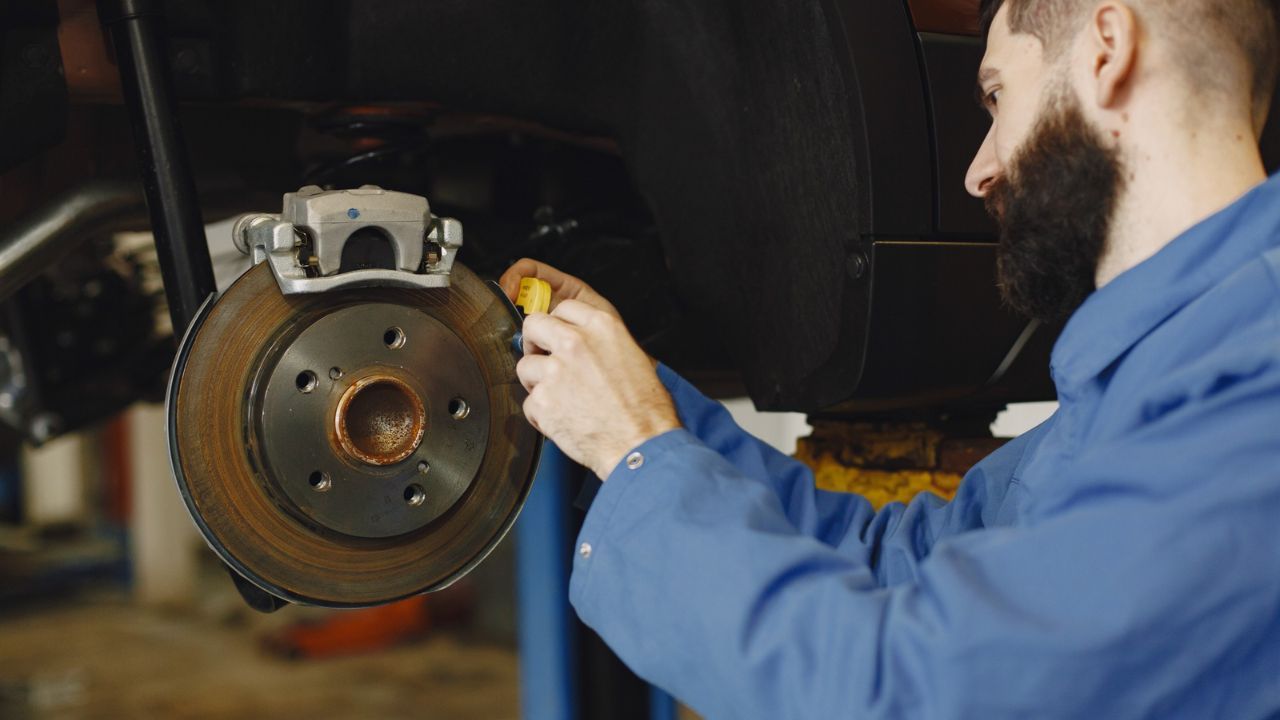
Auto technician measuring brake rotor thickness during a brake system inspection.

Many drivers wait until they hear grinding, while others keep driving because the car still stops. That approach rarely works in their favor.


Brake pads wear gradually, and the damage often starts long before you notice a problem. By the time braking feels different, other parts may already be wearing faster.


During a professional brake inspection, technicians measure brake pad thickness, inspect the rotors, check the brake fluid, and look for uneven wear. These small checks can prevent larger repairs and help your vehicle stop safely in every season.


Keep Your Brakes Ready for Every Drive


When you know how long your brake pad lasts, it helps you stay careful before expensive repairs. On average, the brake pads can last three to five years or 30,000 to 65,000 miles, but that depends on the quality of the brake pads too. 


Make sure to pay attention to new sounds, notice changes in braking feel, and don't ignore small warning signs because they rarely fix themselves.


If your vehicle needs a brake inspection or complete brake service, the experienced team at Hamilton Tire & Car Care Center can help. They inspect your braking system carefully, explain their findings clearly, and recommend only the repairs your vehicle truly needs.


FAQs

Q1: How often should brake pads be inspected?

Have your brake pads inspected every 10,000 to 15,000 miles or during every tire rotation. Getting your brake pads checked regularly ensures that they are well in place, further avoiding any unforeseen situations. 

Q2: Can brake pads last 100,000 miles?

Most brake pads won't reach 100,000 miles. However, some ceramic pads may last longer under ideal highway driving conditions.

Q3: Is it safe to drive with squeaking brake pads?

A squeak doesn't always mean immediate danger. But it is always good to get it checked when you hear such sounds. While it may not be dangerous, it does mean you should schedule a brake inspection soon.

Q4: Should brake pads and rotors be replaced together?

Not always. Rotors only need replacement if they're worn, damaged, or below the manufacturer's minimum thickness.

By jkram200 July 13, 2026
Learn how long an oil change takes, what affects service time, 7 common delays, and expert tips to get back on the road faster.
By jkram200 July 13, 2026
Wondering how long your car battery should last? Discover average lifespan, replacement signs, maintenance tips, and ways to extend battery life.
tire-pressure-light-meaning
By jkram200 June 29, 2026
Understand what the TPMS warning light means, when it's dangerous, how to reset it, and how to prevent future tire pressure problems.
how-to-read-tire-size-guide
By jkram200 June 29, 2026
Discover what tire size numbers mean and how to choose the correct replacement tires for safety, performance, and comfort.
how-often-to-rotate-tires
By jkram200 June 29, 2026
Find out when to rotate tires based on mileage, vehicle type, driving habits, and road conditions with expert-backed recommendations.
By jkram200 June 9, 2026
Discover the advantages and disadvantages of both transmission types and determine which option suits your lifestyle best.
By jkram200 June 9, 2026
Understand the most common causes of uneven tyre wear and learn the solutions that help improve handling, safety, and tyre lifespan.
identify-dry-rot-tires-warning-signs
By jkram200 June 9, 2026
Not sure if your tires have dry rot? Learn 9 clear signs, what causes cracking, and when it's time to replace your tires.
By jkram200 June 1, 2026
Want your engine to last longer? These 6 proven engine maintenance checks help prevent overheating, oil issues, and poor performance.
By jkram200 June 1, 2026
Searching for quieter EV tires? Explore 8 proven electric vehicle tire options designed for low road noise and smooth performance.
Show More