Let's start with a common example, “225/65R17 102H.” Once you break it down, everything makes sense.
The First Number: Tire Width
The number “225” is the tire width. This measurement uses millimeters across its widest point. A wider tire usually offers more road contact and more contact often means better grip.
However, wider tires can increase rolling resistance. That sometimes lowers fuel economy. Therefore, for everyday driving, bigger is not always better.
Understanding the Aspect Ratio
The second number is “65,” which is the aspect ratio of the tire. It represents sidewall height. Specifically, the sidewall equals 65 percent of the tire width.
Many drivers overlook this number. Yet it changes how your vehicle feels. Higher sidewalls absorb bumps better. On the other hand, lower sidewalls create sharper handling.
A taller sidewall often feels smoother while a lower profile tire may look sportier. The right choice depends on your priorities.
What the Letter "R" Means
The letter “R” stands for radial construction. Almost every passenger vehicle uses radial tires today. Radial tires offer several advantages. They wear more evenly, improving ride quality and often last longer.
Years ago, different tire constructions existed. But today, radial designs dominate the market. If you check your current tires, chances are high you'll see an "R."
Wheel Diameter Explained
The number “17” indicates wheel size. This tire fits a 17-inch wheel. This measurement is critical because a 17-inch tire cannot fit an 18-inch wheel. Likewise, an 18-inch tire cannot fit a 17-inch wheel.
There is no flexibility here. The diameter must match exactly. When replacing tires, always verify wheel size first.
What Is the Load Index?
The next number is “102.” This is called the load index which indicates maximum carrying capacity.
Every vehicle requires a specific load rating. Larger vehicles need stronger tires. On the other hand, family SUVs need higher capacities than compact sedans.
Many drivers ignore load ratings which shouldn't be done. Load ratings help ensure safe operation under normal conditions. Always meet or exceed manufacturer requirements.
Never choose a lower rating simply to save money.
Understanding Speed Ratings
The speed rating shows the maximum speed a tire can safely handle under ideal conditions. It also reflects how the tire manages heat, handling, and stability.
Speed Rating: S
Maximum Speed: 112 mph
Speed Rating: T
Maximum Speed: 118 mph
Speed Rating: H
Maximum Speed: 130 mph
Speed Rating: V
Maximum Speed: 149 mph
Speed Rating: W
Maximum Speed: 168 mph
Speed Rating: Y
Maximum Speed: 186 mph
What Do These Ratings Mean for Drivers?
Most family sedans, minivans, and crossovers use S, T, or H-rated tires. These tires focus on comfort, tread life, and everyday performance.
H-rated tires are especially common on modern sedans and SUVs. They offer a good balance between ride comfort and handling.
V-rated tires are often found on sport sedans and performance-oriented vehicles. They provide sharper steering response and better high-speed stability.
W and Y-rated tires are usually installed on luxury and high-performance vehicles. These tires are designed for greater stability at higher speeds and often deliver more responsive handling.
Should You Match the Original Speed Rating?
Yes. In most cases, you should replace your tires with the same speed rating recommended by the manufacturer.
For example, if your vehicle came with H-rated tires, switching to a lower-rated T tire may affect handling and overall performance. Choosing the correct rating helps maintain the driving characteristics engineers intended for the vehicle.
A Quick Example
Let's say your tire size reads:
225/65R17 102H
The H at the end means the tire is rated for speeds up to 130 mph under controlled conditions. That does not mean you should drive that fast. It simply indicates the tire's tested performance capability, heat resistance, and durability at higher speeds.
For most drivers, the key takeaway is simple and that is to match the original speed rating unless a tire professional recommends otherwise.
Where Can You Find Tire Size Information?
Most people check the sidewall first because that’s usually the easiest place to look at. However, there are better places.
Check these locations:
- Driver-side door jamb sticker
- Owner's manual
- Glove compartment information sticker
- Manufacturer specifications
The door jamb sticker deserves special attention. It shows the factory-recommended size. That recommendation balances comfort, safety, and performance.
Why Manufacturers Choose Specific Tire Sizes
Many drivers ask an important question. "Why can't I use any tire that fits?" Technically, some alternatives may fit. That does not mean they perform well.
Manufacturers spend years testing tire combinations. Engineers evaluate handling, test braking, study ride quality, and measure fuel efficiency. The final tire size reflects countless hours of development.
Changing sizes alters that balance. Sometimes the change helps but sometimes it creates problems. Therefore, understanding the goal matters first.
How to Read Tire Size When Replacing Tires
Reading tire size becomes important during replacement.
Imagine your tires need replacement today. You walk into a tire shop and come across several options.
Now what?
Start by asking yourself:
- Do I mostly drive highways?
- Do I face heavy rain often?
- Do I value comfort most?
- Do I want a longer tread life?
- Is fuel economy important?
Your answers guide the decision. The correct size matters first, and then the tire design. Both work together.
Common Tire Shopping Mistakes
Buying tires sounds simple. But in reality, mistakes happen frequently.
Choosing the Cheapest Option
Price matters here and everyone understands that. But tires should be viewed as long-term investments. A quality tire may last years longer. That often lowers overall ownership costs. The cheapest tire sometimes becomes the most expensive.
Ignoring Driving Conditions
Climate affects tire selection significantly.
Drivers facing snowy winters need different priorities. Drivers in warmer regions need different solutions.
Road conditions matter too. Think about where you drive daily. Not just where you drive occasionally.
Forgetting Alignment Issues
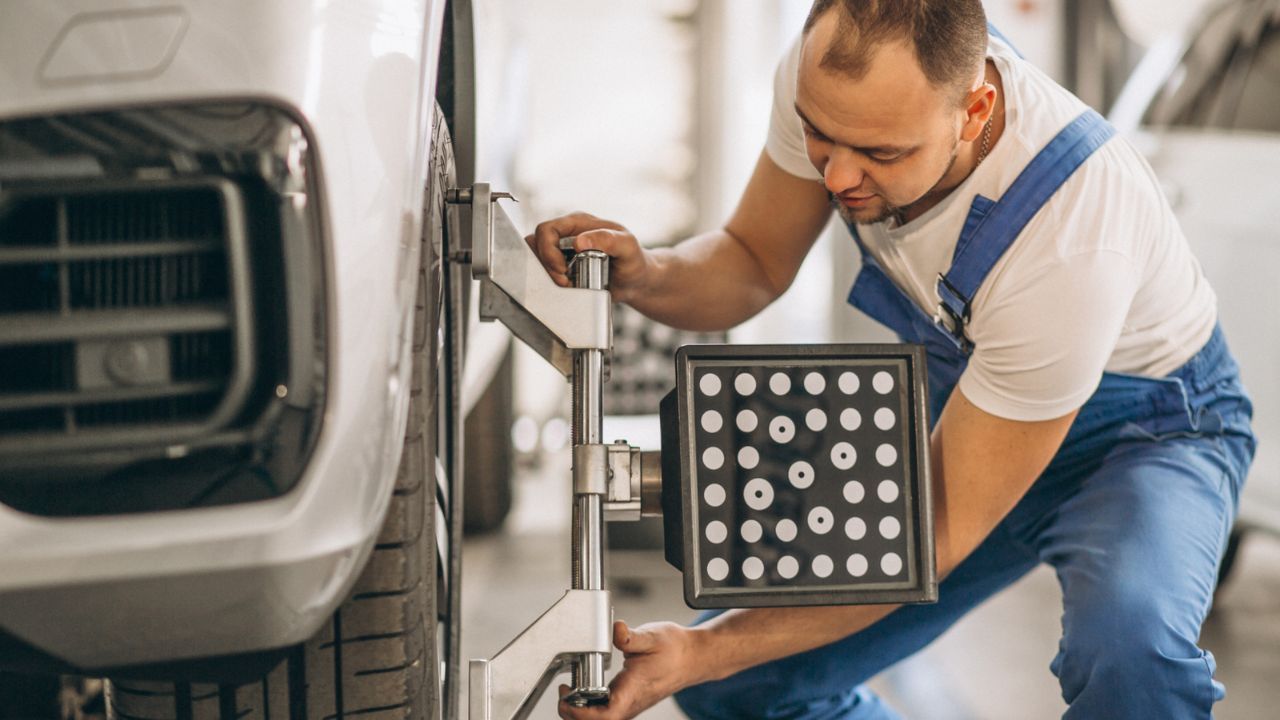
New tires cannot fix alignment problems. In fact, poor alignment destroys new tires quickly. Many drivers learn this lesson the hard way.
A fresh set of tires develops uneven wear. The problem was never the tires. The problem was alignment.
Why Wheel Alignment Protects Your Investment