Automatic vs Manual Transmission: Which Is the Better Choice?
A decade ago, this debate looked very different. Manuals often cost less and delivered better gas mileage. Today, technology has changed that story. Modern automatic systems are smarter and more efficient than ever. For daily driving, they usually make more sense. That's where most buyers should start.
For most drivers today, an automatic transmission is the better choice. Modern automatics offer better convenience, strong fuel economy, and smoother driving. Yet manual transmissions still appeal to drivers who enjoy control. The answer depends on how you use your vehicle each day.
What the Two Transmissions Actually Do Differently
Many drivers think there are only two transmission types. In reality, there are several variations today.
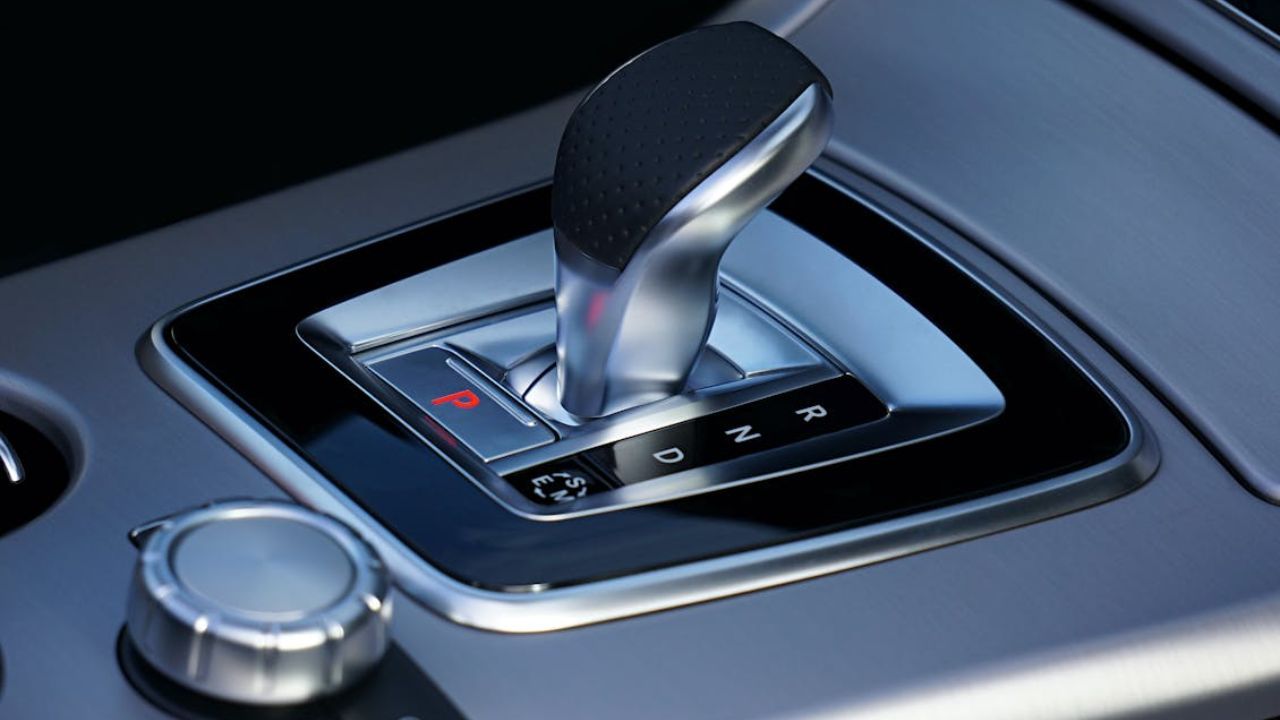
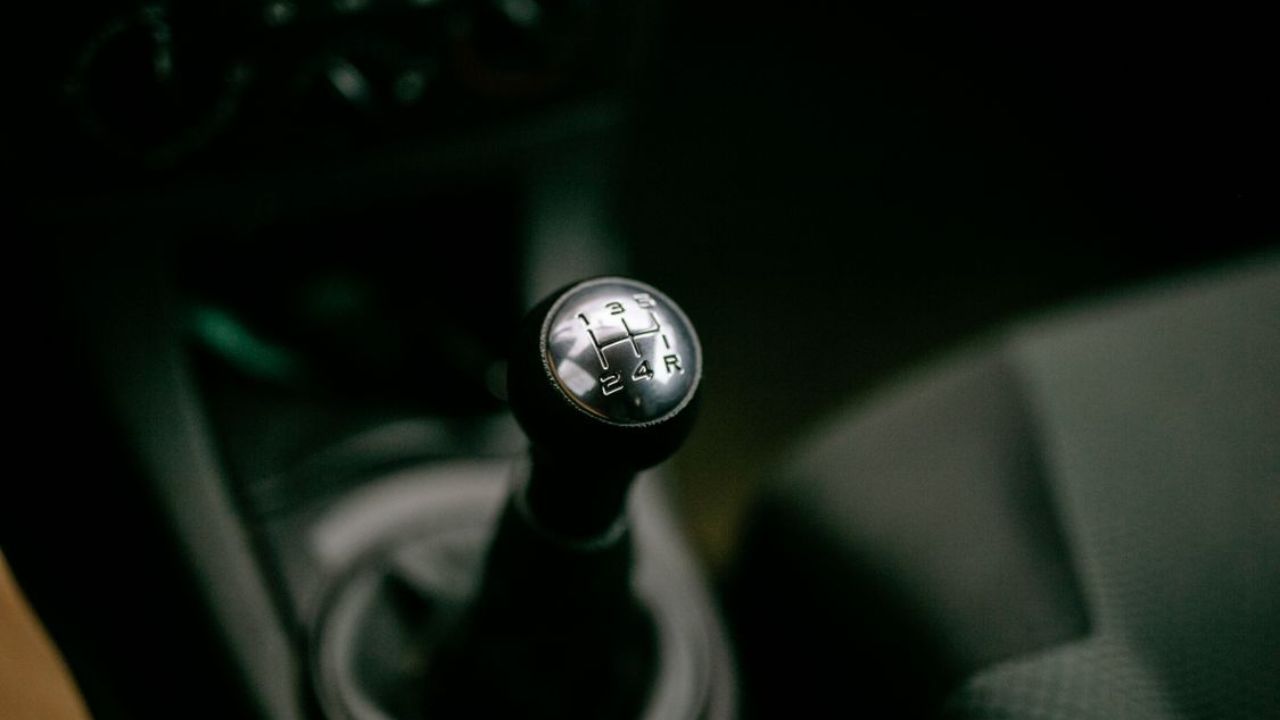
A manual transmission uses a clutch pedal and gear lever. The driver selects each gear manually. An automatic transmission shifts gears without driver input. It uses technology to choose the best gear automatically.
Not all automatics work the same way. Traditional automatics use a torque converter for smooth shifts. CVTs use pulleys instead of fixed gears. Dual-clutch transmissions, or DCTs, shift extremely fast. They combine efficiency with strong performance. Understanding these differences helps you make a smarter choice.
Here’s a table showing the difference between automatic transmission and manual transmission:
Feature: How It Works
Automatic Transmission: Changes gears automatically without driver input.
Manual Transmission: The driver changes gears using a clutch and gear lever.
Feature: Ease of Driving
Automatic Transmission: Easier to drive, especially in traffic.
Manual Transmission: Requires more driver involvement and skill.
Feature: Learning Curve
Automatic Transmission: Quick and simple for beginners.
Manual Transmission: It takes time and practice to master.
Feature: City Driving
Automatic Transmission: Excellent for stop-and-go traffic.
Manual Transmission: Can feel tiring in heavy traffic.
Feature: Highway Driving
Automatic Transmission: Smooth and comfortable on long trips.
Manual Transmission: Provides more control but requires shifting when needed.
Feature: Fuel Economy
Automatic Transmission: Often matches or beats manuals in modern vehicles.
Manual Transmission: Historically more efficient, but less common today.
Feature: Purchase Price
Automatic Transmission: Usually it costs more upfront.
Manual Transmission: Often costs less when available.
Feature: Maintenance Costs
Automatic Transmission: Routine service can cost more.
Manual Transmission: Simpler design can reduce maintenance costs.
Feature: Major Repair Costs
Automatic Transmission: Transmission repairs are typically more expensive.
Manual Transmission: Clutch replacement is a common ownership expense.
Feature: Driver Control
Automatic Transmission: Vehicle controls shift timing automatically.
Manual Transmission: The driver has complete control over gear selection.
Feature: Performance
Automatic Transmission: Modern automatics shift faster than humans.
Manual Transmission: Offers a more connected driving experience.
Feature: Driving Enjoyment
Automatic Transmission: Focuses on comfort and convenience.
Manual Transmission: Favored by enthusiasts who enjoy active driving.
Feature: Resale Value
Automatic Transmission: Appeals to a wider range of buyers.
Manual Transmission: Smaller buyer pool in the used-car market.
Feature: Best For
Automatic Transmission: Daily commuters, families, and city drivers.
Manual Transmission: Enthusiasts and drivers who enjoy engagement.
Fuel Economy: Which One Actually Gets Better Mileage Today
Many people still believe manuals save more fuel. That was true years ago. It is no longer true for most vehicles.
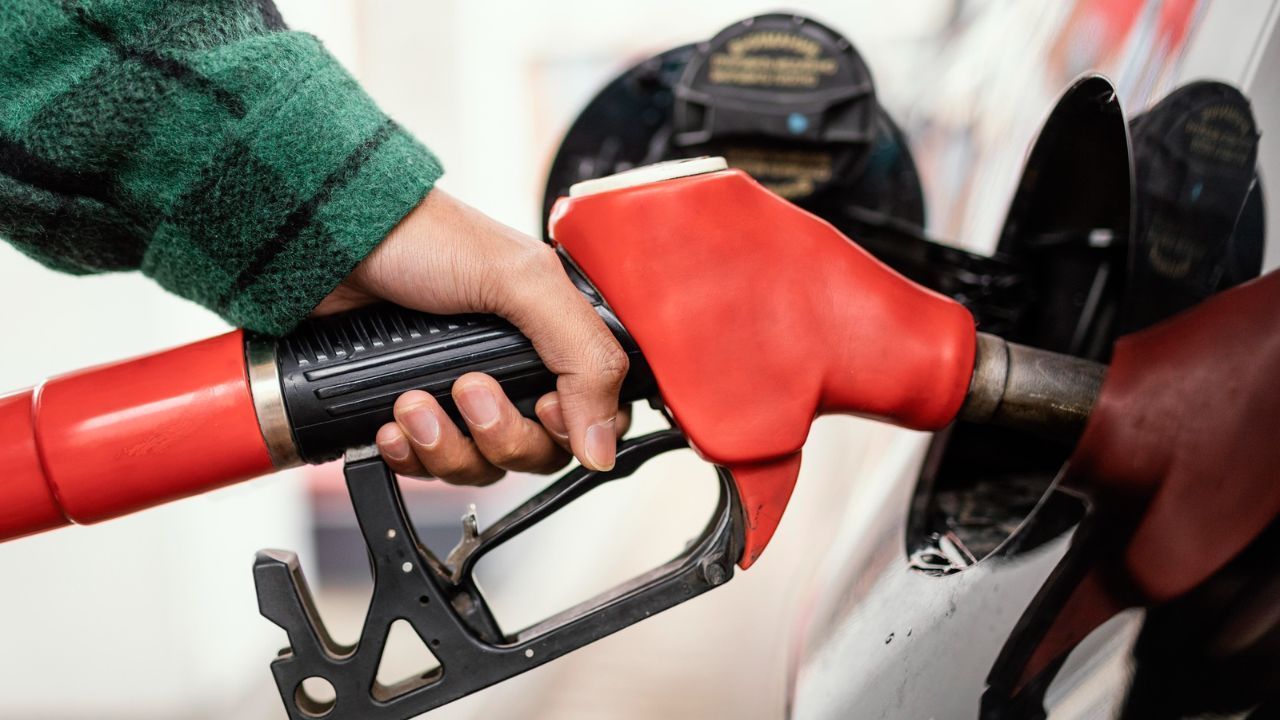
Now, modern automatics often beat manuals in fuel economy. Advanced eight-speed and ten-speed transmissions keep engines efficient. They react faster than most drivers can. That helps reduce wasted fuel during acceleration and cruising.
The automatic transmission versus manual discussion once favored manuals. Today, many automatics earn equal or better EPA ratings. Some dual-clutch systems perform even better. Surprised by that? Many drivers are. Modern transmission technology changed the rules.
The Real Cost of Owning Each
Many shoppers assume manuals always save money. The truth is more complicated.
Some manual models still cost less upfront. The savings can range from several hundred dollars to over a thousand. However, manual options are becoming less common. In some cases, they are only offered on performance trims.
Long-term costs matter just as much as purchase price. Clutches wear out and eventually need replacement. Automatic repairs cost more when they happen. Yet many modern automatics last a very long time. Resale value also matters. Most used-car buyers prefer automatics today.
Here are a few costs worth comparing:
- Purchase price: Manuals may cost $500-$1,500 less.
- Clutch replacement: Usually costs about $500-$1,500.
- Transmission rebuild: Often ranges from $2,000-$5,000.
- Resale value: Automatics usually attract more buyers.
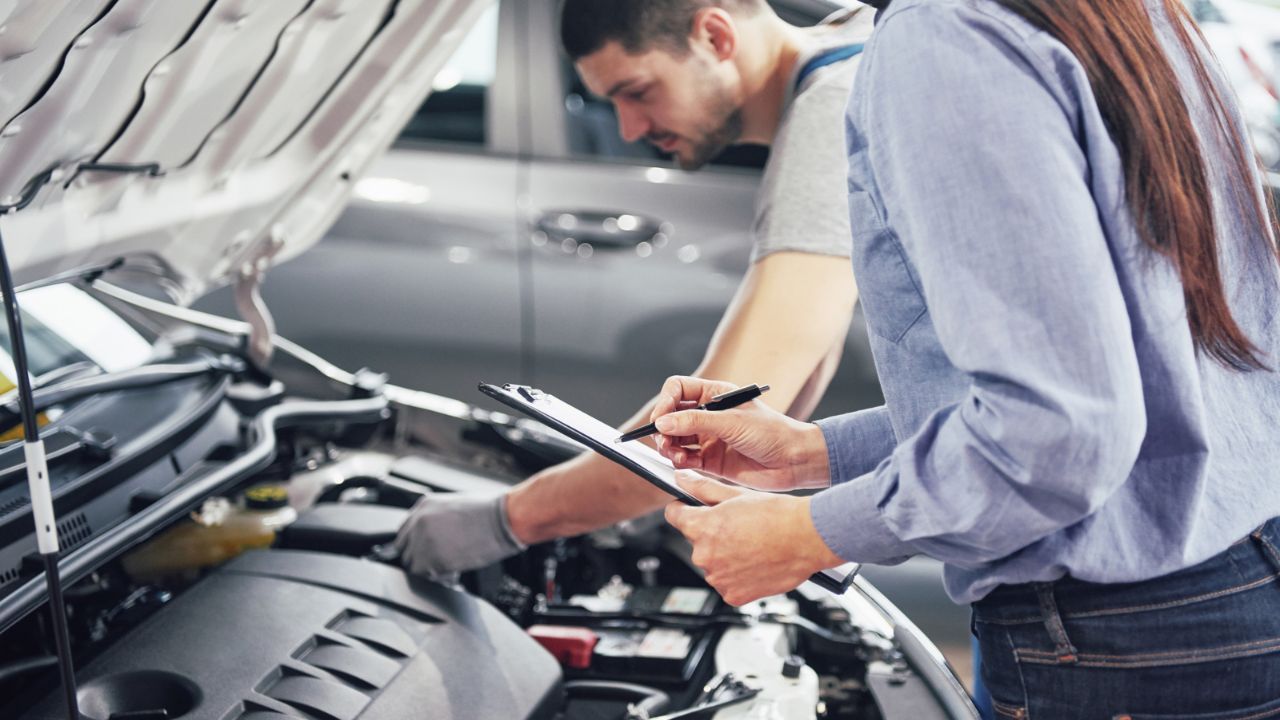
Regular maintenance helps both systems last longer. Transmission service and brake repair are two examples. Hamilton Tire & Car Care Center provides both services. Preventive care often saves money later.
What Driving Each Feels Like
A manual transmission feels more involved. Whereas, an automatic feels more relaxed.
With a manual, every shift requires your attention. You decide when to change gears. Many drivers enjoy that added control. A winding road becomes more enjoyable, and every shift feels intentional.
Now picture a busy morning commute. Traffic slows and speeds constantly. Your left foot works the clutch repeatedly. That can become tiring quickly. An automatic removes that extra effort. Driving becomes smoother and less stressful.
Long road trips tell a similar story. Modern automatics handle most situations effortlessly. Drivers often arrive feeling less fatigued. For everyday use, convenience usually wins.
How Many Manual Transmission Cars Are Left to Buy in 2026
Manual transmissions still exist today. Their numbers continue shrinking each year.
As of 2026, fewer than 2% of new vehicles offer manuals. Automakers continue focusing on automatics and electric vehicles. Consumer demand keeps falling but the trend has remained steady for years.
Availability now depends on vehicle category. Sports cars still offer several manual choices. Other segments provide far fewer options. Before choosing a vehicle, check available transmissions first.
Here's what the market looks like today:
- Sports cars: Several manual options remain.
- Performance compacts: Limited but still available.
- Mid-size sedans: Almost completely gone.
- Mainstream SUVs: Rarely offer manuals.
- Full-size trucks: Very few manual choices remain.
That reality shapes many buying decisions today.
Automatic Transmission vs. Manual: Which Driver Are You?
This decision is not about labels or stereotypes. It is about daily driving habits.
Think about where you spend most miles. Do you face heavy traffic every morning? Do you enjoy weekend drives on open roads? That distinction matters more than many people realize. It changes the answer quickly.
For most American drivers, automatics make life easier. They reduce stress and improve convenience. They also perform extremely well. That's why they dominate today's market.
The Daily Commuter
Best Choice: Automatic
Heavy traffic makes constant shifting frustrating. An automatic reduces fatigue during long drives.
The Weekend Enthusiast
Best Choice: Manual
A manual creates a stronger connection with the vehicle. Driving feels more interactive and rewarding.
The Family Vehicle Buyer
Best Choice: Automatic
Multiple drivers can operate the vehicle easily. Daily errands become much simpler.
The Driving Purist
Best Choice: Manual
The experience matters as much as transportation. A manual adds enjoyment to every drive.
When considering automatic transmission versus manual, focus on daily use. Your routine often provides the best answer.
Is the Manual Transmission Going Away?
Yes, manual transmissions continue losing market share. The trend remains clear.
The 2026 model year reflects a familiar pattern. Manufacturers remove manual options more often than add them. Automatic technology keeps improving every year. At the same time, electric vehicles continue growing.
Electric vehicles use single-speed drive systems. They do not require traditional transmissions. As EV adoption increases, manual options become rarer. Some performance brands still support manuals. Most mainstream brands are moving away from them.
For many buyers, the decision is already settled. Automatics offer better convenience, strong efficiency, and broad availability.
Manuals still hold a special appeal. They deliver a driving experience many enthusiasts love. Yet their future looks increasingly limited. Ten years from now, will this choice still exist?
FAQs
Q1: Is a manual transmission better for beginners?
No. Most beginners learn faster and feel more comfortable with an automatic because there is no clutch pedal or manual shifting.
Q2: Do automatic transmissions last longer than manuals?
Both can last a very long time with proper maintenance. Driving habits and service history often matter more than transmission type.
Q3: Is a manual transmission cheaper to repair?
Minor repairs can be cheaper, but clutch replacement adds cost. Major automatic repairs cost more, though they occur less often on well-maintained vehicles.
Q4: Which transmission is better for city driving?
Automatic transmissions are usually better for city driving because they reduce fatigue in stop-and-go traffic.
Q5: What services help extend transmission life?
Regular transmission maintenance,
fluid inspections,
and brake system checks help prevent costly problems.
Hamilton Tire & Car Care Center
offers both transmission-related maintenance and brake repair among its wide range of automotive services.