How to Identify Tire Dry Rot: 9 Powerful Warning Signs
Tire dry rot is easiest to spot through cracks, fading, stiffness, and crumbling rubber. If you see several warning signs together, your tires may no longer be safe.
Most people notice something looks wrong before they know why. You see a crack appear near the sidewall, or the rubber looking gray, or the tire feeling harder than before.
The good news is that tires rarely fail without warning. They leave clues first. The key is knowing which clues deserve attention. Start there.
What Is Tire Dry Rot?
Dry rot has nothing to do with moisture, which might be surprising given the name.
Tires contain oils and protective compounds. These ingredients keep rubber flexible and strong. Over time, sunlight, heat, ozone, and air break them down. The rubber slowly loses its ability to flex.
Think about an old rubber band. At first, it stretches with ease. After years in a drawer, it becomes stiff. Then it snaps. Tire rubber ages the same way.
That process creates what drivers call dry rot tires. The tire may still hold air. It may still have deep tread. Yet the rubber itself is aging and weakening.
Why Dry Rot Is More Dangerous Than It Looks
Small cracks can hide a bigger problem.
A modern tire relies on flexible rubber. That rubber protects steel belts and internal cords. When cracks appear, protection starts fading. Damage often spreads beneath the surface.
Every mile forces the sidewall to flex. Heat adds even more stress. So do potholes and rough roads. A weakened tire handles those forces poorly.
That is why dry rot tires deserve attention. The crack you see today may be only part of the story. The deeper damage often stays hidden until it doesn't.
9 Warning Signs of Dry Rot on Your Tires
Start with the sidewall before checking the tread.
Many drivers focus only on tread depth. That approach misses important warning signs. A proper inspection takes just a few minutes. Check the sidewalls, tread, bead area, and tire age.
Here are the nine signs to watch for:
Sign 1: Hairline Cracks in the Sidewall
Hairline cracks are often the first visible warning sign.
These cracks usually look like tiny lines, and may resemble wrinkles in old leather. Early cracks often stay on the outer surface. That stage still deserves attention.
But how deep is too deep for these cracks to be dangerous? Use your fingernail. If it catches inside the crack, the damage may extend deeper.
Also look at crack direction. Cracks running across the sidewall deserve extra concern. Those patterns often suggest greater stress.
Sign 2: Tread Surface Cracks
A tire with good tread can still be unsafe.
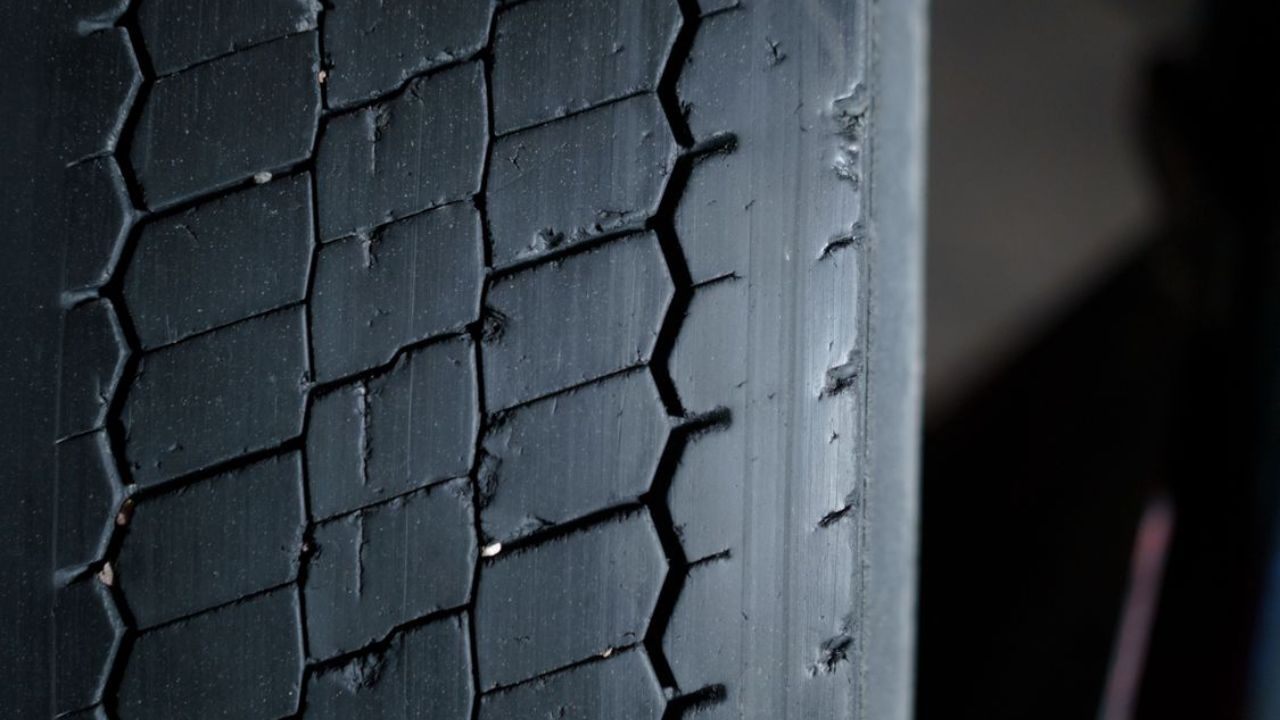
Many people assume tread depth tells the whole story, but it doesn't. Cracks often develop between tread blocks first. They can appear long before the tread wears out.
Press gently on several tread sections, and watch the rubber flex. Small cracks may open as pressure increases.
Pay special attention to cracks crossing tread blocks. Those signs suggest deeper aging. Plenty of tread does not guarantee safety.
Sign 3: Faded or Grayish Sidewall Color
A gray sidewall is not just a dirty sidewall.
Healthy tires contain carbon black and UV protectants. Those compounds help resist sun damage. As protection weakens, the black color begins fading. The tire starts looking dull and gray.
Many drivers reach for tire shine. That improves appearance for a short time but it doesn't reverse aging. Some harsh tire shine products may even speed deterioration.
Color changes often appear early, however, they are easy to overlook. So, keep an eye on it always.
Sign 4: Brittle or Stiff Rubber Texture
This is the check most people skip.
Press your thumb into the sidewall firmly. If the rubber is healthy it will feel firm but flexible. It also pushes back with some give which is normal.
A dry-rotted tire feels different. The rubber often feels hard and stiff. Some compare it to pressing thick plastic. The change becomes obvious once felt.
Perform this check when tires are cool as heat affects firmness.
Sign 5: Flaking or Crumbling Rubber Pieces
Flaking rubber is not a warning sign. It is an end stage.
Run your hand along the sidewall carefully. Do black pieces come away? Is rubber crumbling near visible cracks? Those signs indicate serious deterioration.
At this stage, the compound is breaking apart. The tire has lost structural integrity. Monitoring is no longer enough. Replacement becomes necessary.
If your tire has reached this stage, do not delay getting your tires checked or even replaced. Professionals at Hamilton Tire and Car Care Center can help you with this. Their tire service includes all the important checks making sure your vehicle runs safe on the road.
Sign 6: Bulges or Blisters on the Sidewall
Not every sidewall bulge has the same cause.
Some bulges appear after pothole impacts. Others develop from aging rubber layers separating. Both conditions create risk and deserve immediate attention.
A dry-rot blister often appears with fading and cracks. Impact damage may appear suddenly on an otherwise healthy tire. The cause differs, but the urgency does not.
If you see a bulge, schedule replacement quickly. That tire has already raised a red flag.
Sign 7: Tread Separation or Lifting Edges
To check this, run a fingernail along the tread edge. The transition should feel smooth. Healthy tread stays firmly attached. You should not feel raised edges or loose sections.
When dry rot advances, tread may begin lifting. The change often starts subtly. Most drivers miss it at first, but then the problem grows.
Tread separation is not something to monitor casually. It requires quick action.
Sign 8: Your DOT Date Code Shows 6+ Years

Age can reveal problems before cracks appear.
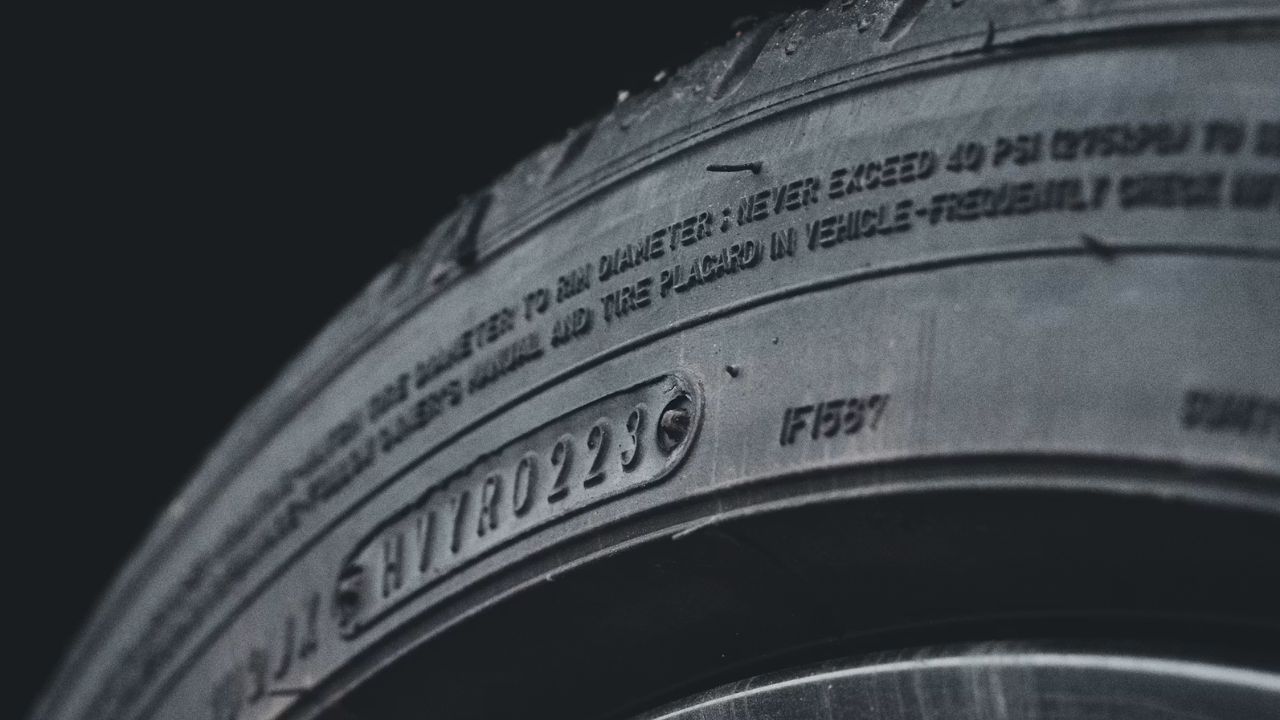
Find the DOT code on the sidewall. The last four digits show the manufacture week and year. For example, 2319 means week twenty-three of 2019.
A tire built during 2019 is over six years old. That places it inside the age range where deterioration becomes more common. Even well-maintained tires age.
The DOT code offers an objective answer. Looks can be misleading, but numbers are not.
Sign 9: Cracks Near the Bead Area
Most people inspect the middle of the tire. But it helps when you start lower.
The bead area sits near the wheel rim. This section helps create an airtight seal. Cracks here deserve immediate attention.
Use a flashlight during inspection. Look closely just above the rim. Small splits may appear harmless, but they are not.
Bead damage can affect air retention and tire seating. That creates risk without much warning. Check here every time.
Mild, Moderate, or Severe: How Bad Is Your Dry Rot?
Not all dry rot is the same emergency.
Some tires show minor surface aging. Others display serious structural damage. Knowing the difference helps you decide what to do next. What does that mean in practice?
Mild Dry Rot
- Fine surface cracks only
- Rubber remains flexible
- Limited discoloration
- Tire under six years old
- Schedule an inspection soon
Moderate Dry Rot
- Deeper visible cracks
- Noticeable gray sidewalls
- Stiffer rubber texture
- Damage appears in several areas
- Avoid long highway trips
Severe Dry Rot
- Crumbling rubber
- Bulges or blisters
- Tread separation
- Bead area cracking
- Tire age exceeds ten years
Severe damage means replacement. Don’t delay on that.
Can You Drive on Dry-Rotted Tires?
The answer is not simply no.
Mild dry rot with no bulges, bead damage, or crumbling rubber may allow a slow drive to a nearby shop. Moderate and severe damage require a different response. Those vehicles should not be driven.
A lightly cracked tire is different from a tire shedding rubber. If cracks are deep, tread is separating, the bead area shows damage, stop driving and call for a tow instead.
What Causes Tire Dry Rot?
Many people think only neglected vehicles develop dry rot.
That is not true. A daily driver parked in intense sun may age faster than a garage-kept weekend car. Heat and UV exposure matter more than many people realize.
Some causes are unavoidable. Others are fully within your control. Understanding the difference helps extend tire life.
Common causes include:
- Sun exposure: UV rays break down rubber compounds.
- Heat: High temperatures speed aging.
- Long storage periods: Tires age while sitting still.
- Low inflation: Extra flex increases stress.
- Harsh dressings: Petroleum products may damage protection systems.
Professional inspections help catch problems early. Services like tire inspections and wheel alignments at Hamilton Tire & Car Care Center can identify tire issues before they become expensive failures.
How to Prevent Tire Dry Rot
One of the best ways to prevent tire dry rot is by keeping it in shade. Additionally, smart maintenance helps even too.
No tire lasts forever. Still, a few habits can slow aging significantly. The goal is reducing heat, UV exposure, and unnecessary stress.
Follow these practical steps:
- Park in shaded areas whenever possible.
- Maintain proper tire pressure year-round.
- Drive regularly instead of letting vehicles sit.
- Use water-based tire protectants.
- Schedule routine tire inspections.
Professional maintenance also helps. Tire rotation and tire inspections often reveal early warning signs.
Prevent Your Tire From Rotting
Walk outside and inspect your tires today.
Check the sidewalls carefully, inspect the bead area, and feel the rubber texture. Also, make sure to read the DOT code. The process takes only a few minutes.
Many dry rot tires still have usable tread. That is what makes them deceptive. The tire that fails tomorrow often showed warning signs months earlier. What might your tires be telling you right now?
FAQs
Q1: What does tire dry rot look like?
Dry rot usually appears as cracks, fading, stiffness, or crumbling rubber. Sidewalls often show the earliest signs.
Q2: Can dry rot be repaired?
No. Tire conditioners may improve appearance. They cannot restore damaged rubber.
Q3: How old is too old for a tire?
Most manufacturers recommend close monitoring after six years. Replacement often occurs between six and ten years.
Q4: Are sidewall cracks always dangerous?
Not always. Small surface cracks may be monitored. Deep cracks require professional inspection.
Q5: How often should tires be checked?
Inspect tires once each month. Also inspect them before long trips.