
How Often Should You Rotate Tires for Maximum Tire Life

jkram200 • June 29, 2026

If you’re wondering how often you should rotate your tires, then the answer is simple. Rotate your tires every 5,000 to 7,500 miles. That’s common in most vehicles. If you drive an all-wheel-drive model, that interval may be closer to 3,000 to 5,000 miles.


Many people only think about tire rotation when buying new tires. By then, uneven wear has often started. The good news is that staying ahead of the problem is easy. 


A simple service can add thousands of miles to tire life. It also helps your vehicle grip better during heavy rain and daily commuting.


How Often to Rotate Tires - The Right Interval for Your Vehicle


Your neighbor's SUV and your sedan do not need the same schedule. Most front-wheel-drive and rear-wheel-drive vehicles need tire rotation every 5,000 to 7,500 miles. Most all-wheel-drive vehicles need it every 3,000 to 5,000 miles.


The reason is simple. The tires doing the most work wear the fastest. On a front-wheel-drive vehicle, the front tires steer, brake, and pull the car forward. They work hard every day. 


Rear-wheel-drive vehicles spread the workload differently. The rear tires deliver power while the front tires handle steering. Wear tends to be more balanced, but rotation still matters.


All-wheel-drive systems send power to all four tires creating better traction. It also means all four tires wear together. Many AWD systems also require tire diameters to stay close. Uneven tread can stress expensive drivetrain parts. 


Electric and hybrid vehicles deserve special attention. Their battery packs add weight. Instant torque can also wear tires faster. This may sound surprising and many owners even learn this after their first tire replacement. 


Why Tire Rotation Matters


Uneven tread does not sneak up on you. It costs you.

A tire that wears faster on one corner of the vehicle loses tread sooner. Once that happens, traction drops and wet roads become harder to handle. 


Rotation helps each tire spend time in different positions. That spreads wear more evenly. Instead of one tire wearing out early, all four wear at a similar rate. 


The money side matters too. A quality set of tires can cost hundreds of dollars. Rotating them helps you get the full value from that investment. So, why replace tires early if you do not have to? 


Heat also plays a role. If the road stays hot most of the year, hot pavement increases tread wear. Rotation helps balance that wear before it becomes a costly problem. 


Signs Your Tires Need are Due for a Rotation

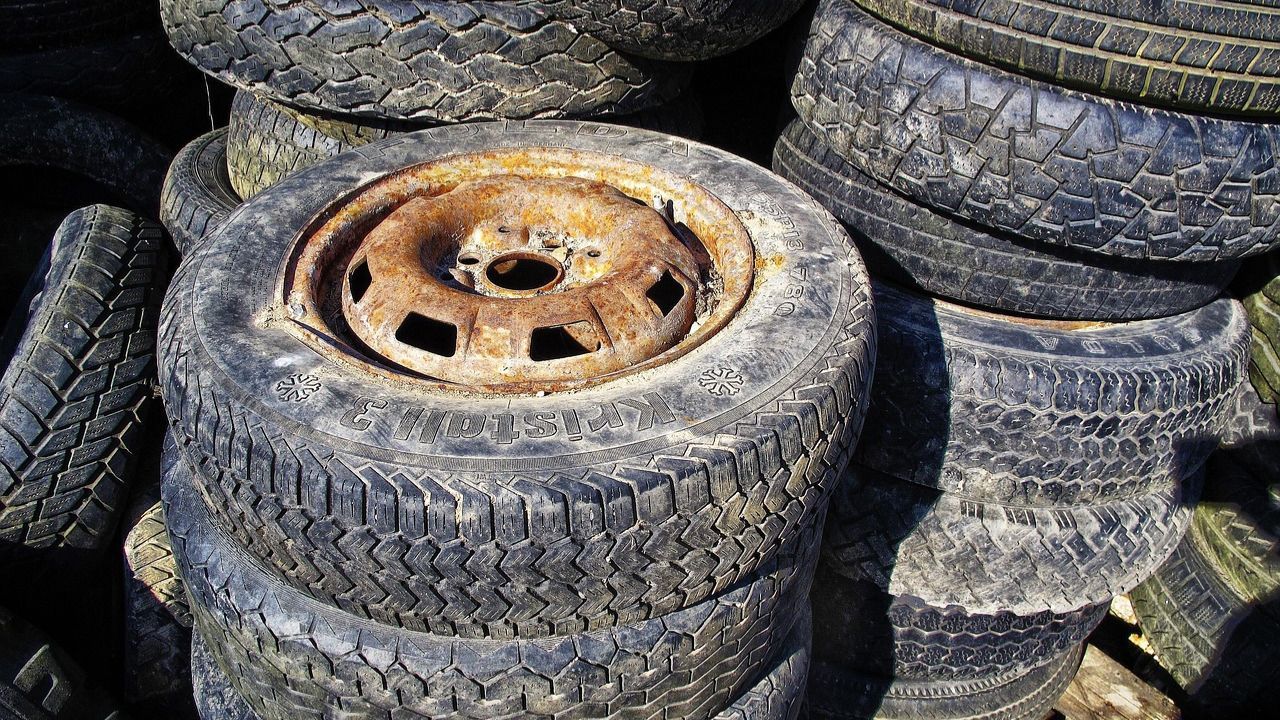
Stack of worn and damaged tires awaiting disposal or recycling

Most signs people wait for appear later than they should. By the time uneven wear becomes obvious, tire life may already be shorter.

A quick visual check can reveal a lot. Look at tread depth across each tire. Compare the front and rear tires. If one set looks noticeably more worn, rotation is likely overdue.


Some symptoms can point to other problems too. A vibration at highway speed may improve after rotation. Or it may signal wheel balancing issues. A vehicle that pulls to one side could need an alignment instead. 


Common signs include:

  • Uneven tread wear. One axle is wearing faster than the other.
  • Steering wheel vibration. Rotation may help, but balancing may also be needed.
  • Increased road noise. Uneven tread patterns often create extra noise.
  • More than 6,000 miles since the last rotation. The mileage alone may be enough.


If tread wear becomes severe, rotation may no longer help much. At that stage, replacement may be the better option. 


What Happens When You Skip Tire Rotations


Skipping one rotation rarely ruins a tire, but skipping several can.

Think about the math. A set of tires often costs $400 to $800 or more installed. Tire rotation costs far less. Ignoring the service can shorten tire life by thousands of miles. The numbers add up fast.


Uneven tread also affects handling. Your vehicle may feel less stable in rain. Braking distances can increase, and fuel efficiency can drop slightly too.


The bigger issue is replacement timing. A tire that wears out 10,000 miles early forces you to spend money sooner than planned. 


How to Build a Rotation Schedule You'll Actually Keep

The every-other-oil-change rule sounds good on paper. In real life, it depends on your vehicle.

Many synthetic-oil vehicles can travel 7,500 to 10,000 miles between oil changes. If you wait for every second oil change, you may stretch the interval too far. That defeats the purpose.


A better approach is simple. Check your mileage after each rotation, and add 6,000 miles. Set a reminder in your phone. Then schedule service before you forget. 


Pairing rotation with routine maintenance also helps. During a visit for an oil change, brake inspection, or wheel alignment service, ask for a tire check. Hamilton Tire Car Care Center offers both wheel alignment services and brake services, making it easy to inspect multiple wear-related issues during one visit.


Tire Rotation Cost and Where to Get It Done

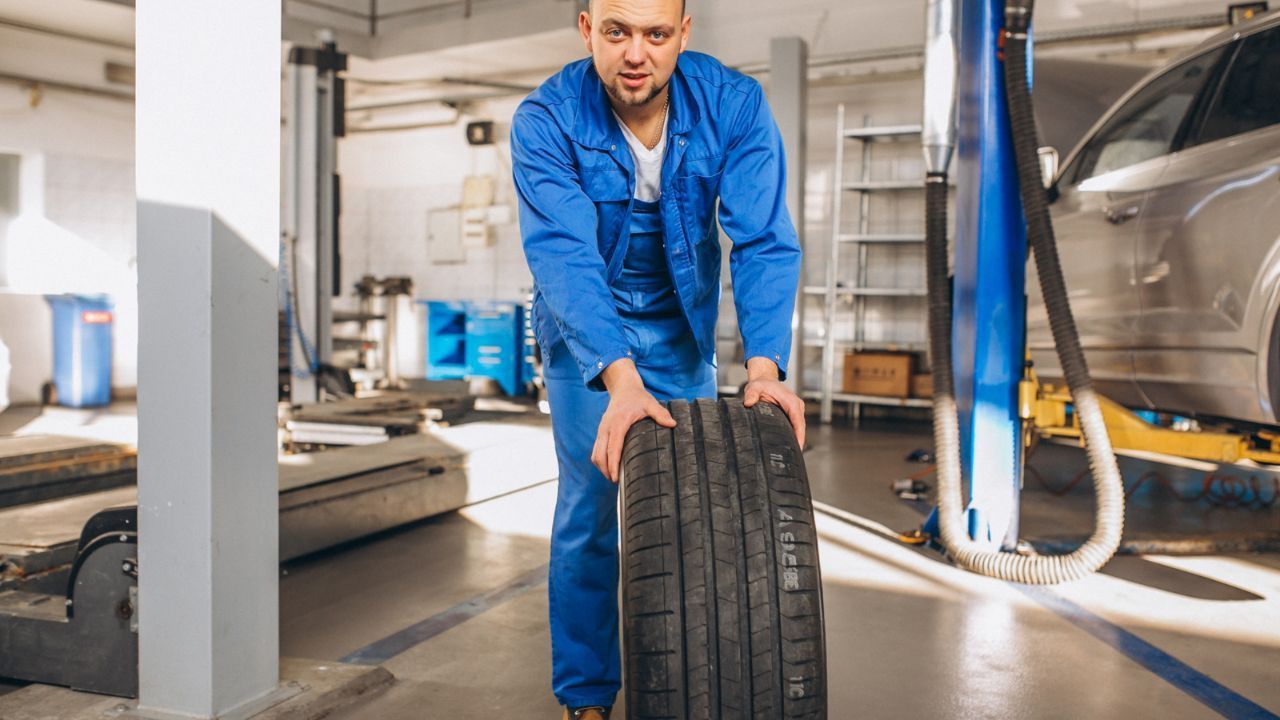
Mechanic rolling a replacement tire through an automotive repair shop

Some tire retailers include free lifetime rotations when you buy tires from them. That can save money over several years. Always ask before purchasing new tires. 


If your tires did not come with a maintenance package, look for a shop that checks more than tread wear alone. Tire pressure, alignment, suspension condition, and brake wear all affect how tires age.


For drivers looking after long-term tire health, Hamilton Tire Car Care Center can also inspect suspension components during service visits. That matters because even perfect rotation cannot fix poor alignment. 


When comparing providers, remember to ask if rotation is included with tire purchases, and expect about $20 to $60 for standalone service. Choose a shop that inspects the entire tire wear picture, not just the tread. 


Final Thoughts


Rotate your tires every 5,000 to 7,500 miles in most vehicles. AWD models often need shorter intervals. The next step matters more. Check your last service record today. Find the mileage, and add about 6,000 miles. Then set a reminder before closing this page.

Most tire wear problems start because people forget. The drivers who get the longest tire life usually do one thing differently. They plan ahead. Will you?


FAQs

Q1: Is tire rotation necessary if my tires look fine?

Yes. Even though your tire looks fine, you never know what’s happening to it from the inside. Uneven wear often starts before it becomes visible. Regular rotation helps prevent early tread loss and extends tire life.

Q2: How often should AWD tires be rotated?

A common number for most AWD vehicles needing rotation is around 3,000 to 5,000 miles. It is, however, important that you check your owner's manual for the exact recommendation.

Q3: Can tire rotation fix uneven wear?

Tire rotation can fix uneven wear only if it is caught early. In instances where there is severe uneven wear, it may require tire replacement. Always keep an eye on your tire’s condition.

Q4: Does wheel alignment replace tire rotation?

No. Wheel alignment is a completely different issue and thus, serves different purposes. Rotation balances tread wear, while alignment ensures the wheels point in the correct direction.

Q5: Can bad brakes affect tire wear?

Yes. If your vehicle has worn brake components, it can contribute to uneven tire wear and reduced vehicle performance over time. This is also one of the reasons why you should schedule regular maintenance for your vehicle. 

tire-pressure-light-meaning
By jkram200 June 29, 2026
Understand what the TPMS warning light means, when it's dangerous, how to reset it, and how to prevent future tire pressure problems.
how-to-read-tire-size-guide
By jkram200 June 29, 2026
Discover what tire size numbers mean and how to choose the correct replacement tires for safety, performance, and comfort.
By jkram200 June 9, 2026
Discover the advantages and disadvantages of both transmission types and determine which option suits your lifestyle best.
By jkram200 June 9, 2026
Understand the most common causes of uneven tyre wear and learn the solutions that help improve handling, safety, and tyre lifespan.
identify-dry-rot-tires-warning-signs
By jkram200 June 9, 2026
Not sure if your tires have dry rot? Learn 9 clear signs, what causes cracking, and when it's time to replace your tires.
By jkram200 June 1, 2026
Want your engine to last longer? These 6 proven engine maintenance checks help prevent overheating, oil issues, and poor performance.
By jkram200 June 1, 2026
Searching for quieter EV tires? Explore 8 proven electric vehicle tire options designed for low road noise and smooth performance.
By jkram200 June 1, 2026
Small tire problems become dangerous quickly. Discover 5 warning signs that mean you need tire repair service before a blowout happens.
By jkram200 May 15, 2026
Compare the best engine degreasers for tough grease, oil stains, and dirt. Find the right cleaner for your car today.
By jkram200 May 15, 2026
Ignoring brake vibrations can be risky. Learn the top causes and how to fix your car shaking issue before it gets worse.
Show More