How Long Do Car Batteries Last? The Complete 2026 Guide

jkram200 • July 13, 2026

When you’re driving your car, you rarely think about the battery. This is not the case just with you, but with almost everyone. You notice your car’s battery only when the engine stays silent suddenly. And guess what, it usually happens at the worst possible time.


When coming to how long car batteries last, most car batteries last between three and five years. The exact lifespan depends on your battery type, driving habits, maintenance routine, and local climate. A well-maintained battery often lasts five years, while a neglected one may fail much sooner.


In this guide, we’ll look at how long they last, why they last that long, and what the struggles of these batteries are. 

How Long Do Car Batteries Actually Last?

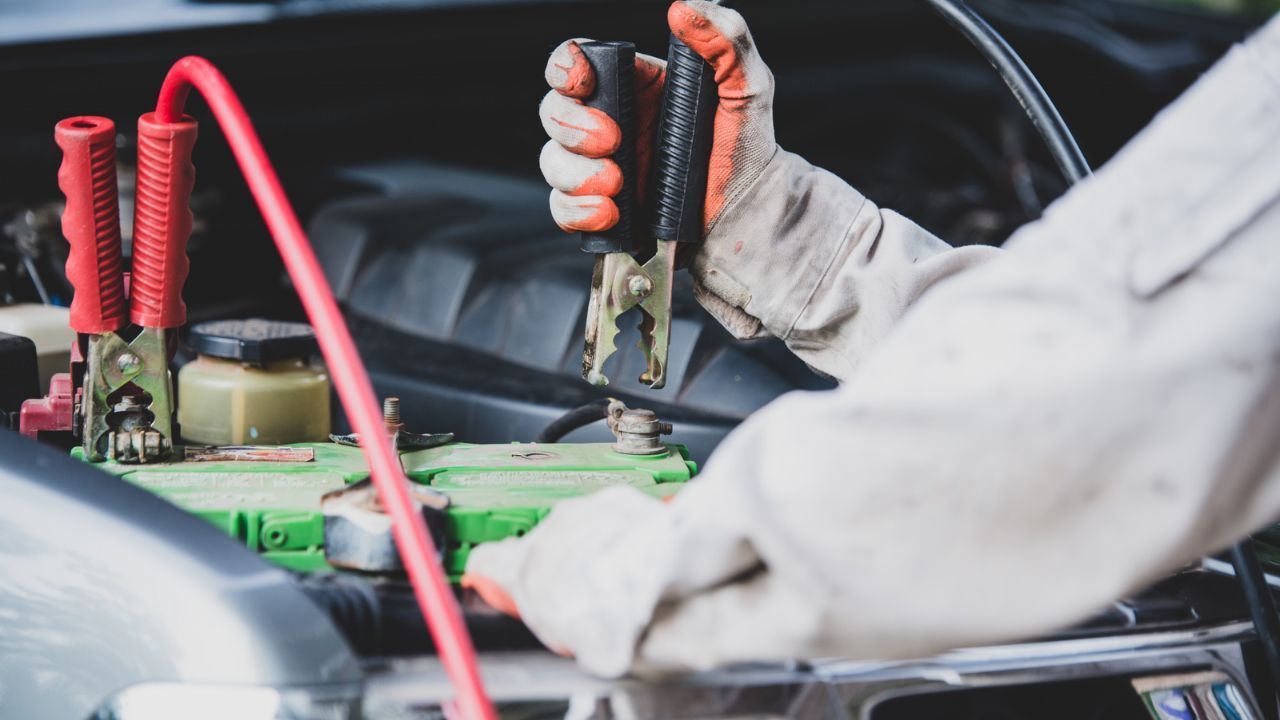
Mechanic connecting jumper cables to a car battery for a safe battery boost.

In short, three to five years is the average battery lifespan for most vehicles. Think of that range as a guideline instead of a guarantee. Every battery ages differently because it depends on the driver and the driving habits. Small habits make a bigger difference than many drivers realize.


A battery that fails before three years deserves attention because something else may be causing the problem. The charging system may not work properly, or corroded terminals may also reduce performance. Finding the real cause prevents another early failure.


Most batteries reach their replacement window between three and five years. During this stage, performance slowly declines. While the engine may still start today, tomorrow may tell a different story. That uncertainty is why regular testing becomes important.


Once a battery passes five years, every cold morning becomes a bigger risk. It may keep working for months. It may also fail without much notice, and waiting for complete failure rarely saves money.


Does Battery Type Matter?


Not every battery follows the same timeline. Many drivers assume every battery works the same way. That simply is not true. Modern vehicles use different battery technologies based on their electrical demands.


Here are the most common battery types.

  • Lead-acid battery: usually lasts 3 to 5 years
  • AGM battery: usually lasts 4 to 7 years
  • EFB battery: usually lasts 4 to 6 years
  • Lithium-ion 12-volt battery: may last up to 10 years


AGM batteries cost more, but they offer better durability. They also handle repeated charging cycles better. Many vehicles with automatic start-stop systems already use AGM batteries from the factory.


Not sure which battery your car uses? Check your owner's manual. A technician can also identify it during a routine inspection. Choosing the correct replacement always pays off later.


Signs Your Battery Is Getting Weak


Most batteries do not fail overnight. The warning signs often appear weeks earlier. Many drivers ignore them because the car still starts. That is where trouble begins.


Have you noticed the engine cranking slower lately? Does it sound different on cold mornings? Those small changes often signal declining battery strength.


Watch for these common symptoms.

  • Slow engine cranking
  • Dim headlights while idling
  • Battery warning light on the dashboard
  • Corrosion around battery terminals
  • Clicking sound when turning the key


One symptom deserves special attention. A rotten egg smell around the battery usually means internal damage. If you come across this smell, stop driving and have the battery inspected immediately.


What Shortens Battery Life?


Many people blame winter, but summer often causes the real damage. Heat speeds up chemical reactions inside the battery. Those reactions slowly wear down the internal plates. By winter, the battery already has less capacity, and cold temperatures simply expose that weakness.


Short trips create another hidden problem. Starting your engine uses a large amount of power. Driving only ten minutes never fully replaces that energy. This is why the battery stays partially charged every day. Over time, that constant deficit reduces its lifespan.

Other habits also reduce battery life.


  • Leaving lights or accessories on
  • Allowing corrosion to build up
  • Driving infrequently
  • Ignoring charging system problems
  • Installing the wrong replacement battery


Small habits create big repair bills. Many battery failures begin months before the engine refuses to start.


When Should You Replace Your Battery?

Auto technician installing a new car battery inside the engine bay during routine maintenance.

Age tells part of the story. But testing tells the rest. Many drivers replace batteries too early, while others wait until complete failure. Neither approach makes much sense. A simple battery test provides a much clearer answer.


Think about your own vehicle. Has it started more slowly recently? Have the headlights looked weaker after sitting overnight? Those changes usually appear before complete failure.


Use this simple guide.

  1. Under three years: Test the battery if warning signs appear.
  2. Three to five years: Test it during every maintenance visit.
  3. Over five years: Plan replacement before it fails unexpectedly.

This is when professional testing removes the guesswork. Hamilton Tire & Car Care Centre offers battery service and vehicle inspection services. Both help identify battery problems before they become roadside emergencies.


What Does a Car Battery Replacement Cost?


Most drivers ask this question after the battery fails. But this time is usually too late. Planning gives you more choices and also helps you avoid paying for an emergency replacement.


As of now, a standard replacement battery usually costs $100 to $200. Professional installation often brings the total to $150 to $350. Premium AGM batteries cost more because they offer longer life and stronger performance.


The cheapest battery is not always the best choice. It may save money today, but it may also wear out sooner. Buying the correct battery for your vehicle often delivers better value over time.


Ask about the battery warranty before making a decision. A longer warranty usually reflects greater confidence in the product. It also gives you extra peace of mind.


How to Make Your Battery Last Longer


A battery needs very little attention. Still, a few simple habits make a noticeable difference. Most drivers never think about them until problems begin.


Start with regular driving. A battery recharges while the engine runs. Cars parked for weeks slowly lose power. That becomes a bigger issue during colder months.

Keep these habits in mind.

  • Drive at least 20 to 30 minutes every week.
  • Clean corrosion from the battery terminals.
  • Turn off lights before leaving the vehicle.
  • Tighten loose battery connections.
  • Test the battery after three years.


Do you mostly work from home? Consider using a battery maintainer if your car sits for several days. It keeps the battery charged without causing damage.


Regular maintenance also protects battery life. During routine service, technicians can spot loose cables, corrosion, and charging problems before they become expensive repairs.


Common Battery Myths


Many battery myths still confuse drivers. One common belief says cold weather kills batteries. That is only partly true because heat causes most of the long-term damage. Winter simply exposes batteries that have already become weak.


Another myth says every battery lasts exactly five years. That number is only an average. Driving habits, maintenance, and battery quality matter much more. Some people also replace the battery after every jump-start. That is unnecessary because a battery may simply need charging. Testing always gives a better answer than guessing.


Understanding these facts helps you spend money only when necessary.


A Few Minutes Today Can Save Hours Tomorrow


A healthy battery rarely gets much attention. That changes the moment your car refuses to start. Most batteries give small warning signs first. Paying attention to those signs makes a big difference.


Get your battery tested from a professional like Hamilton Tires & Car Care Center once it reaches three years old. Replace it before complete failure, not after. That simple habit helps you avoid unexpected breakdowns, expensive towing bills, and unnecessary stress. When was the last time someone checked your battery?


FAQs

Q1: How long do car batteries last in cold weather?

Cold weather exposes weak batteries, eventually making them weak. Healthy batteries usually last three to five years only when they are properly maintained. 

Q2: Can a car battery suddenly die?

While not many people know this, batteries can suddenly die if they are not maintained. Most batteries show warning signs first, but some fail unexpectedly after internal damage.

Q3: Is an AGM battery worth buying?

Yes. AGM batteries last longer and perform better in vehicles with high electrical demands. While they may cost a bit more than the rest of the battery types, in the long run, they are highly durable.

Q4: How often should a car battery be tested?

While you need to keep an eye on your car’s battery regularly, it’s recommended to test it after three years. Once checked, continue testing during every routine maintenance visit.

Q5: Can short trips damage a car battery?

Yes. This may not look serious, but a short drive have a negative impact on the car’s battery. Frequent short drives prevent full recharging and gradually reduce battery life.

how-long-do-brake-pads-last-guide
By jkram200 July 13, 2026
Most brake pads last 30,000-70,000 miles. Discover what shortens their lifespan, when to replace them, and simple maintenance tips.
By jkram200 July 13, 2026
Learn how long an oil change takes, what affects service time, 7 common delays, and expert tips to get back on the road faster.
tire-pressure-light-meaning
By jkram200 June 29, 2026
Understand what the TPMS warning light means, when it's dangerous, how to reset it, and how to prevent future tire pressure problems.
how-to-read-tire-size-guide
By jkram200 June 29, 2026
Discover what tire size numbers mean and how to choose the correct replacement tires for safety, performance, and comfort.
how-often-to-rotate-tires
By jkram200 June 29, 2026
Find out when to rotate tires based on mileage, vehicle type, driving habits, and road conditions with expert-backed recommendations.
By jkram200 June 9, 2026
Discover the advantages and disadvantages of both transmission types and determine which option suits your lifestyle best.
By jkram200 June 9, 2026
Understand the most common causes of uneven tyre wear and learn the solutions that help improve handling, safety, and tyre lifespan.
identify-dry-rot-tires-warning-signs
By jkram200 June 9, 2026
Not sure if your tires have dry rot? Learn 9 clear signs, what causes cracking, and when it's time to replace your tires.
By jkram200 June 1, 2026
Want your engine to last longer? These 6 proven engine maintenance checks help prevent overheating, oil issues, and poor performance.
By jkram200 June 1, 2026
Searching for quieter EV tires? Explore 8 proven electric vehicle tire options designed for low road noise and smooth performance.
Show More