What Is Tire Rotation Service and Why Does It Matter for Safer Driving Performance?

jkram200 • April 10, 2026

Tires are the backbone of your car. Just imagine you’re driving and suddenly you need to stop your car. But what happens? Your car just skids because the grip is uneven on your tires. This is exactly why tire rotation services are an essential part of your car maintenance routine. 


Tire rotation is a service where each tire is moved to a different position on your vehicle to ensure even wear, better grip, and safer driving over time.


This service is something that every mechanic insists on taking, even when the tires look fine. But many drivers are not aware of the drawbacks it can have, so they skip it. But the truth is, it quietly plays a big role in how your car handles, brakes, and even how long your tires last.


So, what exactly is tire rotation, and why is it important? Let’s have a look at it. 


What Exactly Are Tire Rotation Services?

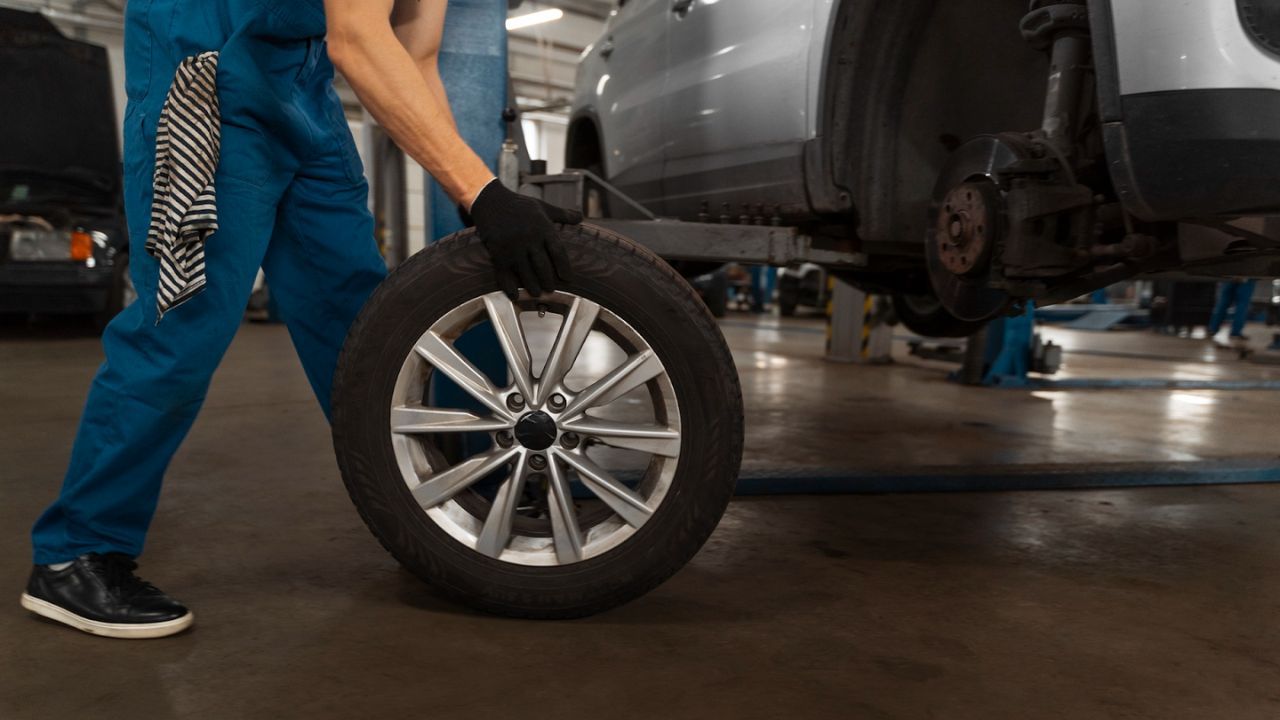
Technician carrying tire in auto repair shop

Tire rotation, in simple terms, is rotating the tires. The rotation is, however, not done in the same place, but rotated from one position to another. In the services, your car tire’s position is changed. 


For example, front tires may move to the back, and rear tires may switch sides or positions depending on the vehicle type.

Each tire on your car wears differently. Front tires often wear faster because they handle steering and braking. While rear tires may wear more evenly, they still take the load and pressure.


By rotating them, you spread out the wear. Think of it like rotating a mattress so it doesn’t sag in one spot.


A typical rotation pattern depends on:


  • Front-wheel drive vs rear-wheel drive
  • All-wheel drive systems
  • Tire type (directional or non-directional)
  • Driving habits and road conditions


A good technician at a place like Hamilton Tire Car Care Center will choose the right pattern instead of using a one-size-fits-all approach.


Why Tire Rotation Services Matter for Safer Driving


Here’s the part most people miss. Tire rotation is not just about saving money. It’s mostly about keeping your tire and keeping you safe. Uneven tire wear affects how your car grips the road. You may think that this doesn’t matter, but it matters a lot, especially during sudden braking or wet conditions.


1. Better Road Grip


When all tires wear evenly, they maintain consistent traction. But the problem arises when one tire is more worn than the others. When this happens, your car can pull to one side or lose grip faster. 


If you’re taking short trips, you may not notice it clearly, but at highway speeds or in the rain, it becomes obvious.


2. Improved Braking Performance


Your stopping distance depends on how well your tires grip the road. Especially during a wet road or during unforeseen situations, your tires need to have strong grip. 


If the tire has uneven wear, it reduces that grip which can be quite dangerous. Imagine needing to stop suddenly. Would you trust tires that are worn unevenly? That's exactly when tire rotations become important.


3. Smoother Handling


A car feels good to drive only when its handling is smooth. Problems in the tire can easily be felt when you’re trying to handle your car. 

Ever felt your steering wheel vibrate or your car drift slightly? That can come from uneven tire wear. Getting tire rotation done can help balance the wear, which keeps your ride stable and predictable.


4. Lower Risk of Blowouts


Worn-out spots on tires are weaker. Over time, they can lead to blowouts, especially in hot weather or long drives. But regular rotation reduces these weak points.


When Should You Get Tire Rotation Services?


If you’ve made up your mind to get a tire rotation service, you need to know the right moment to get it. A safe rule is every 5,000 to 7,500 miles. That often lines up with oil changes, which makes it easy to remember.


But your situation may vary. Think about:

  • What kind of traffic do you drive on?
  • Do you take long highway trips often?
  • Do you carry heavy loads or passengers frequently?
  • What kind of roads do you drive on, whether it's smooth or rough and uneven? 


If you answered yes to any of these and you have a clear idea of what road conditions your car travels on, you may need a rotation a bit sooner.


Some newer vehicles even alert you when it’s time. Still, a quick check during routine service can save you from bigger issues later.


What Happens If You Skip Tire Rotation Services?


It might seem harmless to delay it, because the car still runs properly. But over time, skipping tire rotation services leads to problems that cost more and affect safety.


Here’s what typically happens:

  • Tires wear out faster, especially the front ones
  • You may need to replace tires sooner than expected
  • Fuel efficiency can drop due to uneven rolling resistance
  • Steering and alignment issues may develop
  • Your ride becomes noisier and less comfortable


Here’s something you should think about. If you suddenly need to brake hard in the rain, uneven tires can make your car react unpredictably. Is that a risk worth taking?


Is Tire Rotation Worth the Money?


But, now the question is tire rotation worth the money? Many people think it’s just another add-on service. But compare the cost. A tire rotation service is relatively low-cost, but replacing a full set of tires is not.


By rotating regularly, you extend tire life significantly. That means you get the full value out of your purchase. It’s one of those small habits that prevent big expenses.


Also, many service centers include tire rotation as part of maintenance packages. So it often costs less than you expect.


How Tire Rotation Services Are Done

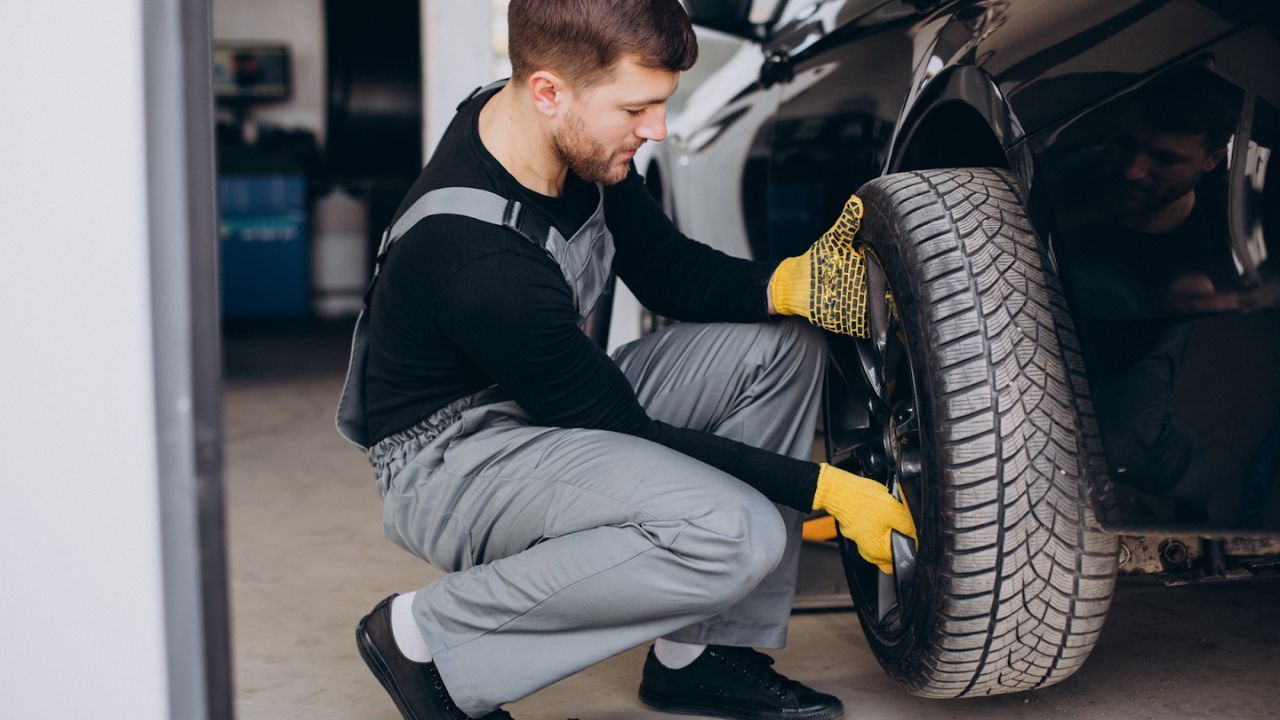
Mechanic installing tire on car in garage

You must be quite curious about how the tire rotation is done. If you’ve never watched it happen, it’s actually quick and straightforward.

A technician will:

  1. Lift the vehicle safely
  2. Remove all four tires
  3. Inspect for damage, wear patterns, and pressure
  4. Rotate tires based on the correct pattern
  5. Reinstall and tighten them properly
  6. Check and adjust tire pressure


The whole process usually takes less than an hour. And here’s something people appreciate. A good technician will also spot early signs of issues like alignment problems or suspension wear during the process.


Choosing the Right Place for Tire Rotation Services


Not all service experiences feel the same. Some places rush the job. On the other hand, others take the time to check everything carefully.


When choosing where to go, think about:

  • Do they inspect tires, or just swap them?
  • Do they explain wear patterns clearly?
  • Do they check pressure and alignment as well?
  • Do they have experience with your vehicle type?


A trusted service center like Hamilton Tire Car Care Center usually combines rotation with a quick health check of your tires. That extra attention can make a big difference over time.


Maintain the Grip of Your Car The Right Way


Every time you drive, your tires are the only part touching the road. That alone should make you pause and think. If such a small service can improve control, safety, and savings, why leave it for later?


Tire rotation services help tires wear evenly. They improve grip, braking, and handling. It reduces the risk of sudden tire failure on the road. By getting tire rotation service from professionals like Hamilton Tire Car Care Center, you can save money by extending tire life. It’s quick, affordable, and essential for safety. 


FAQs 

Q1: How much time does a tire rotation take?

The service usually takes 30 to 60 minutes, depending on the vehicle and inspection.

Q2: Do all cars need tire rotation?

Yes. Every vehicle and all kinds of car models can benefit from even tire wear.

Q3: Can tire rotation fix uneven wear?

While tire rotation cannot reverse the existing damage, it can surely help prevent it from getting worse. 

Q4: What happens if I rotate tires too late?

Getting your tires rotated too late means you may already have uneven wear, which could reduce tire life and performance.

By jkram200 April 10, 2026
Extend tire lifespan and boost vehicle performance with high-quality wheel alignment services. Book your service today.
 What Is a Conventional Oil Change? 6 Simple Facts You Need
By jkram200 April 10, 2026
Confused about oil types? Learn 6 simple facts about conventional oil changes and when your car needs one.
What Are the 7 Critical Signs You Need a Brake Fluid Flush?
By jkram200 March 20, 2026
Learn the 7 critical signs you need a brake fluid flush and how early maintenance can prevent dangerous brake system problems.
 8 Surprising Reasons You May Need Wheel Bearing Replacement
By jkram200 March 20, 2026
Explore 8 surprising causes of wheel bearing replacement and discover easy ways to diagnose the issue early.
What Does an Emissions System Problem Really Mean for Your Car?
By jkram200 March 20, 2026
Wondering what an emissions system problem means? Learn the real causes, warning signs, and smart fixes before costly damage occurs.
How Far Can You Drive on a Spare Tire Without Risk
By jkram200 March 8, 2026
Find out the safe distance for driving on a spare tire and avoid serious mistakes. Expert-backed advice to protect your car and wallet.
7 Smart Tips to Check Transmission Fluid
By jkram200 March 8, 2026
Learn 7 smart and safe ways to check your car’s transmission fluid level and quality. Avoid costly mistakes and protect your gearbox with simple steps.
How to Jump Start a Car Safely: Simple Guide
By jkram200 March 8, 2026
Learn the safest and most reliable way to jump start a car battery without causing costly damage. Clear steps designed for beginners.
transmission flush cost
By jkram200 February 20, 2026
Get clear insights into current transmission flush pricing. Learn what’s included, what raises the cost, and when it makes sense.
how-to-bleed-brakes-diy-guide
By jkram200 February 20, 2026
Ultimate 10-step DIY brake bleeding guide. Covers helper method vs vacuum, fluid handling, and when you need a shop.
Show More