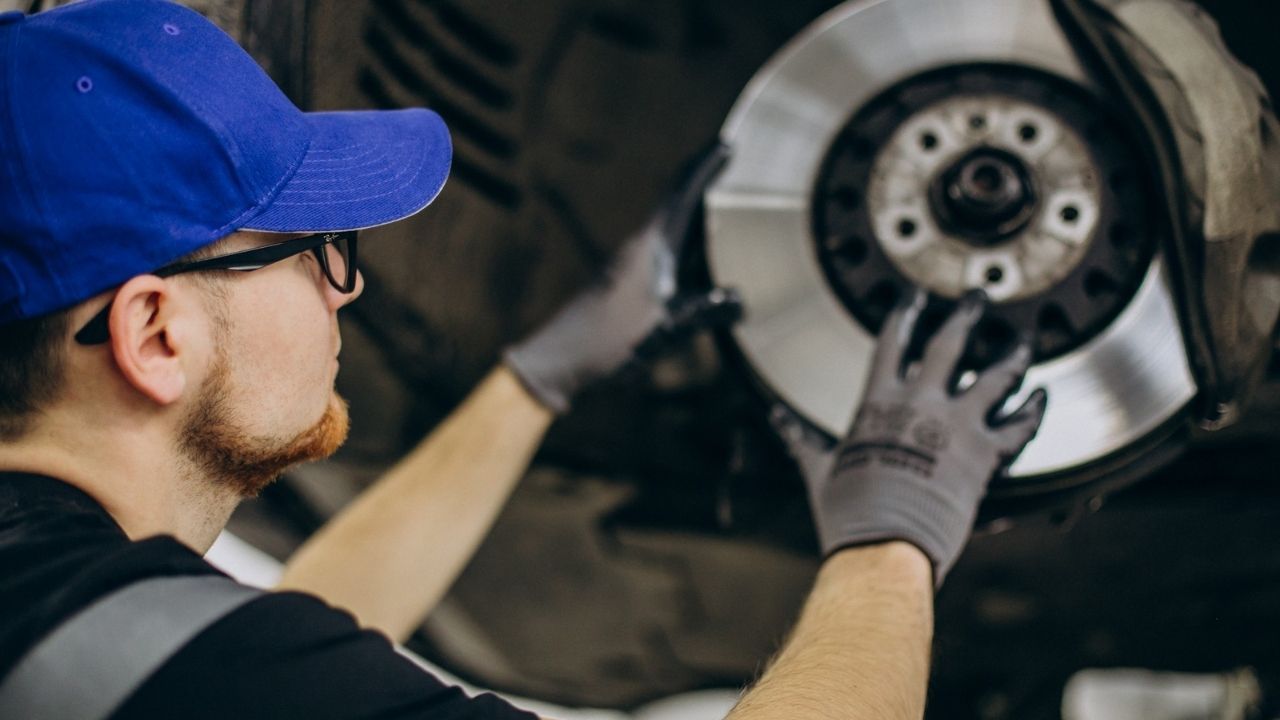
Most brake pads last between 30,000 and 70,000 miles.
However, frequent hard stops and city traffic can shorten that life.
Drivers who spend hours on open highways may get more mileage. This is because highway driving requires fewer stops and creates less brake heat. In contrast, short city trips involve constant braking. That pattern wears pads much faster.
Front brake pads may also wear sooner than rear pads because front brakes handle more weight during each stop. Some cars may need front pads before reaching 30,000 miles. Others can pass 60,000 miles without trouble.
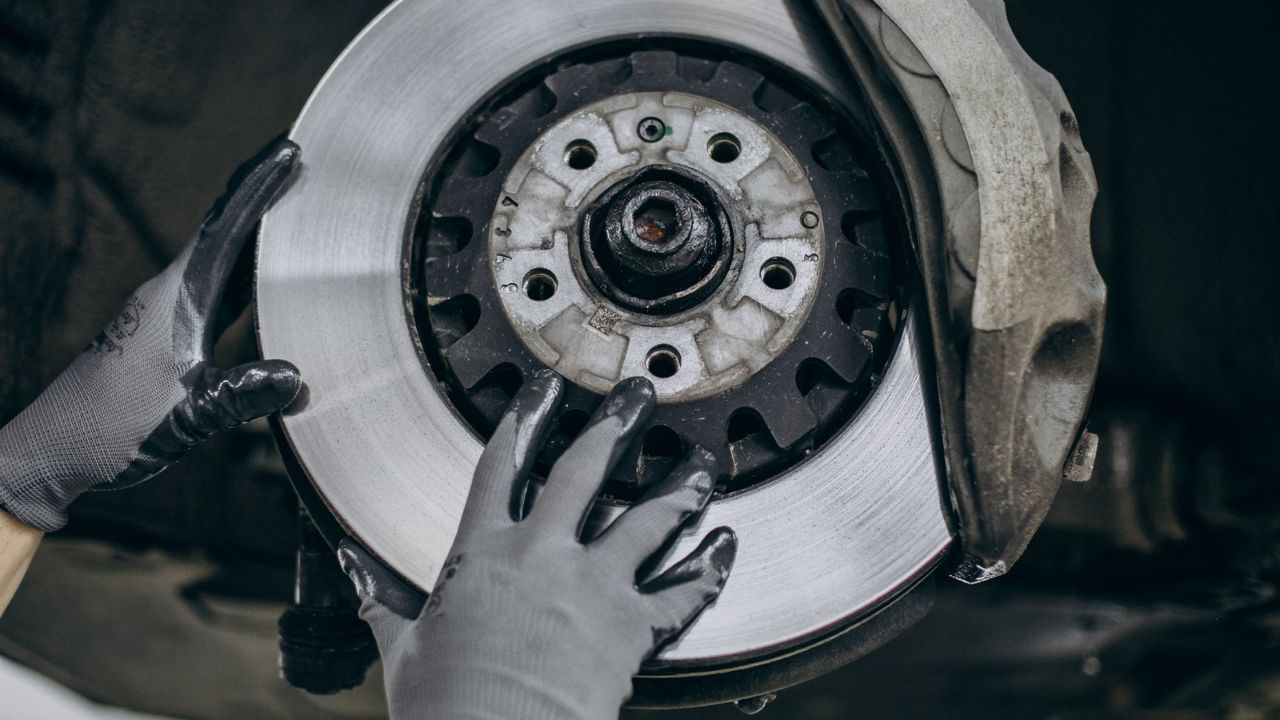
Rotors often last longer than brake pads. Still, they do not follow one fixed replacement schedule. Heat, rust, pad wear, and past repairs affect rotor life. Therefore, a technician should measure and inspect them during each brake service.
Also, your owner’s manual offers model-specific guidance. Yet it cannot predict your daily route or driving habits. That is why routine checks still matter.
What Affects How Long Your Brakes Last?
Mileage alone never tells the full story. Two matching cars can need
brake repairs
years apart. Their owners may drive the same annual distance. But their roads and habits may look very different.
Baltimore traffic gives brakes a demanding workout. Beltway backups and crowded city streets require repeated stops. Hilly areas near Mount Washington also increase brake use. Winter moisture and road salt can cause added rust.
Several factors shape the answer to how long do brakes last:
- Driving style: Hard stops create more friction, heat, and wear.
- Traffic pattern: City driving uses brakes more than highway driving.
- Vehicle weight: Heavy vehicles place greater strain on brake parts.
- Road grade: Hills require longer and more frequent brake use.
- Pad material: Different compounds wear at different rates.
- Weather exposure: Water, salt, and humidity can corrode brake parts.
Towing also changes brake life. A loaded trailer adds weight during every stop. The brakes must turn that extra motion into heat. Frequent towing may require more regular inspections.
Vehicle technology can make a difference too. Hybrids and electric vehicles use regenerative braking. This system helps slow the car while recovering energy. Their friction brakes may last longer as a result.
7 Critical Signs Your Brakes Are Wearing Out
Brakes rarely fail without giving some warning. The problem is knowing which signs can wait. A faint squeal deserves an inspection soon. Grinding or poor stopping needs immediate action.
Never judge a brake issue by sound alone. Dust, moisture, and surface rust may cause brief noise. Yet the noise that returns with each stop needs attention.
Here are seven signs, ranked by practical urgency:
1. Your car takes longer to stop
Longer stopping distance is a serious safety concern. It may point to worn pads, overheated brakes, or fluid trouble. Leave more room and arrange an inspection right away.
2. The brake pedal feels soft
A soft or sinking pedal needs fast attention. The system may have air, worn parts, or leaking fluid. Avoid driving if the pedal reaches near the floor.
3. You hear loud grinding
Grinding can mean the pad material has worn away. Metal may now be scraping against the rotor. Continued driving can cause greater damage and weaker braking.
4. The car pulls while braking
Pulling may mean one brake works harder than another. A sticking caliper or uneven pad wear could cause it. Tire and alignment issues can feel similar, so inspection matters.
5. The pedal or steering wheel shakes
Shaking during braking often points toward rotor trouble. The rotors may have uneven thickness or surface damage. Worn suspension parts can also cause similar movement.
6. A brake warning light stays on
Never ignore a red brake warning light. It may signal low fluid or another system fault. An amber ABS light also needs proper diagnosis.
7. You hear regular squealing
Many pads have built-in wear indicators. These tabs create a sharp squeal as pads become thin.
A brief squeak after rain may fade quickly. A steady squeal at every stop is different. Schedule service before that warning becomes harsh grinding.
Does Brake Pad Material Change Lifespan?
Yes, brake pad material can affect wear, sound, and price. Each type offers a different balance of comfort and performance. The costliest pad is not always right for every car.
Organic pads often run quietly and cost less. Yet their softer material may wear faster. They can suit light vehicles and calm driving.
Semi-metallic pads handle heat well and offer strong stopping power. They often work well for heavier cars and harder use. However, they can create more dust and noise.
Ceramic pads usually run quietly and produce less visible dust. They can also provide a long service life. Yet they cost more than many other options.
So, which pad should you choose? Follow your vehicle maker’s requirements first. Then discuss your roads, mileage, and driving style with a technician. The correct fit matters more than a marketing label.
How to Make Your Brakes Last Longer
Small changes behind the wheel can save brake material. Start by leaving more space behind the next car. That gap lets you slow down without sudden braking.
Look farther ahead while driving. When a light turns red, ease off the gas early. Let the car lose speed before using the brakes. This simple habit also improves fuel use.
Also, avoid carrying heavy items you rarely need. Extra weight makes every stop harder. Remove unused tools, boxes, or sports gear from the trunk.
On steep roads, use a lower gear when appropriate. This can help control speed without riding the brakes. Follow your owner’s manual for safe gear use.
Do not ignore small changes in brake feel. Early repairs may involve pads alone. Delaying service can damage rotors or calipers, and that is when a simple repair becomes a large bill.
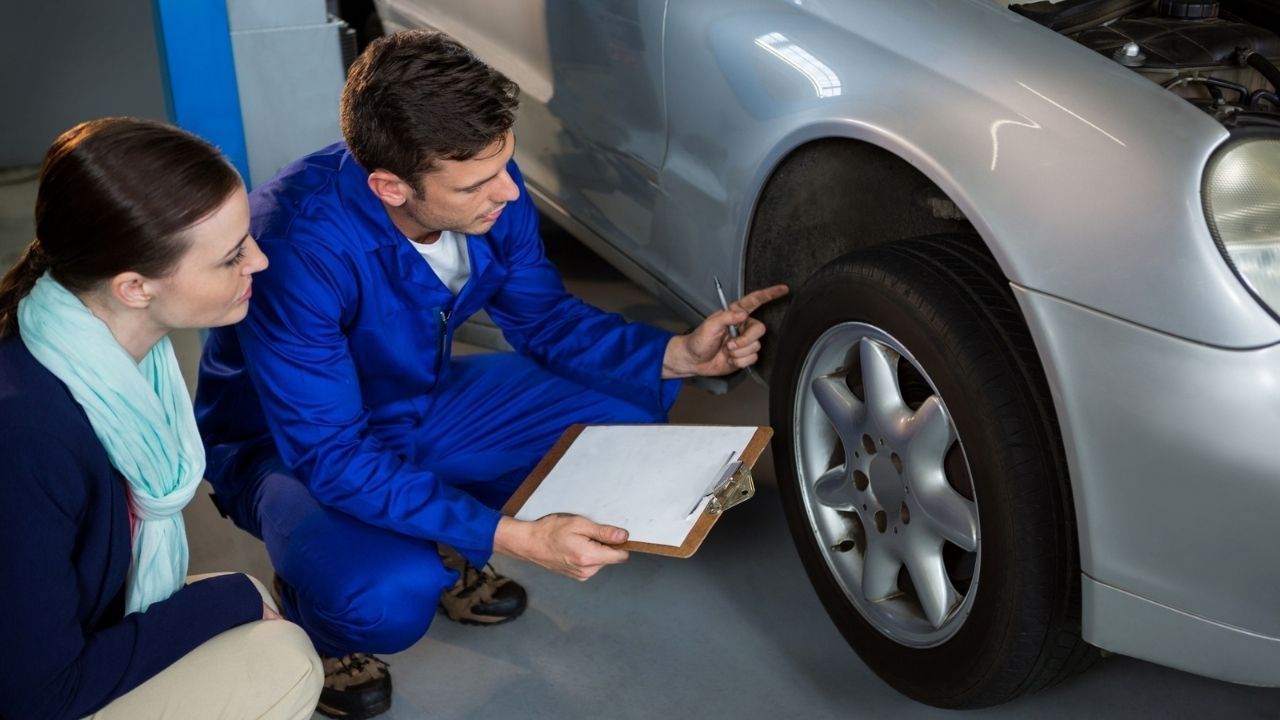
How Often Should You Get Brakes Inspected?