9 Signs Your Car Needs an Alignment Before Tire Damage Gets Worse

jkram200 • September 1, 2026

Wheel alignment sets your tires at the correct angles. It does not adjust the wheels themselves. A technician adjusts parts of the suspension so each tire meets the road as designed.


The clearest signs car needs alignment include uneven tire wear, pulling, an off-center steering wheel, and poor handling. These issues may seem small at first, yet each mile can scrape away good tire tread and raise repair costs.


Why Wheel Alignment Matters Before You See Tire Damage


Poor alignment puts uneven force on your tire tread. One edge may drag across the road instead of rolling with ease. This creates heat, friction, and fast tread loss. The damage does not reverse after an alignment and a service can stop new wear, but it cannot restore lost rubber. Waiting too long may mean buying tires far sooner than planned.


Correct alignment also supports safe steering. Your car should track straight and respond in a steady way. If you must keep correcting its path, each trip becomes more tiring. Mild signs deserve a prompt check as strong pulling or poor steering calls for service right away.


9 Signs Your Car Needs Alignment Service


Knowing the early clues can save your tires and can help you spot a worn steering part. Watch for these nine changes during normal trips.


1. Your Car Pulls to One Side


A car that drifts left or right may have poor alignment. You may feel this most on a flat, straight road. The wheel seems to tug even with a light grip. Road slopes can also cause a slight drift. Many roads tilt toward the shoulder so rain can drain. Test the car on more than one safe, level road.


Low tire pressure can also make a car pull. Check all four tires against the door-jamb label first. If pressure is correct, schedule an alignment inspection with Hamilton Tire Car Care Center who will professionally check whether or not your vehicle’s wheels are properly aligned or not. 


2. The Steering Wheel Sits Off-Center


Look at the wheel while driving straight on level pavement. Its logo and spokes should appear close to level. A tilted wheel often means the front wheels are not tracking straight. This clue can be easy to miss as drivers often adapt by holding the wheel at an odd angle. After a while, that crooked position starts to feel normal.


An off-center wheel is one of the common signs a carsigns car needs alignment. Do not remove and reset the steering wheel to hide it. The suspension angles need proper measurement and correction.


3. One Tire Edge Wears Faster


Check both shoulders of every tire. If one side looks smooth while the other has tread, alignment may be wrong. This pattern is often linked to an incorrect camber angle. Camber describes how a wheel tilts when viewed from the front. Too much inward or outward tilt loads one tire edge. That narrow strip then does most of the work.


Run your eyes across the tread once each month. Do not rely on a quick look from beside the car. Inner-edge damage can stay hidden until it becomes severe.


4. The Tread Feels Sharp or Feathered


Carefully slide your hand across the tire tread when parked. Feathered tread feels smooth in one direction and sharp in the other. It may feel like small saw teeth. This wear often points to a poor toe setting. 


Toe describes whether the tires point slightly inward or outward. Even a small error can scrub the tread during every trip. Use care when checking old or damaged tires. Exposed steel belts can cut your hand. If you see cords, deep cracks, or a bulge, avoid driving and seek help.


5. You Keep Correcting the Steering
Driver holding the steering wheel while checking vehicle handling and alignment.

Does your car wander within its lane? You may make small steering moves without even thinking. That constant work is not normal on a smooth road. Wandering can develop when wheel angles are incorrect. It may also come from loose tie rods or other worn parts. 

Wind and grooved pavement can cause brief movement, but not on every drive. If steering feels loose or slow to respond, do not request only an alignment. Ask for the steering and suspension system to be checked first.


6. The Steering Wheel Does Not Return Smoothly


After a gentle turn, the steering wheel should move toward the center. But you still need to guide it, of course. Yet it should not stay stuck at the turning angle. Poor caster may affect this return action. 


Caster is one of the main angles checked during alignment. It also helps the car feel stable at speed. Binding steering can have other causes. A worn joint or steering fault may be involved. Prompt inspection is wise if the wheel feels stiff or acts in an odd way.


7. Your Tires Squeal During Normal Turns


Tires may squeal during a hard turn. They should not complain through a slow turn into a parking lot. Early squealing may mean the tread is sliding across the pavement. Wrong toe or camber can change how the tires meet the road. Low pressure and worn tread can cause noise as well. 


Therefore, a technician must inspect the full picture. Notice when the sound occurs. Does it happen on dry streets at low speed? Clear details help the shop find the cause faster.


8. The Steering Wheel Vibrates


A shake can appear when alignment is far out of range. The tires may fight each other instead of rolling on the same path. Yet vibration alone does not prove poor alignment. 


Wheel balance is a more common cause of speed-related vibration. A bent rim, damaged tire, or worn suspension part can also shake the car. The location and speed of the vibration offer useful clues.


9. Fuel Use Rises Without a Clear Cause


Misaligned tires create extra rolling drag. The engine must work harder to move the car forward. You might notice more fuel stops on the same daily route. Many things affect gas use such as cold weather, traffic, low tire pressure, and heavy loads all play a role. 


Treat poor mileage as a supporting clue, not proof. If higher fuel use appears with pulling or odd tread wear, alignment becomes more likely. That group of symptoms deserves a closer look.


What Causes a Car to Lose Alignment?


Some alignment changes happen in one sharp hit while others build as parts wear. Baltimore’s potholes make sudden changes common, especially after winter.


Typical causes include:

  • Hitting a deep pothole at speed
  • Striking a curb while parking
  • Driving over rough roadwork
  • Bumping another vehicle or fixed object
  • Installing new steering or suspension parts
  • Using a suspension lift or lowering kit
  • Driving with worn tie rods, joints, or bushings
  • Carrying loads beyond the vehicle’s limits


A minor impact may not leave visible damage. Still, the steering can feel different the next morning. Trust that change and arrange an inspection.


How a Professional Alignment Check Works

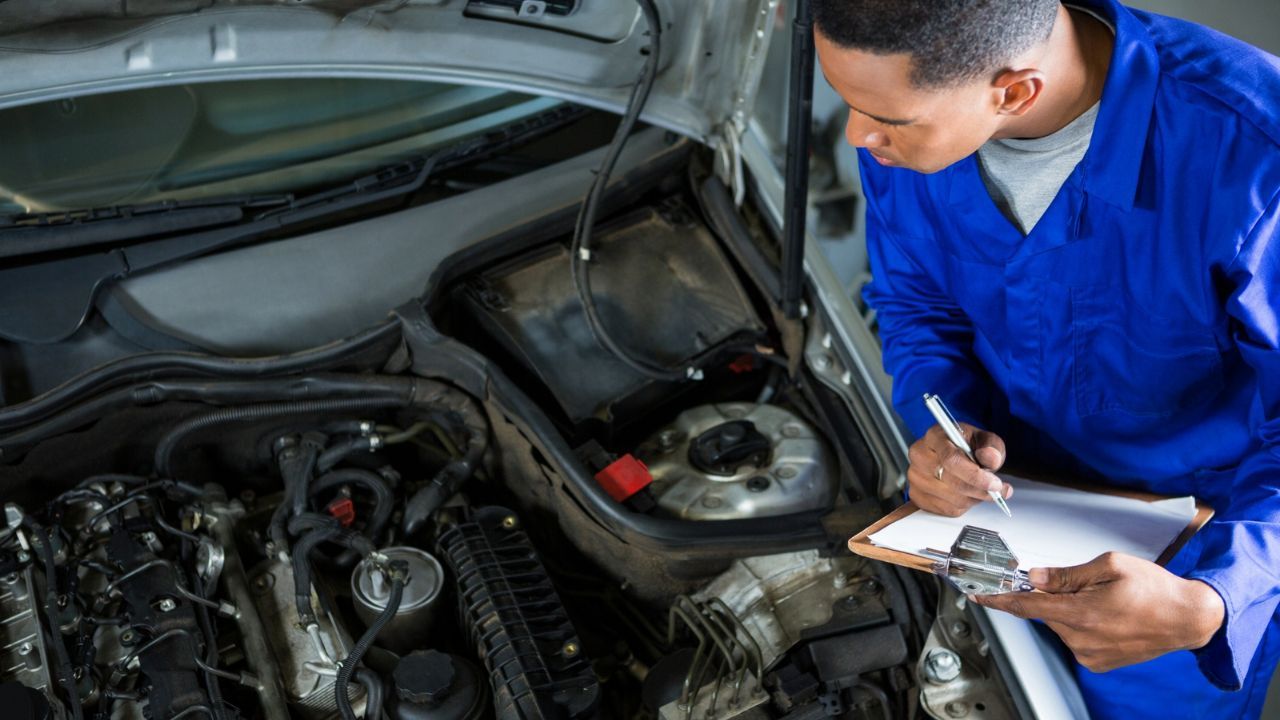
Auto technician inspecting a vehicle tire for alignment and uneven wear.

A technician first checks tire pressure and tread condition. Steering and suspension parts should also be inspected. Loose parts must be repaired before accurate alignment can hold.


Sensors then measure three main angles:

  • Camber: The inward or outward wheel tilt.
  • Caster: The steering axis angle that aids stability.
  • Toe: The direction the tires point from above.


The technician compares those readings with factory limits. Adjustable angles are then corrected. A before-and-after report may show the changes.


Hamilton Tire Car Care Center offers wheel alignment for Baltimore cars, trucks, and SUVs. Its team uses alignment equipment to set the vehicle to manufacturer specifications. The shop also checks tire condition and steering linkage as part of the process.


If worn parts cause the problem, its steering and suspension service may be needed first. Replacing a loose tie rod or damaged joint lets the alignment stay accurate. Aligning a car with loose parts is like straightening a picture on a shaking wall.


Do Not Let Good Tire Tread Disappear


The main signs your car needs alignment often start with a slight pull, crooked wheel, or rough tread edge. These changes rarely fix themselves and tend to cost more as miles pass.


That’s why you should book a professional inspection if the problem remains. Hamilton Tire Car Care Center can provide both wheel alignment and steering and suspension service when worn parts affect how the car tracks.


FAQs

Q1: Can I drive if my car needs an alignment?

You may drive a short distance with mild symptoms. Yet strong pulling, loose steering, exposed cords, or a tire bulge can be unsafe. Have the vehicle inspected as soon as possible.


Q2: How often should wheel alignment be checked?

Follow your owner’s manual and watch for symptoms. Many drivers request a check during tire service or after a hard impact. Rough roads may make more frequent checks useful.


Q3: Will an alignment fix uneven tire wear?

It can stop alignment-related wear from getting worse. It cannot replace tread already lost. A badly worn tire may still need replacement.


Q4: How long does a wheel alignment take?

Many standard alignments take about one hour. It may take longer when parts are seized or repairs are needed. Ask the shop for an estimate based on your vehicle.


Q5: What is the difference between a two-wheel and four-wheel alignment?

A two-wheel alignment mainly adjusts the front axle. A four-wheel alignment measures all four wheels and aligns both axles when possible. The correct method depends on the vehicle’s design.

By jkram200 September 1, 2026
Discover 8 symptoms of a bad brake caliper and proven solutions. Learn how sticking pistons, damaged seals, and seized pins affect braking.
car-wont-start-clicking-noise
By jkram200 September 1, 2026
Car won’t start clicking noise causing concern? Discover 7 causes, quick checks, and proven fixes for battery, starter, and electrical problems.
car-makes-noise-when-turning
By jkram200 August 12, 2026
Discover 8 serious reasons your car makes noise when turning, from worn CV joints to steering problems, plus warning signs and practical fixes.
By jkram200 August 12, 2026
Learn when to replace a car battery, spot 6 urgent warning signs, understand its average lifespan, and avoid an unexpected roadside breakdown.
what-does-service-engine-soon-mean
By jkram200 August 12, 2026
Explore seven serious causes of the Service Engine Soon light, easy checks you can make, and clear signs that it is time to visit a trusted mechanic.
signs-of-bad-wheel-bearing
By jkram200 August 6, 2026
Explore six telltale signs of a bad wheel bearing, from humming and grinding noises to loose steering, uneven tire wear, and wheel vibration.
signs-of-bad-spark-plugs
By jkram200 August 6, 2026
Learn seven critical signs of bad spark plugs, what causes them, and how to fix the problem before it affects engine performance or fuel efficiency.
Bad Alternator: Signs, Causes, and How to Fix It
By jkram200 August 6, 2026
Learn the common signs and causes of a bad alternator, how to test it, and what you can do to fix the problem before your car breaks down.
how often to get oil change
By jkram200 July 27, 2026
Learn how often to get an oil change based on mileage, oil type, driving habits, vehicle age, and your manufacturer’s recommended service schedule.
v
By jkram200 July 27, 2026
Brakes may last 25,000 to 70,000 miles, depending on several factors. Discover seven warning signs and learn when to schedule an inspection..
Show More