Getting Familiar With Your Vehicle
Start by understanding your vehicle and learning the essential basics every new owner should know. This simple step builds confidence and helps you make smarter decisions from day one.
Knowing simple systems of your car will help you not to misuse it and upkeep regular maintenance. The manual should always be in the car. The manual contains information on service intervals, recommended fluids, tire pressure ratings, and warning signs.
You have to know your car's symbols and alerts perfectly. In case of oil pressure, battery, or engine problems and brake alerts, you should react immediately. It’s better that vehicle papers are kept in order and at hand. Additionally, it’s easier to have the registration, insurance, and service records when doing inspections and repairs.
Daily and Weekly Ownership Habits
Simple visual and sound checks should be done before regular driving. These habits help identify early warning signs. The area beneath the parked vehicle should be checked for leaks. Oil, coolant, or transmission fluid spots may indicate mechanical issues.
Tires should be visually inspected during approach. Uneven wear, low pressure, or sidewall damage should never be ignored. Engine startup sounds should remain consistent. New rattles or grinding noises require prompt inspection.
Monthly Car Maintenance Checklist
When questions arise or issues appear, guidance from experienced
automotive professionals helps ensure these tasks are done correctly.
It’s recommended to complete the following checks each month:
- Check engine oil level while the vehicle is parked on level ground.
- Inspect tire pressure on all four tires, including the spare
- Refill windshield washer fluid as needed
- Test headlights, brake lights, and turn indicators
- Inspect battery terminals for signs of corrosion
Following this monthly routine helps keep the vehicle dependable throughout the year.
Essential Fluid Maintenance
Fluids protect major vehicle systems from damage. Regular inspection prevents breakdowns and overheating.
Key fluids to monitor include:
- Engine oil: Clean, amber color within marked range
- Coolant: Proper level inside overflow reservoir
- Brake fluid: Within safe operating lines
- Power steering fluid: Smooth steering response
- Transmission fluid: Clean color and neutral smell
Fluid care remains a core element of any
car maintenance checklist.
Tire Care and Driving Safety
Tires directly affect braking distance, stability, and traction. Proper maintenance improves control in all weather conditions. Tires should be rotated every 5,000 to 7,500 miles. This promotes even tread wear and extends tire life.
Tread depth must be checked regularly using a gauge. Worn tread reduces grip on wet or icy roads. Wheel alignment should be checked if steering pulls sideways. Misalignment causes uneven wear and steering instability.
Brake System Monitoring
Brakes demand consistent attention, especially for new drivers. Early warning signs should never be overlooked.
Common indicators of brake wear include:
- Squealing or grinding noises
- Vibration during braking
- Increased stopping distance
Annual professional inspections ensure braking reliability and safety.
Battery Care for First-Time Owners
Batteries power the engine start and all electronic systems. Proper care prevents unexpected no-start situations and electrical failures. Battery terminals should remain clean and free from corrosion.
Secure connections ensure steady electrical flow during every start. Battery age should be checked at least once each year by noting the manufacture date on the battery label and comparing it to the current year. During this annual check, technicians also test voltage and charging performance to see how age is affecting reliability.
Most vehicle batteries last between three and five years under normal conditions. Lights and electronic accessories should always be turned off after parking.
This simple habit prevents unnecessary battery drain. For reliable testing and diagnosis, expert battery testing services are required. A dependable battery becomes especially important during Baltimore’s changing seasons.
Battery service includes advanced diagnostic testing to measure voltage, cold cranking amps, and overall battery health. Slow starts, dashboard warning lights, or dim headlights often signal battery issues. Technicians also inspect battery terminals, cables, and charging systems.
This ensures strong starts and consistent electrical performance for all vehicle types.
Seasonal Car Maintenance Checklist
Different seasons place different demands on vehicles. Seasonal planning simplifies long-term care.
Winter:
During winter months, priority should be given to battery performance, antifreeze levels, and overall emergency preparedness to handle cold-weather challenges.
Spring:
Spring is the ideal time for a thorough vehicle cleaning, suspension inspections, and replacing air or cabin filters after harsh winter use.
Summer:
Hot weather demands attention to the cooling system, battery health, and maintaining correct tire pressure to prevent overheating and breakdowns.
Fall:
As visibility conditions change, focus on lighting, windshield clarity, and heating systems to ensure safe driving during shorter days and colder nights.
Consistent seasonal attention helps maintain vehicle reliability and performance throughout the year.
Winter Maintenance Tasks
Winter driving requires peak reliability and preparation.
- Test battery cold cranking power
- Use winter-grade windshield washer fluid
- Inspect antifreeze concentration
- Store emergency supplies in the trunk
Winter readiness improves safety during cold conditions.
Spring Maintenance Tasks
Spring care removes winter damage and prepares vehicles for warmer roads.
- Wash exterior and undercarriage thoroughly
- Inspect suspension components for pothole damage
- Replace cabin air filter
- Check alignment and tire balance
Spring preparation supports smooth seasonal transition.
Summer Maintenance Tasks
Summer heat stresses engines, tires, and batteries.
- Test air conditioning performance
- Inspect radiator hoses for cracks or leaks
- Monitor tire pressure during hot days
- Check coolant condition and level
Proper preparation reduces overheating risks.
Fall Maintenance Tasks
Fall maintenance prepares vehicles for colder temperatures and reduced daylight.
- Replace worn windshield wipers
- Test heater and defroster systems
- Inspect exterior lights for brightness
- Check door and window seals
Fall readiness improves comfort and visibility.
Interior and Exterior Vehicle Care
Clean vehicles maintain value and comfort. Regular care prevents long-term wear.
Interior maintenance should include:
- Vacuuming carpets and seats
- Cleaning dashboard surfaces gently
- Removing debris from storage areas
Exterior care should include waxing twice yearly. Wax protects paint from sun, moisture, and road contaminants.
Fuel Efficiency and Engine Health
Fuel efficiency reflects overall engine condition. Small habits deliver lasting performance benefits. Fuel economy trends should be monitored regularly. Sudden changes indicate maintenance needs.
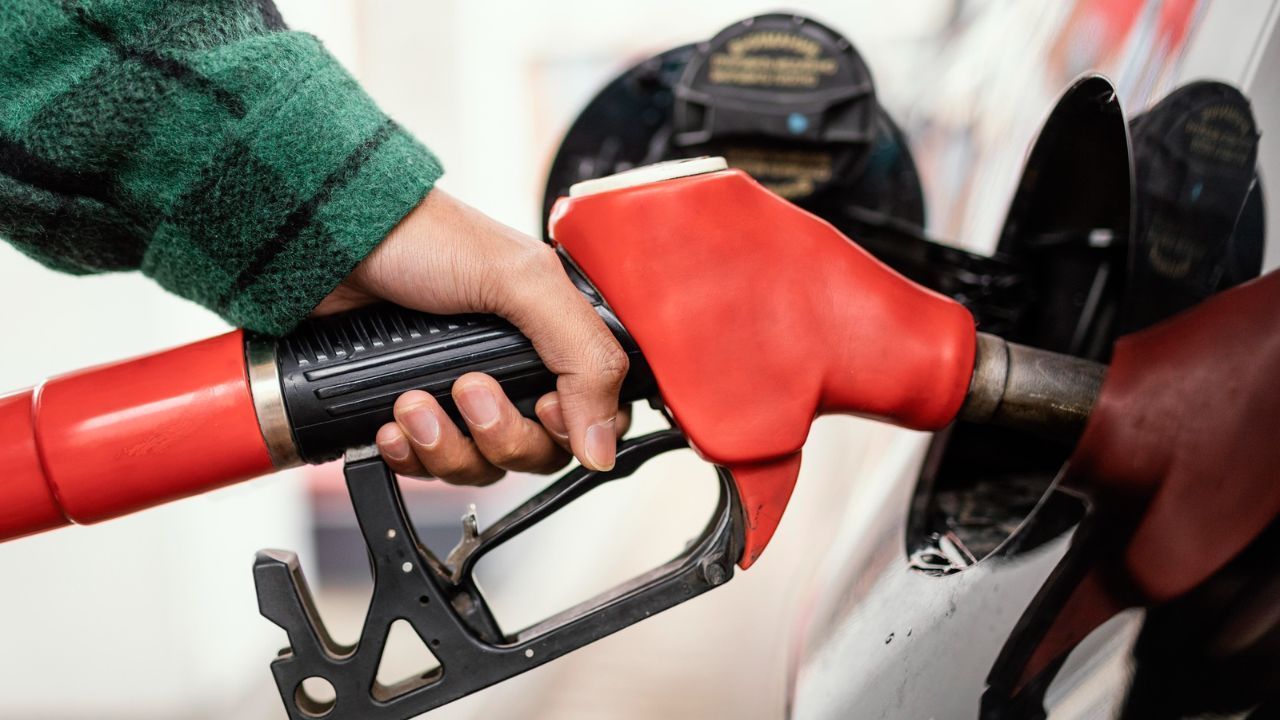
Fuel caps must be tightened securely after refueling. Loose caps trigger warning lights and vapor loss. Fuel from reputable stations should be used consistently. Clean fuel protects injectors and combustion systems.
Annual Professional Service Checklist and Service Frequency