What Does an Emissions System Problem Really Mean for Your Car?

jkram200 • March 20, 2026

Have you ever come across a situation where you see your car releasing more pollution than it should? Then, it’s probably because of an emissions system problem. This usually happens because a part that controls exhaust gases has failed or stopped working properly.


But often that message can feel confusing. But, apart from just extra pollution, you’ll see signs like a warning on the dashboard, or the check-engine light appearing. Even after this, maybe the car still drives fine, or maybe it feels rough and sluggish.


If you see an emission problem, you must understand that the issue rarely fixes itself, and ignoring it often leads to bigger repair bills later.


Let’s walk through what this warning really means, what causes it, and how you should respond.


What the Emissions System Actually Does


You know that your car burns fuel to move. When that happens, the process creates exhaust gases, and some of those gases can harm the environment.


So modern vehicles include a network of parts designed to reduce pollution. Together they form the emissions system.


Think of it like a filter system for your engine. It cleans the exhaust before it leaves the tailpipe.


This system usually has several key components, such as:


  • Catalytic converter
  • Oxygen sensors
  • Mass airflow sensor
  • EVAP system (evaporative emissions control)
  • Exhaust gas recirculation valve (EGR)
  • Fuel system sensors and valves


Every part plays a small role, but if one fails, the whole system struggles to work. That is when your dashboard warns you about an emissions system problem.


Why Your Car Displays an Emissions System Problem

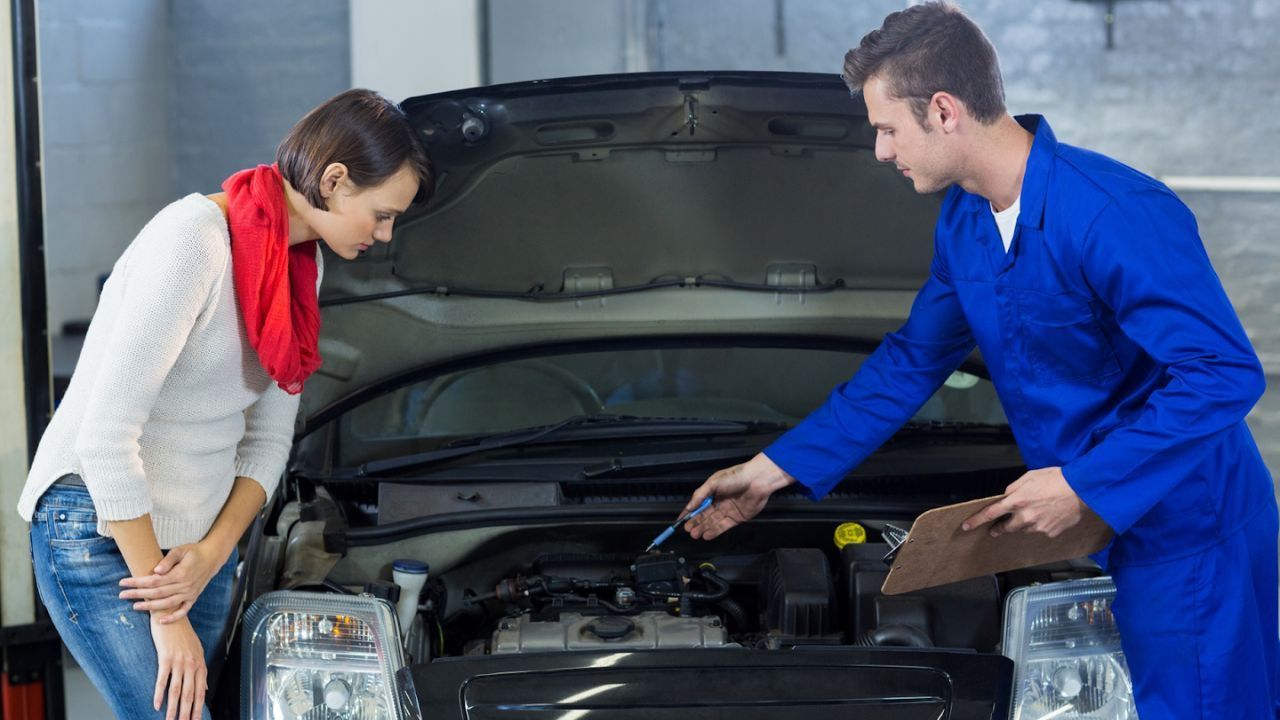
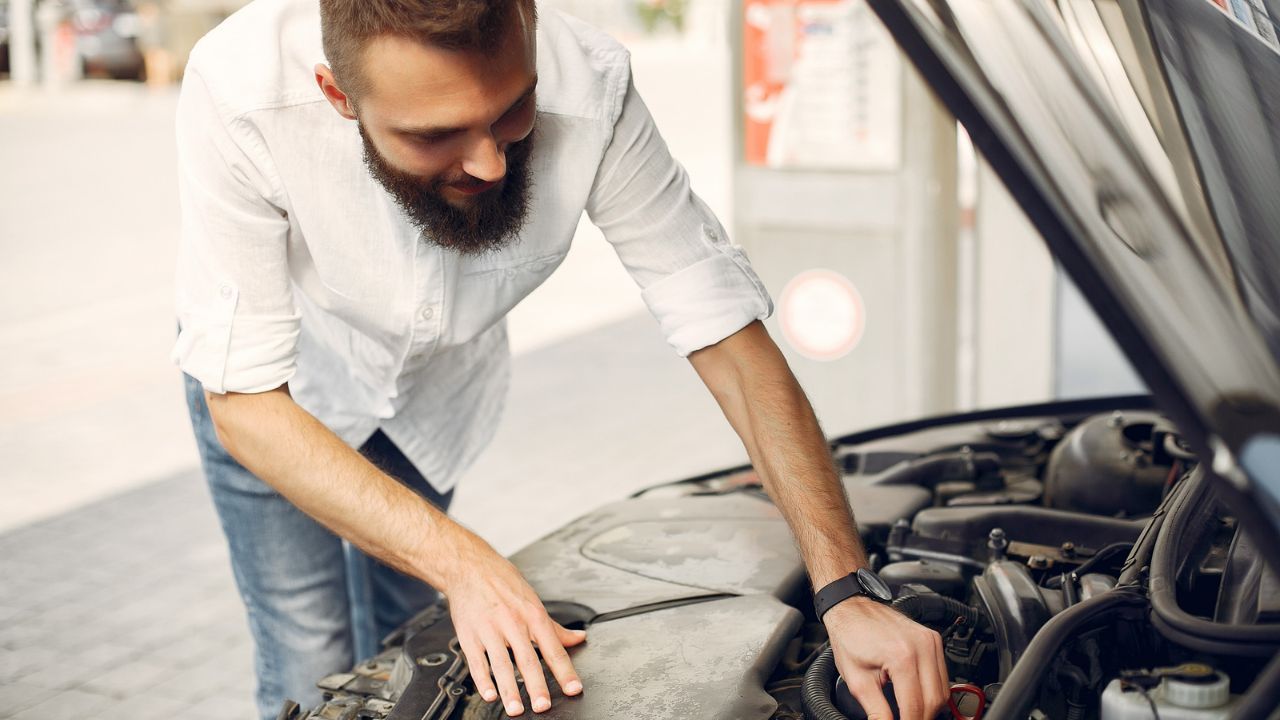
 Auto mechanic explaining engine components to a customer during inspection.

You may now have an idea about what this emission system problem is. But do you know why exactly your car displays an emission system problem? 


Well, your vehicle constantly checks itself using onboard diagnostics. This system watches engine sensors and emissions data in real time. If something moves outside safe limits, the computer stores a trouble code. It is then that the warning appears.


In many cases, drivers notice the check-engine light first. But the root cause can be very different.

Here are the most common reasons.


Faulty Oxygen Sensor


The oxygen sensor tracks how much oxygen is remaining in the exhaust gases. If it fails, the engine may burn too much fuel, which can increase pollution and reduce fuel economy.


Loose or Damaged Gas Cap


Yes, something this small can trigger a warning. A loose cap lets fuel vapors escape from the tank. The EVAP system detects this leak and signals an emission fault.


Catalytic Converter Problems


The catalytic converter converts harmful gases into safer ones. However, over time, it can clog or fail, and when that happens, emissions rise quickly.


When this happens, you may see signs like poor acceleration, reduced fuel efficiency, and a sulfur or rotten egg smell coming from your car. 


EVAP System Leaks


The EVAP system traps gasoline vapors before they escape into the air. If there are any cracked hoses or broken valves, they can cause leaks. Even a small one may trigger the dashboard alert.


Dirty Mass Airflow Sensor


This sensor measures the air entering your engine. If it sends incorrect readings, the engine burns fuel poorly, which eventually disrupts emissions levels.


Signs Your Emissions System Needs Attention


Sometimes the dashboard warning appears before you notice any other symptoms. But in many cases, drivers start seeing small changes first.

These changes could be:

  • The check-engine light is staying on
  • The car is burning more fuel than usual
  • Engine performing weakly
  • The vehicle hesitates while accelerating
  • A strange smell from the exhaust

These signals often appear gradually. You may notice that one week the car runs fine, and the next week something feels off.


Can You Keep Driving With an Emissions System Problem?


This is one of the most common questions we usually get. Technically, many cars can still drive for a short time after the warning appears, but that does not mean it is safe to ignore.


Driving too long with this issue can cause several problems like:


  • Higher fuel consumption
  • Increased engine wear
  • Damage to the catalytic converter
  • Failed emissions tests
  • Larger repair costs later


Imagine there’s a small leak in a pipe. At first, it may seem harmless, but over time, the damage spreads and could cause a serious problem. Therefore, it is always best to address the problem early, which can save your car and also your money.


How Mechanics Diagnose an Emissions System Problem


You must be wondering how technicians even diagnose these emission problems. So, when you bring the car into a repair shop, technicians begin with a diagnostic scan.


They connect a scan tool to the vehicle’s onboard computer. That tool reads the stored error codes. Each engine light code points toward a possible issue.


For example:


  • P0420 may indicate catalytic converter efficiency problems
  • P0171 often signals a lean fuel mixture
  • P0442 usually points to an EVAP system leak


But codes alone do not tell the full story. They also check the sensor, wiring, hoses, and exhaust components. They confirm the real cause before recommending repairs.


At places like Hamilton Tire Car Care Centre, technicians combine computer diagnostics with hands-on inspection to pinpoint the exact fault quickly.


That approach prevents unnecessary repairs.


Common Repairs That Fix an Emissions System Problem


Repair costs vary widely depending on the failed part. Some fixes are simple and inexpensive, while others require more involved work.


Replacing Oxygen Sensors


These sensors wear out over time. Replacement usually restores proper fuel balance.


Repairing EVAP Leaks


Technicians inspect hoses, valves, and the gas cap seal. With this inspection, small leaks can often be fixed quickly.


Cleaning or Replacing the Mass Airflow Sensor


Sometimes the sensor just needs cleaning, as dirt buildup can interfere with readings.


Catalytic Converter Replacement


This is one of the more expensive fixes, but it restores proper emissions control.


Engine Sensor Calibration


Occasionally, the problem comes from incorrect sensor data rather than hardware failure, but software recalibration solves the issue.

During many emissions repairs, technicians also inspect the vehicle’s braking and tire systems. Services from Hamilton Tire Car Care Centre, brake service, and tire inspection help ensure the car remains safe and efficient overall.


Why Fixing Emissions Problems Helps Your Engine


Many drivers think emissions systems only exist for environmental reasons, but they also protect your engine.


When sensors and exhaust systems work correctly, the engine burns fuel more efficiently, which improves performance and longevity.


Fixing emission problems:

  • Maintains correct fuel-air balance
  • Reduces engine deposits
  • Protects the catalytic converter
  • Improves fuel economy
  • Prevents overheating


Ignoring emissions issues disrupts this balance, but over time, that strain spreads to other engine components.


When Drivers Should Visit a Repair Centre?
Customer shaking hands with a mechanic after a car repair service.

Many drivers delay repairs because the car still runs, but certain warning signs mean you should schedule service soon.

Consider visiting a technician if:


  • The check-engine light stays on for several days
  • The vehicle struggles to accelerate
  • Fuel economy suddenly drops
  • You smell strong exhaust odors
  • The car fails an emissions test


A professional inspection often reveals the issue within minutes.


Routine services such as engine diagnostics and scheduled maintenance offered at Hamilton Tire Car Care Centre can detect problems early before they become costly repairs.


That preventative approach keeps both your engine and emissions system working smoothly.


Small Habits That Prevent Emissions Problems


Many emissions faults develop slowly, but simple habits can help reduce the risk.


Here are some practical steps you can take to prevent any such emission problem: 


  • Tighten the gas cap after refueling
  • Use quality fuel from trusted stations
  • Replace air filters regularly
  • Follow scheduled maintenance intervals
  • Address check-engine warnings quickly


These small actions keep sensors and exhaust components functioning properly. They also reduce the chance of facing unexpected repair bills.


The Real Takeaway


An emissions system problem simply means your car’s pollution-control system is not working the way it should. Sometimes the cause is minor, but other times it signals a deeper issue in the engine or exhaust system.


The key is not to panic but also not to ignore it. A quick diagnostic check often reveals a simple fix. And catching the problem early keeps your engine running clean, efficient, and reliable.


After all, if your car is already trying to tell you something is wrong, is it worth waiting until the repair becomes much bigger?

What Are the 7 Critical Signs You Need a Brake Fluid Flush?
By jkram200 March 20, 2026
Learn the 7 critical signs you need a brake fluid flush and how early maintenance can prevent dangerous brake system problems.
 8 Surprising Reasons You May Need Wheel Bearing Replacement
By jkram200 March 20, 2026
Explore 8 surprising causes of wheel bearing replacement and discover easy ways to diagnose the issue early.
How Far Can You Drive on a Spare Tire Without Risk
By jkram200 March 8, 2026
Find out the safe distance for driving on a spare tire and avoid serious mistakes. Expert-backed advice to protect your car and wallet.
7 Smart Tips to Check Transmission Fluid
By jkram200 March 8, 2026
Learn 7 smart and safe ways to check your car’s transmission fluid level and quality. Avoid costly mistakes and protect your gearbox with simple steps.
How to Jump Start a Car Safely: Simple Guide
By jkram200 March 8, 2026
Learn the safest and most reliable way to jump start a car battery without causing costly damage. Clear steps designed for beginners.
transmission flush cost
By jkram200 February 20, 2026
Get clear insights into current transmission flush pricing. Learn what’s included, what raises the cost, and when it makes sense.
how-to-bleed-brakes-diy-guide
By jkram200 February 20, 2026
Ultimate 10-step DIY brake bleeding guide. Covers helper method vs vacuum, fluid handling, and when you need a shop.
best all season tires
By jkram200 February 20, 2026
Find the top all-season tires worth buying this year. Practical recommendations for everyday drivers who want grip, comfort & durability on all weather roads.
causes-of-gas-leak-in-car
By jkram200 February 16, 2026
From loose gas caps to fuel line damage, here are 9 shocking reasons your car may be leaking gas and how to spot them early.
car-jumps-when-accelerating-causes-fixes
By jkram200 February 14, 2026
Car jumping when accelerating? Discover 7 common causes like spark plugs, fuel delivery, sensors, and easy fixes to restore smooth driving.
Show More