What Are the 7 Critical Signs You Need a Brake Fluid Flush?

jkram200 • March 20, 2026

Ever pressed the brake pedal and felt something slightly off? The car may have stopped, but not as quickly as usual. That small moment can feel unsettling, and many drivers ignore it.


You likely need a brake fluid flush if the brake pedal feels soft, stopping takes longer, or the fluid looks dark. These signs usually mean the fluid has moisture or dirt inside.


Many drivers rarely think about brake fluid because oil and tires receive more attention. But brake fluid is as important as oil and tires. Brake fluid carries the force from your foot to the brakes. Without healthy fluid, the brakes cannot respond properly. Even small contamination can weaken braking power.


The good news is that your car usually shows warning signs. If you know what to watch for, you can fix the issue early. Let us look at the most common signs.


What Is Brake Fluid and Why Does It Matter?

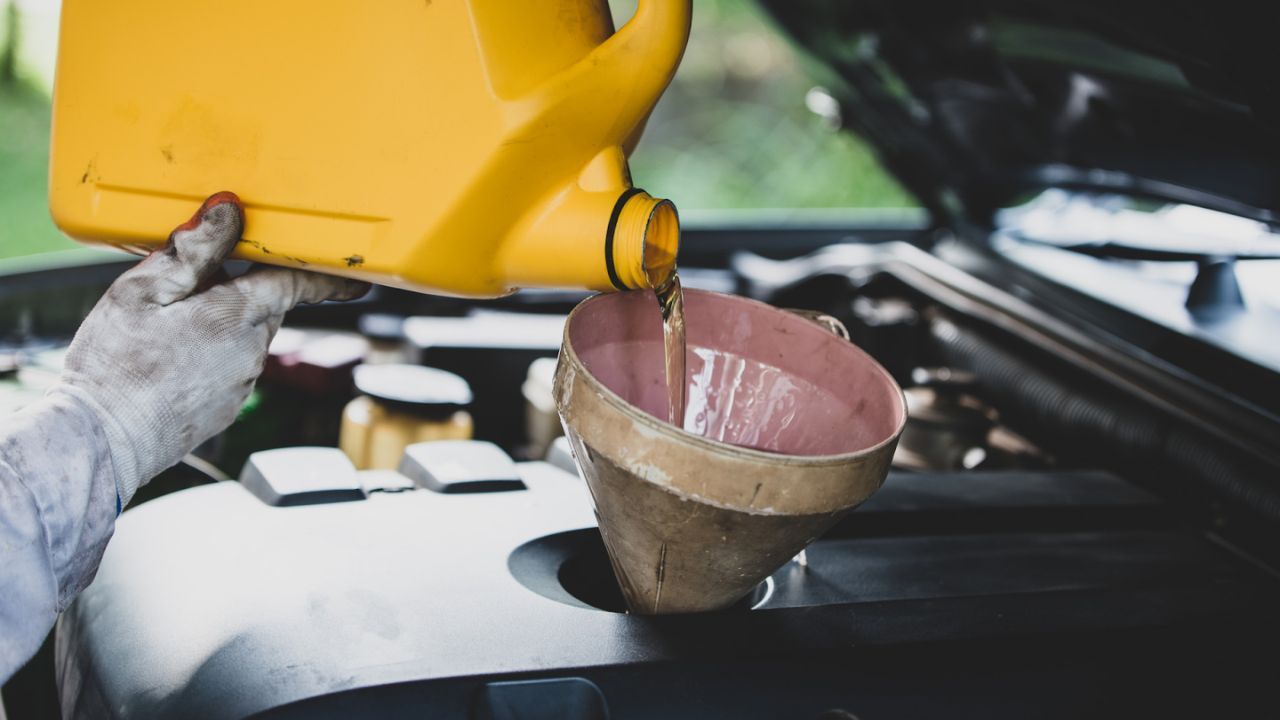
Pouring brake fluid into a car using a funnel.

Before we learn about the common signs, let’s understand what brake fluid is and why it even matters. Brake fluid is a hydraulic liquid that transfers pressure through the braking system.


When you press the pedal, fluid moves through the brake lines. This pressure pushes the brake pads against the rotors, forcing the car to slow down.


Brake fluid works under heat and pressure. Over time, it absorbs moisture from the air. Even sealed systems allow tiny amounts of moisture inside. This moisture lowers the fluid’s boiling point, and when that happens, braking performance drops.


A brake fluid flush replaces old fluid with clean fluid, restoring proper pressure and braking response.


7 Critical Signs You Need a Brake Fluid Flush


Most brake problems do not appear overnight. They develop slowly. The key is to pay attention to small changes to prevent serious issues.


1. Your Brake Pedal Feels Soft


A soft brake pedal is a clear warning sign. Healthy brake fluid keeps the pedal firm. When moisture enters the system, the pedal may feel spongy.


You may often notice:


  • The pedal sinks deeper than normal
  • Brakes respond slowly
  • The pedal feels weak

This happens because air or vapor forms inside the fluid. A brake fluid flush from Hamilton Tire Car Care Centre removes these contaminants and restores pressure.


2. The Brake Fluid Looks Dark


Fresh brake fluid is clear or pale yellow. Old fluid becomes darker over time. You can check this in the brake fluid reservoir under the hood.


If the fluid looks:

  • Dark brown
  • Cloudy
  • Dirty


Then the system likely needs service. Dark fluid usually means contamination or moisture. Flushing the system prevents damage to internal parts.


3. Your Car Takes Longer to Stop


Stopping distance is one of the first things drivers notice. Old fluid cannot transfer pressure as efficiently, which reduces braking strength.


You may notice:


  • The car takes longer to stop
  • The brakes feel weaker
  • You must press the pedal harder


This change often happens slowly, and you may adapt even without realizing any change. When the fluid is clean, it can restore proper braking performance.


4. The Brake Warning Light Turns On


Modern vehicles monitor the braking system. If the brake warning light appears, the system has detected a problem.


Common causes include:


  • Low brake fluid level
  • Pressure imbalance
  • Contaminated fluid


The light should never be ignored. A technician can inspect the system and check the fluid condition. In many cases, the solution is a brake fluid flush.


5. You Smell Something Burning During Hard Braking


Brake systems generate intense heat. When brake fluid contains moisture, the boiling point drops. Under heavy braking, the fluid may begin to boil.


This creates vapor bubbles inside the system.


You may notice:

  • A burning smell
  • Sudden brake fade
  • Reduced braking power


A flush removes moisture and restores heat resistance.


6. It Has Been Over Two Years Since Your Last Service


Brake fluid slowly degrades over time. Many manufacturers recommend replacing it every two to three years. Even if the brakes feel fine, the fluid may already contain moisture.


Make sure:


  • Your car has been serviced at least two years ago
  • If not, get a service scheduled for your car


Routine maintenance keeps the braking system reliable. If you cannot remember the last service, it is worth checking.


7. The ABS System Feels Unusual


Anti-lock braking systems rely on clean hydraulic fluid. Contaminated fluid can interfere with ABS valves and sensors.

You may sometimes notice:

  • Irregular pedal pulsation
  • ABS is activating too often
  • Brakes feeling unpredictable


Replacing old fluid helps the ABS system work properly again.


Why Moisture Causes Brake Problems


Brake fluid naturally absorbs water from the air. Even small amounts enter through rubber seals and hoses. Over time, moisture leads to several problems:


  • Lower boiling point
  • Corrosion inside brake lines
  • Reduced hydraulic pressure


A brake fluid flush removes this moisture and protects the braking system.


What Happens During a Brake Fluid Flush
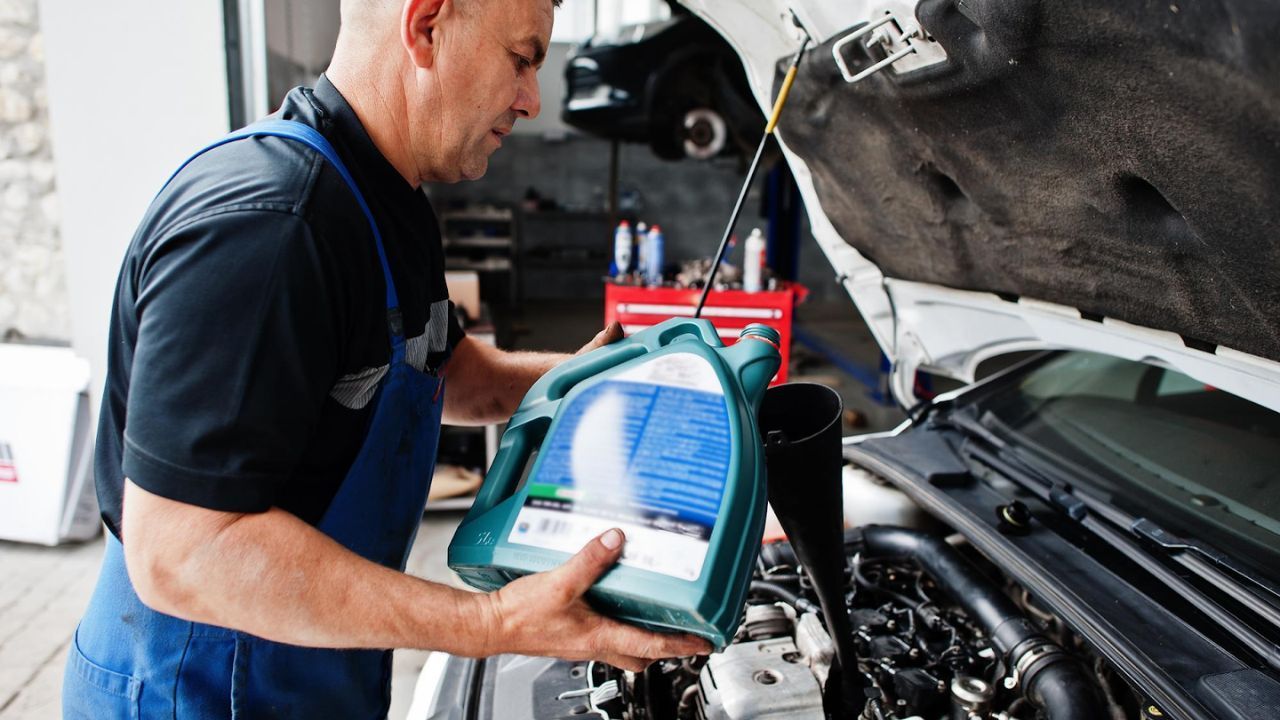
Automobile mechanic adding fresh brake fluid during a vehicle service.

Now that we’ve talked so much about brake flush, what exactly happens during a brake flush? A brake fluid flush replaces all old fluid in the system.


Professional technicians at Hamilton Tire Car Care Centre usually follow a simple process.


  • Old fluid is removed from the reservoir
  • Fresh fluid is added
  • Each brake line is flushed
  • Air bubbles are removed


This process restores clean hydraulic fluid throughout the system. After a brake flush, you’ll often notice a firmer brake pedal afterward.


Services Often Done With a Brake Fluid Flush


Brake maintenance rarely happens alone. Technicians usually inspect other brake parts at the same time. At Hamilton Tire Car Care Centre, drivers often combine fluid replacement with these services.


Brake Inspection


A brake inspection checks the entire braking system, where the technicians examine:


  • Brake pads
  • Rotors
  • Brake lines
  • Hydraulic components


This inspection helps identify wear before it becomes serious.


Sometimes drivers come in for a routine inspection. During the check, technicians discover contaminated fluid. A brake fluid flush then restores system performance.


Brake Pad Replacement


Brake pads wear down with use. Thin pads reduce stopping power and damage rotors.


You may hear:


  • Squealing noises
  • Grinding sounds
  • Vibrations while braking


When replacing pads, technicians often evaluate the brake fluid as well. Clean fluid ensures the new pads perform correctly. Together, these services keep the braking system balanced and safe.


Simple Ways to Protect Your Brakes


Brake systems last longer with basic care, but there are still a few simple habits that can help prevent problems.

  • Schedule regular brake inspections
  • Replace brake fluid every few years
  • Pay attention to pedal feel changes
  • Listen for unusual noises


Drivers who follow these steps usually avoid serious brake issues. Most problems develop slowly. Early attention makes repairs simple.


One Last Thought


Your brakes rarely fail without warning. They give small signals first, like a softer pedal, dark fluid, and slightly longer stops. Those signs often appear long before serious damage.


This also means your braking system is asking for attention.


Ignoring them might work for a while. But when the road demands a sudden stop, you will want every part of your braking system working perfectly.

 8 Surprising Reasons You May Need Wheel Bearing Replacement
By jkram200 March 20, 2026
Explore 8 surprising causes of wheel bearing replacement and discover easy ways to diagnose the issue early.
What Does an Emissions System Problem Really Mean for Your Car?
By jkram200 March 20, 2026
Wondering what an emissions system problem means? Learn the real causes, warning signs, and smart fixes before costly damage occurs.
How Far Can You Drive on a Spare Tire Without Risk
By jkram200 March 8, 2026
Find out the safe distance for driving on a spare tire and avoid serious mistakes. Expert-backed advice to protect your car and wallet.
7 Smart Tips to Check Transmission Fluid
By jkram200 March 8, 2026
Learn 7 smart and safe ways to check your car’s transmission fluid level and quality. Avoid costly mistakes and protect your gearbox with simple steps.
How to Jump Start a Car Safely: Simple Guide
By jkram200 March 8, 2026
Learn the safest and most reliable way to jump start a car battery without causing costly damage. Clear steps designed for beginners.
transmission flush cost
By jkram200 February 20, 2026
Get clear insights into current transmission flush pricing. Learn what’s included, what raises the cost, and when it makes sense.
how-to-bleed-brakes-diy-guide
By jkram200 February 20, 2026
Ultimate 10-step DIY brake bleeding guide. Covers helper method vs vacuum, fluid handling, and when you need a shop.
best all season tires
By jkram200 February 20, 2026
Find the top all-season tires worth buying this year. Practical recommendations for everyday drivers who want grip, comfort & durability on all weather roads.
causes-of-gas-leak-in-car
By jkram200 February 16, 2026
From loose gas caps to fuel line damage, here are 9 shocking reasons your car may be leaking gas and how to spot them early.
car-jumps-when-accelerating-causes-fixes
By jkram200 February 14, 2026
Car jumping when accelerating? Discover 7 common causes like spark plugs, fuel delivery, sensors, and easy fixes to restore smooth driving.
Show More