Wheel bearings support the weight of the vehicle while allowing the wheels to spin. Each bearing contains small steel balls or rollers packed in grease. This grease reduces friction and heat.
When the bearing wears out, the metal parts rub against each other. That creates noise and vibration.
Most drivers first notice a humming sound at higher speeds. Others feel a small shake in the steering wheel, and sometimes the noise changes when turning.
If ignored, the problem usually gets worse over time.
Reasons to Get Wheel Bearing Replacement
1. Potholes and Rough Roads
Potholes are one of the biggest enemies of wheel bearings. A deep pothole sends a sharp shock through the wheel hub. That force can damage the bearing race or rollers.
If you travel through rough roads, you’ll see these problems often.
Common symptoms include:
- A humming sound while driving
- Noise that increases with speed
- A vibration through the steering wheel
Many people blame the tires first, but mechanics often find the bearing took the real impact.
2. Water Entering the Wheel Hub
Wheel bearings rely on grease to stay lubricated, but water can break down that grease.
Driving through flooded streets or deep puddles may allow water inside the hub. Once moisture mixes with grease, rust can begin to form. Eventually, rust damages the smooth metal surface inside the bearing.
You may notice:
- Grinding sounds from the wheel area
- Reduced smoothness when the wheel spins
- Rust when the hub is inspected
Cars in rainy regions face this issue more often.
3. Incorrect Wheel Installation
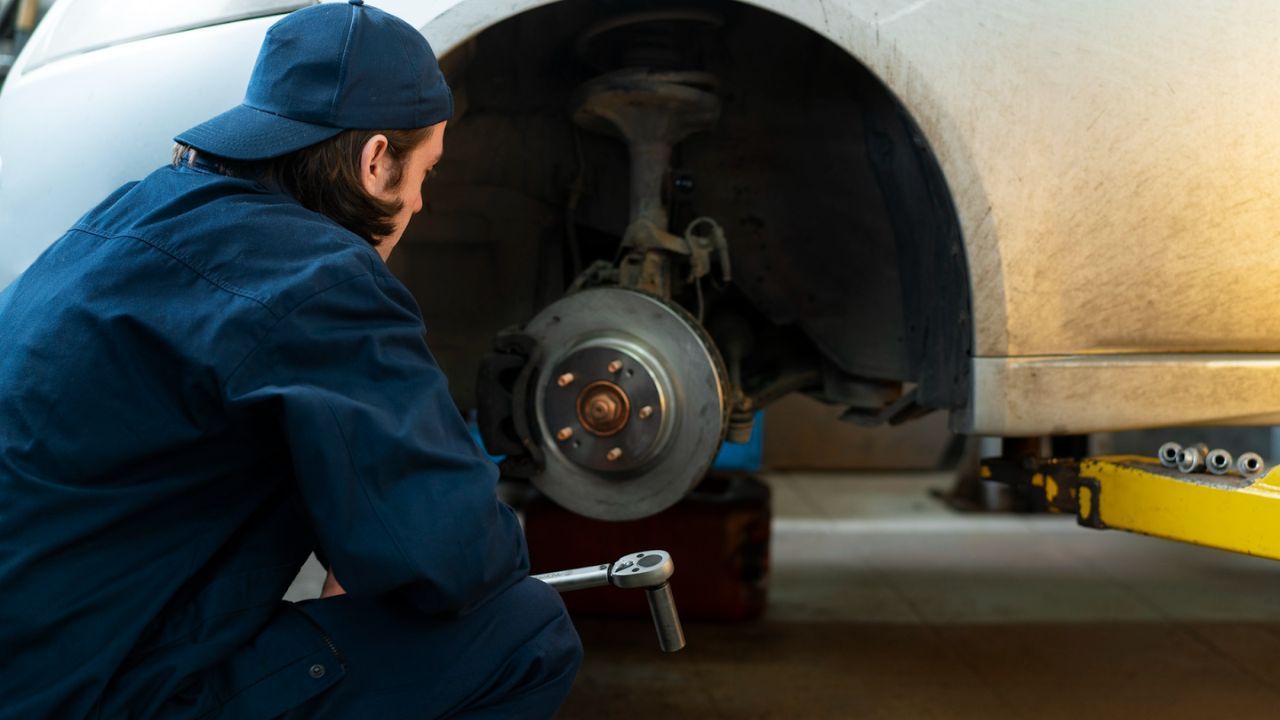
This surprises many drivers. If lug nuts are tightened unevenly, the wheel hub receives uneven pressure. That pressure stresses the bearing over time.
Improper installation may happen during a tire change.
Problems often occur when:
- Lug nuts are over-tightened
- Lug nuts are tightened unevenly
- The hub assembly is installed incorrectly
Professional tire shops use torque tools to avoid this issue. This is also why technicians inspect hubs during wheel alignment service.
4. Worn Suspension Components
Wheel bearings work with other suspension parts. If suspension components wear out, they shift the wheel’s position. That creates an extra load on the bearing.
For example, worn ball joints or control arms can change the wheel angle. This extra pressure slowly damages the bearing.
You may notice:
- Uneven tire wear
- Steering that drifts slightly
- Knocking sounds while turning
Routine suspension checks help catch this early.
5. High Mileage Wear
Sometimes the reason is simple. Wheel bearings wear out after many miles. Most bearings last around 85,000 to 100,000 miles, depending on driving conditions. Over time, the grease breaks down, and the metal surfaces wear.
If you drive daily and have
long commutes, your car’s wheel bearing will reach this stage faster.
You’ll see signs like:
- A steady humming noise from one wheel
- Noise that gets louder with speed
- Mild vibration at highway speeds
Mileage alone does not cause failure, but it increases the chances.
6. Aggressive Driving Habits
Driving style also affects wheel bearing life.
Hard cornering puts heavy pressure on the outer wheel bearings. Fast turns and sudden braking increase this stress. Over time, this extra load damages the bearing surfaces.
Habits that increase wear include:
- Fast cornering
- Hard braking
- Driving quickly over speed bumps
- Carrying heavy cargo often
Smooth driving helps bearings last longer.
7. Low-Quality Replacement Parts
Not all auto parts are made equally. Cheap bearings often use weaker metal and poor seals. These parts may fail much sooner than quality components.
Drivers sometimes choose cheaper parts to save money, but poor-quality bearings often lead to repeated repairs.
Better parts usually offer:
- Stronger steel construction
- Better heat resistance
- Improved protection against moisture
Good mechanics recommend reliable brands during wheel bearing replacement.
8. Ignoring Early Warning Noises
Many drivers ignore early bearing noise. At first, the sound is soft, but the car still drives normally. So the problem gets ignored.
But bearings rarely repair themselves. Small humming noises usually become louder over time.
Early symptoms often include:
- Low humming while driving
- Noise that changes during turns
- Light steering vibration
Mechanics at
Hamilton Tire Car Care Centre
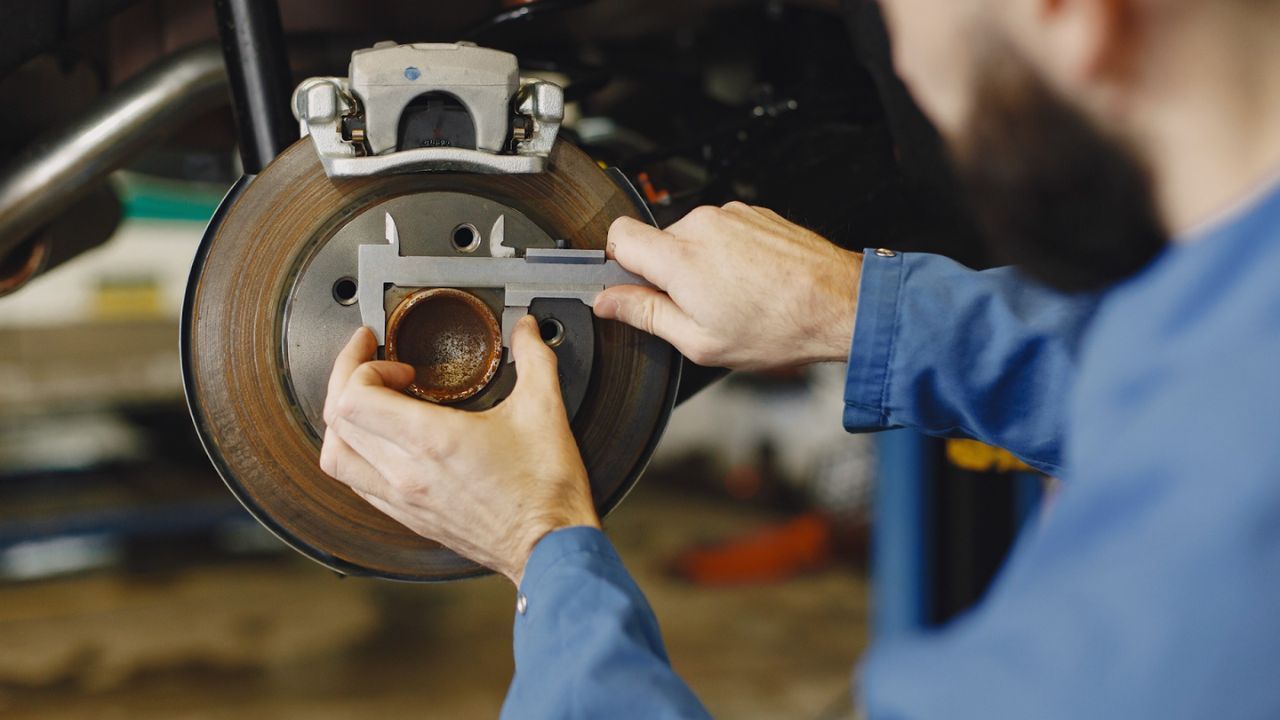
often detect this during brake service inspections when they examine the wheel hub. Catching the issue early prevents bigger damage.
How Mechanics Diagnose Bearing Problems