Car Suspension Repair Guide: Symptoms, Causes, and Fixes Explained

jkram200 • April 16, 2026

Car suspension repair becomes necessary when your car feels unstable, noisy, or unusually rough, and fixing it early keeps your drive safe and smooth.


Most drivers ignore early signs. The car still runs, so it feels fine. But suspension problems grow quietly. You notice small changes first. Then one day, the ride feels completely off.


If your car doesn’t feel like it used to, don’t wait. Let’s walk through what’s happening and what to do next.


What Your Suspension System Actually Does


Your suspension keeps your ride stable and comfortable. It absorbs shocks from the road, and also keeps your tires in contact with the surface. Without it, every bump would feel harsh. Also, steering would feel loose, and braking would feel unsafe.


A healthy system helps you:


  • Drive smoothly on uneven roads
  • Maintain control during turns
  • Keep tires wearing evenly
  • Stay stable at higher speeds


When these benefits fade, something is wrong underneath.


Signs You Need Car Suspension Repair

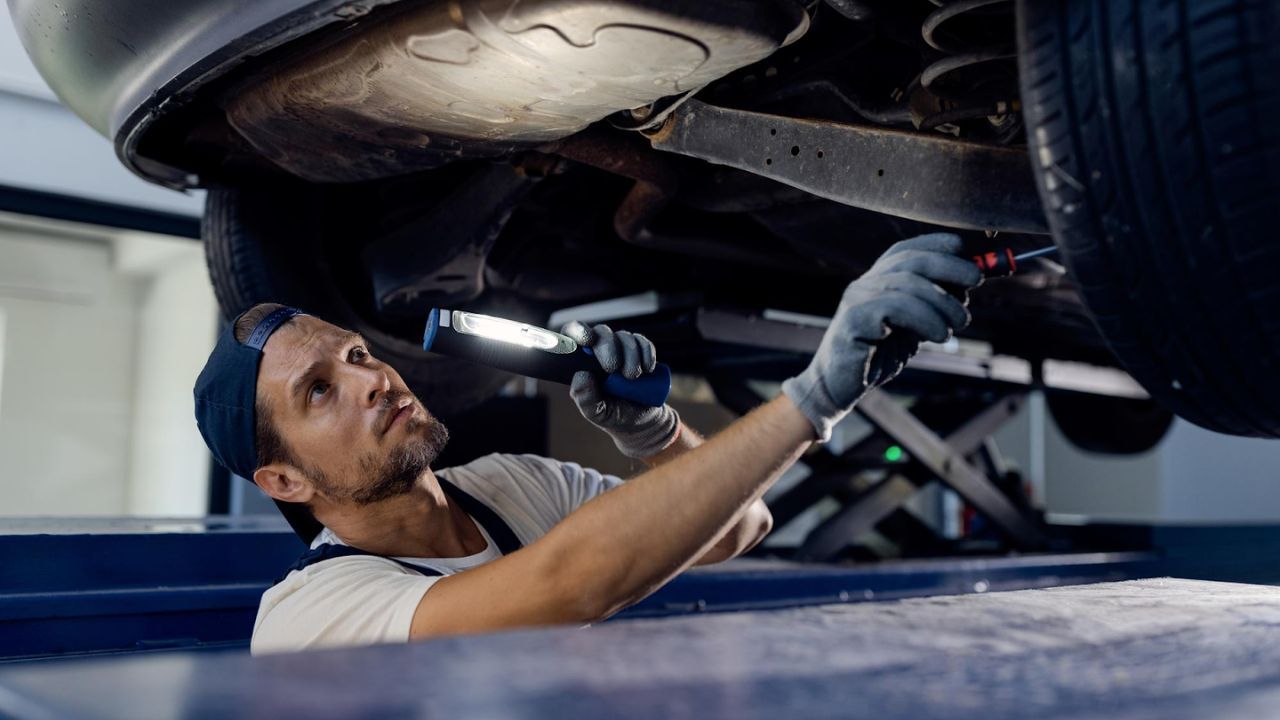
Mechanic inspecting car wheel and suspension using a work light

Suspension issues don’t appear suddenly. They build slowly, and most drivers notice them but delay action.


Here are the most common warning signs:


  • Rough or bouncy ride: Small bumps feel sharper than usual.
  • Car pulls to one side: You keep adjusting the steering wheel.
  • Front dips when braking: The nose drops more than it should.
  • Uneven tire wear: One side of the tire wears faster.
  • Clunking sounds over bumps: You hear dull knocks or rattles.
  • Car leans during turns: It feels less stable on curves.


Once a customer came to us driving a sedan that felt floaty on highways. It wasn’t dramatic, but it felt wrong. The issue turned out to be worn struts. A simple fix made the car feel new again, that’s how subtle these problems can be.


Why Suspension Problems Happen


When you understand the why, you're better able to make informed decisions as to what your vehicle requires. Suspension issues don’t appear randomly. They usually build over time.


Here are the most common causes:

  • Daily wear and tear: Parts weaken over time with regular driving.
  • Bad roads and potholes: Sudden impacts damage components quickly.
  • Heavy loads: Carrying extra weight stresses the system.
  • Aggressive driving: Hard braking and fast turns increase wear.
  • Skipped maintenance: Small issues go unnoticed and grow bigger.


If you regularly drive on uneven roads, there are chances that your suspension wears faster than average.


Parts That Commonly Need Repair


Suspension systems are made up of several parts. When one fails, it often affects others. Therefore, it’s important that you know the key components of your vehicle’s suspension.


Here are the key components:


  • Shocks and struts: They absorb impact and control movement.
  • Springs: They support the car’s weight.
  • Control arms: They connect wheels to the frame.
  • Ball joints: They allow smooth steering movement.
  • Bushings: They reduce vibration and noise.
  • Sway bars: They improve stability during turns.


You don’t need to remember every part, but knowing the basics helps you ask better questions.


How Car Suspension Repair Works

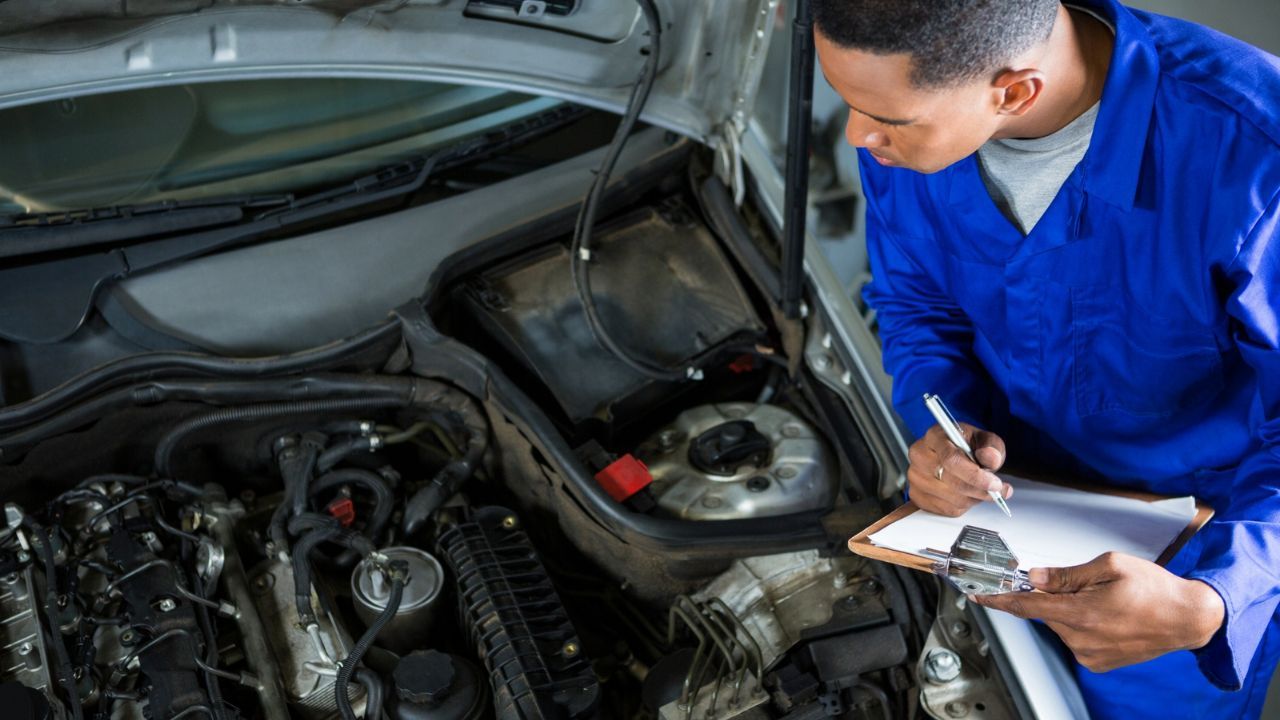
Technician checking underside of car during suspension inspection

Once you notice symptoms, the next step is inspection. A professional service center like Hamilton Tire Car Care Center can handle this as part of their wide range of automotive services.


Here’s how the process usually goes:

  1. Initial inspection: The technician checks visible damage and wear.
  2. Test drive: They confirm the issue through real driving.
  3. Detailed diagnosis: Faulty parts are identified clearly.
  4. Repair or replacement: Worn components are replaced.
  5. Wheel alignment: Ensures proper tire positioning.
  6. Final check: Confirms smooth handling and stability.


A good technician explains everything in simple terms so you know what’s the issue with the suspension and how to deal with it. 


Repair or Replace: What Should You Do?


This is where many drivers hesitate and have a confusion of whether they should replace the part or get it repaired. 


Here’s a simple way to think about it:


  • If only one part is worn, a targeted repair may be enough
  • If multiple components are aging, replacing them together can save money long-term
  • If your car feels unstable or unsafe, don’t delay


Sometimes replacing shocks in pairs (both front or both rear) is smarter than doing just one. It keeps your ride balanced. If your car feels unsafe, don’t delay the decision.


Is Car Suspension Repair Worth the Cost?


It’s normal to think about cost first. But think about what you risk by waiting.


Ignoring suspension issues can lead to:


  • Faster tire damage
  • Poor braking performance
  • Reduced control on the road
  • Higher repair costs later


Fixing the issue early often saves money. Think of it this way, a small repair today prevents a bigger bill tomorrow.


How to Make Your Suspension Last Longer


You can’t avoid wear completely, but you definitely can slow it down by following a few practices.

Here are some practical habits that help:

  • Drive slowly over bumps and potholes
  • Avoid overloading your car
  • Check your tires regularly
  • Get periodic inspections
  • Fix minor issues early


These steps don’t take much effort, but they make a big difference.


Choosing the Right Place for Car Suspension Repair


Not all repair shops are equal. You want a place that understands your car and treats you honestly.

When evaluating a service center, ask yourself:

  • Do they explain the issue clearly?
  • Do they show you worn parts?
  • Do they offer a full inspection, not just a quick fix?
  • Are their technicians experienced?


Hamilton Tire Car Care Center is known for offering a wide range of automotive services, including suspension diagnostics and repair. What sets a good shop apart is not just fixing the problem, but helping you understand it.


That builds trust.


Listen Early, Act Smart, and Protect Your Suspension


When your car stops feeling right, it’s not just a mechanical issue. It’s your daily drive asking for attention. A car usually gives small warnings before bigger problems appear. The real question is simple. Do you notice them in time, or wait until the ride forces your attention?


FAQs

Q1: How often should I check my suspension?

Once a year or every 12,000 to 15,000 miles works well.

Q2: What is the most common suspension repair?

Replacing worn shocks or struts is very common.

Q3: Can bad suspension affect tires?

Yes. It causes uneven and faster tire wear.

Q4: How long does a repair take?

Simple jobs take a few hours. Bigger repairs take longer.

Q5: Does fixing suspension improve comfort?

Yes. The ride becomes smoother and more stable.

By jkram200 April 16, 2026
Notice gear slipping or delayed acceleration? Discover powerful warning signs and simple fixes before costly transmission damage hits.
By jkram200 April 16, 2026
Spot early driveshaft repair signs like vibration or noise. Learn when to fix it and avoid costly damage with this simple guide.
By jkram200 April 10, 2026
Extend tire lifespan and boost vehicle performance with high-quality wheel alignment services. Book your service today.
By jkram200 April 10, 2026
Get even tire wear, better handling, and safer driving with professional tire rotation services. Schedule your service today.
 What Is a Conventional Oil Change? 6 Simple Facts You Need
By jkram200 April 10, 2026
Confused about oil types? Learn 6 simple facts about conventional oil changes and when your car needs one.
What Are the 7 Critical Signs You Need a Brake Fluid Flush?
By jkram200 March 20, 2026
Learn the 7 critical signs you need a brake fluid flush and how early maintenance can prevent dangerous brake system problems.
 8 Surprising Reasons You May Need Wheel Bearing Replacement
By jkram200 March 20, 2026
Explore 8 surprising causes of wheel bearing replacement and discover easy ways to diagnose the issue early.
What Does an Emissions System Problem Really Mean for Your Car?
By jkram200 March 20, 2026
Wondering what an emissions system problem means? Learn the real causes, warning signs, and smart fixes before costly damage occurs.
How Far Can You Drive on a Spare Tire Without Risk
By jkram200 March 8, 2026
Find out the safe distance for driving on a spare tire and avoid serious mistakes. Expert-backed advice to protect your car and wallet.
7 Smart Tips to Check Transmission Fluid
By jkram200 March 8, 2026
Learn 7 smart and safe ways to check your car’s transmission fluid level and quality. Avoid costly mistakes and protect your gearbox with simple steps.
Show More