



8 Easy Fixes for Car AC Refrigerant Leak That Actually Work

jkram200 • May 4, 2026

Hot air from your vents is not just annoying. It is often a sign that your AC system is losing refrigerant, and once that starts, cooling only gets worse.


Fixing a car's AC refrigerant leak usually comes down to finding the exact leak point first, then choosing the right fix, which can range from a simple valve core swap to a full component replacement.

The good news is this. Not every leak is expensive. Some are quick fixes you can handle in your garage. Others need proper tools or a shop visit.


Here we’ll talk about the eight easy fixes you can do if you’re facing a car AC refrigerant leak.


Signs You Have a Car AC Refrigerant Leak (Not Just a Warm Day)

Manual car engine check for potential issues and repairs

Warm air is the most obvious sign, but it’s also the least helpful. AC systems fail in many ways. A leak is just one of them, but a few signs point more clearly to refrigerant loss than anything else.


Look for these:

  • Warm air that gets worse over weeks: Slow decline often means a small leak, not a sudden failure
  • Faint hissing sound under the hood: That is gas escaping from a pressurized line
  • Oily residue near hoses or fittings: Refrigerant oil leaves a greasy trace where leaks occur
  • AC cycles on and off quickly: Low pressure makes the compressor struggle


Here is why this matters. If you walk into a shop and say, “My AC is warm,” you get a broad diagnosis. But if you say “there’s oil near the compressor fitting,” the process speeds up.


What Causes Refrigerant Leaks and Which Ones You Can Actually Fix


Most leaks come from the same few places, but not all of them are the same. Rubber seals wear out, metal parts corrode, and road debris hits exposed components. But only some of these are easy to fix at home.


Here are the common causes:


  • Worn O-rings and seals: Most common issue, and DIY-friendly in many cases
  • Cracked hoses or loose connections: Medium difficulty, and needs careful handling
  • Condenser damage from debris: Front of the car. Usually shop repair
  • Evaporator corrosion inside dashboard: It’s hidden, so always a shop job


How to Find the Leak Before You Fix Anything


Start with a gauge before you buy anything. That one step can save hours. A simple pressure gauge tells you if the refrigerant is actually low. 


Follow this order:

  1. Check system pressure: Use a low-side gauge. If pressure is low, you likely have a leak
  2. Do a visual inspection: Look at hose joints, compressor fittings, and condenser surface
  3. Use UV dye if needed: Add dye, run the system, then check with UV light
  4. Try an electronic detector: More precise, but only worth it for repeated use


Always confirm the problem first before reaching any conclusion.


The 8 Fixes That Actually Work for Car AC Refrigerant Leak Repair


Not every leak needs a shop, and not every fix is complicated. Here are the eight fixes explained in a way that helps you decide fast.


1. Service Port Valve Core Replacement

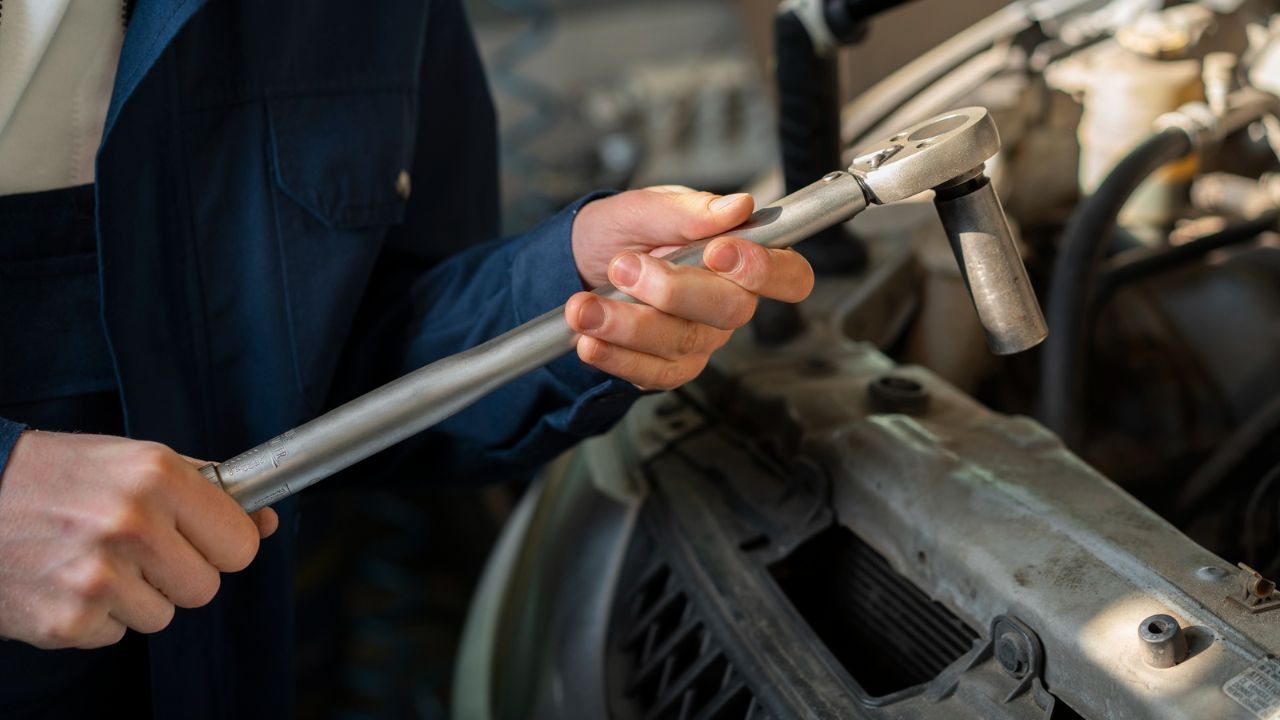
Mechanic tightening bolt with ratchet wrench inside car engine bay

Leak location: AC service port


This is the easiest fix on the list. The valve inside the service port works like a tire valve. Over time, it can loosen or wear out and start leaking slowly.


You will usually notice a faint hiss or see oil around the port cap. A simple valve core tool lets you remove and replace it in minutes.


2. O-ring Replacement at Fittings


Leak location: Compressor or hose joints


O-rings seal most AC connections. They dry out, crack, and shrink with age. That is one of the most common causes of leaks.

You disconnect the joint, replace the rubber ring, and reassemble. Sounds simple, right? It is, but only if you keep everything clean and aligned. If you miss this, the leak can come back.


3. AC Hose Replacement


Leak location: Rubber lines

Rubber hoses handle pressure and heat every day. Over time, they weaken or develop small cracks. Replacing the hose itself is not too hard. The challenge comes after, when the system must be evacuated and recharged properly.


That step needs tools most people do not have, so it’s always good to get professional help from names like Hamilton Tire Car Care Centre. They use top-quality products, making sure that the car part works well even after years of use.


4. Compressor Shaft Seal Repair


Leak location: Compressor front seal

This seal sits behind the compressor pulley. It spins every time the AC runs, and that exact constant motion wears it out.


Getting to it is the real problem. You need special pullers and tools to access the seal without damaging the compressor. This is where most DIY attempts stop needing professional help.


5. Condenser Replacement (Impact Damage)

Close-up of car radiator fins showing cooling system detail

Leak location: Front radiator-like unit

The condenser sits right behind the grille. It takes hits from rocks and debris all the time. A sudden loss of cooling often points here. One small puncture is enough to drain the system fast.


Replacement is straightforward for a shop. 


6. Condenser Corrosion Repair


Leak location: Tiny pinholes in metal

This one is sneaky. You won’t see any visible damage. Just slow leaks from corrosion over time. You might only notice weaker cooling over weeks. By then, the metal is already compromised.


There is no real patch for this, and replacement is the only reliable fix.


7. Accumulator or Receiver-Dryer Replacement


Leak location: Moisture filter unit

This part removes moisture from the system. But it can also develop leaks at seams or fittings. If it is easy to access in your car, you can replace it. But like hoses, the system still needs proper evacuation and recharge.


8. Evaporator Coil Replacement


Leak location: Inside dashboard

The evaporator sits deep inside the dashboard. To reach it, most cars require full dash removal. That means hours of labor, careful wiring work, and a lot of patience.


Even experienced mechanics plan this job carefully. 


This is where professional help makes sense. Services like AC diagnostics and full system repair at Hamilton Tire Car Care Center handle these complex jobs with the right tools and safety checks.


The Stop-Leak Trap and Why That Cheap Can Backfires

 Car engine problem showing heat and smoke under hood

Stop-leak products sound tempting. They promise a quick fix, but here is the problem. They do not fix leaks, but clog them. That sealant flows through the entire system. It can block valves, damage compressors, and contaminate refrigerants.


Now here is the real issue. Shops test your system before service. If they detect sealant, many will refuse the job or charge extra. So what seemed like a cheap fix can turn into a bigger bill later.


What It Costs to Fix a Car AC Refrigerant Leak in 2026


The price range is wide to fix a car AC refrigerant leak.


In 2026, a professional car AC refrigerant leak repair ranges from under $50 for a simple valve fix to over $1,200 for major work.

Here is a quick breakdown to better understand why there is such a wide vary in cost:


Fix Type: Valve core
Cost Range: $30 to $50
Notes: Cheapest fix

Fix Type: O-rings
Cost Range: $50 to $200
Notes: Includes recharge

Fix Type: Hose repair
Cost Range: $150 to $400
Notes: Depends on access

Fix Type: Compressor seal
Cost Range: $200 to $500
Notes: Labor heavy

Fix Type: Condenser
Cost Range: $300 to $700
Notes: Common repair

Fix Type: Evaporator
Cost Range: $600 to $1,200+
Notes: Most expensive


Also, check your refrigerant type. Newer cars use R1234yf, which costs more than older R134a systems. That detail alone can add $100 or more.


Final Thoughts


Find the leak first because everything else depends on that. Skipping diagnosis leads to wasted money and repeated failures. A quick check today can save hundreds later.


So before you recharge, replace, or guess, take a step back and ask one simple question.

Where is the refrigerant actually going?


FAQs

Q1: How long does a car AC refrigerant leak repair take?

Small fixes like valve cores take under 30 minutes. Larger repairs can take several hours or even a full day.

Q2: Can I drive with a refrigerant leak?

Yes, but not for long. Low refrigerant can damage the compressor over time.

Q3: How often should I recharge my car's AC?

Ideally, never. A sealed system should not lose refrigerant. If it does, there is a leak.

Q4: Is a refrigerant leak dangerous?

Not usually inside the cabin, but it is harmful to the environment and should be handled properly.

Q5: How do I know if my compressor is damaged?

Listen for grinding noise or check if the clutch fails to engage. These are warning signs.

engine-oil-dipstick-check-guide
By jkram200 May 5, 2026
New to car maintenance? Follow these 6 easy steps to check your engine oil dipstick and keep your engine running smoothly.
how-long-do-tires-last-in-years
By jkram200 May 3, 2026
Most tires last 4–6 years, but it depends. Discover 5 key factors that affect tire lifespan and when you should replace them safely.
By jkram200 April 16, 2026
Notice gear slipping or delayed acceleration? Discover powerful warning signs and simple fixes before costly transmission damage hits.
By jkram200 April 16, 2026
Spot early driveshaft repair signs like vibration or noise. Learn when to fix it and avoid costly damage with this simple guide.
 car suspension repair
By jkram200 April 16, 2026
Understand suspension issues clearly. Learn common symptoms, causes, repair options, and costs to restore a smooth and safe ride.
By jkram200 April 10, 2026
Extend tire lifespan and boost vehicle performance with high-quality wheel alignment services. Book your service today.
By jkram200 April 10, 2026
Get even tire wear, better handling, and safer driving with professional tire rotation services. Schedule your service today.
 What Is a Conventional Oil Change? 6 Simple Facts You Need
By jkram200 April 10, 2026
Confused about oil types? Learn 6 simple facts about conventional oil changes and when your car needs one.
What Are the 7 Critical Signs You Need a Brake Fluid Flush?
By jkram200 March 20, 2026
Learn the 7 critical signs you need a brake fluid flush and how early maintenance can prevent dangerous brake system problems.
 8 Surprising Reasons You May Need Wheel Bearing Replacement
By jkram200 March 20, 2026
Explore 8 surprising causes of wheel bearing replacement and discover easy ways to diagnose the issue early.
Show More