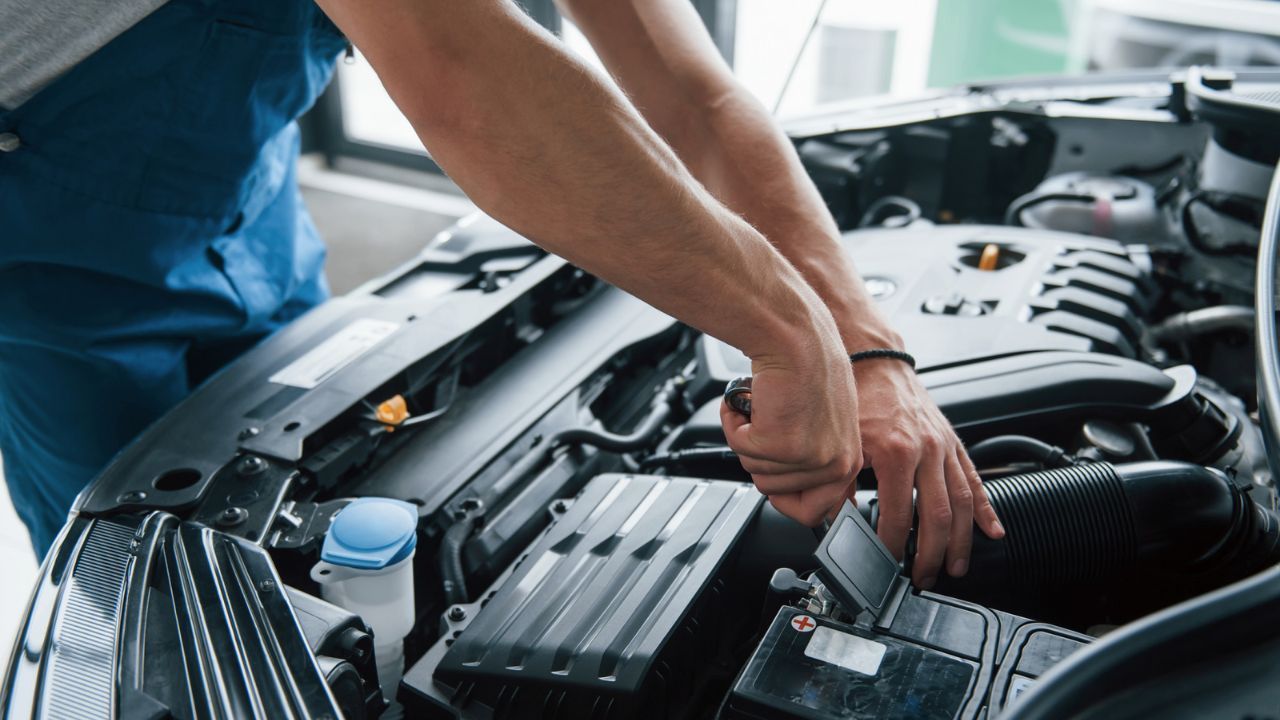
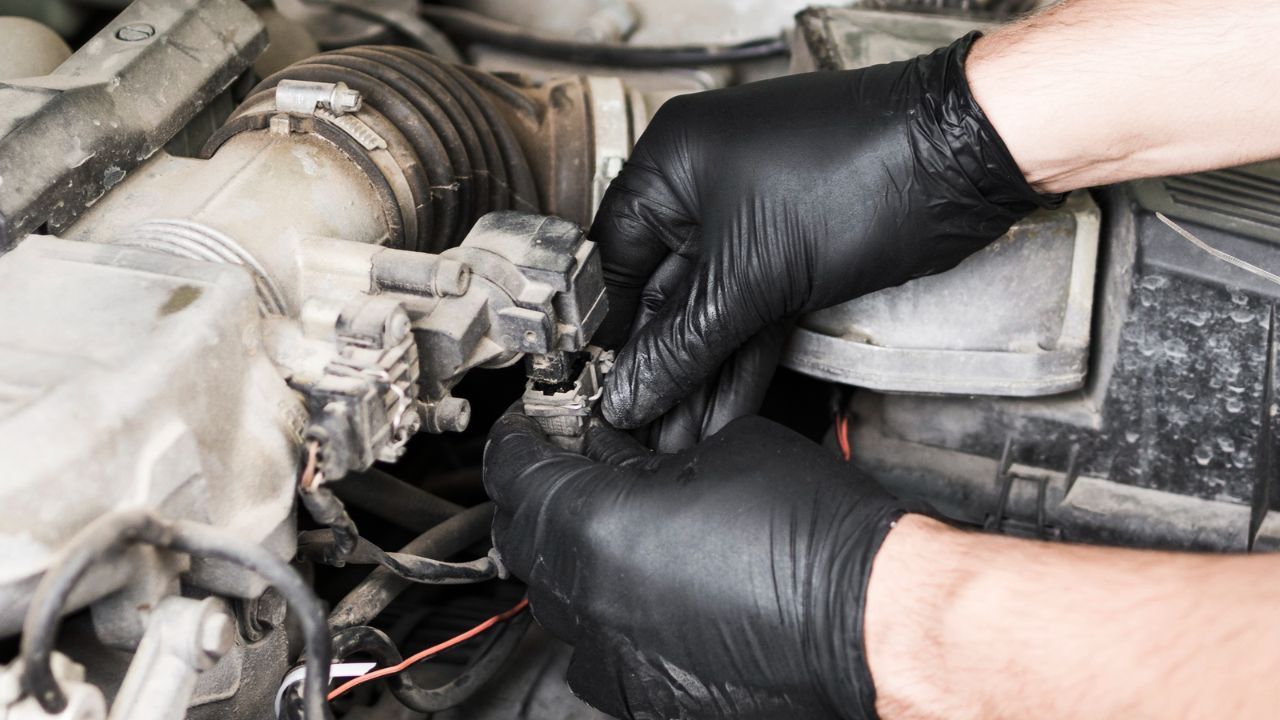
Most engine air filters sit under the hood. Look for a black plastic box linked to a large intake tube that is held in place by clips, screws, or tabs.
The cabin filter often sits behind the glove box. Some vehicles place it below the dashboard or beneath a panel near the windshield. The owner’s manual can show the exact spot.
This location difference also changes the work needed for replacement. An engine filter may take only a few minutes to reach. A cabin filter can be more awkward because trim pieces or the glove box may block it.
3. They Filter Different Types of Debris
The engine filter handles debris pulled in from outside. This may include sand, road grit, leaves, dust, and small insects. Its main job is to keep rough matter away from sensitive engine parts.
The cabin filter focuses more on air quality and comfort. It may catch pollen, fine dust, soot, mold spores, and other airborne particles. Some premium filters include activated carbon to help control certain smells.
4. A Dirty Engine Filter Affects Performance
A clogged engine filter can limit the air reaching the engine. The vehicle may feel slow when you press the gas. In some cases, you may also notice rough running, unusual engine sounds, or lower fuel economy.
Common signs of a dirty engine air filter include:
- Sluggish acceleration
- A filter covered in thick dirt
- Lower fuel economy
- Rough or uneven engine operation
- Unusual intake or engine sounds
- Black exhaust smoke in severe cases
These signs can have other causes too. A weak engine does not prove that the filter is bad but a proper inspection can rule out fuel, ignition, or sensor faults.
5. A Dirty Cabin Filter Affects Comfort
A clogged cabin filter usually will not reduce engine power. Instead, it makes the heating and cooling system work harder to move air. You may turn the fan to its top setting yet feel only a weak breeze.
A musty smell is another common clue. Leaves and moisture can collect near the filter housing. That damp mix can smell like an old gym bag once the fan starts.
Watch for these cabin filter warning signs:
- Weak air from the vents
- A stale or musty smell
- More dust on the dashboard
- A faint whistle from the vents
- Poor windshield defogging
- More allergy discomfort while driving
A weak vent does not always mean the cabin filter is clogged. A blower motor, blocked vent, or A/C fault may cause similar trouble. If a new filter does not restore the airflow, the system needs a closer check.
6. Their Replacement Times May Differ
There is no single filter schedule that fits every car. Vehicle makers set different intervals based on design, model, and expected use. Your owner’s manual should be the first source you check.
Some manufacturers suggest checking or changing an engine filter near 12,000 to 30,000 miles. Cabin filter guidance often falls near 15,000 to 30,000 miles. These ranges vary, so they should not replace the schedule made for your car.
7. Their Replacement Steps Are Not the Same
Replacing an engine filter often starts with opening the hood. You release the air-box clips or screws, lift the old filter out, and clean loose debris from the housing. The new filter must sit flat so unfiltered air cannot slip around its edge.
Cabin filter work often begins inside the car. The glove box may need to swing down or come out. The new filter must also face the right way, based on the airflow arrow printed on its frame.
A small mistake can cause a big headache and a loose engine air-box lid may let dirty air bypass the filter. A backward or crushed cabin filter may restrict airflow and make the vents noisy.
Air Filter vs Cabin Air Filter: Quick Comparison
Before exploring each point, it helps to see the basic split. This table shows what each filter does and why it matters.
Feature: Main purpose
Engine Air Filter: Protects the engine
Cabin Air Filter: Cleans cabin air
Feature: Common location
Engine Air Filter: Inside an air box under the hood
Cabin Air Filter: Behind the glove box or dashboard
Feature: Airflow destination
Engine Air Filter: Engine intake
Cabin Air Filter: Heating and A/C vents
Feature: Common warning signs
Engine Air Filter: Weak power or poor fuel use
Cabin Air Filter: Weak vent flow or musty smells
Feature: Main contaminants
Engine Air Filter: Road dust, grit, leaves, and insects
Cabin Air Filter: Pollen, dust, soot, and odors
Feature: Effect when clogged
Engine Air Filter: Can restrict engine airflow
Cabin Air Filter: Can reduce HVAC airflow
Feature: Typical service method
Engine Air Filter: Open the engine air box
Cabin Air Filter: Remove a glove box or access panel
How to Check Each Filter Safely
You do not need to be a skilled mechanic to make a basic visual check. Still, use the owner’s manual before opening any housing. Vehicle designs differ, and small plastic tabs can snap if forced.
For the engine air filter:
- Park on a level surface and turn off the engine.
- Open the hood and find the air-filter housing.
- Release its clips or screws with care.
- Note how the old filter sits before lifting it.
- Look for heavy dirt, torn pleats, or a poor seal.
- Install the correct filter and close the lid fully.
For the cabin air filter:
- Read the manual to find its access point.
- Empty the glove box if it blocks the filter.
- Remove the cover without bending its tabs.
- Note the airflow arrow on the old filter.
- Clear loose leaves from the filter area.
- Install the new part in the correct direction.
Never bang a disposable paper filter clean and put it back as that can damage its fine fibers. It may look better while filtering far less well.
Choosing the Right Replacement Filter
A filter must fit your exact vehicle. Search by year, make, model, engine size, and trim when needed. Two cars with the same model name may still use different filters.
Price alone should not guide the choice. A cheap filter with a weak seal may allow dirt around its edges. One that is too dense could also restrict air if it does not match the system.
Check these details before buying:
- Exact vehicle fit
- Correct size and shape
- Filter media type
- Airflow direction marks
- Frame strength and seal quality
- Vehicle maker requirements
Drivers with seasonal allergies may prefer a cabin filter built for fine particles. A carbon filter may also help with some odors. But it cannot repair mold, leaks, or dirt elsewhere in the HVAC system.
When Professional Service Makes Sense