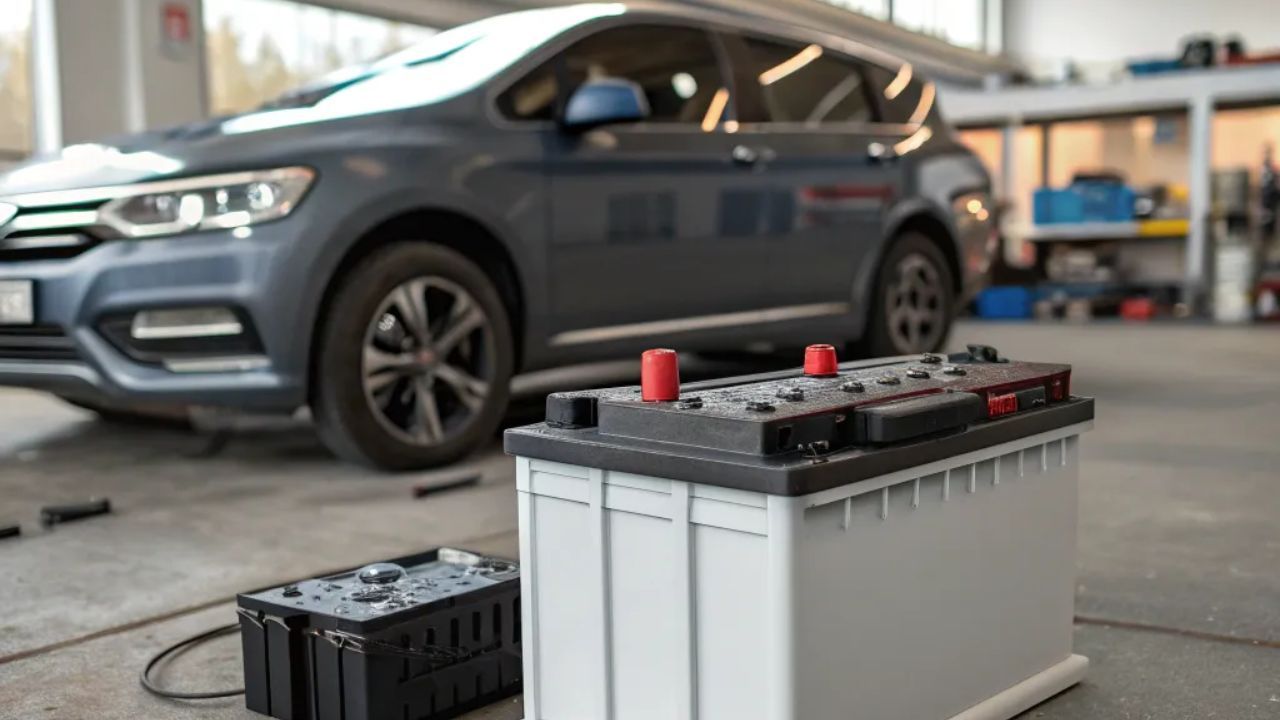
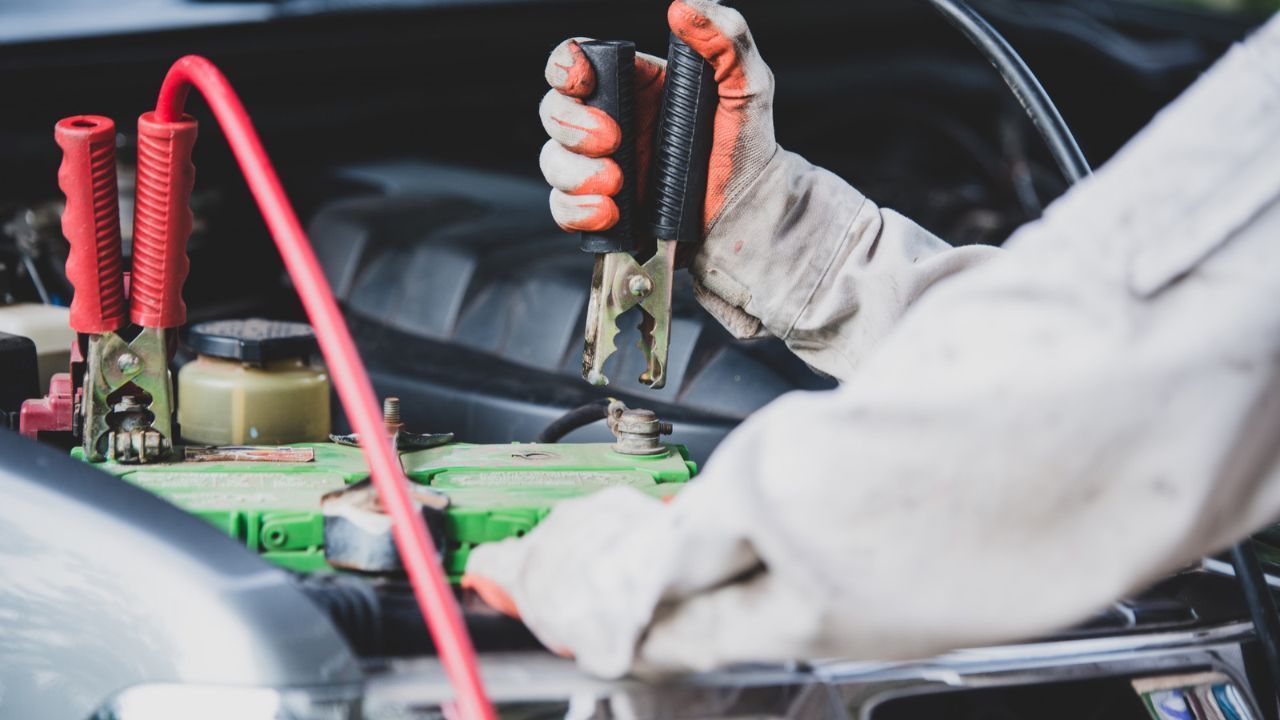
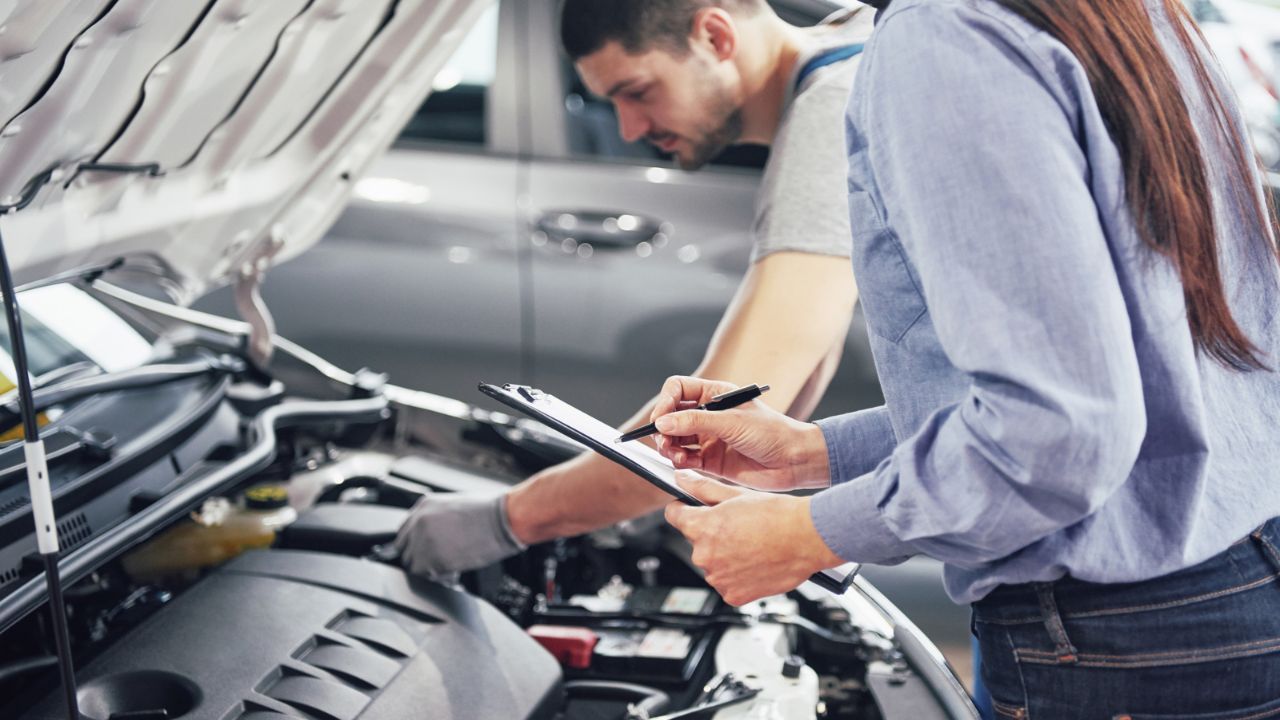
Battery testing shows if you're ready for winter. We check voltage, reserve capacity, and cold cranking amps.
Cold cranking amps tell us how well your battery works in cold weather. Weak results mean trouble on freezing mornings. Test early in the season.
Professional testing gives you accurate results and peace of mind.
Drive Regularly
Short trips in winter don't fully recharge your battery. Try to drive longer distances regularly.
Cold starts use more power than warm weather starts. If you rarely drive, your battery stays undercharged. Regular driving keeps your battery charged and healthy.
Turn Off Electronics Before Shutting Down
Electronics drain power even after you turn off the engine. Always turn off electrical systems before you shut down.
Turn off:
- Headlights
- Cabin heaters
- Infotainment systems
- Phone chargers
This saves battery power for your next cold start.
Park Smart
Where you park affects battery temperature overnight. Park in a garage when you can.
Covered parking protects your battery from freezing air and wind. Even parking near a building helps. Warmer surroundings help your battery work better.
Use Battery Insulation in Very Cold Areas
Battery insulation keeps heat around your battery. Use only approved insulation kits for your vehicle.
Good insulation protects against cold air without causing overheating. This extra protection helps in harsh regions. Insulated batteries hold their charge better overnight.
Check Your Charging System
Your alternator keeps your battery powered and ready. We inspect its output, belts, and all electrical connections to ensure everything works properly.
A weak alternator cannot fully recharge the battery. Cold weather puts extra strain on the charging system. Regular inspections help maintain steady power throughout winter.
Limit Accessories on Short Trips
Most vehicles can support winter accessories during longer drives. Problems often appear during short trips, especially in older models or cars with aging batteries.
Winter accessories draw significant power. Use them carefully when driving short distances.
High-drain items include:
- Heated seats
- Rear defrosters
- High fan speeds
Smart use during brief drives helps protect battery reserves and ensures reliable starts in cold weather.
Replace Weak Batteries Early
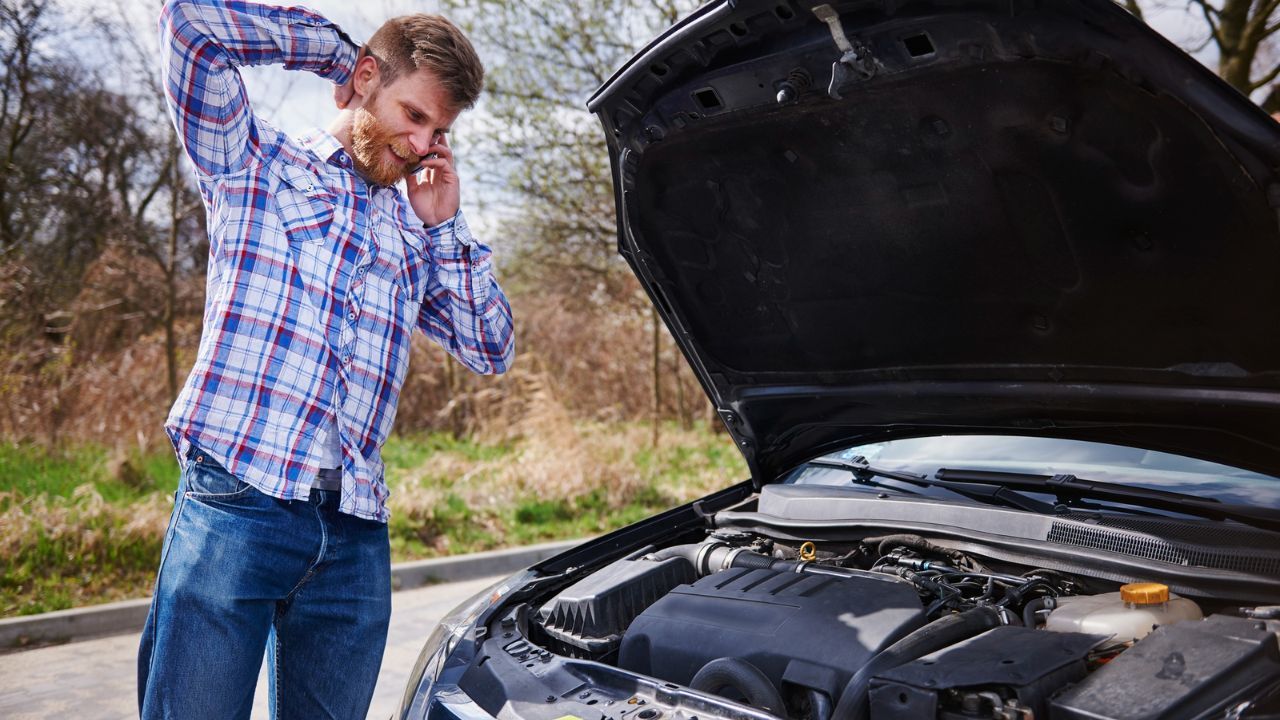
Winter reveals battery problems fast. If your battery cranks slowly, replace it before peak cold arrives.
Early replacement prevents emergency breakdowns in freezing weather. New batteries deliver strong power during cold starts. You'll have peace of mind all winter.
Watch for Warning Signs
Monitor your battery throughout the entire season. Catch problems early.
Watch for:
- Slow engine cranking
- Dim headlights
- Dashboard battery warnings
Quick action saves money and hassle.
Expert Battery Testing
A good battery keeps your vehicle running smoothly year-round. This matters especially during Baltimore's changing seasons.Hamilton Tire and Car Care Center provides complete battery service. Our advanced equipment measures voltage, cold cranking amps, and battery health.
If your vehicle starts slowly or shows warnings, get it tested. We service all makes and models. We give honest recommendations. Our technicians check terminals, cables, and charging systems carefully. Every service focuses on reliable starts and steady performance. Schedule an appointment for quick, convenient service.
Protect Stored Vehicles
Stored vehicles lose battery charges faster in the winter. Use a maintenance charger for long storage periods.
These chargers keep your battery at the right charge level. They won't overload it. Proper storage protects your battery effectively. Your vehicle will start when you need it again.
Follow Regular Maintenance
Seasonal maintenance prevents winter battery problems. We follow the manufacturer's recommended schedule.
Routine service extends battery life and keeps your electrical system stable. Skipping maintenance increases your risk of winter failure. Stay consistent for reliable cold weather performance.
Final Checklist
Taking care of your battery in winter is easy. Just follow these steps:
- Check your battery and clean the connections
- Test your battery and charging system early
- Park in a garage or covered area when possible
- Watch for slow starts or dim lights
- Act quickly when you notice problems
Cars that get proper care work better and start easier in winter.
Hamilton Tire Baltimore Auto Services
Hamilton Tire delivers trusted auto services in Baltimore. We offer complete auto repair and tire services.
We provide expert battery testing, diagnostics, and replacements. Our team helps drivers stay safe, confident, and mobile all winter long.
Frequently Asked Questions (FAQs)
1. Why does my car battery struggle more in cold weather?
Cold weather slows the chemical reactions inside the battery. This reduces power while the engine needs more energy to start. That is why batteries often fail during winter months.
2. How often should I inspect my car battery in winter?
The car’s battery should be checked before winter begins. It is also helpful to inspect it once during the cold season. Regular checks help catch problems early.
3. What are signs that my battery may fail soon?
Slow engine cranking is a common warning sign. Dim headlights and dashboard battery lights also indicate trouble. These signs mean the battery needs attention soon.
4. Can I clean battery terminals myself safely?
Light corrosion can be cleaned carefully with proper tools. If corrosion is heavy or connections feel loose, caution is needed. In those cases,professional help is the safer option.
5. When should I get professional battery testing?
Testing is best done before cold weather arrives. It is also recommended if your car starts slowly or shows warnings. Professional testing helps ensure accurate results and reliable starts.