Warning Signs of Low Brake Fluid You Should Never Ignore

jkram200 • December 29, 2025

Warning Signs of Low Brake Fluid You Should Never Ignore


Brake fluid plays a critical role in your vehicle’s safety system. It transfers force from the brake pedal to the wheels, allowing your car to slow down or stop effectively.


This helps keep your breaks reliable, especially during Baltimore’s changing seasons because the cold increases fluid use. Temperature shifts and moisture exposure place added stress on brake fluid, making regular checks essential for safe, consistent stopping power.


When fluid levels drop, braking performance weakens, risks increase, and control diminishes. We outline the signs of low brake fluid every driver must recognize to avoid costly damage and dangerous situations.

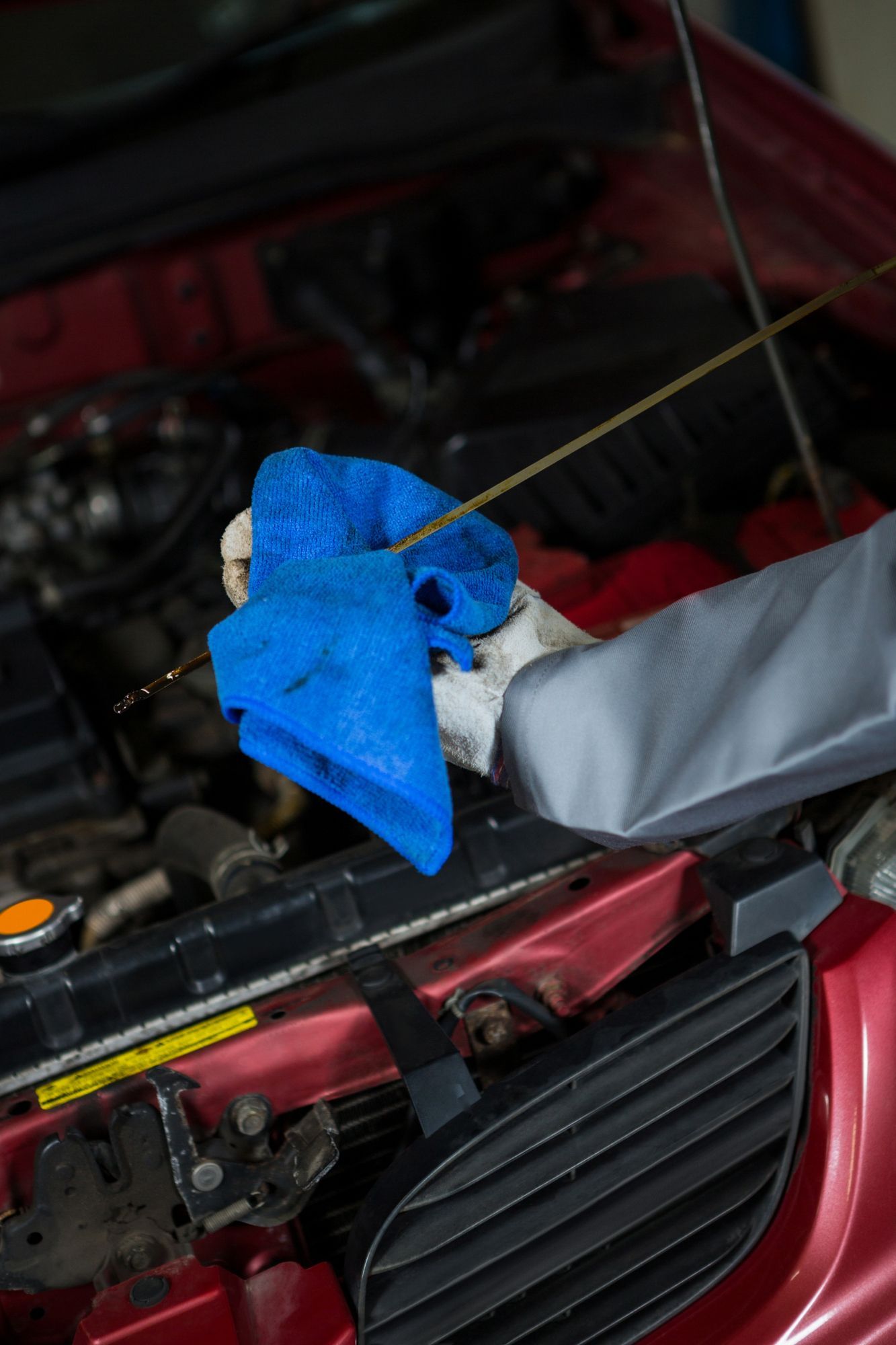
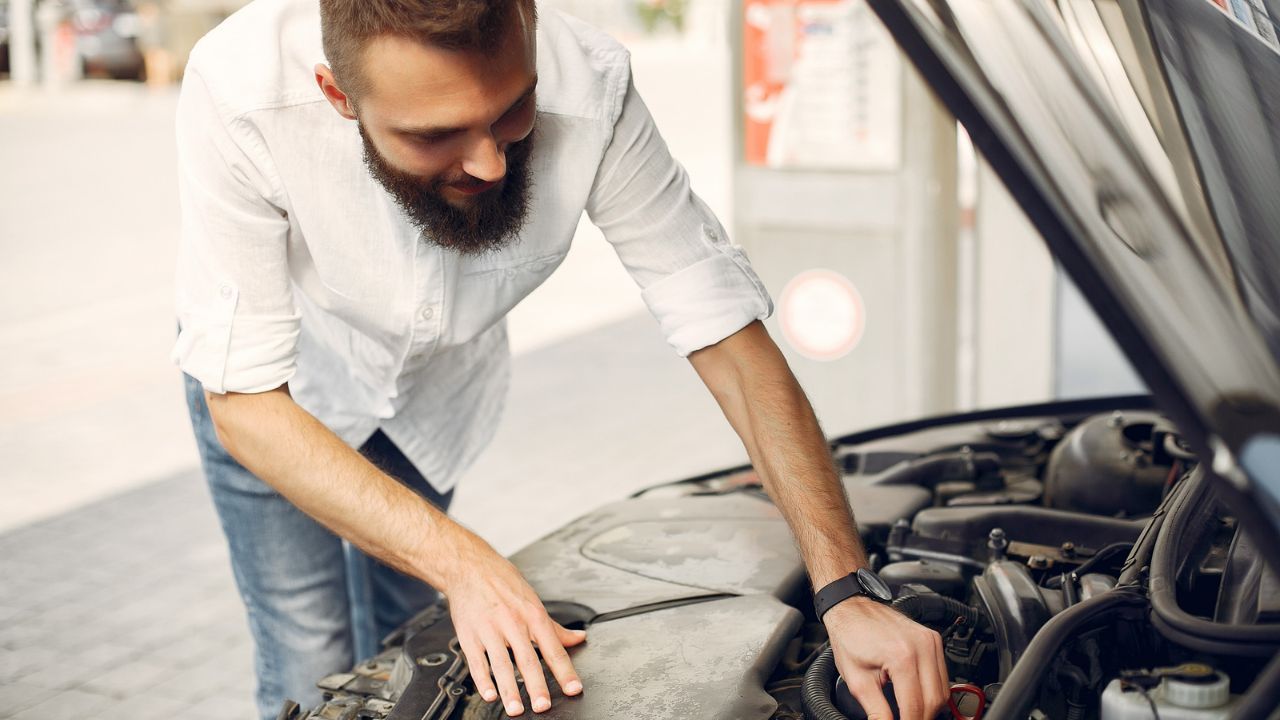
Automotive professional inspecting the engine oil level using a dipstick during routine vehicle maintenance

Brake Warning Light Turns On


The brake warning light is usually the first sign of trouble. This light alerts you when fluid levels fall too low or when pressure drops in your braking system.

Never ignore this light. It often means reduced hydraulic pressure. This directly affects your ability to stop. Even if your brakes feel normal, the warning means something is wrong. Get it checked right away.


Soft or Spongy Brake Pedal


A brake pedal that feels soft or spongy or sinks to the floor is a serious warning. This means you don't have enough brake fluid pressure. Air may be getting into the brake lines.

Low fluid stops proper force from moving through the system. The pedal loses firmness. It doesn't respond as well. This is one of the most dangerous signs. It increases your stopping distance and makes driving unsafe.


Longer Stopping Distances


When brake fluid is low, your car needs more distance to stop completely. This delay seems small at first. But it becomes more obvious during sudden stops or highway driving.

Extended stopping distance happens because of weak hydraulic pressure. Even slight delays can cause accidents. This is especially dangerous in traffic or emergencies.


Brake Pedal Goes Lower Than Normal


If your brake pedal travels lower than usual before it works, your fluid levels may be dropping. The system can't build enough pressure. This forces the pedal closer to the floor.

This problem usually gets worse over time. A pedal that keeps dropping means your fluid levels are critically low. You may have a leak.


Visible Leaks Under Your Vehicle


Brake fluid leaks are one of the clearest warning signs. Look for puddles or wet spots near the wheels or under the engine. These may indicate leaking brake lines, calipers, or master cylinder problems.

Brake fluid looks clear to light yellow. It feels slippery. Any visible leak is urgent. Fluid loss damages your entire braking system.


Unusual Brake Response While Driving


Low brake fluid can cause inconsistent braking. You may notice a delayed response or uneven braking. Your brakes may not work as well when you press the pedal.

These problems often get worse during downhill driving or sudden stops. Inconsistent brake response means your hydraulic balance is failing.


Grinding or Squealing Sounds


Brake noise usually means worn brake pads. But low brake fluid can also cause abnormal sounds. When fluid is low, calipers don't work properly. This leads to uneven pad contact.

Persistent grinding or squealing needs prompt inspection. These noises often mean deeper braking system problems.


Burning Smell After Driving


A burning small after driving can be another warning sign. Low brake fluid may cause breaks to overheat. This happens due to increased friction and reduced hydraulic efficiency.

Overheating speeds up wear. It increases the risk of brake failure. Any unusual smell means you need immediate inspection.


Fluid Level Below the Minimum Mark


Check the brake fluid reservoir regularly to ensure safe braking performance. Brake fluid does not evaporate under normal conditions, so a drop in level often signals a leak or excessive wear in brake components. Both issues require prompt professional evaluation to maintain reliable stopping power.


Reduced Braking Power in Bad Weather


Low brake fluid problems often show up in tough conditions. Cold weather thickens fluid. Wet roads need stronger braking force.

When fluid levels are low, the system struggles. Reduced braking power during rain or cold is a strong sign of low hydraulic pressure.


ABS System Problems


Modern vehicles use brake fluid to support the anti-lock braking system. Low fluid levels can trigger ABS warnings. The system may activate unpredictably.

Unexpected ABS engagement reduces smooth braking control. It may signal deeper hydraulic problems. This requires service immediately.


Why Ignoring Low Brake Fluid Is Dangerous


Ignoring low brake fluid increases the risk of total brake failure. Even minor fluid loss can get worse quickly. You could lose stopping power without warning.

Brake systems need precision and balance. Any problem hurts safety. It increases repair costs. It puts you and your passengers at risk.


When to Get a Professional Inspection
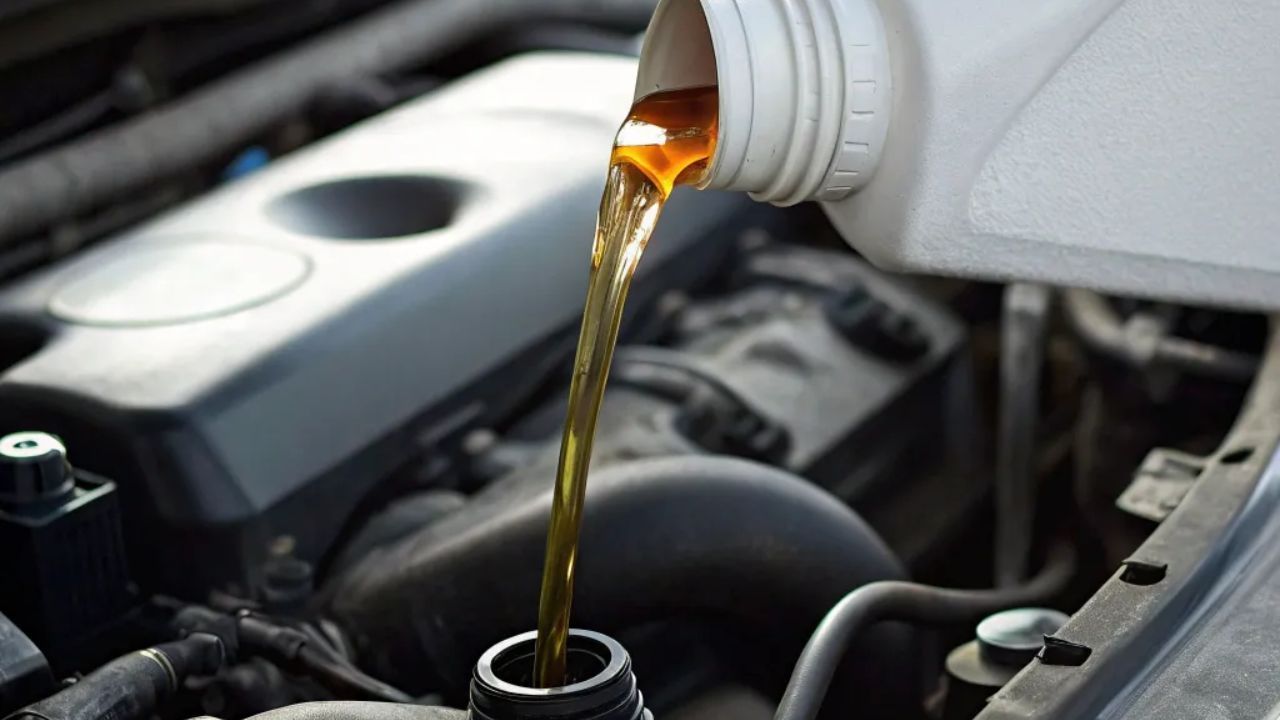
Professional carefully pouring fluid into a car’s brake fluid reservoir during vehicle maintenance

Get a professional inspection done with our ASE-certified technicians following manufacturer guidelines to measure fluid levels, check for leaks, and assess overall brake system health. 

We provide clear explanations and honest recommendations, helping prevent small issues from becoming major failures. Early detection ensures your reeks stay reliable and you are safe on Baltimore’s roads.


Preventive Maintenance Tips


Consistent maintenance reduces fluid-related problems. Get regular brake inspections and fluid level checks. Replace worn parts on time to protect the system.

Use brake fluid that meets manufacturer specifications. Use the correct type. Maintain proper levels. This ensures consistent performance in all driving conditions.


Final Thoughts on Brake Safety


Recognizing low brake fluid warning signs is essential for safe driving. From warning lights to pedal changes, every symptom tells you about your braking system's condition.

At Hamilton Tire and Car Care Center, you get the best and most comprehensive fluid level inspection checks for brake fluid and other critical fluids. This helps keep every system protected.

Professional inspection and preventive care Keep your vehicle responsive and safe. Reliable brakes aren't optional. They're essential for every journey.


Frequently Asked Questions (FAQs)


1. How often should brake fluid be checked?
Brake fluid should be checked with a proper routine, every year at least once. It should also be inspected by the
professionals immediately if you notice warning lights, a soft pedal feel, or reduced braking performance.


2. Can I drive with low brake fluid?
No, you shouldn’t drive with low brake fluid. If you’re facing reduced fluid levels, it’ll eventually weaken braking power, increase stopping distance, and raise the risk of brake failure. Immediate inspection is strongly recommended.


3. What causes brake fluid levels to drop?
You may face low brake fluid levels that usually drop due to leaks, worn brake pads, or failing components like calipers or the master cylinder. Brake fluid does not evaporate under normal conditions.


4. Does cold or wet weather affect brake fluid performance?
Yes, cold temperatures can thicken brake fluid, and wet conditions demand stronger braking. Low fluid levels often cause noticeable braking problems during bad weather, making yearly inspections especially necessary. 

are-auto-repairs-tax-deductible
By jkram200 December 29, 2025
Find out when auto repairs are tax deductible and when they are not. Learn IRS rules, business-use exceptions, and smart tax tips for U.S. vehicle owners.
car-battery-cold-weather-care
By jkram200 December 29, 2025
Learn how to protect your car battery during cold weather. Get expert winter battery care tips, testing, and trusted battery service in Baltimore from Hamilton Tire.
Car engine with a battery tester connected. A vehicle is inside a garage.
By Neal Erickson August 27, 2025
Learn the top reasons your check engine light turns on and the simple steps to take before you panic.
Car brake disc and caliper, close-up view in a mechanic's garage.
By Neal Erickson August 26, 2025
Squeal, pulsation, or a longer stopping distance? Here’s how to spot whether pads or rotors are the culprit.
Pouring motor oil into a car engine with the hood open on a street.
By Neal Erickson August 25, 2025
Weigh the pros and cons of synthetic and conventional oil—especially if your odometer is past 100,000 miles.
Car raised on a lift in a repair shop; front wheel removed, red shock absorber visible.
By Neal Erickson August 24, 2025
Front‑to‑back or cross‑pattern? Use the right rotation to maximize tread life and handling.
Yellow and white VW camper van parked on a dirt road in front of a mountainous landscape.
By Neal Erickson August 23, 2025
Before temps drop, check these items to avoid no‑starts and safety issues when the weather turns.