How to Jump Start a Car Safely: Simple Guide Without Damage

jkram200 • March 8, 2026

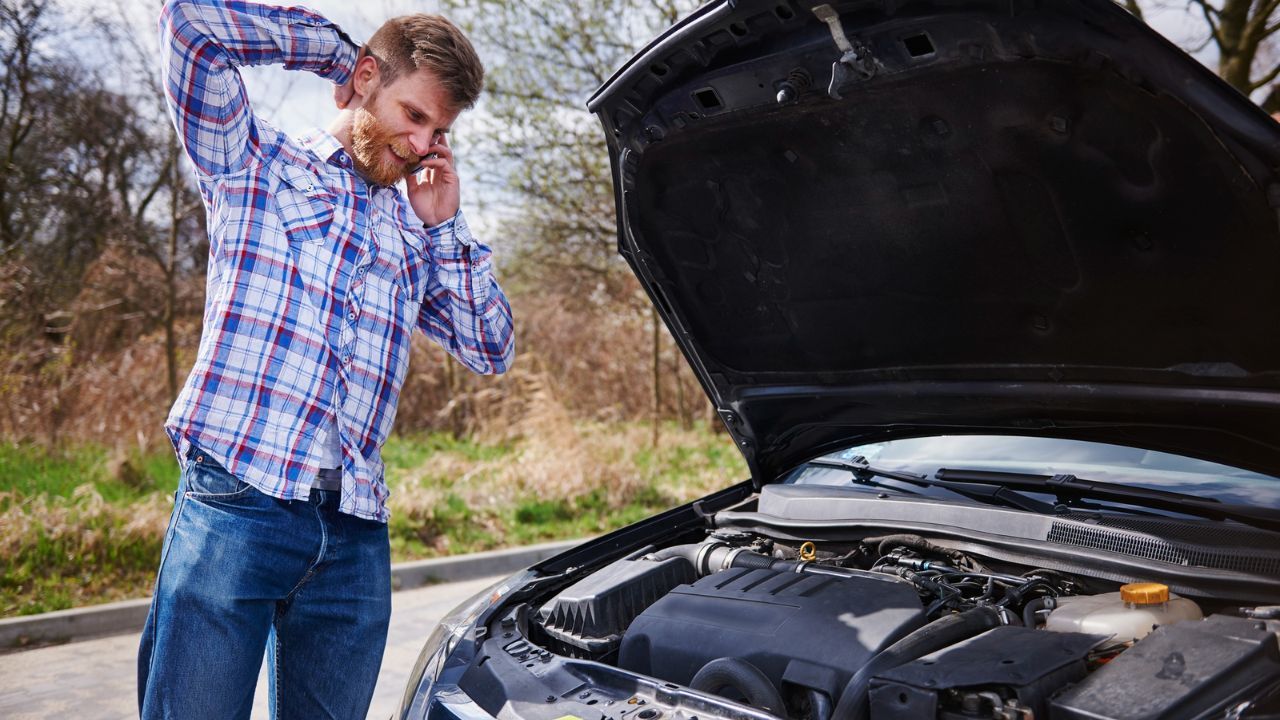
Have you ever been in a situation where your car’s battery just went dead, and you didn’t know how to start your car? If yes, then this blog is just right for you.


You can safely restart a dead battery by connecting jumper cables in the correct order, grounding properly, and matching 12-volt systems before you begin.


A dead battery feels stressful when you turn the key, click, and maybe the lights flicker, or maybe nothing happens at all. And this often strikes at the worst time, like early morning, late night, or when the rain is falling. But most of the time, the fix is simple and safe if you follow the right process.


Why Doing It Correctly Matters

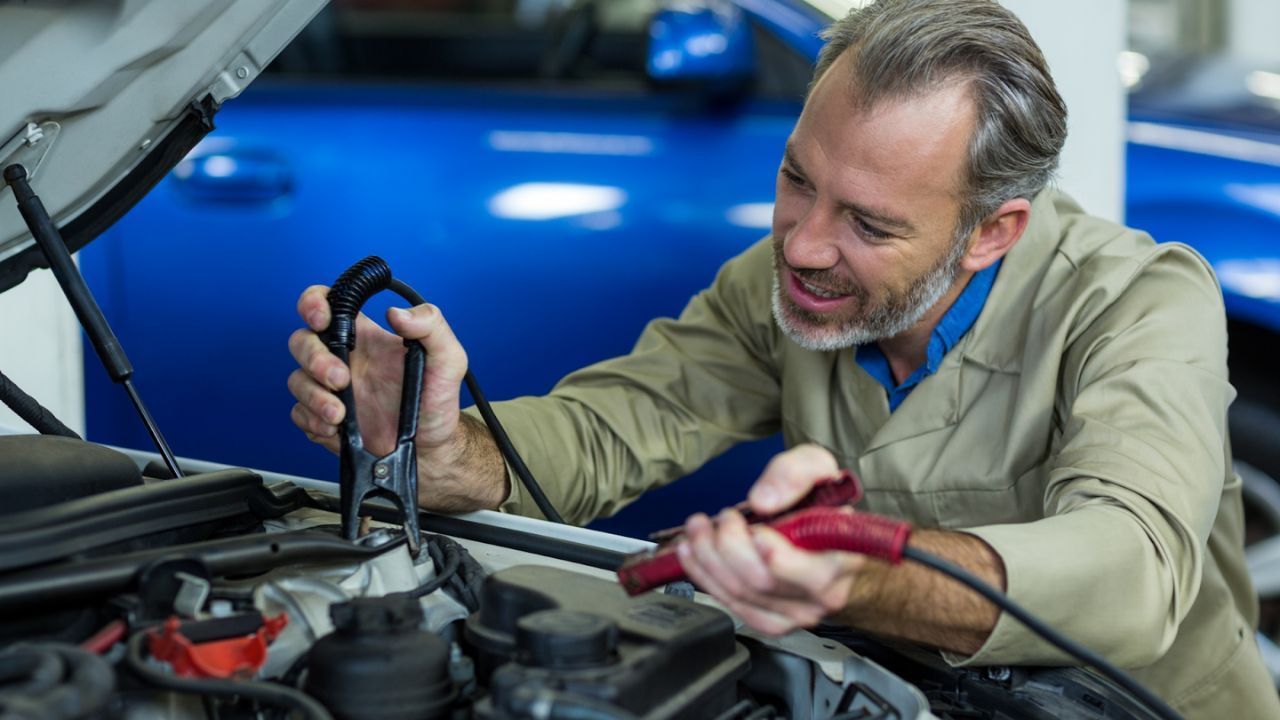
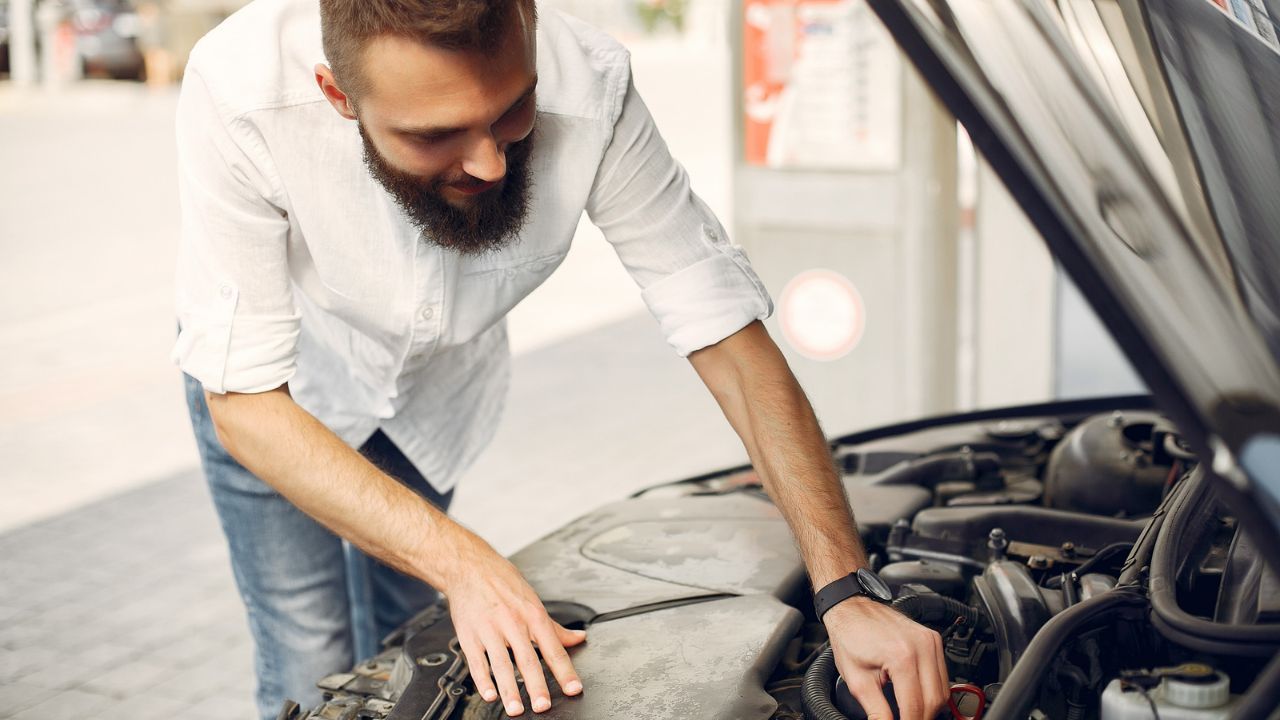
Mechanic using jumper cables to connect a car battery inside an open engine bay

A car battery looks harmless, but it is not, as it stores strong electrical power. Modern cars also have sensitive electronics, sensors, and control modules. One wrong connection can cause real damage.


Mistakes can lead to:

  • Blown fuses
  • Damaged alternator
  • Fried control modules
  • Sparks near the battery gas


Batteries release hydrogen gas, and a spark in the wrong place can ignite it. That is why grounding away from the battery is critical.

Learning how to jump start a car is not just about getting it running. It is about doing it safely.


Pre-Jump Checklist: Do This First


Before you connect anything, pause and first see what all do you need to jump start your car and whether you have them with you. This step prevents most problems.


1. Confirm It Is the Battery


First, confirm if it really is the battery that’s not allowing the car to start. Signs of a weak or dead battery:

  • Clicking sound when turning the key
  • Dim dashboard lights
  • Slow engine crank
  • No interior power

If the engine cranks strongly but will not start, the problem may not be the battery.


2. Check Battery Voltage Compatibility


This is very important. 


Most passenger cars use a 12-volt system. Make sure both vehicles are 12V. Never jump a 6V system with 12V power. Never jump a heavy-duty 24V truck system with a standard car. 

Voltage must match on both vehicles.


3. Inspect for Damage


A may not start due to damage as well. Do not jump-start if:

  • The battery case is cracked
  • The battery is leaking
  • The battery is swollen
  • The battery appears frozen


4. Clean Corrosion Before Connecting


Look at the terminals to check if there’s white or green crust. If there is, probably corrosion that can block the current.

If possible:


  • Use a brush or cloth to clean terminals
  • Make sure connections are tight
  • Remove loose debris

Clean metal helps power transfer smoothly.


Use the Right Jumper Cables


Not all cables are equal; it’s important to use the right jumper cables. For safe and effective jumping:

  • Length: 10 to 20 feet
  • Gauge: 4 to 6 gauge (lower number means thicker cable)


Thicker cables transfer power better and stay cooler. Thin bargain cables struggle, especially in cold weather. While good cables could be a bit expensive, they are an investment and can save you on a freezing night.


How to Jump Start a Car Step by Step


Now let’s begin the actual process.


Park the vehicles close enough for cables to reach. Make sure they do not touch. Turn off both engines and set the parking brakes.

Follow this exact order.


  1. Attach the red clamp to the dead battery’s positive terminal.
  2. Attach the other red clamp to the good battery’s positive terminal.
  3. Attach the black clamp to the good battery’s negative terminal.
  4. Attach the final black clamp to an unpainted metal surface on the dead car’s engine block or frame. Not the battery.


That last step reduces spark risk.

Now:

  • Start the working vehicle
  • Let it run 2 to 3 minutes
  • Try starting the dead vehicle


If it starts, let both cars run for several minutes.


When disconnecting, reverse the order:

  • Remove the black clamp from the metal surface
  • Remove the black clamp from the good battery
  • Remove the red clamp from the good battery
  • Remove the red clamp from the revived battery

Keep clamps from touching each other.


How to Jump Start Without Another Car


What if no one is around? Exactly! There may be times when your car just stops in the middle of nowhere. If that happens, you have two main options.


Option 1: Portable Jump Starter

A portable booster pack is simple and safe.

Benefits:

  • No second vehicle needed
  • Compact and easy to store
  • Fast setup

Connect red to positive, black to ground, then start the car. Follow the device manual carefully. These are great for solo drivers or long trips.


Option 2: Push or Bump Start (Manual Transmission Only)


This only works for manual cars.


Before you use this method, first check if the battery is completely dead. If there is zero power, this may not work.

Steps:

  • Turn the ignition to ON
  • Press clutch
  • Put the car in second gear
  • Have someone push the car
  • Release the clutch quickly once moving

The engine may start as the wheels turn the transmission. This does not work on automatic cars. Also, be cautious, and only attempt this in a safe, open space.


After the Car Starts

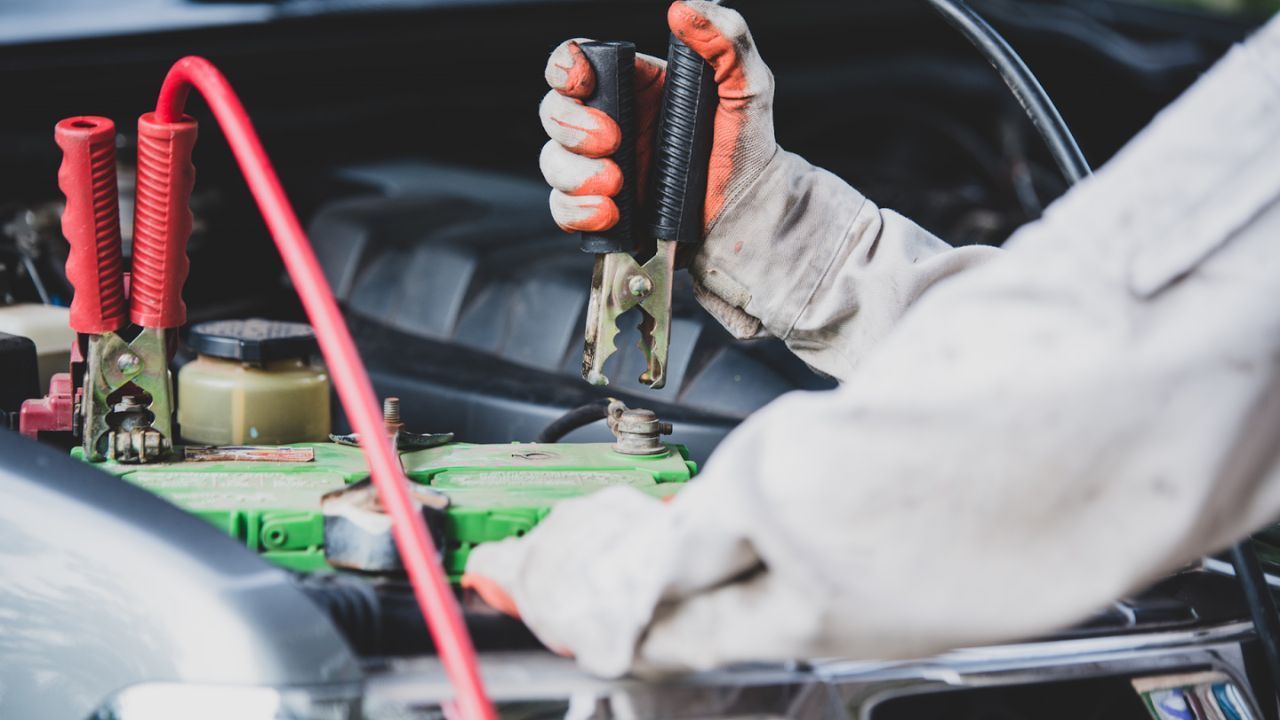
Close-up of gloved hands attaching jumper cable clamps to a car battery terminal under the hood

Now, what to do once you’ve started your car? Many people assume the problem is solved, but this doesn’t always happen. Driving helps recharge the battery, but idling alone is not enough.


After a jump:

  • Drive at least 20 to 30 minutes
  • Avoid turning the engine off too soon
  • Limit heavy electrical loads


If the battery dies again soon, replacement may be needed.


Routine checks help prevent repeat problems. Services like battery inspections offered by Hamilton Tire Car Care Centre can test both the battery and the charging system. It is always better to confirm from a professional than to guess.


Common Mistakes to Avoid


Even a simple jump start can go wrong if you rush or skip a step. Knowing the common mistakes ahead of time helps you avoid costly damage and keeps both you and your car safe.

These errors cause damage:

  • Connecting negative to negative on a dead battery
  • Letting clamps touch
  • Reversing polarity
  • Using thin, cheap cables
  • Jumping mismatched voltage systems

Take your time and move step by step, even if you feel rushed or stressed. The exact order of connections matters more than speed, because one small mistake can cause sparks, damage electronics, or leave you with a bigger problem than a dead battery.


Is This Safe for Beginners?


Jump starting a car is safe for beginners as long as you stay calm and follow the correct steps carefully. The process is straightforward, but attention to detail makes all the difference.


Before you begin:

  • Make sure you clearly understand the cable connection order
  • Are you using properly rated jumper cables
  • Have checked that the battery looks intact and undamaged


While the entire process is safe for beginners, it is important to double-check these basics to reduce any unforeseen risk. 


If you feel uncertain at any point, it is perfectly fine to call roadside assistance. Being cautious protects both you and your vehicle, and that is always the smarter choice.


When It Might Be Something Else


If the car stalls while driving, the alternator could be the issue. Jumping may start it briefly, but it will stall again.


Warning lights before failure are a clue. That is why proper diagnostics matter. Battery and charging checks offered by Hamilton Tire Car Care Centre can pinpoint the true cause instead of relying on trial and error.


Quick Safety Reminder


Whenever you’re trying to jump start a car, always make sure to keep the basics in mind. Only when you slow down and follow these core steps does the process stay simple, safe, and controlled. A dead battery may feel like a small crisis at the moment, but once you understand why each step matters, it becomes just another routine part of car ownership.


The next time you hear that quiet click instead of an engine starting, you will not feel stuck. You will lift the hood, connect the cables with confidence, and handle it calmly because you know exactly how to jump start a car the right way.

How Far Can You Drive on a Spare Tire Without Risk
By jkram200 March 8, 2026
Find out the safe distance for driving on a spare tire and avoid serious mistakes. Expert-backed advice to protect your car and wallet.
7 Smart Tips to Check Transmission Fluid
By jkram200 March 8, 2026
Learn 7 smart and safe ways to check your car’s transmission fluid level and quality. Avoid costly mistakes and protect your gearbox with simple steps.
transmission flush cost
By jkram200 February 20, 2026
Get clear insights into current transmission flush pricing. Learn what’s included, what raises the cost, and when it makes sense.
how-to-bleed-brakes-diy-guide
By jkram200 February 20, 2026
Ultimate 10-step DIY brake bleeding guide. Covers helper method vs vacuum, fluid handling, and when you need a shop.
best all season tires
By jkram200 February 20, 2026
Find the top all-season tires worth buying this year. Practical recommendations for everyday drivers who want grip, comfort & durability on all weather roads.
causes-of-gas-leak-in-car
By jkram200 February 16, 2026
From loose gas caps to fuel line damage, here are 9 shocking reasons your car may be leaking gas and how to spot them early.
car-jumps-when-accelerating-causes-fixes
By jkram200 February 14, 2026
Car jumping when accelerating? Discover 7 common causes like spark plugs, fuel delivery, sensors, and easy fixes to restore smooth driving.
10-steps-preparing-car-for-winter
By jkram200 February 13, 2026
Use this complete winter car checklist to avoid breakdowns. Prepare tires, battery, fluids, wipers, lights, and an emergency kit in 10 steps.
check-engine-light-codes-meaning
By jkram200 January 28, 2026
This guide explains common check engine light codes, possible causes, symptoms, and whether it’s safe to keep driving your car.
windshield-wiper-replacement-guide
By jkram200 January 28, 2026
Find out when windshield wiper replacement is needed, the warning signs to watch for, and how to replace blades correctly for clean wiping.
Show More