Transmission fluid is not just oil. It cools, lubricates, and helps shift gears smoothly. Without it, the transmission overheats fast. And a transmission repair bill? That can hit thousands of dollars.
Have you ever felt your car hesitate before shifting? Or jerk into gear? That’s often fluid-related.
Most people never check it until there’s a problem. And by then, damage may already be done. So the real question becomes, is it worth five minutes now to avoid a huge repair later?
Before You Start: Important Things to Know
Not all cars are the same. Some older vehicles have a transmission dipstick, but many newer cars don’t. They are sealed systems.
So first, check your owner’s manual. It will tell you:
- Whether your car has a dipstick
- What type of transmission fluid does it needs
- Whether the engine should be running during the check
Using the wrong fluid can cause real damage. For example, some vehicles need Dexron VI, others require Mercon V, and some use special CVT fluid. These are not interchangeable.
If you’re unsure, a trusted service shop like
Hamilton Tire Car Care Centre can guide you. They handle routine checks like this every day and can confirm specs for your exact vehicle.
Tip 1: Warm the Engine First
Transmission fluid expands when warm. Checking it cold can give you a false low reading.
To warm the engine, start your car and let it run for about 5 to 10 minutes. Take a short drive around the block if possible. Shift through all gears slowly, as this helps circulate the fluid.
Then park on level ground. Here, level ground matters more than most people think because a slight slope can throw off your reading.
Tip 2: Keep the Engine Running if Required
Many vehicles require the engine to stay running while checking the fluid, while others require it off. This is where the manual matters again.
Ask yourself, do I really know the correct method for my car? If not, double-check. A quick search or manual scan can save a mistake.
Put the car in park, and engage the parking brake. Always remember, safety first.
Tip 3: Locate and Clean the Dipstick Properly
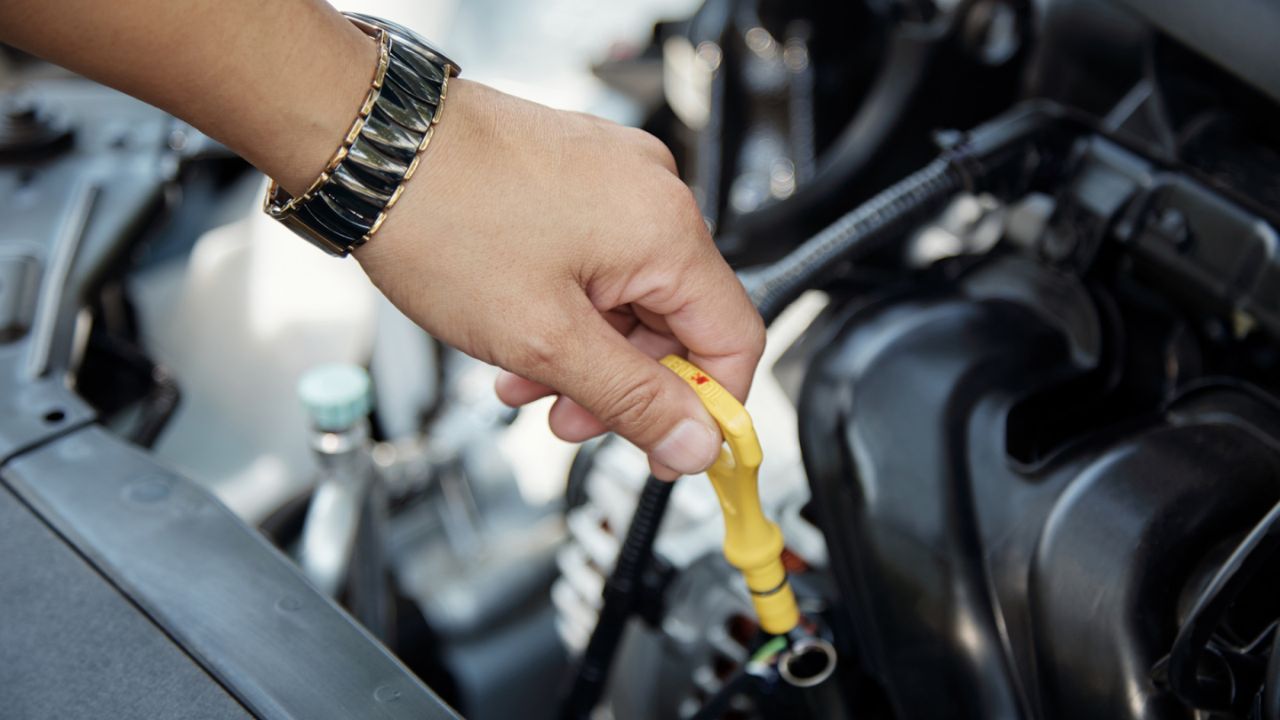
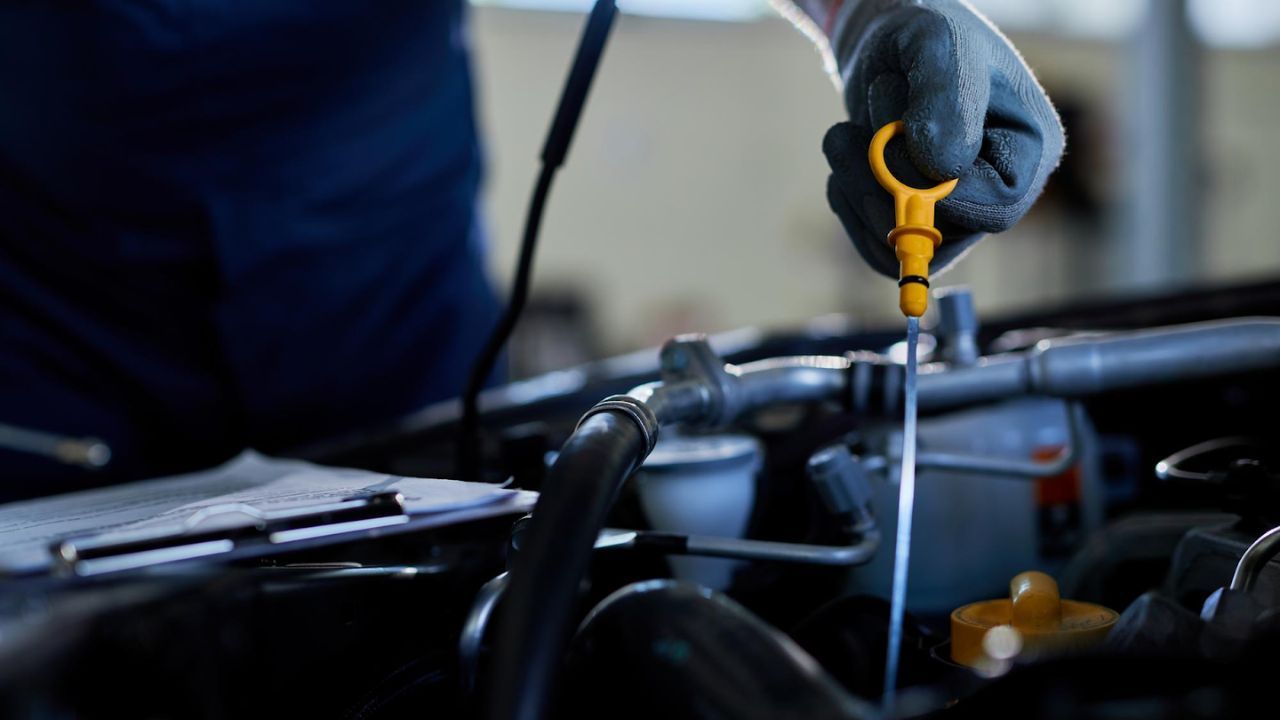
To find and clean the dipstick, open the hood and find the transmission dipstick. It is often red or yellow, and may say “Transmission” on it.
Pull it out carefully, and wipe it completely clean with a lint-free cloth. Don’t skip this step, because a dirty dipstick gives false readings.
Reinsert it fully, pull it out again, and now you’re ready to read it.
Tip 4: Read the Fluid Level Correctly
The dipstick will have markings. These markings will usually be “full,” “low,” or crosshatched lines. The transmission fluid should fall within the recommended range, not below, not above.
Too little fluid causes overheating, and too much fluid causes foaming. Foaming leads to poor lubrication.
If it’s slightly low, you can add small amounts slowly. Add, check, and repeat. Never dump in a full bottle at once.
It’s just like filling a glass, where you don’t pour fast at the end.
Tip 5: Check the Color and Smell
Level is only half the story. Healthy transmission fluid is usually:
- Bright red or pink
- Clear
- Slightly sweet-smelling
If it looks dark brown or black, that’s bad. And, if it smells burnt, that’s worse. A burnt smell often means overheating, which could signal internal wear.
If you find metal shavings on the dipstick, that's a red flag.
This is often the moment people ask, “Is this serious?” If you see burnt fluid, yes. It’s time to get it checked professionally.
Car centres like
Hamilton Tire Car Care Centre offer services that include
full inspections, which can catch early transmission issues before they grow.
Tip 6: Know When Your Car Has No Dipstick
Many modern vehicles have sealed transmissions. This means you won’t find any dipstick means no simple check.
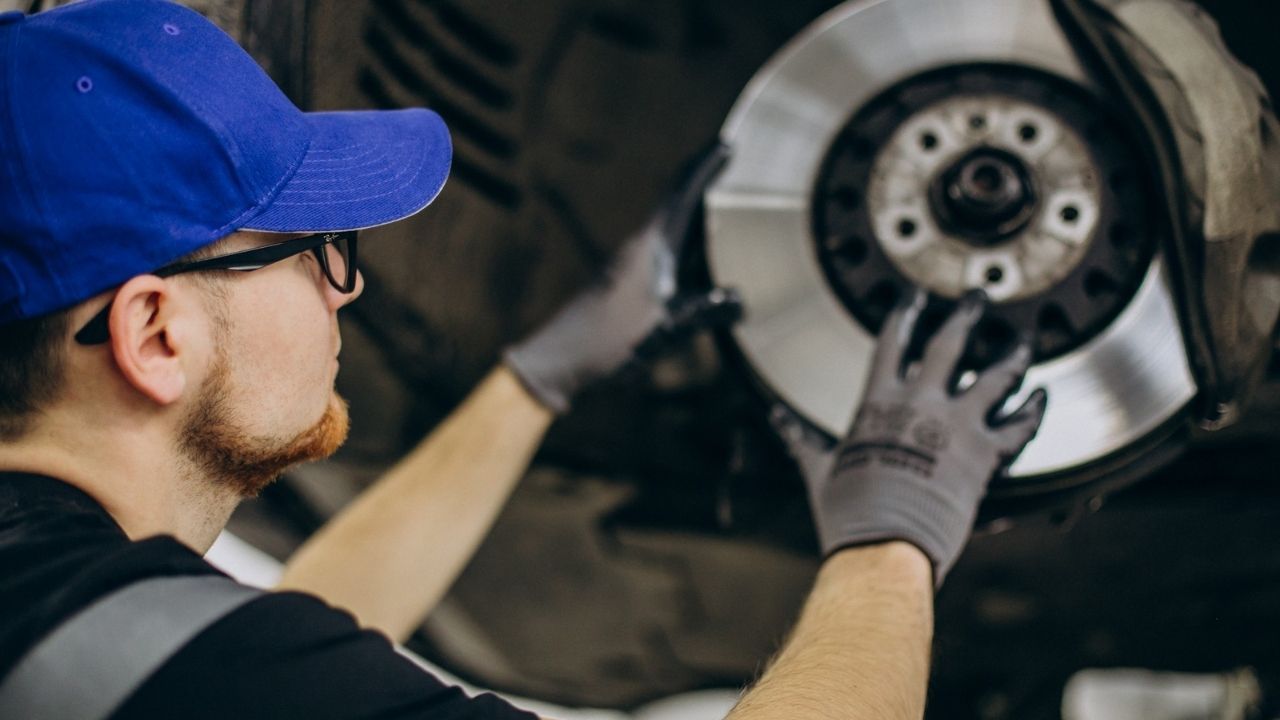
In these cases, the fluid level is checked from underneath the vehicle using a fill plug and a special procedure. It often requires lifting the car safely and monitoring the fluid temperature.
If your car is newer, especially a CVT or certain automatic models from brands like Toyota, Ford, or
Honda, chances are it may be sealed.
Before checking it yourself, check if you have the right tools. If not, it’s smarter to let a certified technician handle it.
Tip 7: Watch for Warning Signs Between Checks
Even if the fluid looks fine today, your car may still show symptoms.
Pay attention to:
- Delayed gear shifts
- Slipping gears
- Grinding sounds
- Dashboard warning lights
- Fluid leaks under the car
Transmission fluid leaks often appear reddish. If you see red puddles on your driveway, that’s not engine oil.
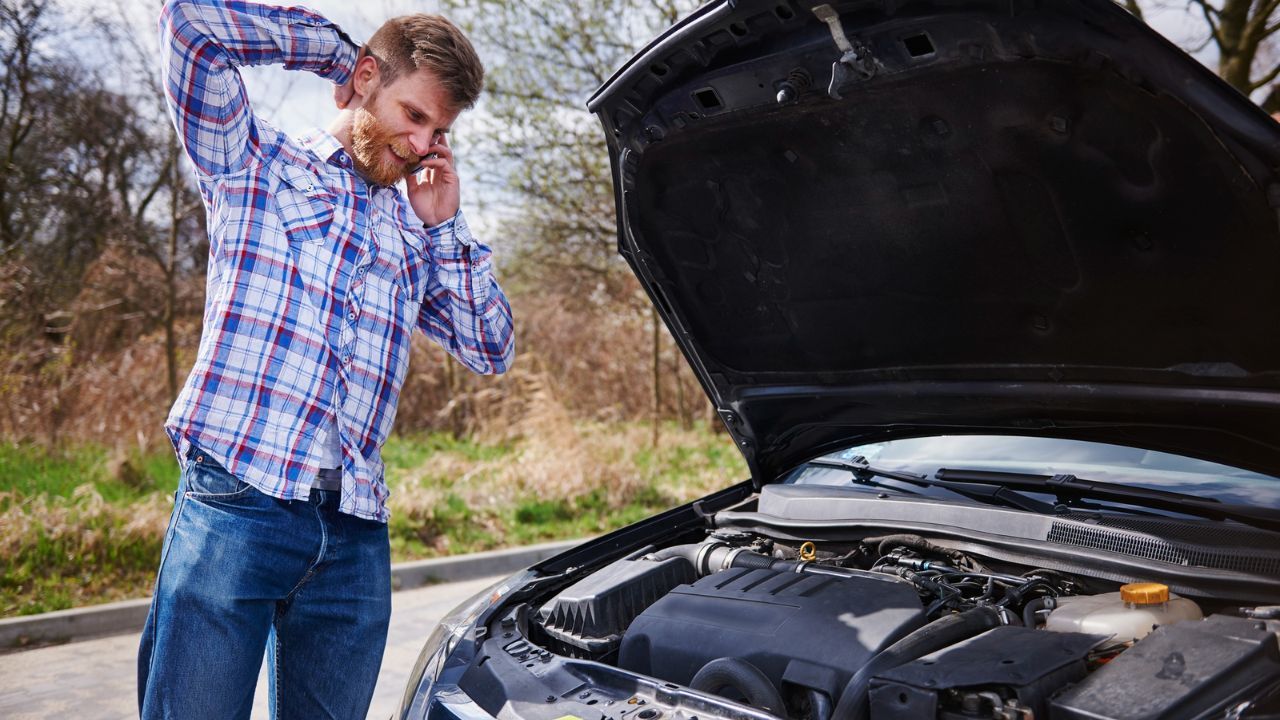
While even after a transmission fluid you can drive, And here’s a common thought people have: “Can I keep driving a little longer?” Maybe. But each mile with low fluid adds stress. That gamble can turn a simple fluid top-up into a full rebuild.
How Often Should You Check Transmission Fluid?