10 Essential Steps to Prepare Your Car for Winter (Complete Checklist)
As you experience a slight fall in the temperature, cold air, days becoming short, and your car acting weird, it’s time to prepare it for the coming season. If you’re driving a car regularly, you may have noticed how the car changes its performance as winter arrives.
Sometimes the car won’t start due to a dead battery, driving at night becomes challenging because the days become short, and if you’re residing in an area where you experience snow, you have to be prepared for the slippery roads that are to come.
However much you prepare yourself for the weather, certain things can surprise you. If you’re preparing a car for winter, with the right prep and a reliable plan, you can drive freely.
What You Should Do First
Before following any tips that we’ve shared below, ask yourself one question: “ When was the last time I got my car serviced?” If you’re not getting an answer for it, it’s probably time to first get your car serviced before anything.
Changing weather isn’t the time to wait and see. Problems that seem small in autumn can turn into roadside breakdowns in January.
10 Steps To Keep Your Car Winter Ready
1. Start With a Professional Inspection
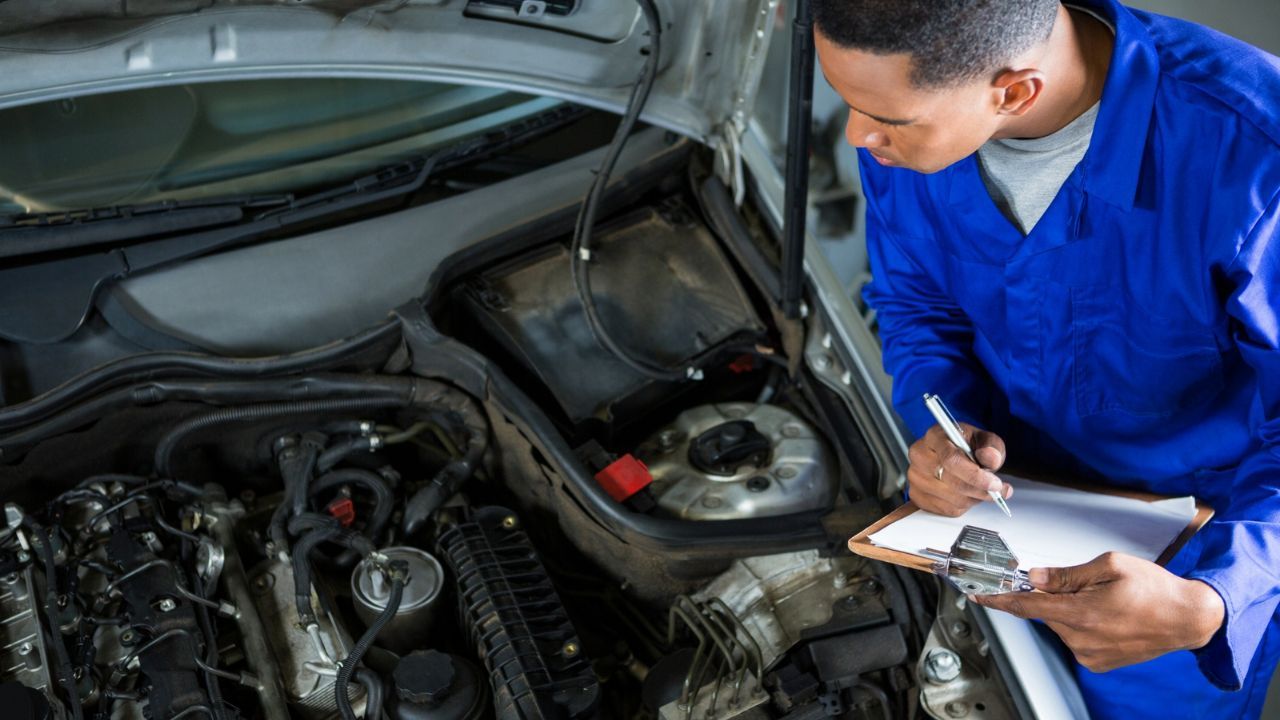
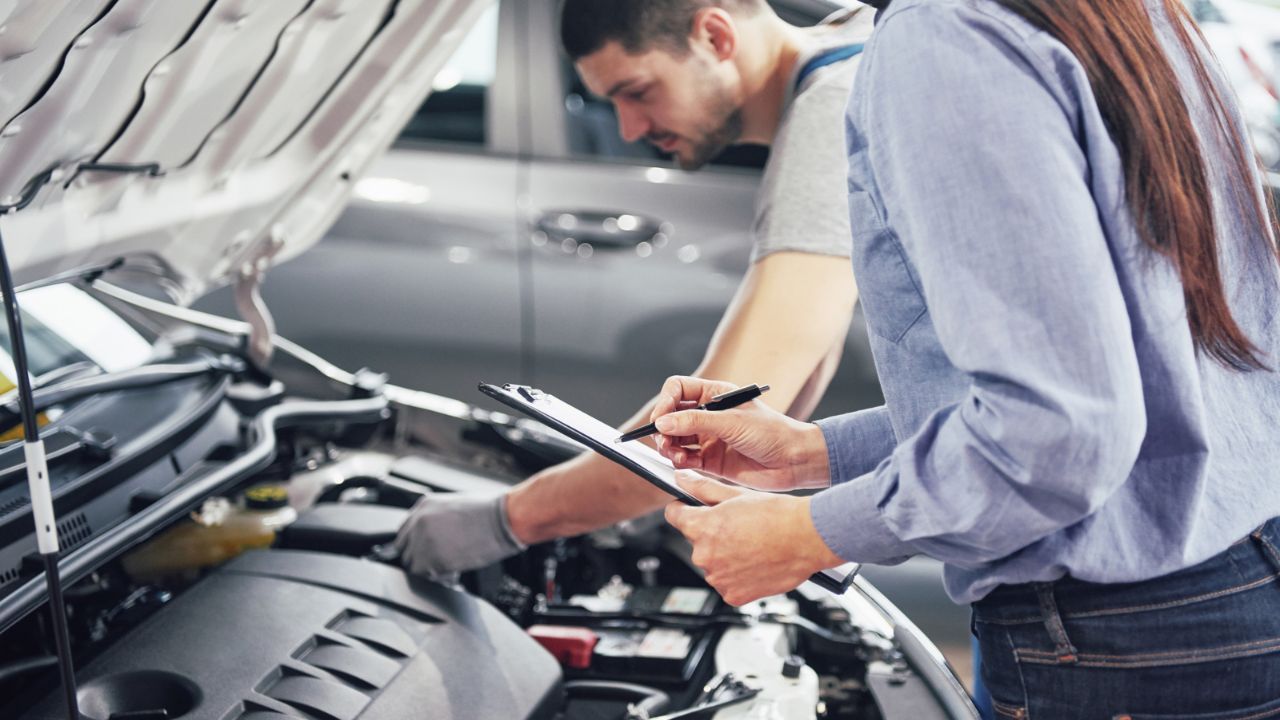
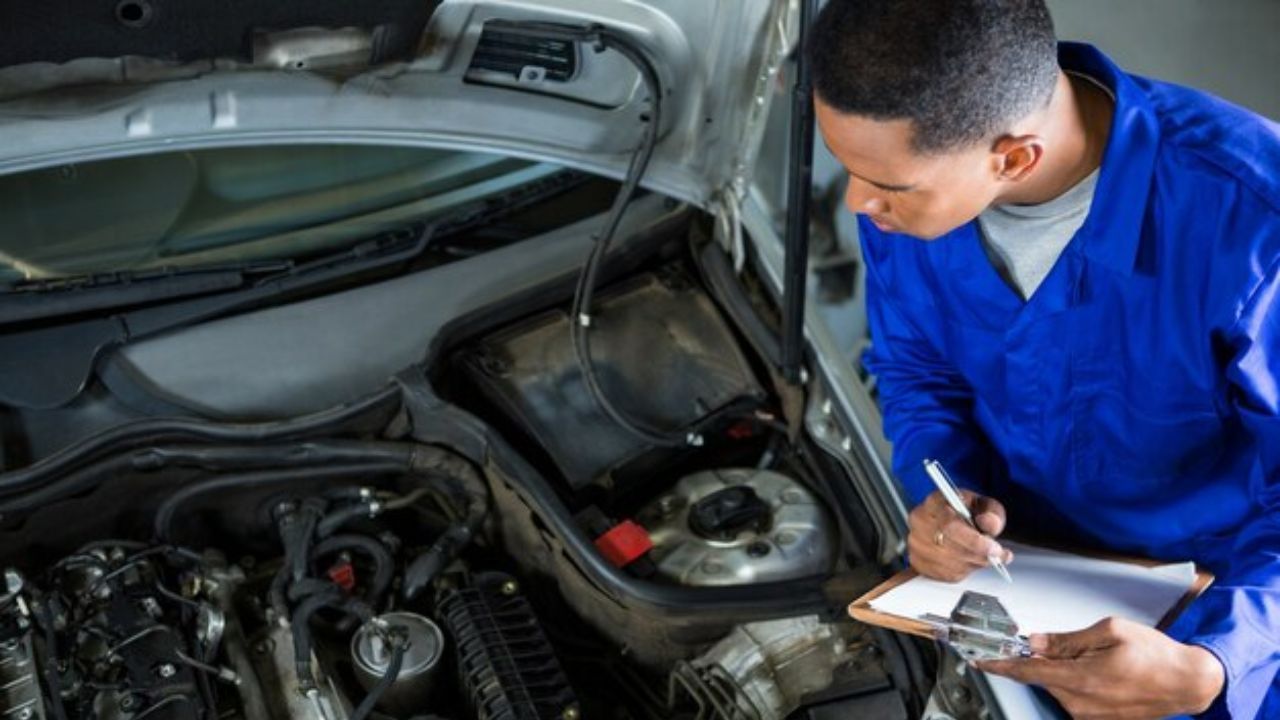
If you see any problems, don’t guess what the problem is. It’s always better to verify with a professional. At Hamilton Tire and Car Care Center, we do a full multi-point inspection to catch the little issues before they become big ones.
What we do:
- We look for worn brakes, a weak battery, leaks, worn belts, or hoses.
- We check lights, fluids, tire tread, and suspension.
These basic checks tell you exactly what you need to fix before snow hits. With a professional inspection beforehand, it will save time and headache later, especially when you’re in a rush to leave for work or a road trip.
2. Tune Up Your Tires
Tires are where your car meets the road. Tire pressures tend to drop as the temperature drops. For every 10-degree Fahrenheit drop, the tire loses 1 PSI (Pounds Per Square Inch).
Tires can make or break your ride during winter; therefore, it is important that you keep a check on them before taking it out on the road. Winter driving demands traction and confidence.
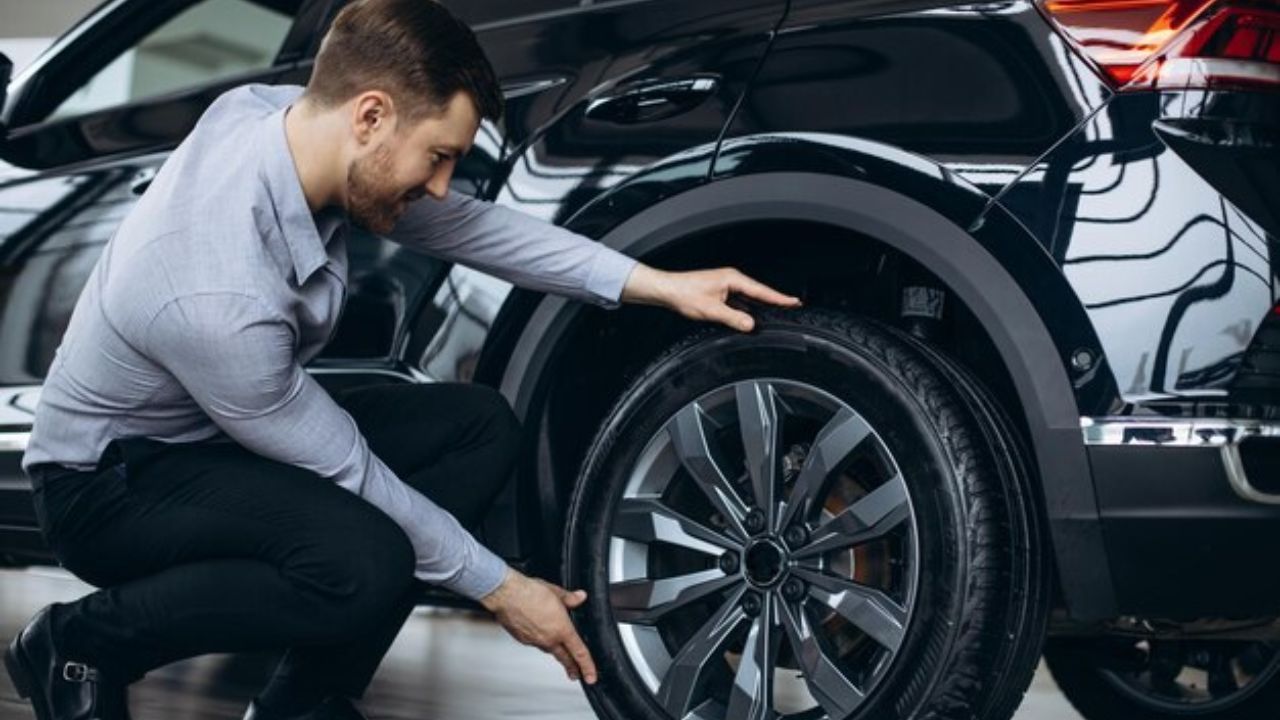
- Check tread depth and look for uneven wear. If the depth is less than 4/32”, it will have less traction, making it difficult to drive on slippery and snowy roads.
- Have rotations, balancing, and visual inspections done by pros.
- Rotate and balance tires to extend life and improve handling.
You can roll into winter safer if you have tire services like rotation, inspection, and balancing performed by experts at Hamilton Tire and Car Care Center, who specialize in these services.
3. Evaluate & Replace Your Battery
Cold weather drains battery power faster than you think. Also, during winter, there’s a chemical reaction caused within the battery that makes it difficult for the electricity to flow properly to power the car.
To start your car, it needs complete electricity from the battery. This is why your car’s battery should be in good condition and completely charged.
It’s always good to:
- Test your battery’s charge and replace it if it’s weak.
- Older batteries (3+ years) often struggle in freezing temps.
- Clean any corrosion on the posts; poor contact magnifies issues.
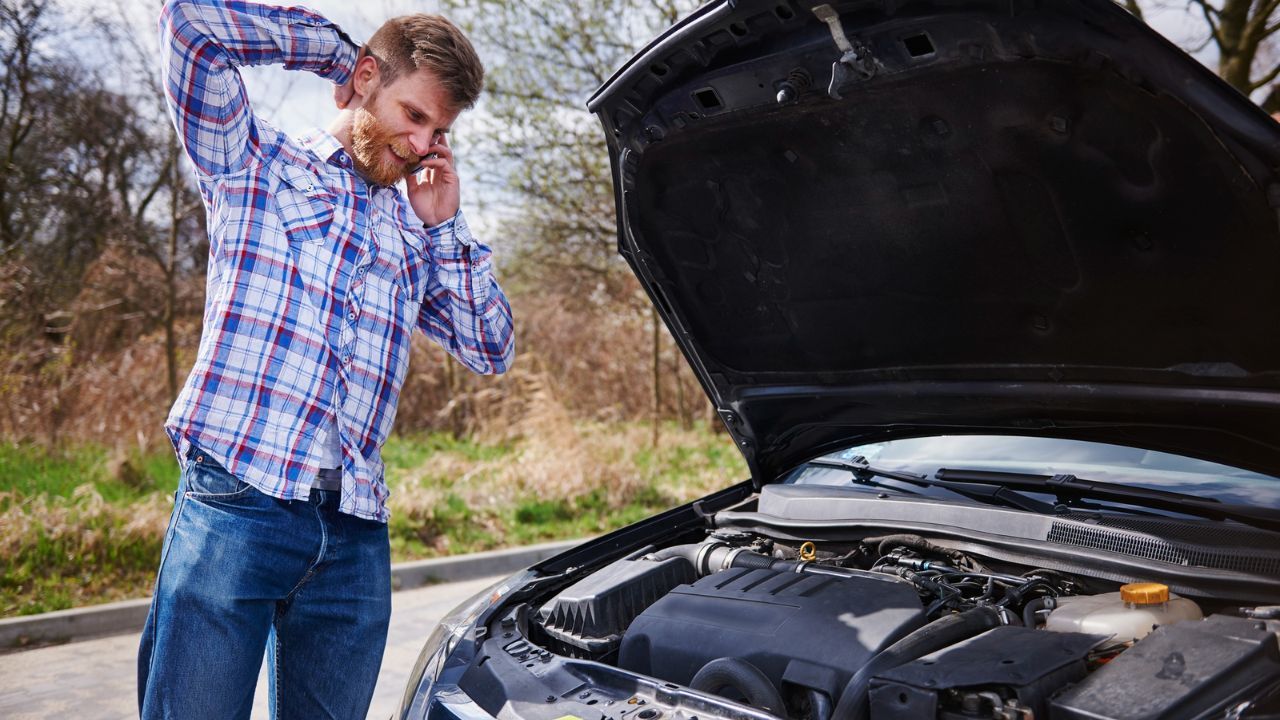
We understand that the worst moment ever could be waking up to a dead battery on the first snowy day of winter.
4. Change Your Oil & Fluids
The cold weather tends to exhaust the fluids like the windshield washer fluid or antifreeze fluids quickly. Dried-up fluids can be a problem as they could lead to engine damage and freezing. On the other hand, fresh fluids protect your engine, brakes, and steering in extreme cold.
To prepare a car for winter:
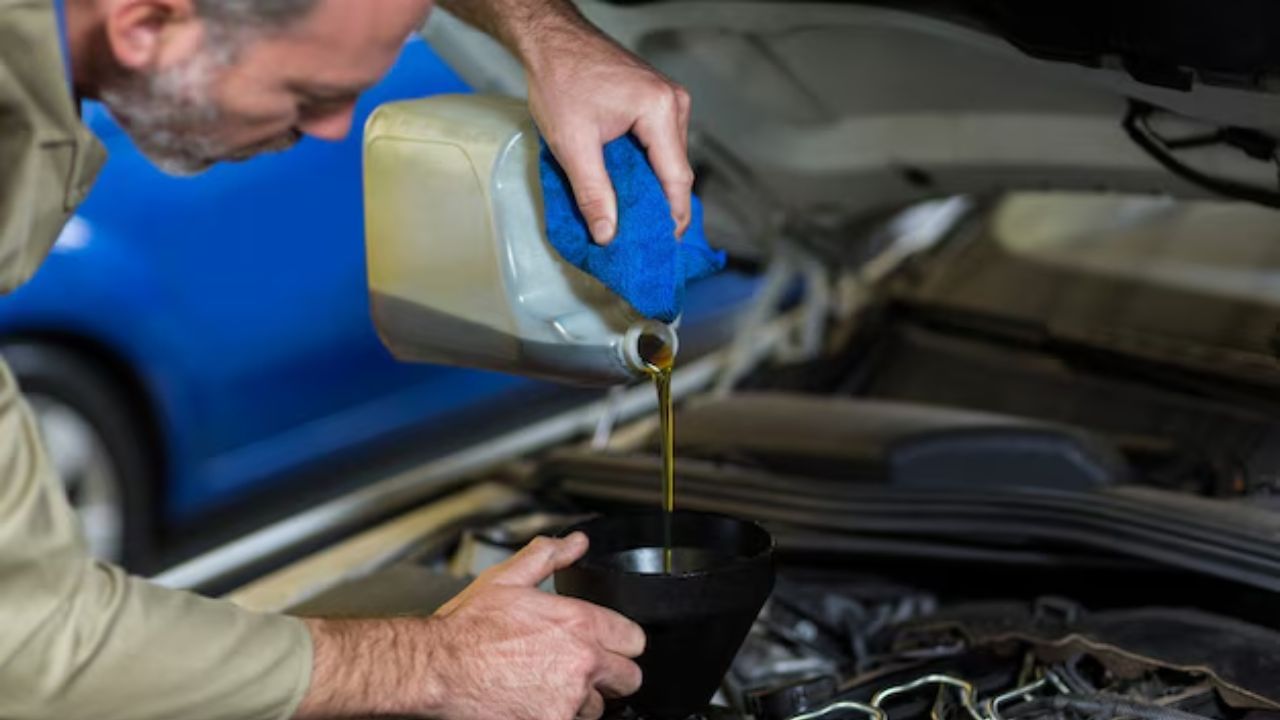
- Replace engine oil and oil filter based on your car’s schedule.
- Top off antifreeze/coolant to the correct mix for low temperatures.
- Check brake fluid, power steering fluid, and windshield washer fluid.
Thicker, older oil strains your engine in cold starts. A proper oil change is one of the simplest yet most effective winter prep steps.
5. Check Your Brakes
Brakes never warn you beforehand when they get worn out. Cold weather does not directly spoil your car’s brakes, but with snow, road salt, and moisture, it could lead to their rusting. And you don’t want to discover brake issues when the road is icy.
To be safe and not have any surprises:
- Have the pads, rotors, and hydraulic system inspected.
- Address squeaking sounds, vibrations, or warning lights without delay.
Stop distances increase dramatically on snow or ice, but an ounce of prep can prevent a ton of trouble.
6. Flush & Replace Old Coolant
If your coolant isn’t the right mix, you risk frozen hoses or engine damage. Before winter arrives, make sure to have a look at the coolant. The right ratio for coolant and distilled water should be 50-50.
Even if coolant is there, it’s always good to replace it with a new mix for your car’s better performance in winter.
- A professional coolant flush removes old fluid and adds fresh coolant.
- Make sure you’re protected well below your region’s lowest winter temps.
This protects your engine’s heart when everything else feels frozen.
7. Get a Wheel Alignment

Good alignment helps your car track straight, even when roads are slippery. A misaligned wheel can wander away from the road, not just a problem for you, but also for others on the road
- Misaligned wheels wear tires fast.
- Alignment improves fuel economy and handling stability.
This step isn’t glamorous, but it’s a solid defense against uneven tire wear and roadside surprises.
8. Replace Worn Filters & Lights
Small parts often make a big difference once winter winds settle in. With shorter and darker days, it is also important that you get the lights checked for easier night driving.
- Replace air filters, cabin filters, and fuel filters before the snow season.
- Inspect and replace headlamps, fog lamps, and brake lights.
Clean filters protect your engine’s efficiency, and bright lights make you visible in storms. We handle all filter replacements and lighting services, ensuring clean air and safe visibility.
9. Get Winter Wipers
Every car comes with a wiper but not every wiper is built for every weather. If your wiper doesn't work in winter, it’s time to switch to winter wipers.
Winter wipers are built differently. They have rubbers that prevent ice from getting collected on the blades giving you an uninterrupted view.
- Winter wipers are heavier than a normal wiper
- Be sure to remove it after the winter season gets over as they could put too much load on the motor to operate
Wipers are more important than you might think. Good wipers keep your view clear when the snow falls and gathers on your windshield.
10. Pack a Winter Emergency Kit
While emergencies don’t always happen, they do happen sometimes. For these times, you need to prepare yourself so you are not stranded on the road all alone. This is the part most people forget until they need it.
Include:
- Warm blankets, gloves, hat
- Jumper cables
- Ice scraper, small shovel
- Flashlight with fresh batteries
- Non-perishable snacks
- Road flares or reflective triangle
- Portable phone charger
Even the best preparation doesn’t guarantee perfect roads. Having an emergency kit handy means you’re ready if winter throws a curveball.
Why These Steps Matter
Winter weather isn’t forgiving. You experience black ice, heavy snow, and plummeting temperature make every part of your car work harder.
Take time now to prepare your vehicle by:
- Boosting safety, especially on icy roads.
- Preventing costly repairs down the line.
- Keeping you moving, not stranded.
Don’t Let Winter Interrupt Your Driving
Winter doesn’t wait. The first cold snap often hits before you’re ready. So think ahead, check carefully, and take even small steps seriously. After all, a prepared car keeps you moving safely through whatever winter throws your way.
And here’s a question to carry with you: When winter comes, will you be ready, or wishing you had started sooner?