1. Dirty or Clogged Fuel System
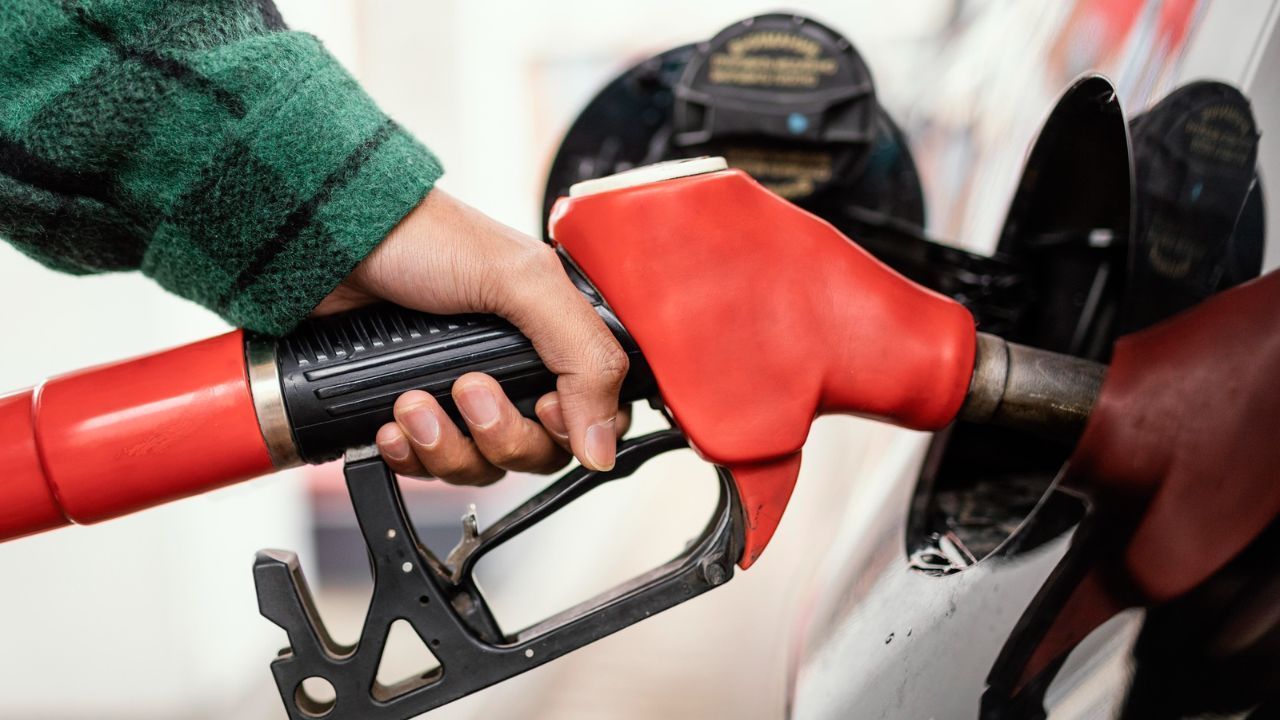
Fuel needs to be delivered in a steady, precise stream. If injectors are gummed up, filters are clogged, or fuel lines are blocked, the engine can’t burn cleanly. When you hit the gas, the engine hesitates, then jolts once enough fuel finally gets through.
This is one of the most common causes of jerky acceleration. It’s also one of the easiest to fix if caught early, often via a fuel system cleaning or fuel filter replacement during regular car service.
Signs to watch for:
- Rough idling
- Reduced fuel economy
- Hesitation before power
Fix Tip: Have the fuel injectors cleaned or the fuel filter replaced as part of routine maintenance.
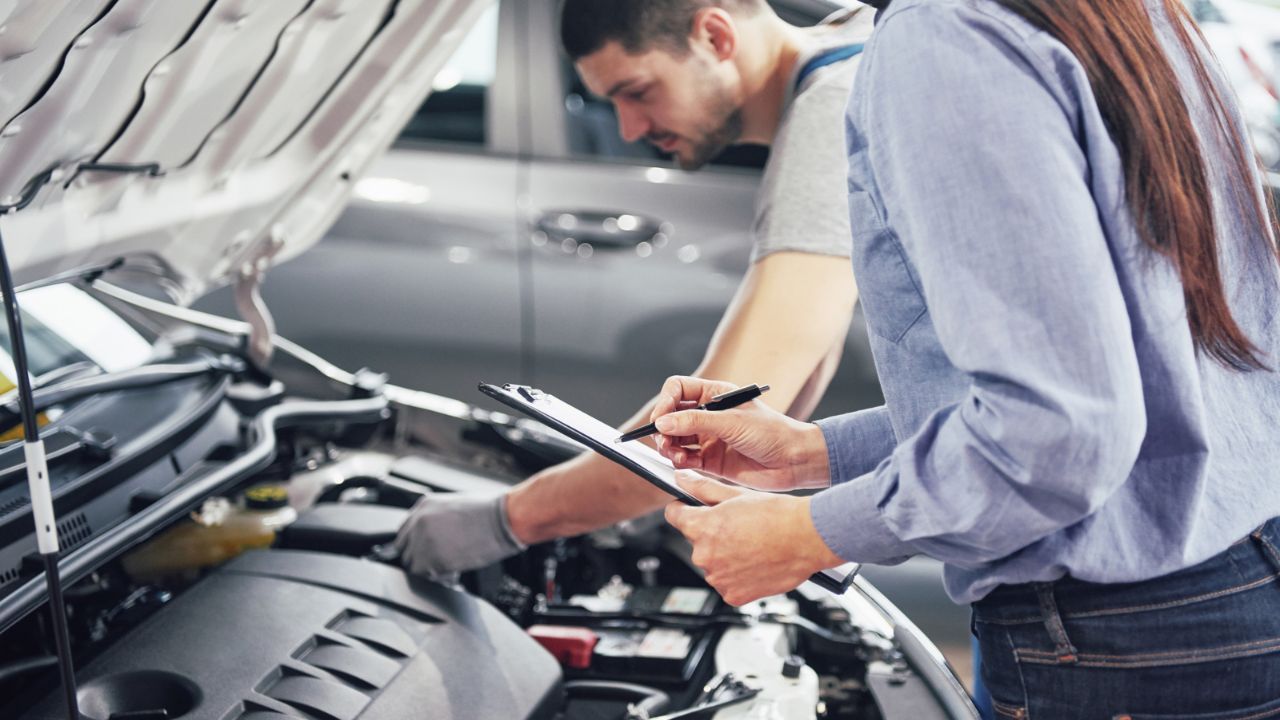
Scheduled maintenance
at a Hamilton Tire Car Care Center can prevent this from escalating.
2. Worn Spark Plugs or Ignition Issues
Spark plugs are the tiny spark makers that ignite the fuel-air mix in each cylinder. These plugs supply electric current from the ignition system to the combustion chamber of a gas engine, creating a high-voltage spark that ignites the compressed air/fuel mixture.
When they wear out:
- Combustion becomes uneven
- Engine misfires
- You get that jerky feeling
Misfiring doesn’t just jerk your car, but also hurts performance and mileage, which is not good for a vehicle in the long term.
3. Transmission Problems
Your car’s transmission is supposed to match engine speed to wheel speed smoothly. The transmission controls the torque, engine power, and speed, transferring it from the engine to the wheels. This leads to efficient movement, acceleration, and different driving conditions.
If the transmission:
- slips,
- shifts too early or too late, or
- is low on fluid
You’ll feel it jerk between shifts because the gears aren’t engaging cleanly.
This is especially common in older cars or vehicles that haven’t had transmission service. A professional
transmission service can save you from more serious damage.
4. Air Flow Restrictions (Dirty Air Filter or Sensors)
Usually, the engine mixes fuel with air before burning it. If by any chance the airflow gets restricted by a dirty air filter or a bad sensor, the mix gets disturbed.
If the ratio of the fuel and the air is not proper, for example, if there is too much fuel and not enough air, that vehicle might lurch.
These parts are easy and inexpensive to inspect and replace. Many drivers forget air filters, but replacing them regularly is a fast way to fix jerky acceleration.
5. Your Acceleration Cables Are Damaged
The acceleration cable could be worn out or damaged. This cable is what physically connects your gas pedal to the engine’s throttle, so it plays a big role in how your car speeds up.
When you press the gas pedal, the cable pulls the throttle plate open. That lets more air into the engine, which is what makes the car accelerate. If the cable isn’t working properly, that whole process can get messed up.
What can go wrong with a damaged acceleration cable:
- The pedal may feel stiff, loose, or unresponsive
- Acceleration can feel delayed or uneven
- The car might struggle to pick up speed
- In some cases, the throttle may not open fully
Because this cable directly controls how your car responds when you press the gas, even minor damage can affect performance and safety. Getting it checked early can help avoid bigger issues down the road.
6. Your Clutch Is Wearing (Manual Cars)
In a manual transmission car, the clutch is your power gate connecting the engine to the wheels. If it’s worn:
- engagement becomes uneven,
- engine revs don’t translate smoothly to speed,
- and you feel surges or jumps.
This problem develops over time, and your car will start feeling inconsistent well before it fails.
We offer
clutch repair and service, where we diagnose and fix this before it leads to more costly transmission issues.
7. Suspension or Steering Trouble
Often, people don’t realize there’s a problem with their car’s suspension or steering, which causes jumping.
Issues like worn shocks, struts, or excessive play in steering components suddenly shift the car’s body when you hit the gas, which makes it jump. So, instead of a smooth drive, it feels bouncy and unpredictable, especially on rough roads.
8. General Lack of Regular Maintenance