Where you feel it matters more than how bad it feels.
A steering wheel shake usually points toward the front brakes or front tires. While a pulsing brake pedal often means the rotors are uneven. If the whole car shudders at highway speed, the tires or suspension may be part of the problem.
Then there is the pull. If the car jerks left or right while braking, that often means a sticking caliper. When the brake on one side grabs harder than the other, drivers often think it is an alignment problem first.
High-speed shaking also tells a story. If the shake only shows up over 55 mph, heat buildup in the rotors is often behind it. City-speed shaking can point toward drums, calipers, or worn suspension joints.
Where You Feel It: Steering wheel
Likely Cause: Front rotors, front tires
Urgency: High
Where You Feel It: Brake pedal
Likely Cause: Warped rotors or air in lines
Urgency: High to severe
Where You Feel It: Whole car
Likely Cause: Tires, suspension, rear drums
Urgency: Moderate
What Causes a Car to Shake When I Brake? 9 Reasons
Press the brake pedal and nine different things can send a shake back through the car.
1. Warped Brake Rotors
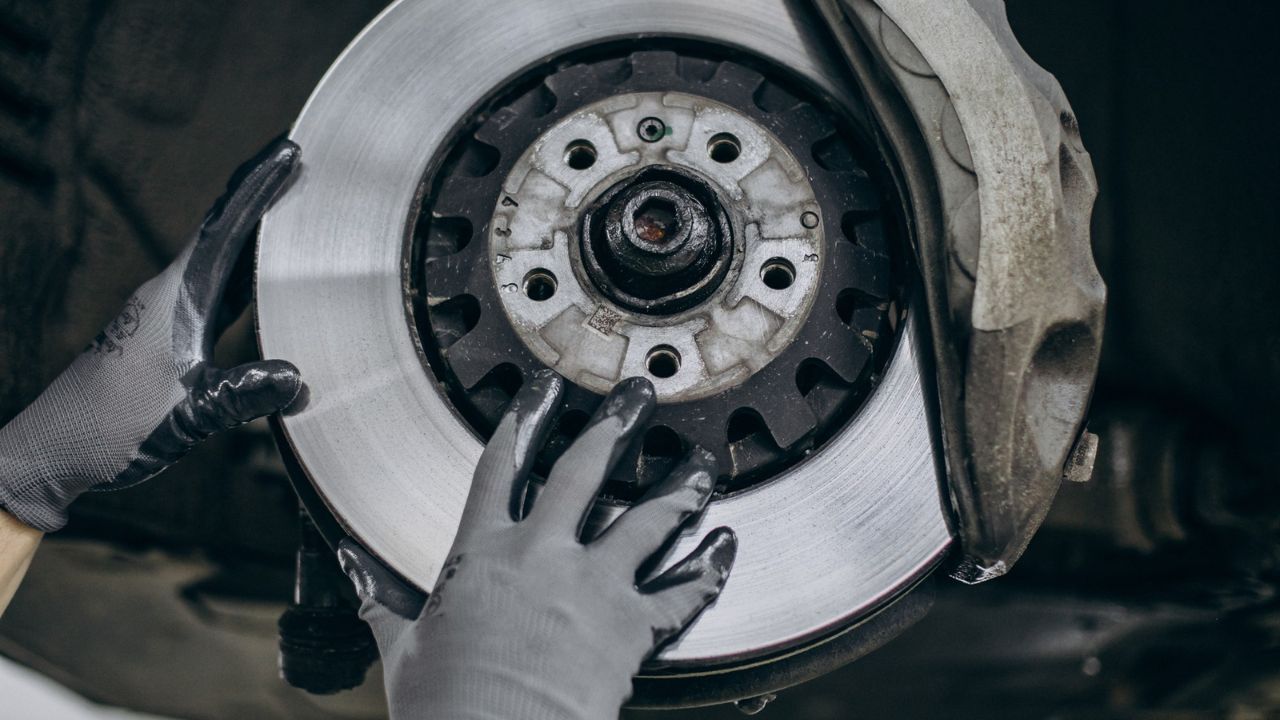
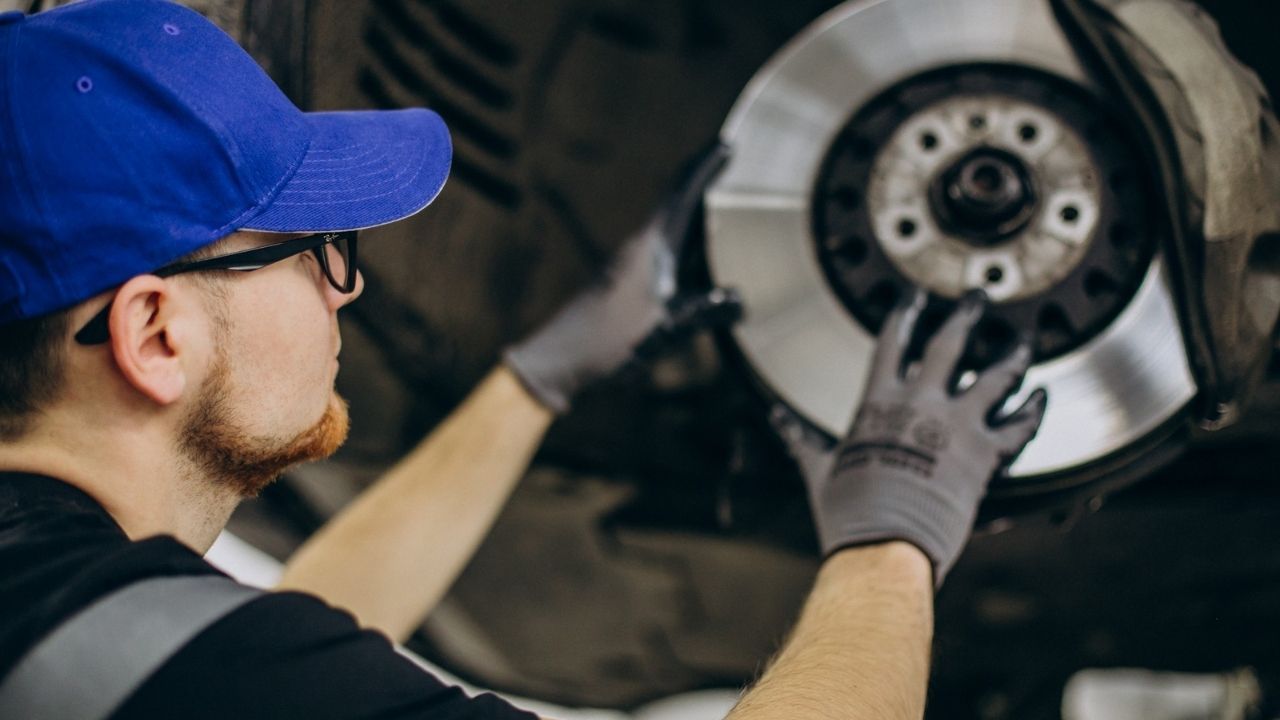
Brake rotors take brutal heat every day. Hard stops, downhill braking, and stop-and-go traffic on I-695 can leave hot spots across the rotor surface. Then the brake pad hits uneven spots every time the wheel turns. That pulse shoots into the steering wheel.
This is the top answer to “why does my car shake when I brake.” It also gets worse at highway speed because the rotor spins faster and the uneven surface hits harder.
Signs
- Steering wheel shakes while braking
- Brake pedal pulses underfoot
- Worse at 60 mph and above
Fix
- Resurface or replace rotors
- Install fresh brake pads
2. Worn or Glazed Brake Pads
Thin pads and glazed pads are not the same thing.
Thin pads are worn down close to metal, while glazed pads get too hot and turn slick and hard. That means uneven grip against the rotor, and the result feels jumpy and rough. Many drivers hear squealing for weeks and keep going.
Sound paranoid? It is not. Once the pad wears too far, the rotor itself gets damaged. Then the repair bill climbs fast.
Signs
- Squealing or grinding sound
- Longer stopping distance
- Sharp shake during braking
Fix
- Replace pads
- Check rotor surface for damage
3. Sticking Brake Caliper or Slide Pins
A stuck caliper drags the brake pad nonstop.
That constant drag overheats the rotor and wears the pad unevenly. Then the car starts pulling to one side when braking.
Many shops find worn slide pins first because they rust and seize over time, especially after salty
winters around Baltimore roads. If left alone, the heat can cause brake fade which could be dangerous.
Signs
- Car pulls left or right
- Burning smell near wheels
- Brake gets hotter than normal
Fix
- Clean and grease slide pins
- Replace seized caliper if needed
4. Air in the Brake Lines
Air should never be inside brake lines.
Brake fluid stays firm under pressure as air compresses. That means your pedal suddenly feels soft or spongy. Pressure changes across the system and the brakes grab unevenly. The shake feels strange and inconsistent.
This often shows up after sloppy brake work or a fluid leak. If the pedal sinks toward the floor, stop driving.
Signs
- Soft brake pedal
- Pedal sinks slowly
- Weak braking force
Fix
- Bleed brake system
- Check for leaks
5. Out-of-Round Brake Drums
Not every car uses rear disc brakes.
Many sedans, SUVs, and pickups still use rear drums. Instead of a visible rotor and caliper, you see a round metal drum behind the wheel and heat can warp that drum into an oval shape.
Then the brake shoes bounce inside it during braking. That creates a low-speed shudder many drivers mistake for tire trouble. This shake often feels softer than warped front rotors.
Signs
- Rear-end shake at low speed
- Pulsing during gentle stops
- Rear brakes feel grabby
Fix
- Resurface or replace drums
- Replace worn shoes
6. Unbalanced or Damaged Tires
Sometimes the brakes are innocent.
A badly unbalanced tire can shake the whole car even before you touch the brake pedal. Then braking adds more weight transfer and makes the shake feel worse.
A broken belt inside the tire creates a rhythmic thump that grows under braking load. Drivers often describe it as a hopping feeling. Potholes around city streets make this problem too common.
Signs
- Shake at cruising speed
- Uneven tire wear
- Rhythmic thumping noise
Fix
- Balance tires
- Replace damaged tire
7. Wheel Alignment Issues
A bad alignment wears tires unevenly.
That uneven tread then hits the road awkwardly during braking. The result feels more like a shimmy than a hard pulse. Many drivers notice the steering wheel drifting slightly even on straight roads.
If your hands leave the wheel for two seconds and the car wanders, alignment deserves a look. It starts small, and then tires wear snowballs.
Signs
- Car drifts sideways
- Uneven tread wear
- Mild shake under braking
Fix
- Four-wheel alignment
- Tire inspection
8. Worn Suspension Components
Loose suspension parts magnify every little shake.
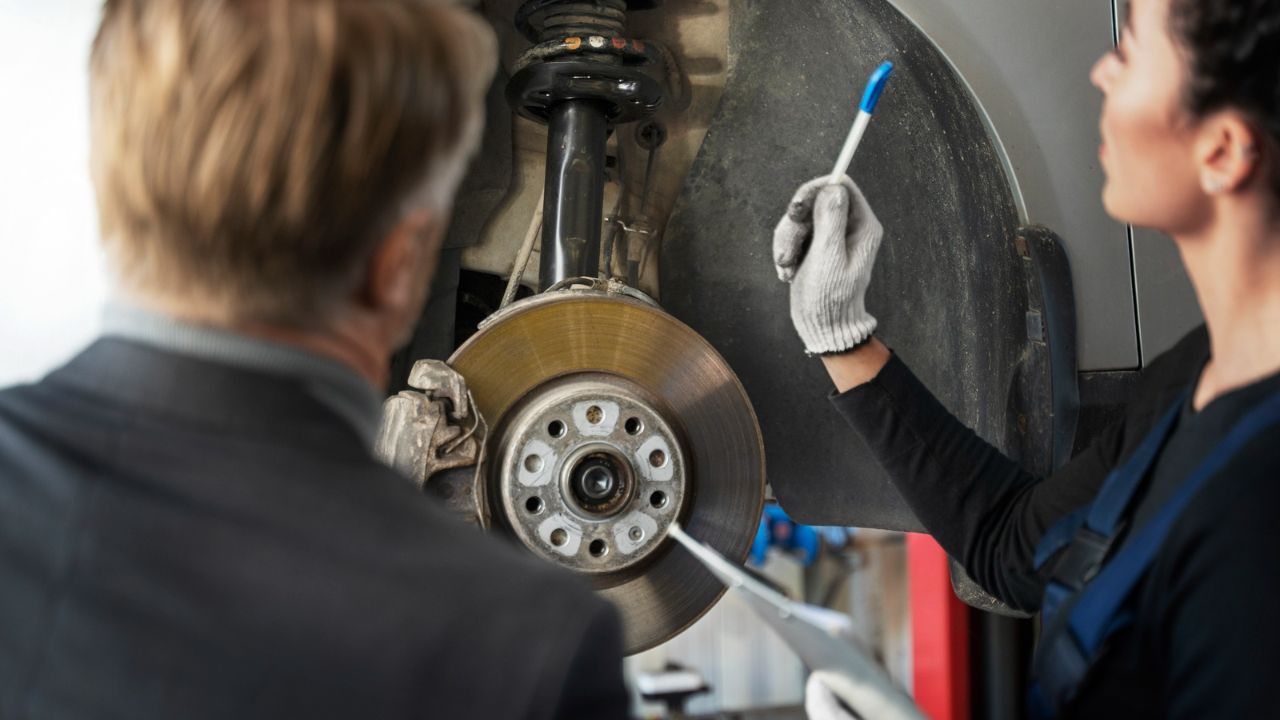
Tie rods, control arm bushings, and wheel bearings hold the wheel steady during braking. Once those parts wear out, braking force creates extra wobble. A bad wheel bearing often adds a grinding hum even when you are not braking. Then braking load makes the shake stronger.
Why does this matter? Because loose suspension parts can affect steering control too.
Signs
- Clunking over bumps
- Grinding hum at speed
- Shake gets worse on rough roads
Fix
- Replace worn suspension parts
- Inspect wheel bearings
9. Brake Booster or Vacuum Leak
This one fools people.
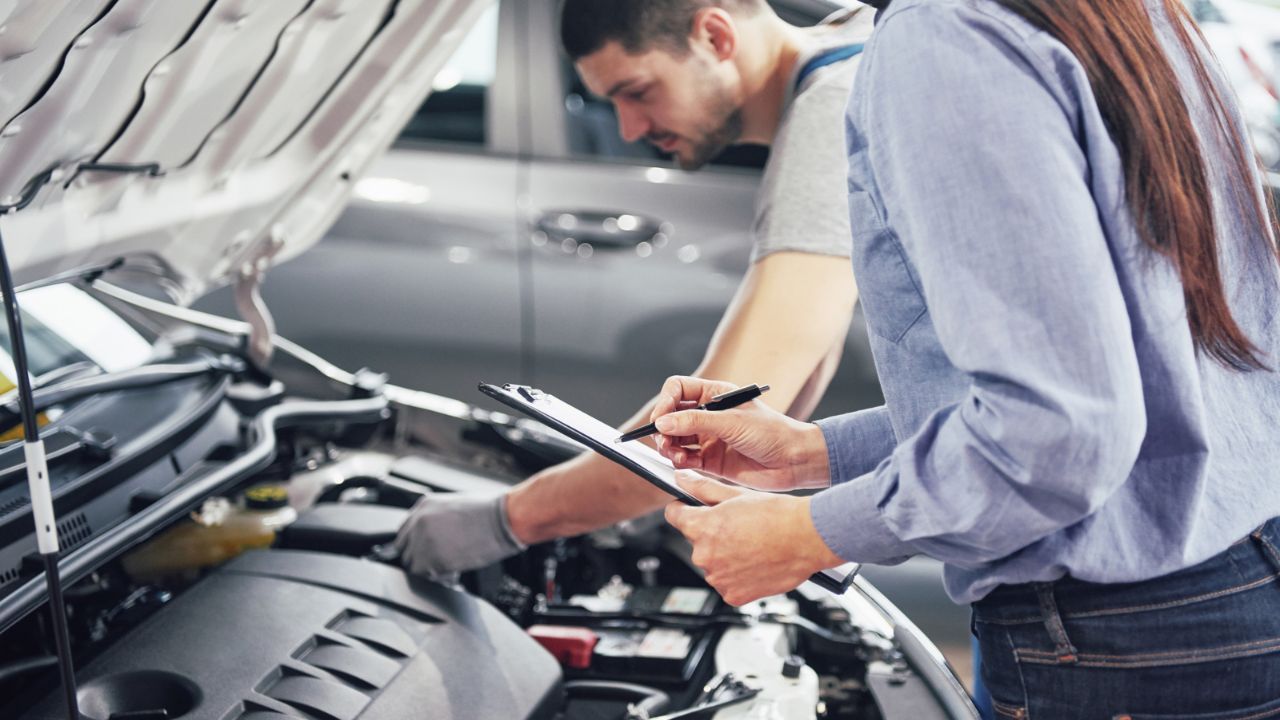
The brake booster uses engine vacuum to help reduce pedal effort. When it leaks, braking feels uneven and the engine may idle rough at the same time. Drivers often blame the engine first because the symptoms overlap. But the braking system is still the root problem.
The shake here usually feels softer than rotor vibration with less pulse, and more stumble.
Signs
- Hard brake pedal
- Rough idle while braking
- Hissing sound near pedal
Fix
- Replace booster or vacuum hose
- Test vacuum pressure
Hamilton Tire Car Care Center
handles both
brake repair services and
wheel alignment services,
which are two common fixes tied directly to brake shaking issues like warped rotors, worn suspension parts, and uneven tire wear.
Is It Safe to Drive? When to Stop Immediately