What Causes a Gas Leak in a Car? 9 Shocking Reasons Explained

jkram200 • February 16, 2026

Have you ever experienced a gas leak when your car is parked? If yes, we get how scary it must be. Gas in a car helps the engine power up. It’s because of the gas that your car is able to run. 


Often, you may see drops of gas leaking. Many don’t bother about it, thinking that it’s just a minor inconvenience, but is it? When gas leaks, it signals you that something is not right. 


There can be many reasons why this happens. In this blog, we’ll help you understand the reasons. It’s always good to know where the issue is coming from because it’s not just about how your car performs but also about how safe you are inside it. 


Why a Gas Leak in a Car Is Never “Just a Smell”

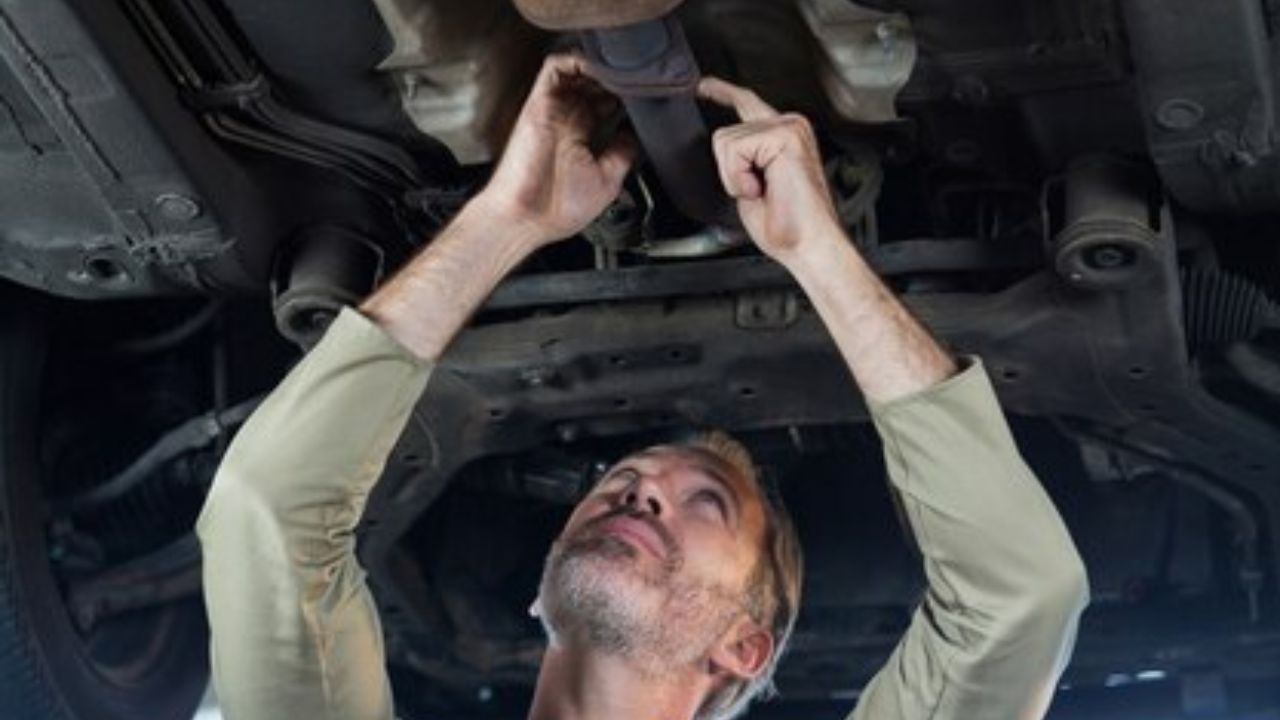
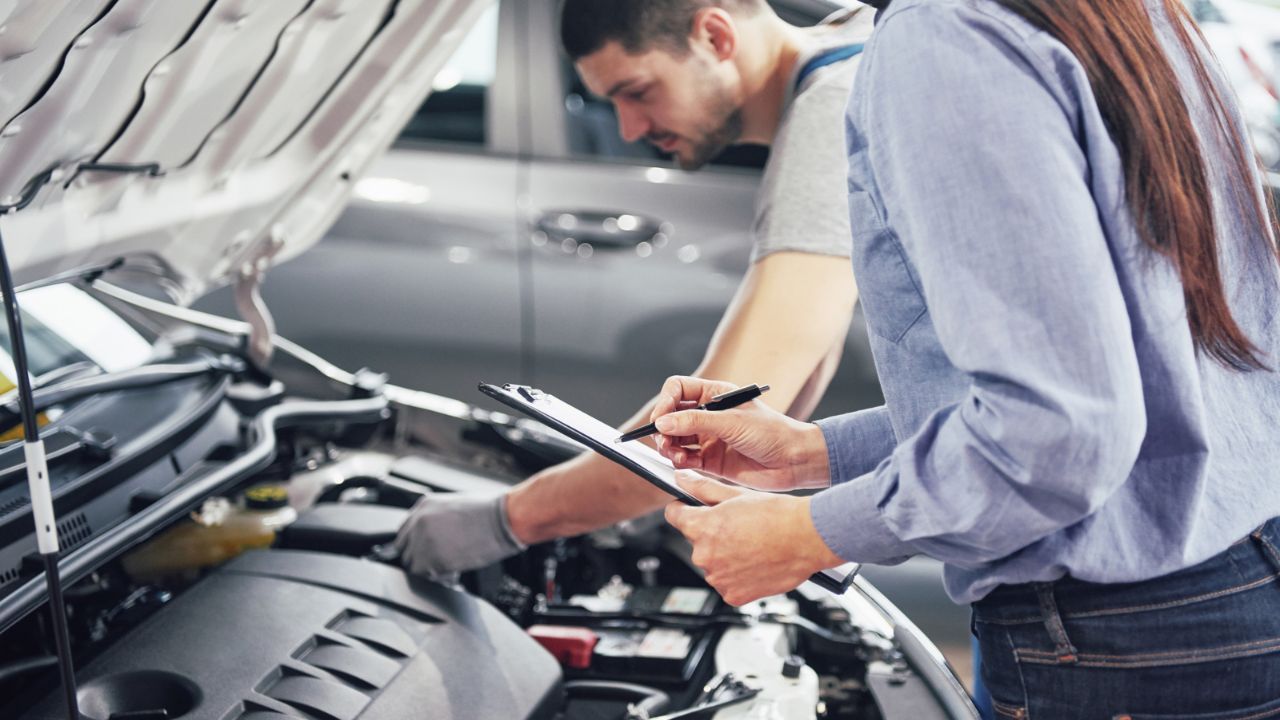
A man looking under the car for gas leakage

Gasoline is designed to stay contained under pressure. When it leaks, it does not just waste fuel. It creates fire risk, breathing hazards, and engine problems that stack up fast.


Most drivers ignore the smell at first. It fades. It comes back. You roll the window down and move on. Many people still do it and end up with a cracked fuel line spraying gas near the exhaust. 


One thing you always need to understand is that a gas leak in car is not something to be panicky about. It is about acting early, when the fix is simpler and cheaper.


1. Worn or Rusted Fuel Lines


Fuel lines are what carry the gas from the tank to the engine. Over time, these metal lines rust and rubber lines dry out or crack.

Elements like road salt, moisture, and debris speed up the damage, especially in older vehicles. Even a pinhole can leak under pressure and release strong fumes.


This is one of those issues that shows up during routine fuel system inspections, the kind many drivers skip until something smells wrong.


2. Loose or Failing Fuel Injectors


Fuel injectors are the parts in a car that spray gas into the engine in regular intervals. There are multiple fuel injectors, and each one is

sealed with small rubber rings to prevent gas from leaking. But with regular use, these rubber rings often harden over time. 


When these seals fail to do what’s needed, gas seeps out instead of burning. You can know the fuel injectors have become loose or are failing when you feel some hesitation, rough idling or a strong gas smell after parking. 


Getting engine diagnostics done often catches injector leaks early, especially when a technician checks pressure and spray patterns instead of just scanning for codes.


3. Cracked or Damaged Fuel Tank


Whenever driving on the road, the fuel tank is the part that takes the most abuse from the road with things like rocks, speed bumps, and corrosion. This constant abuse can weaken the tank shell over time.


Small cracks or rust spots often leak only when the tank is full. That is why some drivers smell gas only after filling up.

During undercar inspections or scheduled maintenance, Hamilton Tire and Car Care Center can spot tank damage before it becomes a full replacement job.


4. Bad Fuel Pump Seal


The fuel pump sits inside the tank and relies on a tight seal to keep gas contained. When that seal fails, fuel can leak from the top of the tank.

You may smell gas near the rear of the car, especially after driving. This problem rarely fixes itself and usually gets worse.

A proper fuel system service checks pump seals and pressure, not just whether the pump still runs.


5. Cracked Fuel Filter or Loose Connections


Fuel filters trap dirt before it reaches the engine. They also sit in the fuel flow path under pressure.

If the filter housing cracks or the clamps loosen, gas escapes slowly but steadily. You may see damp spots or smell fuel under the hood or near the frame.

This is a common find during preventative inspections and an easy fix if caught early.


6. Failed Fuel Pressure Regulator


The fuel pressure regulator controls how much gas reaches the engine. When it fails, pressure spikes or leaks develop.

Fuel may leak externally or get pulled into places it should not be. Engine performance drops, and fuel smells become noticeable.

Engine repair diagnostics help confirm this issue before unnecessary parts are replaced.


7. Loose or Faulty Gas Cap


This one sounds simple, but it matters. A loose or damaged gas cap lets fuel vapors escape.

You might not see liquid fuel, but the smell can be strong, and the check engine light often appears. Many drivers replace parts before checking the cap.

Regular maintenance checks usually catch this in minutes and save a lot of guessing.


8. Cracked Fuel Rail


The fuel rail feeds gas to multiple injectors. Heat cycles and vibration can cause cracks or seal failures over time.

When this happens, fuel sprays or leaks directly into the engine bay. That is dangerous territory due to heat and sparks.

Fuel rail issues are typically found during deeper engine inspections, not quick visual checks.


9. Corroded Clips and Connectors


Even if major parts look fine, small connectors can fail. Rusted clips allow lines to shift and seals to loosen.

This problem often shows up in cars driven in wet or salty conditions. The leak may be intermittent, which makes it harder to trace.

Experienced technicians look for these details during thorough fuel and engine inspections.


Signs You Should Never Ignore


A gas leak in a car rarely stays hidden forever. Some signs mean you should shut the car off and call for help.

  • Visible fuel dripping
  • Strong gas smell inside the cabin
  • Trouble starting paired with odor
  • Smoke or hissing sounds
  • Sudden drop in fuel economy


If you notice even one of these, it is time to stop guessing and start checking.


What to Do the Moment You Suspect a Gas Leak
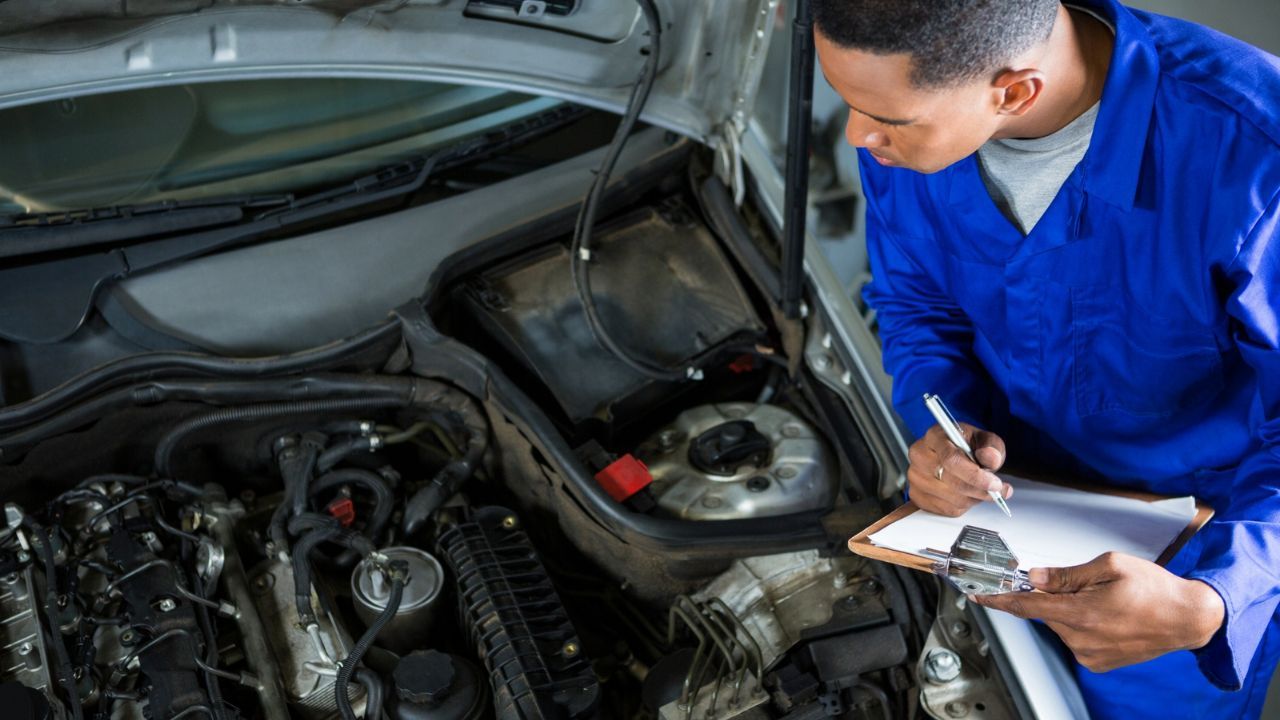
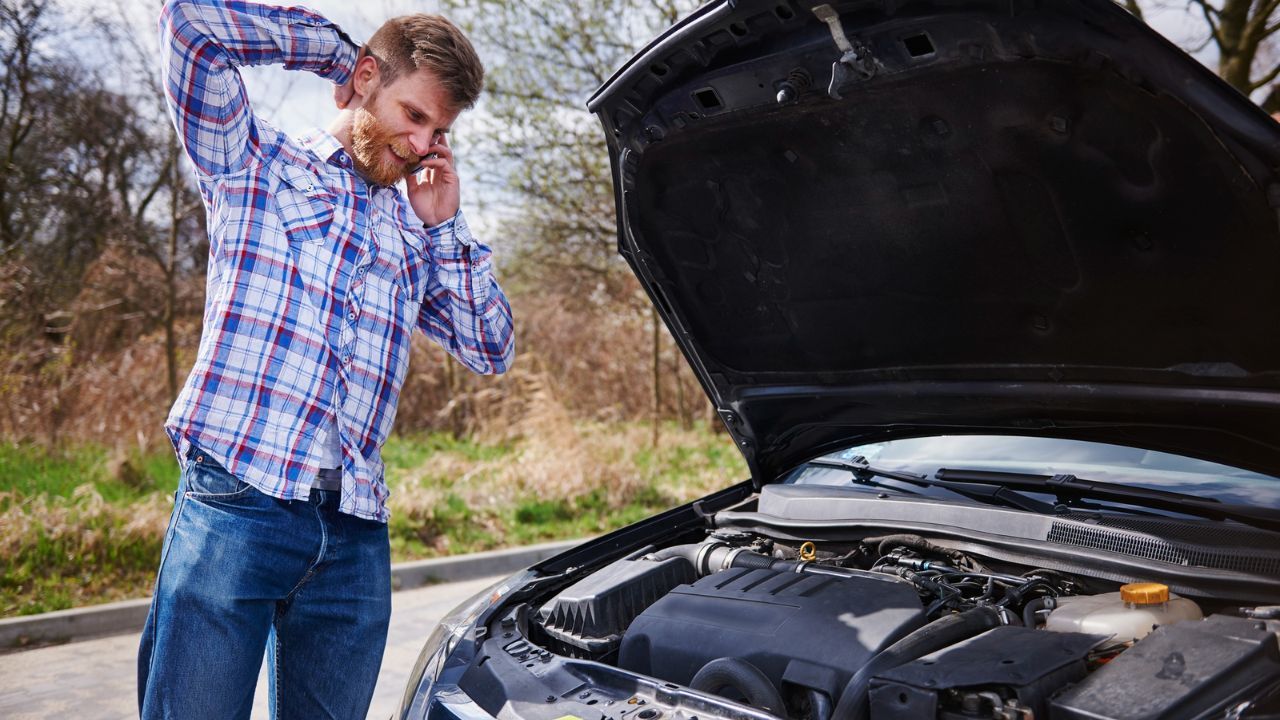
Man explaining a professional what’s wrong with his car

Professionals can help you, but there is always a starting point to understand what’s really happening. If you see any signs of a gas leak from your car, here is what to do: 


  • Avoid starting the car if the smell is strong
  • If the car is in a closed space, move it outside to an open area
  • Do not keep or use anything near the car that could be flammable
  • Get your car inspected by a professional as soon as you can


While you can always check car issues, a fuel issue is not something you should handle alone. Even experienced mechanics use pressure tests and safety procedures while inspecting these serious problems.


How Routine Service Prevents Fuel Leaks


Most gas leaks are not sudden disasters. They grow slowly from neglect.

Routine service prevents any such situation. While inspecting, the professionals check everything carefully to make sure there are no underlying problems in the car. 


They do a fuel system check, engine diagnostics, and an overall maintenance that helps them catch any serious issues early. 

This is why many drivers who keep up with routine maintenance never experience a gas leak in a car at all.


How to Reduce Your Risk Going Forward


Leaking gas cannot always be prevented, but you can reduce the risk of it happening by following a few practices. 


Here are some signals you need to look at to reduce the risk of a gas leak:


  • Pay attention to new smells
  • Do not ignore warning lights
  • Get scheduled maintenance
  • Make small performance changes early


So What’s Your Next Move?


Cars talk to us all the time. Most of us just learn to listen after something goes wrong. That’s how you stay in control of the repair instead of reacting to a breakdown.


A gas leak in a car is rarely random. It’s the result of time, wear, or a missed detail. The real shock isn’t why it happens. It’s how many people smell it and keep driving anyway.


So, instead of ignoring it, it’s better to get it checked, so you don’t face problems in the future.

transmission flush cost
By jkram200 February 20, 2026
Get clear insights into current transmission flush pricing. Learn what’s included, what raises the cost, and when it makes sense.
how-to-bleed-brakes-diy-guide
By jkram200 February 20, 2026
Ultimate 10-step DIY brake bleeding guide. Covers helper method vs vacuum, fluid handling, and when you need a shop.
best all season tires
By jkram200 February 20, 2026
Find the top all-season tires worth buying this year. Practical recommendations for everyday drivers who want grip, comfort & durability on all weather roads.
car-jumps-when-accelerating-causes-fixes
By jkram200 February 14, 2026
Car jumping when accelerating? Discover 7 common causes like spark plugs, fuel delivery, sensors, and easy fixes to restore smooth driving.
10-steps-preparing-car-for-winter
By jkram200 February 13, 2026
Use this complete winter car checklist to avoid breakdowns. Prepare tires, battery, fluids, wipers, lights, and an emergency kit in 10 steps.
check-engine-light-codes-meaning
By jkram200 January 28, 2026
This guide explains common check engine light codes, possible causes, symptoms, and whether it’s safe to keep driving your car.
windshield-wiper-replacement-guide
By jkram200 January 28, 2026
Find out when windshield wiper replacement is needed, the warning signs to watch for, and how to replace blades correctly for clean wiping.
how-to-keep-car-cool-in-summer
By jkram200 January 28, 2026
Beat brutal heat with 9 smart ways to keep your car cool in summer: shade, reflective covers, safe window cracking, AC settings, plus UV protection tips on hot days
By jkram200 January 9, 2026
From tire checks to smart packing, this checklist for road trip planning helps you avoid breakdowns and enjoy a relaxed, confident drive.
By jkram200 January 9, 2026
Car smoking but not overheating? Learn 7 common causes, warning signs, and what to do next to avoid costly engine damage.
Show More