When and How to Do Windshield Wiper Replacement Properly
Windshield wiper replacement should be done the moment your wipers streak, chatter, or leave hazy patches, because clear vision is not optional when you are driving.
That is the short answer most of us want. But if you have any common concerns like, “Am I replacing them too early?” or “Can I squeeze one more season out of these?” Let’s walk through this together.
Why Windshield Wiper Replacement Matters
Windshields are one of the most overlooked parts of a car. People notice something’s wrong with it only when it gets hit by rain or snow piles up.
At Hamilton Tires, we’ve seen many drivers come in with a windshield issue only during these severe weather conditions. Drivers notice the wiper sounding like sandpaper on glass. And it’s not even about the sound, but worn wipers reduce visibility long before they completely fail. Even small streaks can hide brake lights, lane lines, or a pedestrian at dusk.
Windshield wipers are a safety system, not a cosmetic item. They work every time you drive in bad weather, heat, dust, or road salt.
The rubber dries out, frames bend, and springs lose tension. When that happens, your windshield does not get clean, no matter how good the washer fluid is.
That is when you need professional help. We at Hamilton Tires, treat windshield wiper replacement as basic safety care, just like tire pressure checks or brake inspections.
Windshield Wiper Replacement How Often Should It Be Done

Most experts agree that wipers should be replaced every 6 to 12 months. That range exists for a reason. Climate, driving habits, and parking conditions all play a role.
If you park outside year-round, sun and cold shorten wiper life fast. If you drive a lot on highways, grit and bugs wear the rubber edge. City driving with frequent stops can also stress the wiper motor and arms.
Here are realistic signs it is time, even if it has not been a full year.
- Streaks that do not go away after cleaning the glass
- Skipping or chattering sounds during operation
- Cracked or split rubber edges
- Bent wiper arms that do not sit flat
If you are asking yourself, “Do I really need to replace them now?” The honest answer is usually yes. Wipers are cheap. Visibility is priceless.
What Happens If You Delay Windshield Wiper Replacement
Delaying feels harmless, but it creates a chain of small problems. Poor wiping of the windshield forces you to squint. Squinting slows reaction time, and slow reactions cause accidents.
Old wipers can also scratch your windshield. Once the rubber peels away, metal or hard plastic may drag across the glass. That damage is permanent and far more expensive than new blades.
We have seen drivers replace a windshield when all they needed months earlier was a simple windshield wiper replacement. That lesson tends to stick.
How Windshield Wiper Replacement Works Step-By-Step
Replacing wipers is simple in theory, but details matter. The wrong blade type or poor installation can make new wipers perform badly.
A proper replacement follows a clear process.
- Identify the correct blade size for both sides
- Lift the wiper arm gently to avoid the spring snap
- Remove the old blade without twisting the arm
- Attach the new blade until it clicks securely
- Lower the arm carefully onto the windshield
The last step is critical. Dropping a bare metal arm can crack glass instantly. A trained technician does this calmly and correctly every time.
DIY or Professional Windshield Wiper Replacement
Many drivers ask if this is worth paying for. It is a fair question. DIY works if you buy the right blades and install them correctly. But mistakes are common, especially with modern vehicles that use specialized mounts.
Professional service adds value beyond the blade itself. Technicians check arm tension, blade fit, and wipe pattern. They also test the system with washer fluid to confirm even coverage.
At Hamilton Tires, windshield wiper replacement is often paired with quick safety checks. This turns a simple swap into preventive care.
Why Pairing Wiper Replacement With Other Services Makes Sense
Think of maintenance like grocery shopping. One trip beats five small errands. The same logic applies here.
When you visit a tire and auto service shop, it makes sense to bundle related services that affect safety and performance.
Three commonly paired services include:
- Tire rotation to ensure even tread wear and stable handling
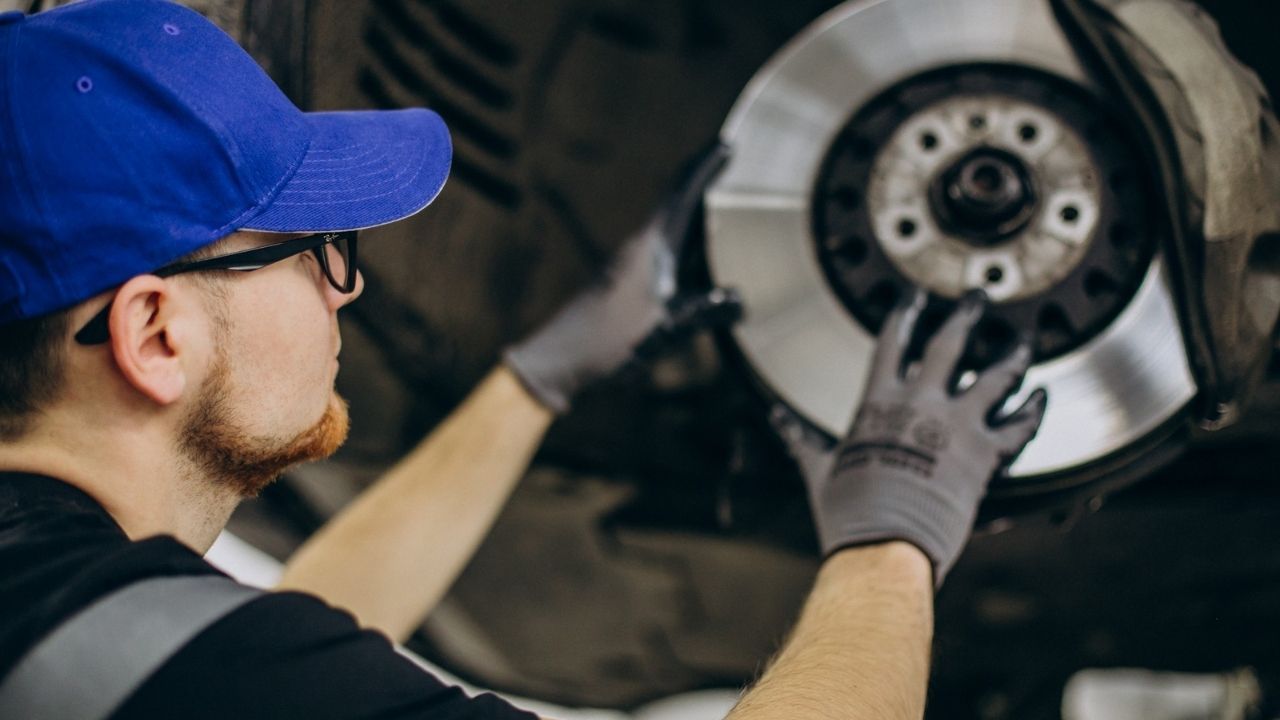
- Brake inspection to catch wear before it becomes dangerous
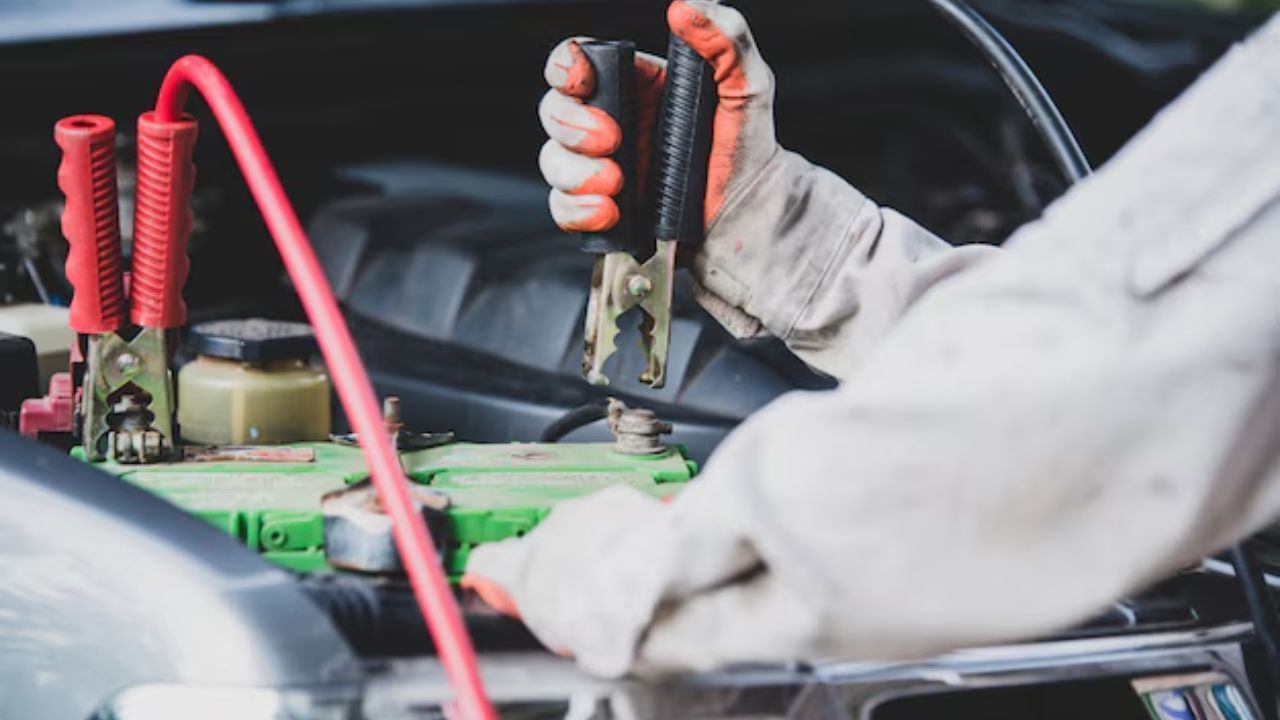
- Battery testing to avoid no-start surprises in cold weather

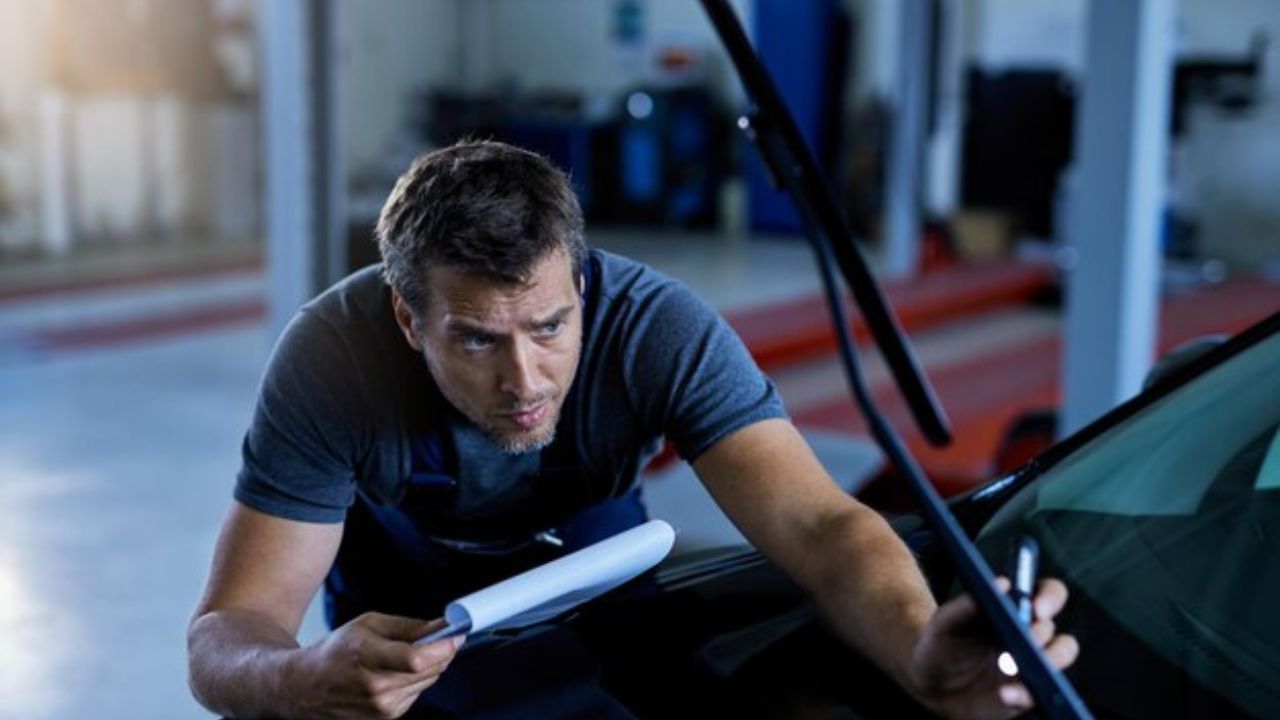
These services are part of the 20+ offerings available at Hamilton Tires, and they complement windshield wiper replacement perfectly. Clear vision, solid grip, reliable stopping, and dependable starts all work together.
Seasonal Timing For Windshield Wiper Replacement
Timing matters more than mileage for wipers. Seasonal changes are the best reminder.
- Spring brings pollen and heavy rain.
- Summer heat bakes rubber.
- Fall adds leaves and grime.
- Winter introduces ice and road salt.
Many drivers replace wipers twice a year, once before winter and once after. This is not overkill if you drive daily or park outdoors.
Choosing the Right Wiper Blades
Not all blades are equal. Frame style, beam style, and hybrid designs exist for different needs.
Beam blades perform well in snow and ice. Traditional frames work fine in mild climates. Hybrid blades offer a balance.
What matters most is fit and quality. Cheap blades wear fast and chatter. Quality blades last longer and wipe cleaner.
A professional shop selects blades matched to your vehicle and climate, removing the guesswork.
Common Myths About Windshield Wiper Replacement
Let’s clear a few things up.
- New washer fluid does not fix worn blades
- Quiet does not always mean effective wiping
- One blade often wears faster than the other
Ignoring these points leads to uneven wiping and reduced visibility. Trust what you see on the glass, not what you hope is still good.
The Quiet Role of Routine Checks
Windshield wiper replacement works best as part of routine care. When technicians inspect tires, brakes, and batteries during a visit, small issues are caught early. This saves money and prevents breakdowns.
Clear vision supports every other driving decision you make. From spotting hazards to reading road signs, it all starts at the windshield.